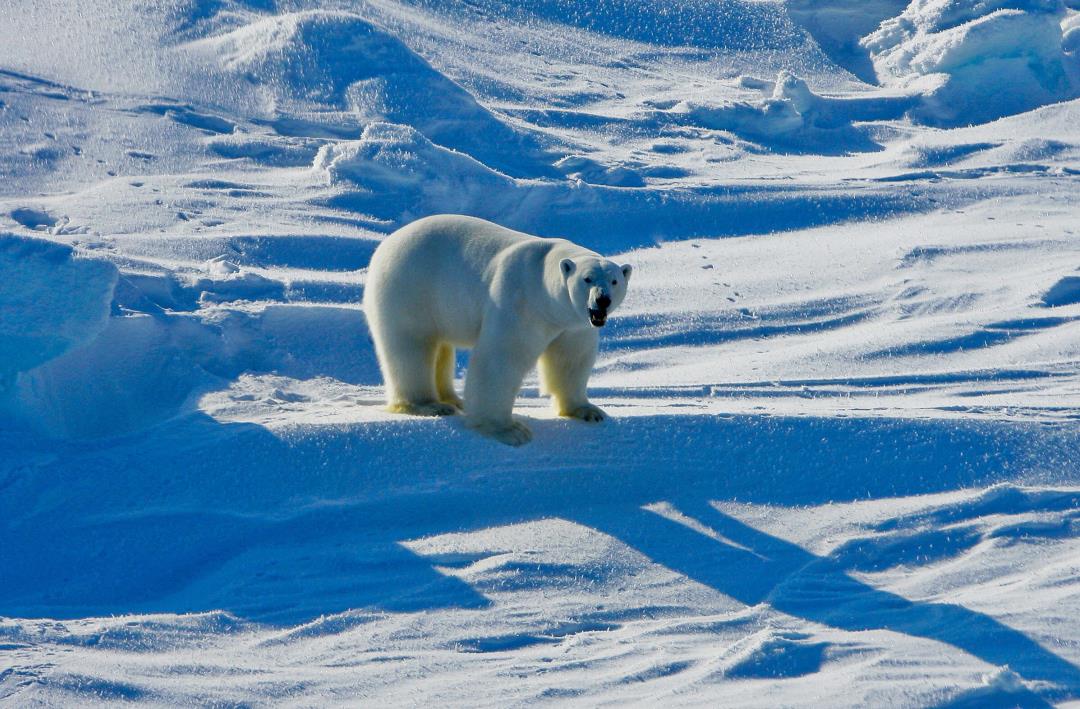
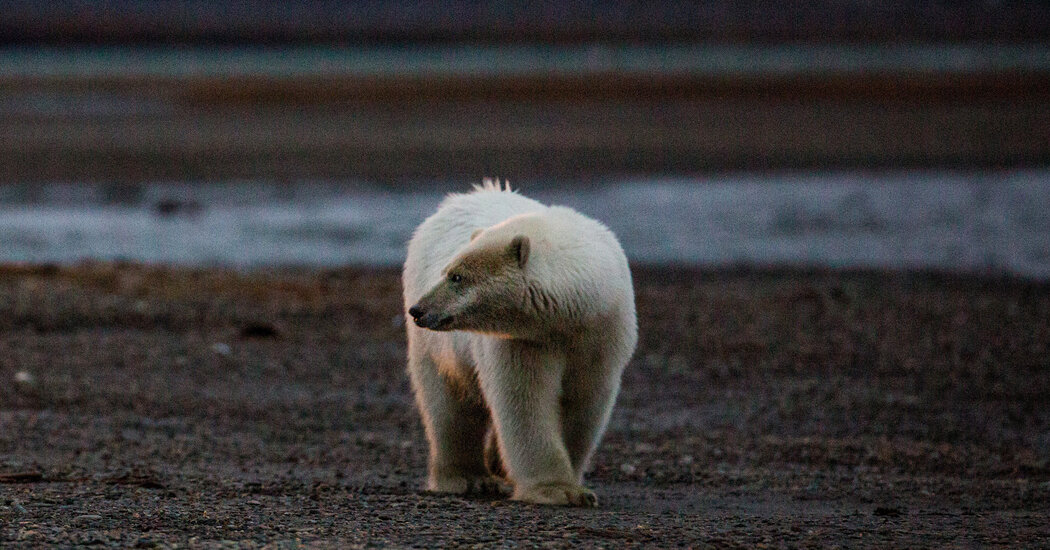
The highly pathogenic avian influenza strain H5N1 has been detected in a dead polar bear in Alaska, marking the first known case in the species. This discovery adds polar bears to the growing list of mammals infected by the virus, which has caused a global outbreak affecting various species and has now reached every continent except Australia. The polar bear's infection is particularly concerning given the species' already vulnerable status.
A polar bear in Alaska has died from a highly pathogenic form of H5N1 bird flu, marking the first known case in the species. The virus, which has spread globally since 2020, has infected a wide range of wild birds and mammals but has not caused significant die-offs in most wild mammal populations. The polar bear's infection adds to concerns about the impact of the virus on vulnerable species, particularly as the polar bear is already threatened by climate change. The mode of transmission to the polar bear is uncertain, and it is unclear if other polar bears have been infected, posing challenges for wildlife monitoring in remote regions.