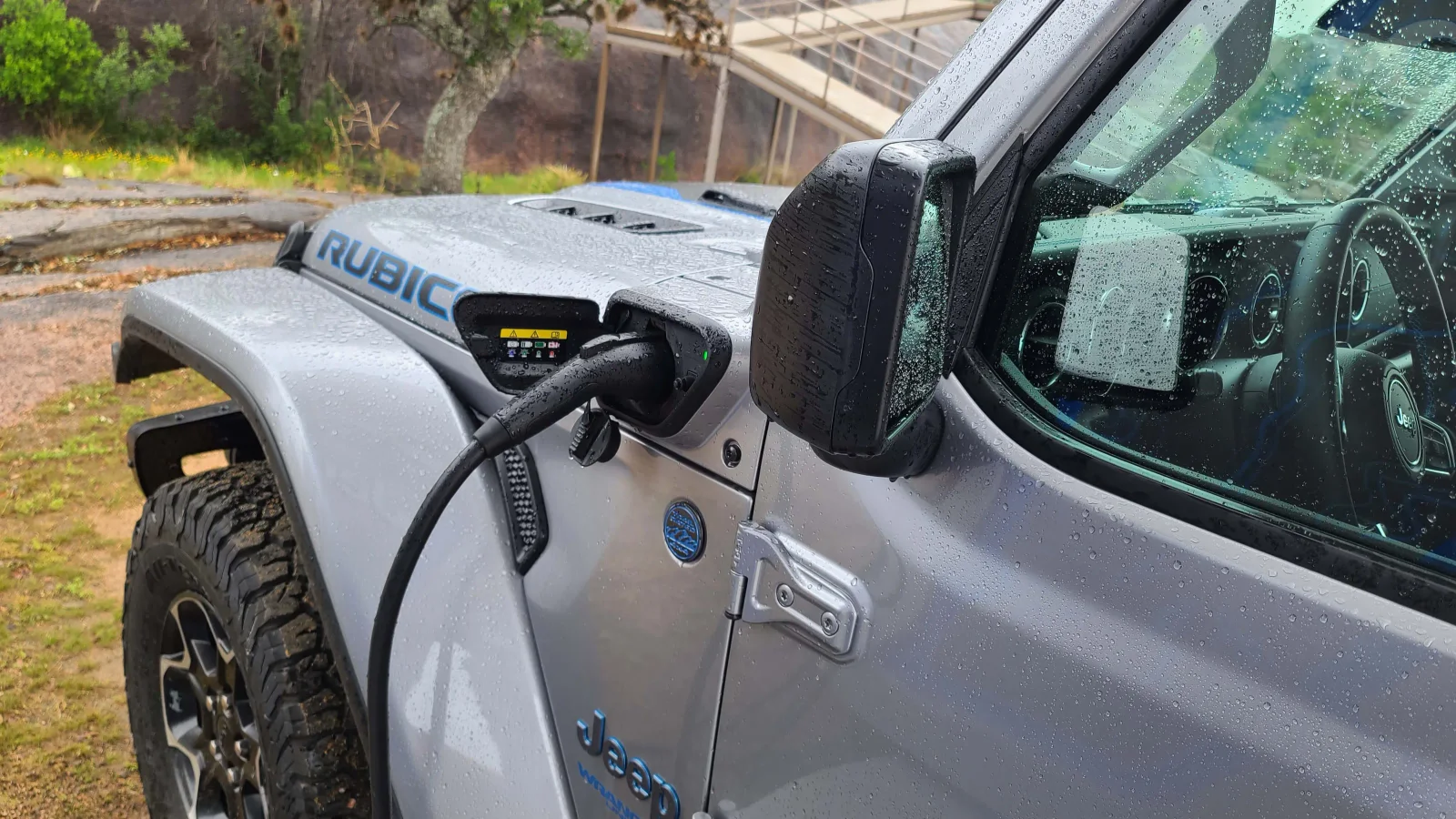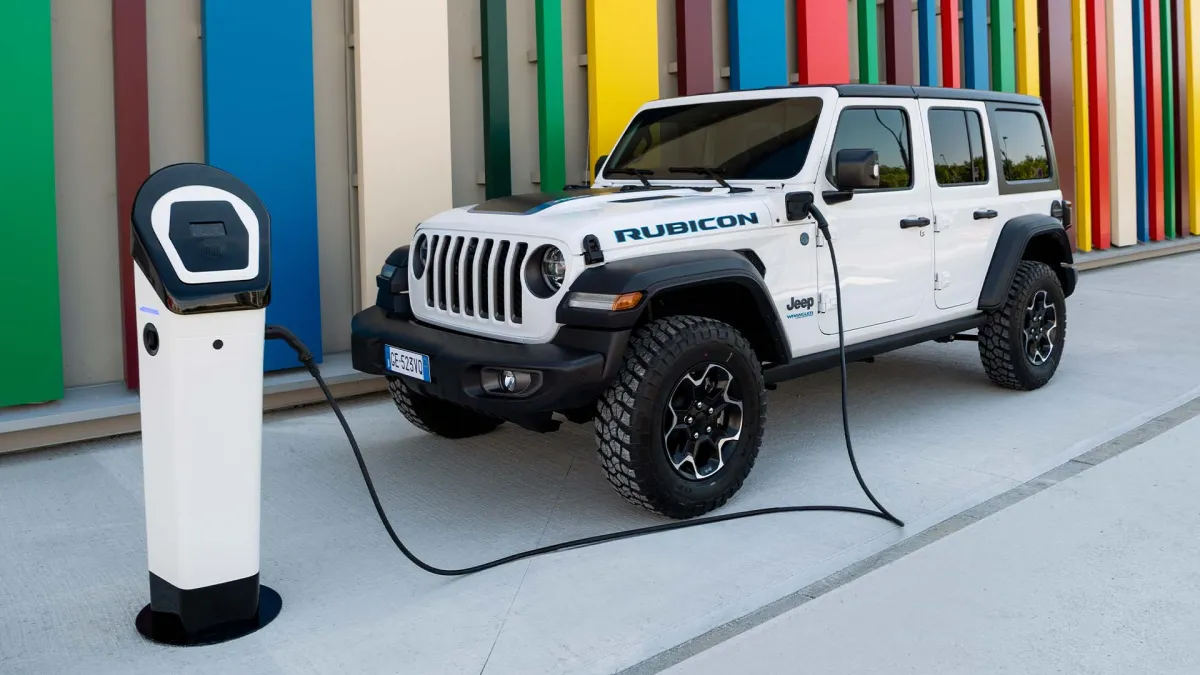
Jeep and Chrysler will cease production of their plug-in hybrid models starting with the 2026 model year as Stellantis shifts focus to other hybrid technologies like mild hybrids and range-extended vehicles, citing changing customer demand and regulatory environments.
Jeep and Chrysler have officially discontinued all their plug-in hybrid models in the U.S., including the Wrangler 4xe and Grand Cherokee 4xe, as Stellantis shifts focus to range-extended and hybrid solutions instead of PHEVs, with the phase-out beginning after the 2025 model year.
Stellantis is recalling over 300,000 Jeep plug-in hybrids in North America due to a fire risk linked to defective high-voltage batteries, which could cause fires when parked or driving. Owners are advised to park outdoors and avoid charging until repairs are completed, as the issue involves separator damage in lithium-ion cells that can lead to thermal runaway. The recall affects Jeep Wrangler 4xe and Grand Cherokee 4xe models from 2020-2026, with no current fix available.
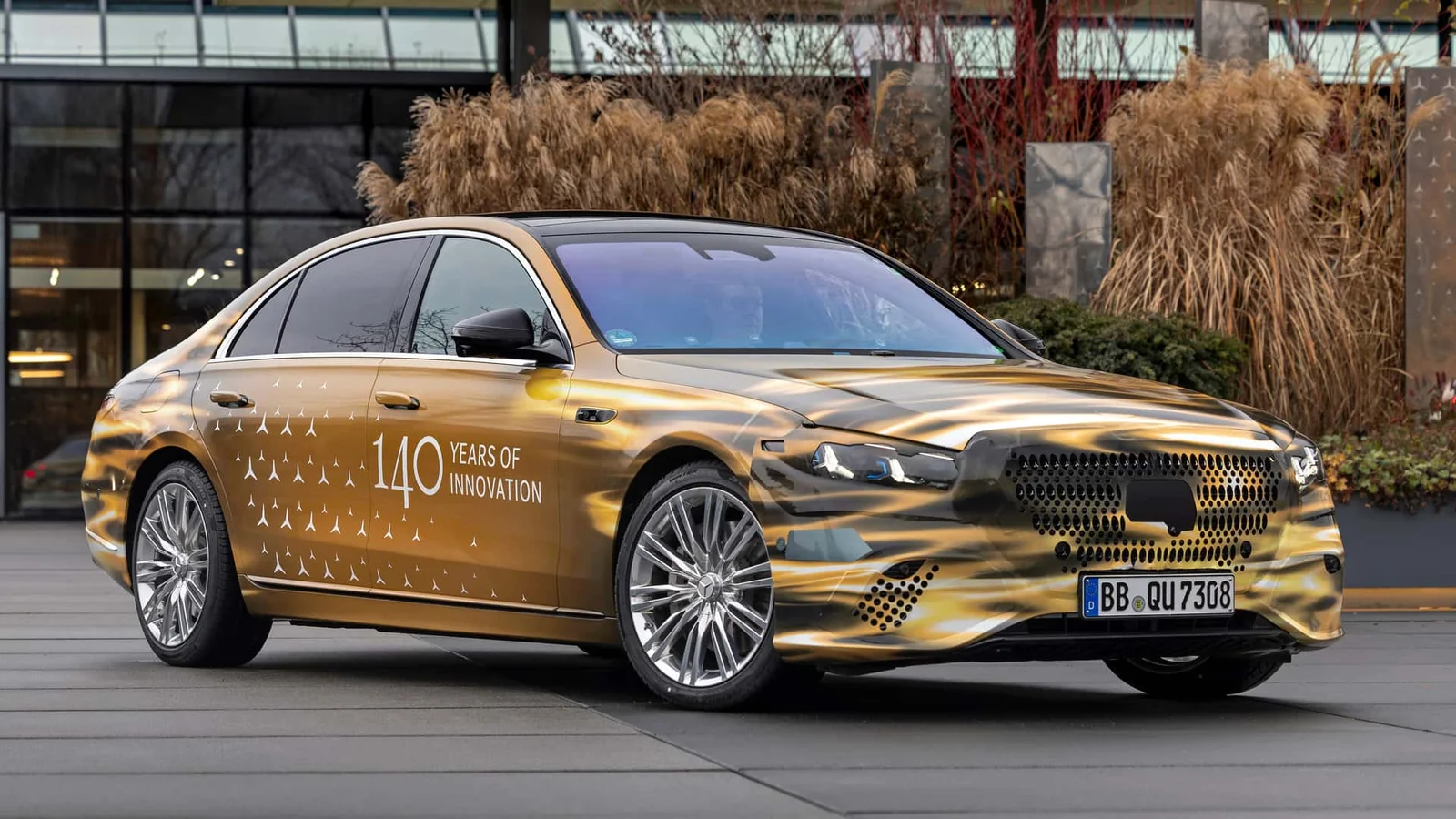
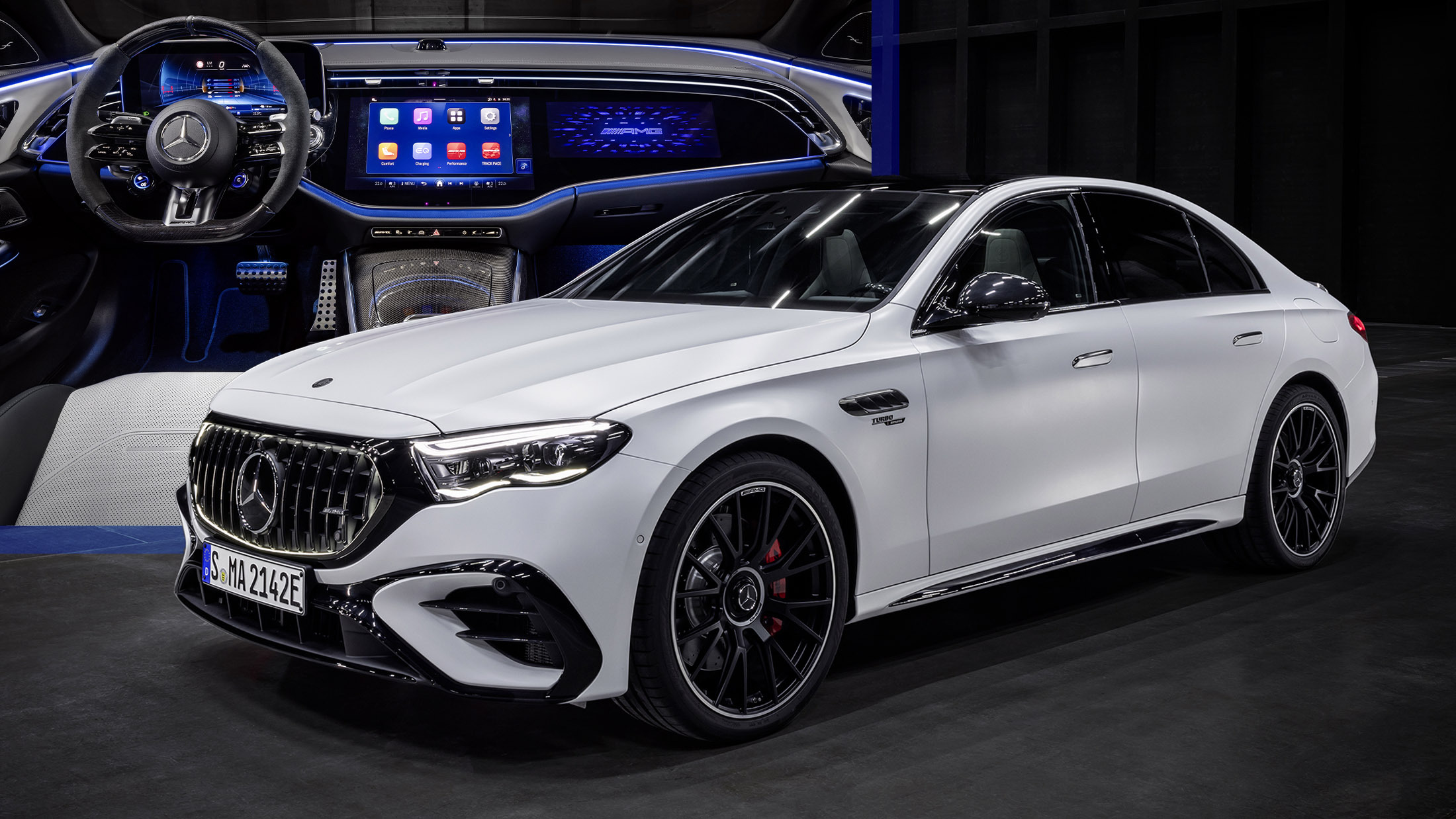
Mercedes-AMG has unveiled the E53 Hybrid 4Matic+, a performance-focused version of the E-Class W214 with up to 603 hp and a plug-in hybrid powertrain. The sedan can accelerate from 0-100 km/h in 3.8 seconds with the optional AMG Dynamic Plus Package, and features a 3.0-litre six-cylinder engine combined with a single electric motor. The PHEV system allows for electric-only driving and offers a zero-emission range of 56-63 miles. The car comes with AMG-related features, a distinctive design, and will soon be available to order in Europe, with the sedan reaching US dealers later this year.
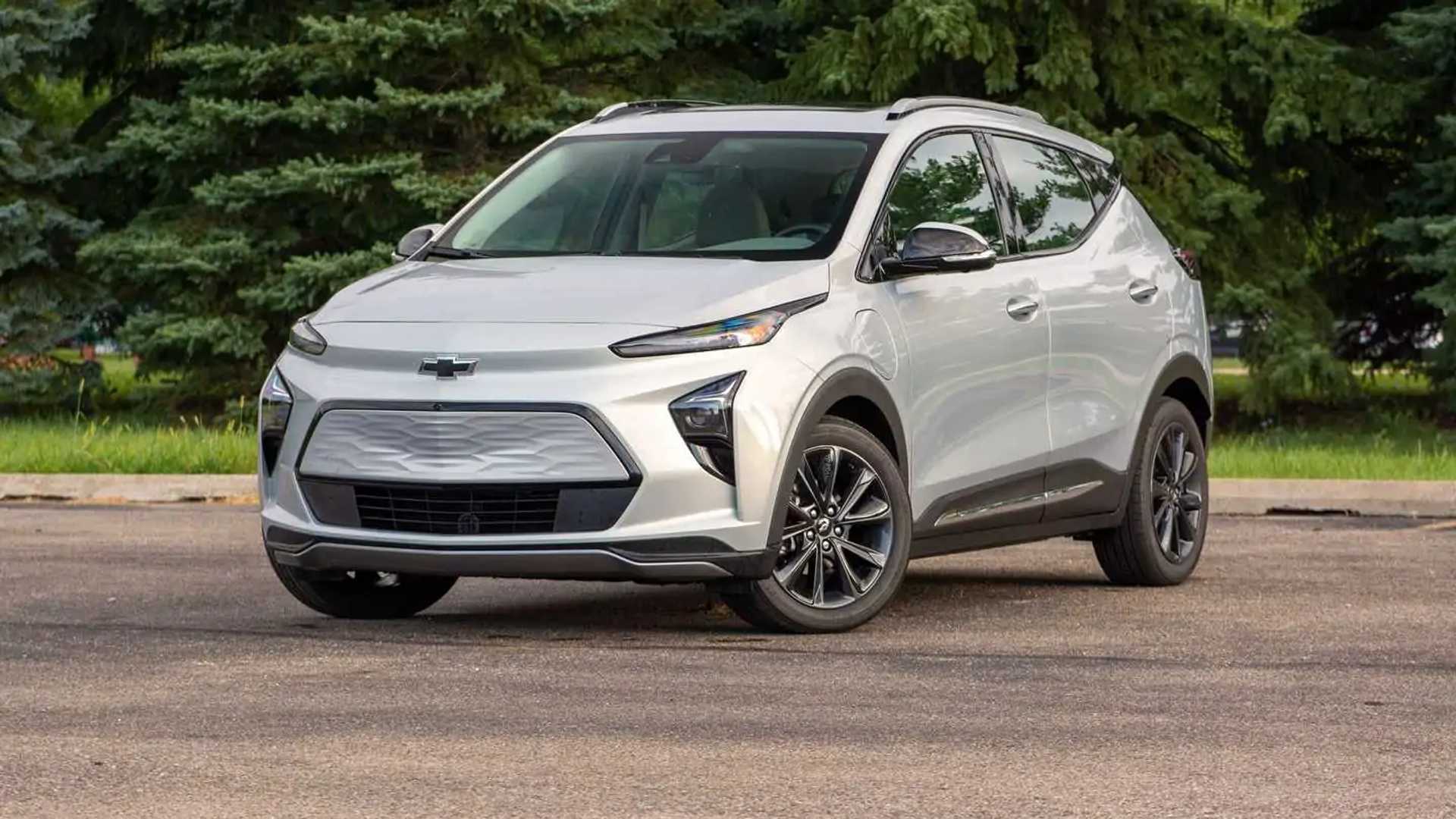
Despite the high initial cost of electric and plug-in hybrid vehicles, there is a growing inventory of used models that offer a more affordable option for buyers. Some recommended used EVs and PHEVs include the BMW 330e/330e xDrive, BMW iX xDrive50, Chevrolet Bolt and Bolt EUV, Chrysler Pacifica Hybrid, Nissan Leaf, Tesla Model 3, Toyota Prius Prime, and Volvo XC90 T8/Recharge, with prices ranging from $15,000 to $80,000. These used models often come with a federal tax credit of up to $4,000, making them a more attractive option for buyers.
GM CEO Mary Barra confirmed plans to bring plug-in hybrid options to North America in response to more stringent fuel economy and tailpipe emission standards, with the company aiming to comply in a capital and cost-efficient manner by leveraging existing technology. This move comes as the Biden administration pushes for significant reductions in vehicle fuel consumption and tailpipe emissions, with GM committed to eliminating tailpipe emissions from its light-duty vehicles by 2035 while acknowledging the importance of deploying plug-in technology in strategic segments to deliver environmental benefits as the nation builds its charging infrastructure.
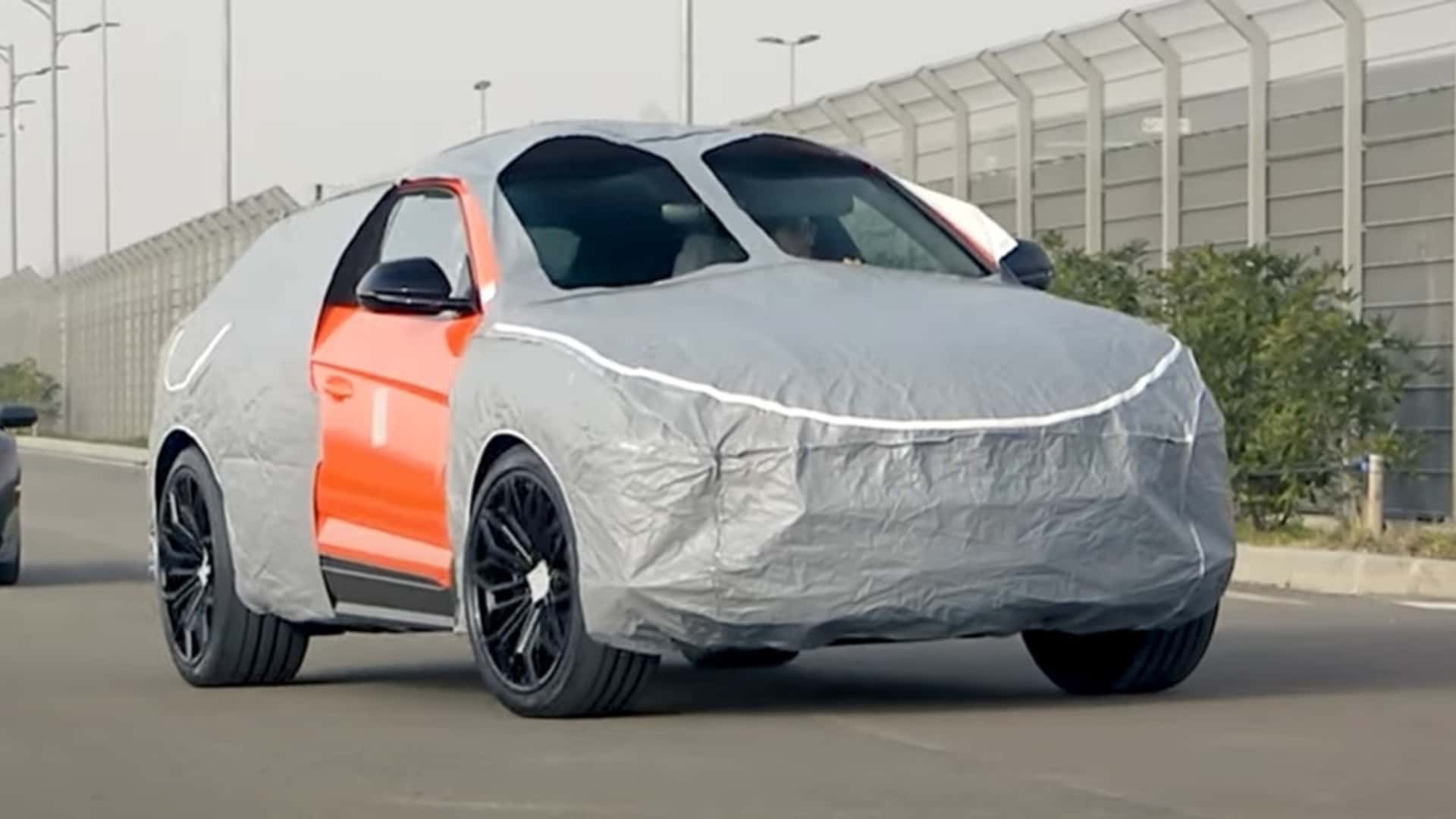
Lamborghini is preparing to launch a plug-in hybrid version of its popular Urus SUV, with a prototype sporting a unique and eye-catching camouflage. The electrified Urus is expected to feature an electrified version of Volkswagen Group’s 4.0-liter V8, potentially surpassing the 729 horsepower and 700 pound-feet of torque found in the Porsche Cayenne Turbo E-Hybrid. The company is currently wrapping up production of the last ICE models, with the plug-in Urus set to debut later this year as part of Lamborghini's broader electrification strategy.
Mercedes-AMG has unveiled the 2024 SL63 S E Performance, the first plug-in hybrid (PHEV) droptop from Mercedes and the most powerful SL ever. It features a twin-turbo 4.0-liter V8 engine paired with a 6.1-kWh battery pack and an electric motor, delivering a total output of 805 hp and 1,047 lb-ft of torque. The SL63 S E Performance can accelerate from 0 to 60 mph in just 2.8 seconds and offers all-wheel drive capabilities. It also boasts advanced regenerative braking, carbon-ceramic brakes, rear-wheel steering, and various drive modes. The vehicle is expected to go on sale in the U.S. in 2023 with a starting price above $200,000.
Porsche is set to debut the 2024 Panamera today, featuring an evolutionary exterior design and a thoroughly modernized interior. The new Panamera will offer a choice between four plug-in hybrid powertrains, with larger battery packs for increased all-electric range and a more powerful electric motor. There will also be V6 versions available, and all combustion engines will meet the forthcoming Euro 7 standard. Porsche estimates that over 80 percent of its annual deliveries will be EVs by 2030, making this the final Panamera with combustion engines.
Toyota is rumored to be developing a high-performance variant of the Prius, potentially under the GRMN badge. The speculated model is expected to feature a modified 2.0L plug-in hybrid powertrain producing over 300 hp, along with aerodynamic and chassis enhancements. The Gazoo Racing division is likely to work on the suspension, braking system, and platform rigidity. Styling cues may be taken from the Toyota GR Prius Concept, with sportier bumpers, side skirts, a rear wing, and larger wheels. The debut of this high-performance Prius model is anticipated in 2024.
BMW has confirmed the upcoming release of the G99 M5 Touring, an electrified all-wheel-drive plug-in hybrid wagon. While details about the powertrain are still speculative, it is expected to feature a version of the 4.4-liter S68 hot-vee twin-turbocharged V8 found in the plug-in hybrid XM. The weight of high-output plug-in hybrids is a concern for performance, but BMW claims the new M5 Touring will offer "uncompromising long-distance comfort." The interior is expected to resemble the regular 5 Series, with added M features and advanced technology. There is a possibility that the G99 M5 Touring will be available in the United States to compete with other muscle wagons like the Audi RS6 Avant and Porsche Panamera Sport Turismo.
BMW is testing a heavily camouflaged X3 with a plug-in hybrid powertrain, confirmed by the "Electrified Vehicle" stickers and charging port. The new X3 is expected to have several hybridized powertrain options, including mild-hybrids for Europe and a plug-in hybrid variant called X3 xDrive 30e. The design is expected to follow the X1's aggressive face and sharper lines, with a single-screen layout inside. The new X3 is expected to arrive in the final quarter of this year.
The BMW XM is a luxury performance SUV that merges luxury with the latest technology. It is a plug-in hybrid with an electric-only range of about 30 miles. The XM is quick and nimble for its size, and the sport seats offer a far better long-term driving experience than what is found in some other luxury vehicles. The back seat is comfortable and nap-certified. The XM is a bold expression from BMW that it can merge luxury with the latest technology.
Lamborghini's new flagship hypercar, the Revuelto, features a naturally aspirated V12 engine that generates 814 hp and is enhanced by a plug-in hybrid system composed of a 3.8 kWh battery and three electric motors. The hybrid system is designed to improve the V12's performance and character, rather than replace it. The Revuelto is not your average hybrid, as the benefits of the hybrid system remain even after the battery is depleted.
Toyota is set to launch its latest plug-in hybrid model, the 2023 Prius Prime, in American showrooms next month. The company is betting on plug-ins as a bridge between traditional cars and electric vehicles. Plug-in hybrids can drive primarily on batteries, making them the closest thing to a full EV on the road. Other global brands, including Ford and Hyundai, are also rolling out new plug-in hybrid gas-electric cars.