The article reviews the best shoes for plantar fasciitis, emphasizing the importance of proper support, cushioning, and fit, with expert recommendations for running, walking, wide feet, and recovery shoes to alleviate heel pain and promote pain-free walking and running.
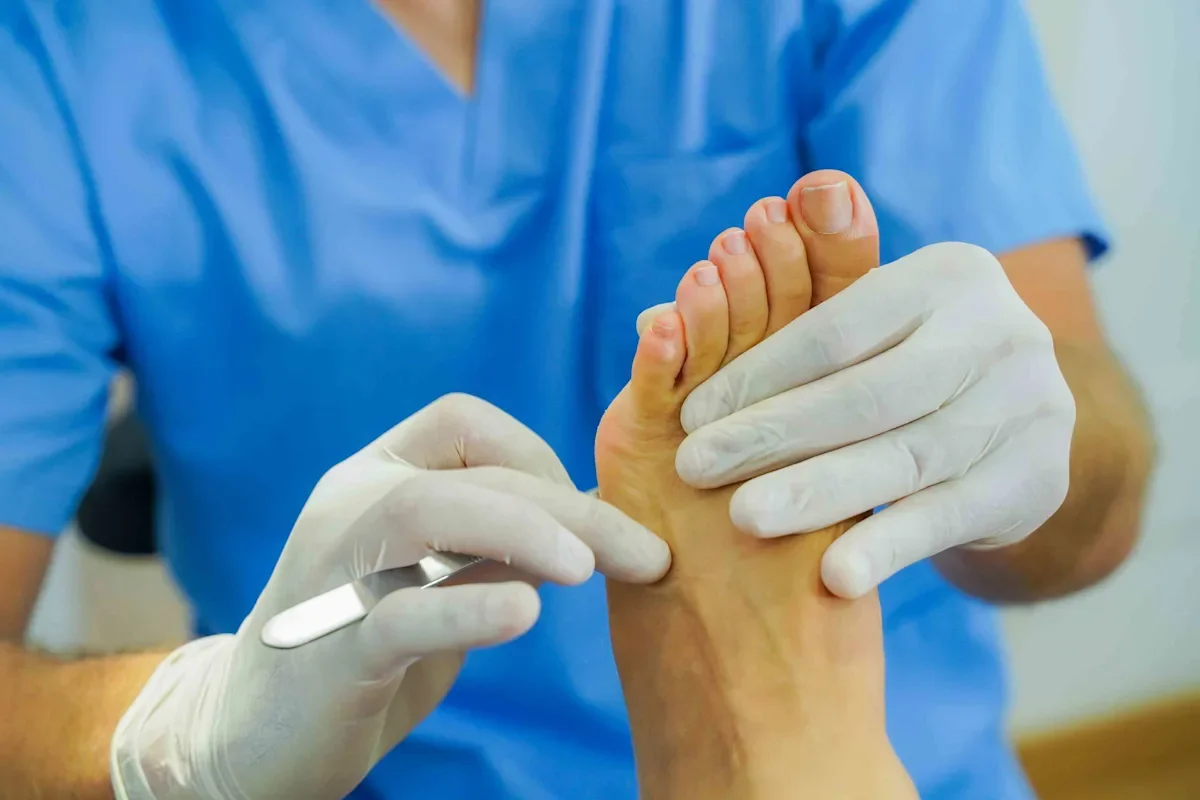
Plantar fasciitis, a painful inflammatory condition affecting the foot's arch-supporting ligament, can often be managed with over-the-counter products and rarely requires surgery. Podiatrists recommend understanding your specific foot type to determine the best treatment, and advise seeking professional help if pain persists for more than a few weeks.
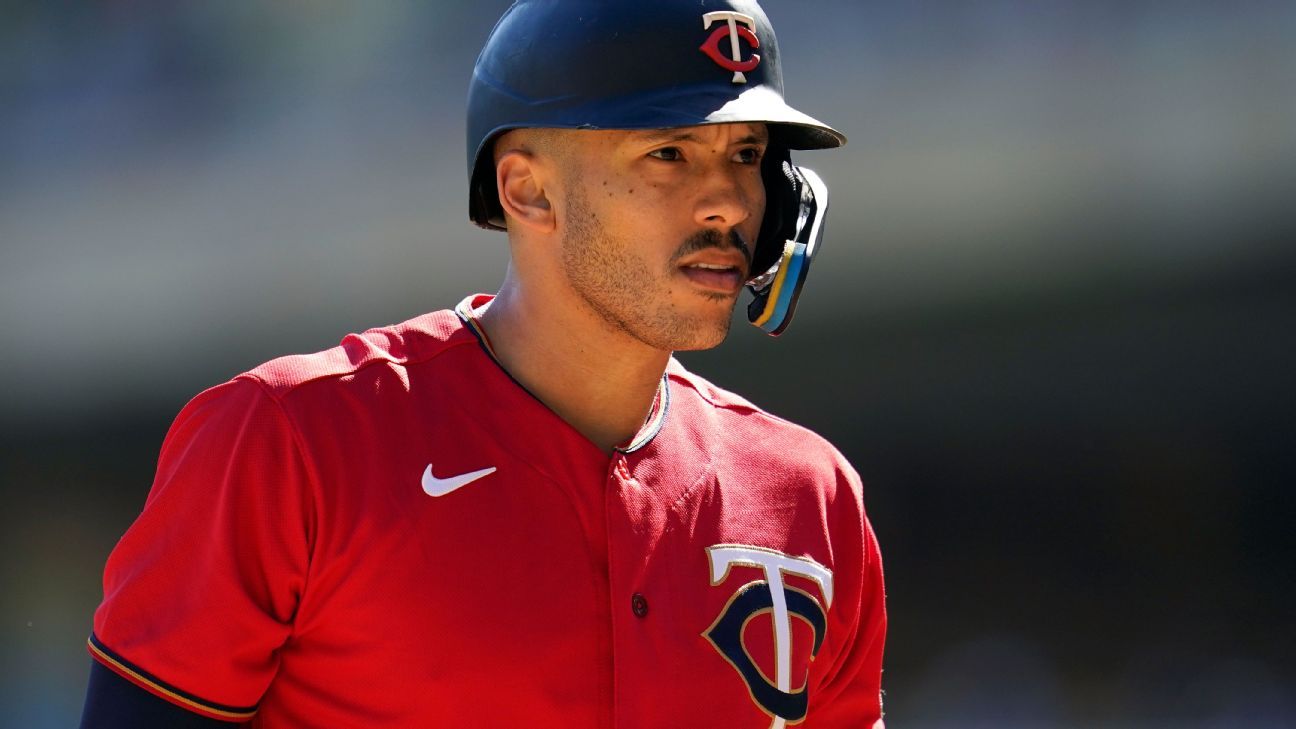
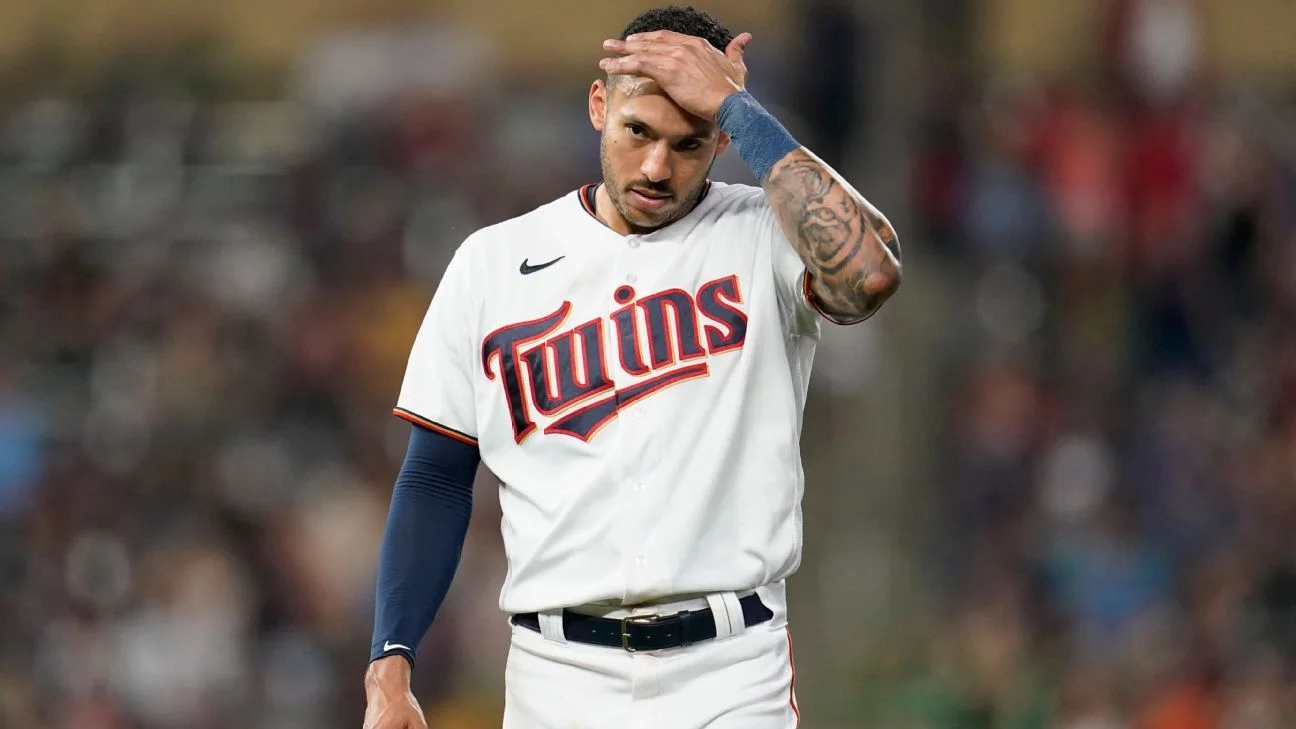
The Minnesota Twins have placed shortstop Carlos Correa on the 10-day injured list due to plantar fasciitis in his left foot. Correa aggravated the injury during a game against the Cincinnati Reds and will undergo testing, including an MRI. Twins rookie third baseman Royce Lewis is also considered day-to-day with a tight left hamstring. In a corresponding move, the Twins have recalled outfielder Trevor Larnach from Triple-A St. Paul.
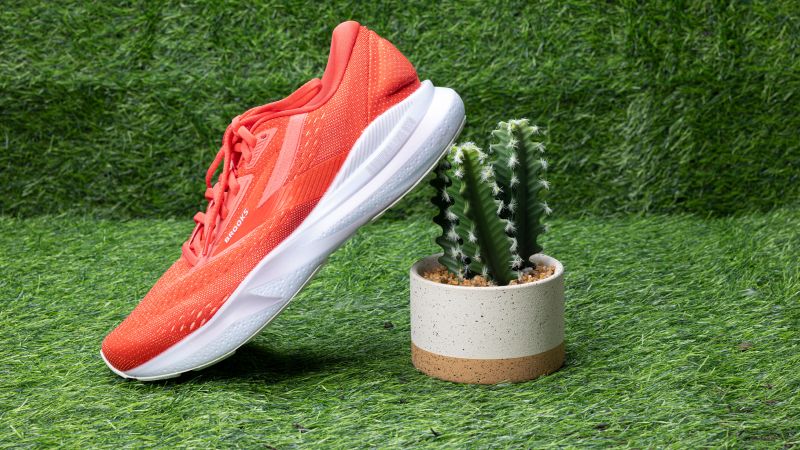
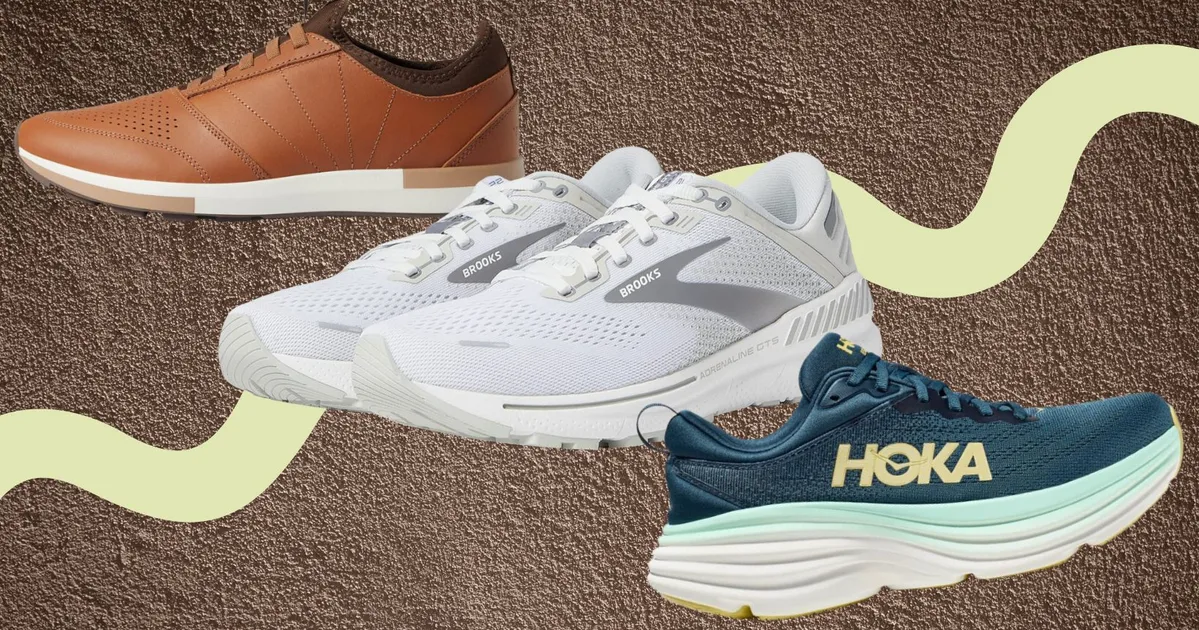
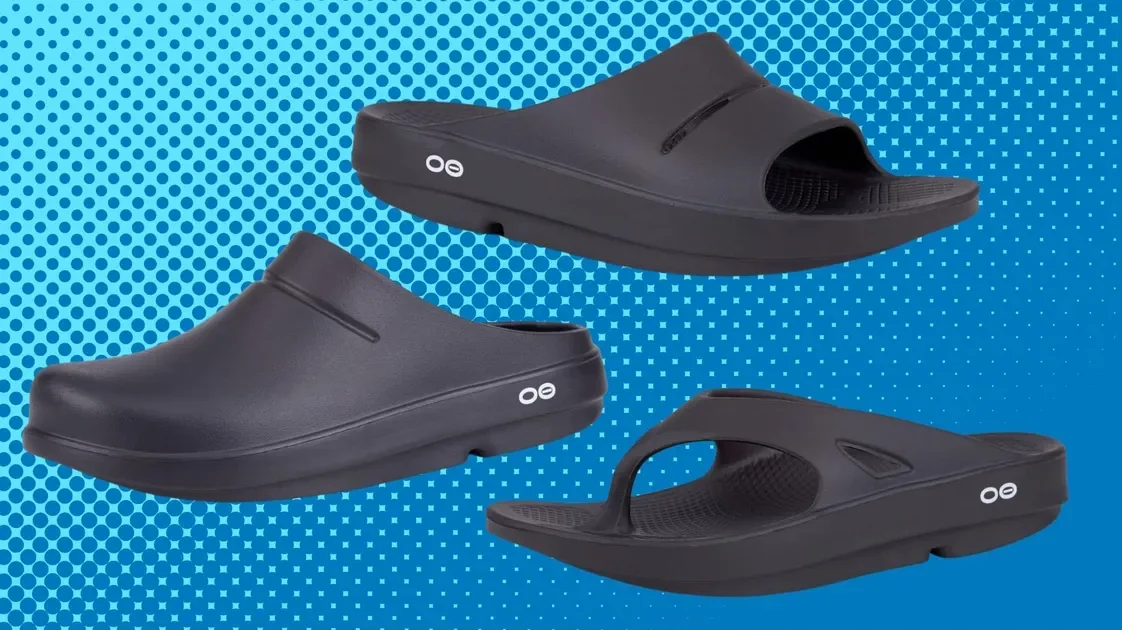
Podiatrists recommend shoes with arch support and reduced pressure on the inflamed tendon for those suffering from plantar fasciitis. Running shoes are often suggested, with motion control or stabilizing shoes for those with low arches, neutral shoes for those with average arches, and neutral or cushioned shoes for those with high arches. Brands such as Vionic, Asics, Saucony, Hoka, Oofos, Altra, Nike, New Balance, and Brooks offer options with orthotic-level support, stability, and comfort. Custom orthotics or inserts may also be necessary.
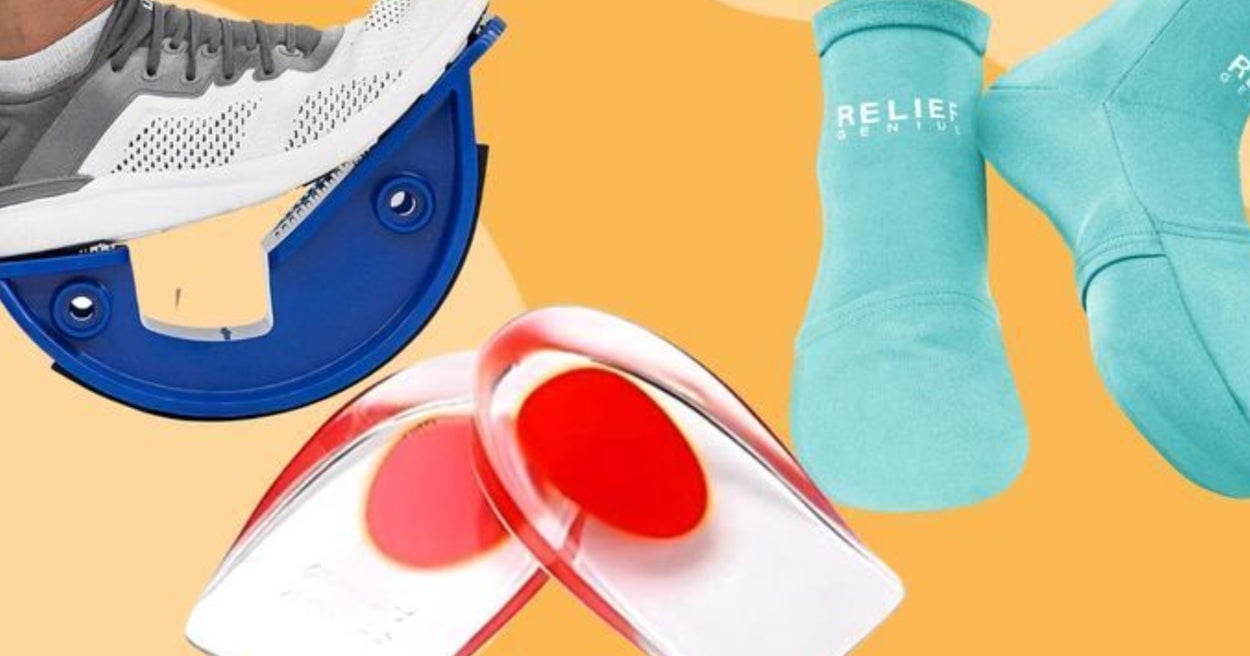
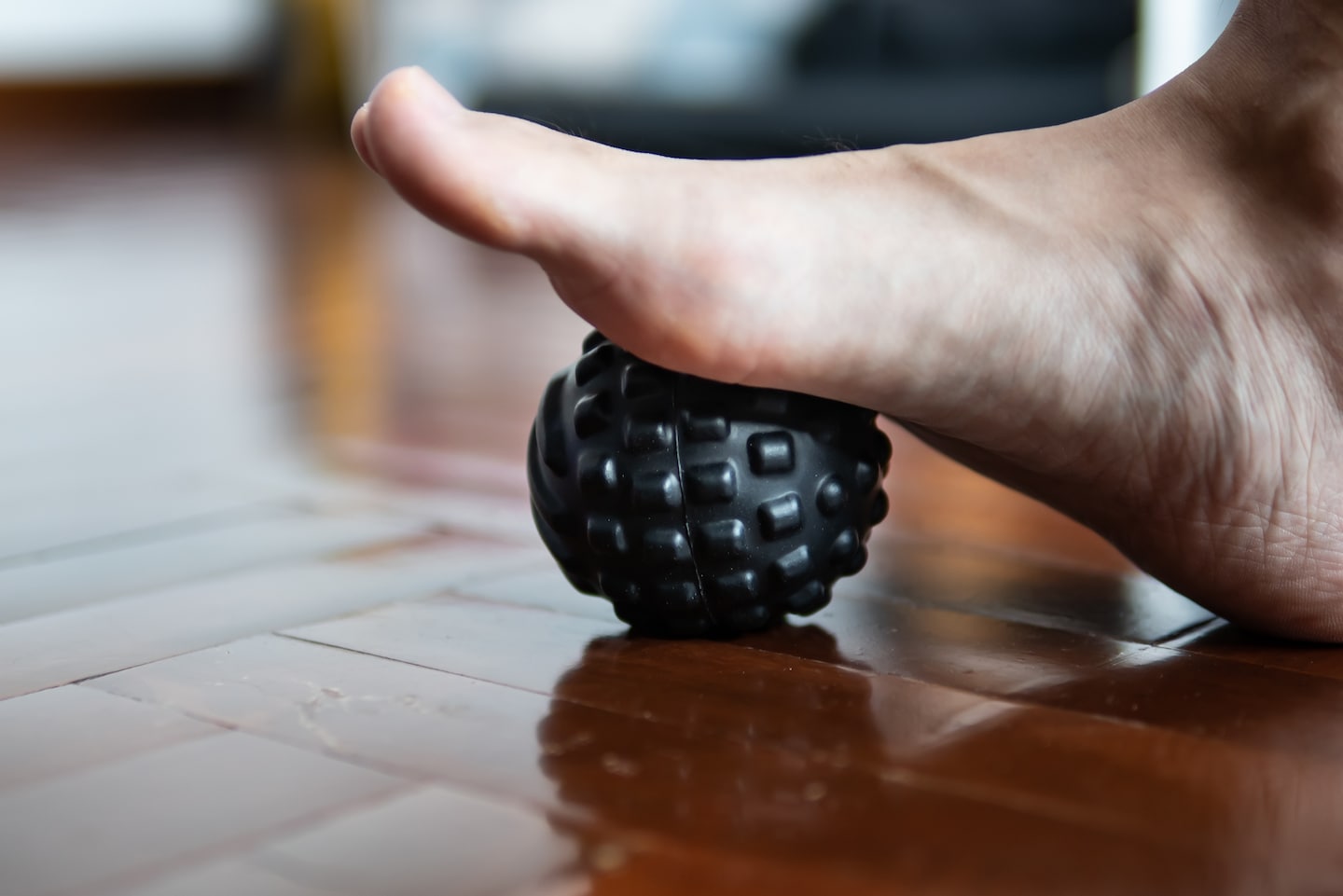
Plantar fasciitis is not just inflammation but also a mechanical failure that requires physical intervention. Resting the foot can lead to a longer recovery time. Stretching and applying tension to the foot's ligaments and muscles can help physically lengthen the ligament and encourage healing.
Plantar fasciitis can be treated with home remedies, lifestyle changes, medications, physical therapy, and other procedures such as extracorporeal shock wave therapy or radiofrequency ablation. The condition resolves in approximately 90% of people after conservative treatment. However, in severe cases, surgery may be required.
Minnesota Twins shortstop Carlos Correa may be placed on the injured list due to a muscle strain in the arch of his left foot and plantar fasciitis in his heel. An MRI confirmed the injuries, and manager Rocco Baldelli said that decisions regarding Correa's status will be made by Friday. Correa has not played in the last two games and has a batting average of .213 with six homers, 24 RBIs, and 14 runs scored in 44 games this season.
Plantar fasciitis is a common foot condition that causes pain and inflammation in the plantar fascia ligament. It can be caused by various factors, including weight, injury, and muscle degeneration. Treatment options include stretching, medication, ice, exercises, and proper footwear or orthotics. In severe cases, corticosteroid injections, shockwave therapy, and surgery may be necessary. It is important to connect with a physical therapist for proper stretching techniques and manual therapy.
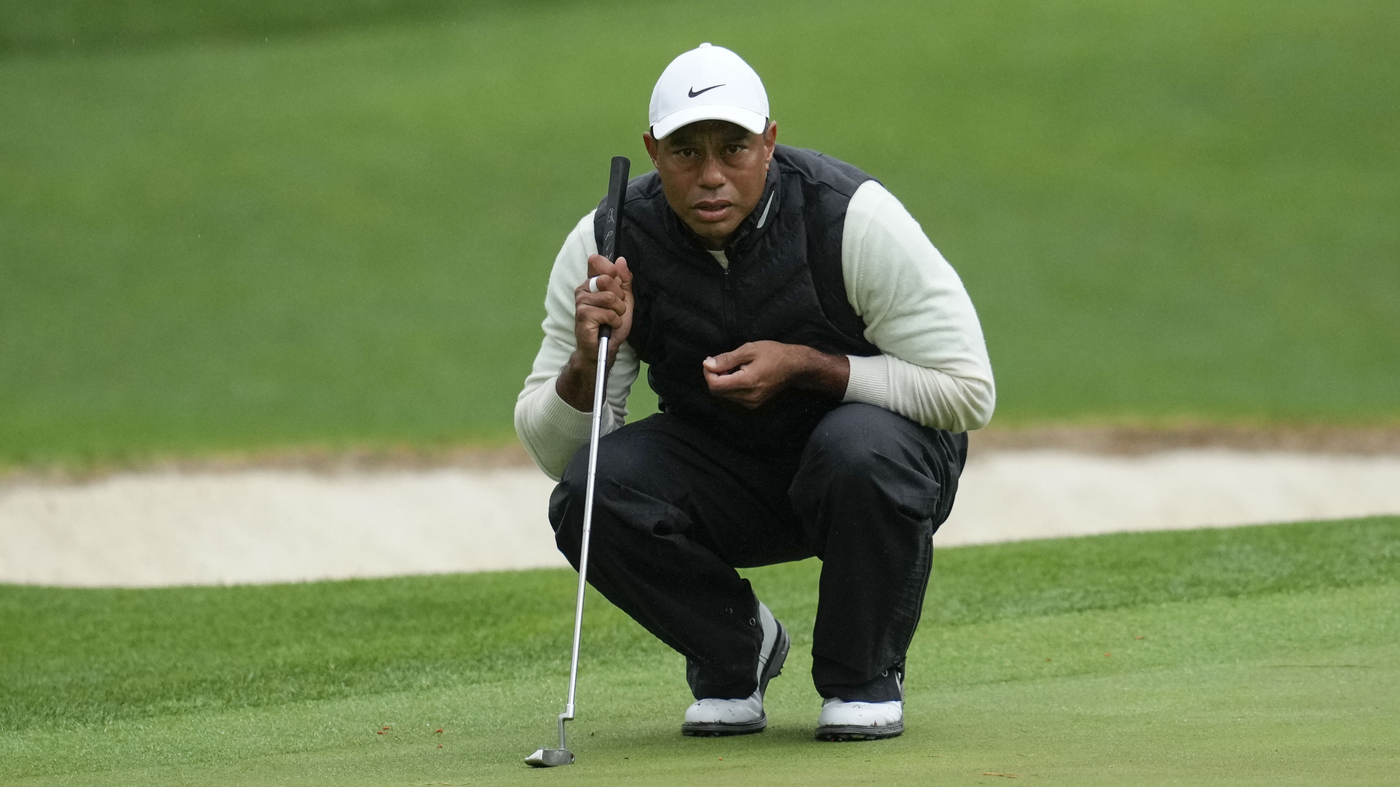
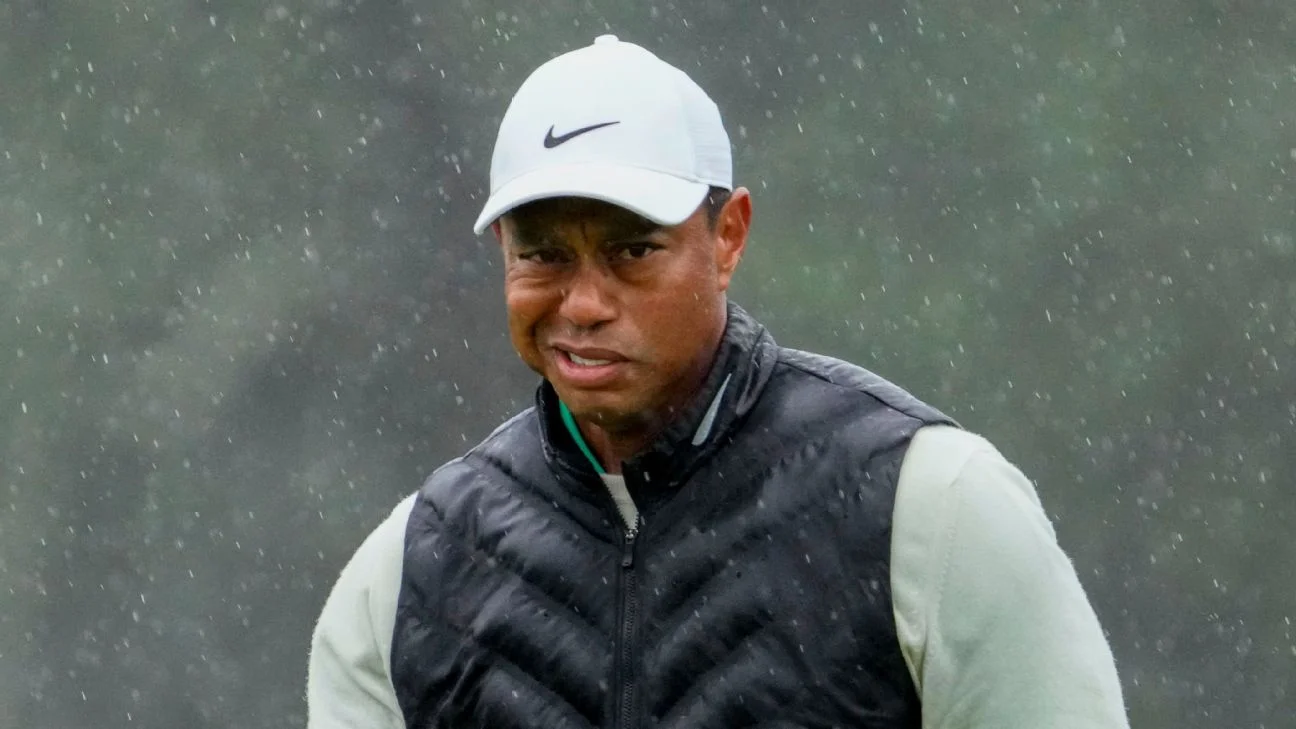
Tiger Woods has withdrawn from the Masters tournament due to a reaggravation of his plantar fasciitis. Woods completed seven holes of his third round on Saturday before play was called off due to inclement weather. The five-time Masters champion struggled through his third round of play, sinking two consecutive double bogeys and appearing to limp in video footage of the tournament on Saturday. Woods' withdrawal from the tournament comes two years after he returned to the sport in 2021 following a serious car accident earlier that year.
Tiger Woods withdrew from the Masters due to a foot injury caused by aggravating a previous plantar fasciitis injury in his right foot. He was limping badly during the third round in a downpour on Saturday and was 6-over through his first seven completed holes. Woods faced the prospect of finishing the 17th hole and playing 28 more holes Sunday. It is the second time in the past year that Woods has withdrawn from a major championship because of injury.
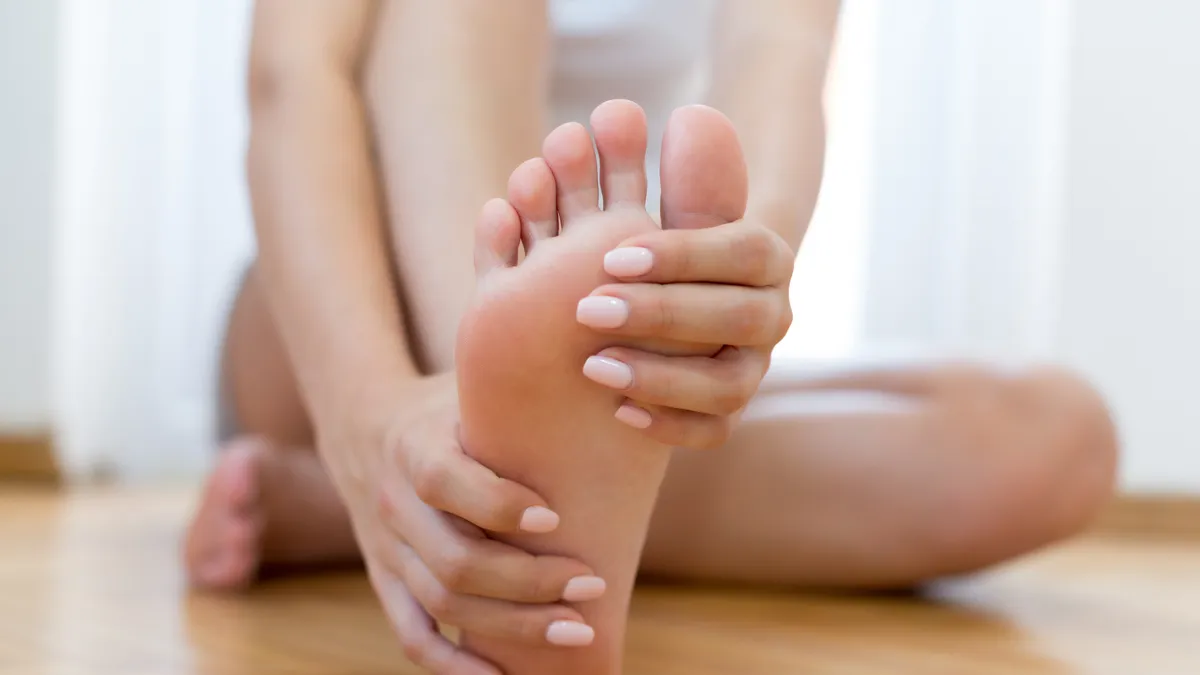
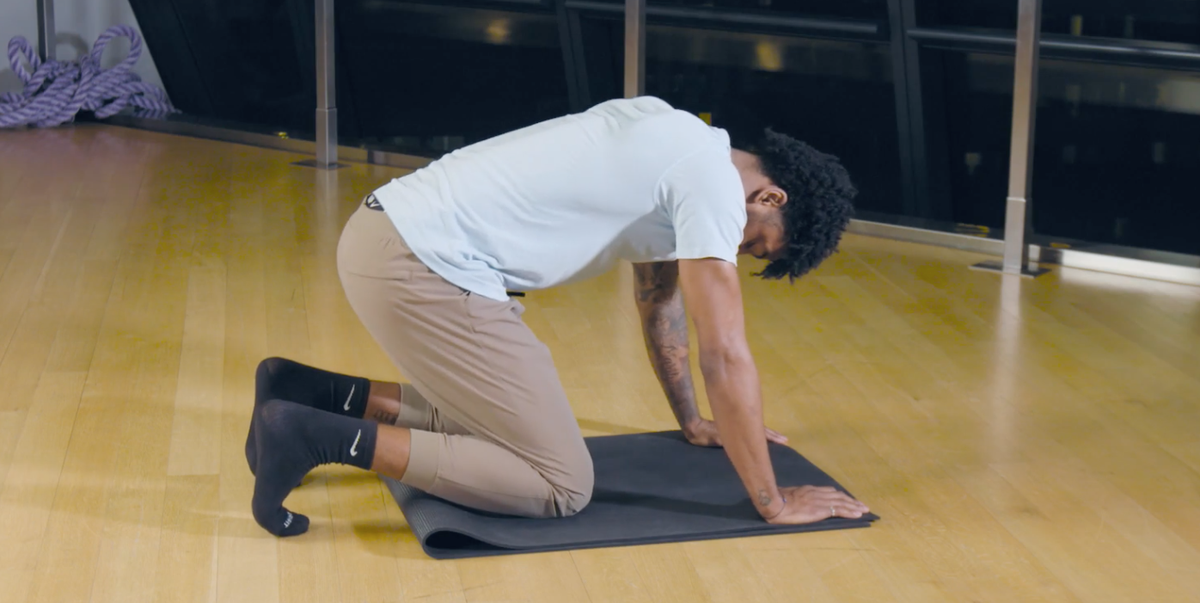
Plantar fasciitis is a common condition that causes pain on the bottom of the foot, making it difficult to walk, run, and stand. Physical therapist Andy Wang recommends four stretches to help relieve the pain and increase mobility, including the plantar fascia stretch, dynamic lunge, gastrocnemius stretch, and soleus stretch. These stretches can help loosen up the inflamed area and provide much-needed blood flow to the plantar fascia. It's important to not push past the point of pain when doing these stretches and to seek medical attention if symptoms worsen.