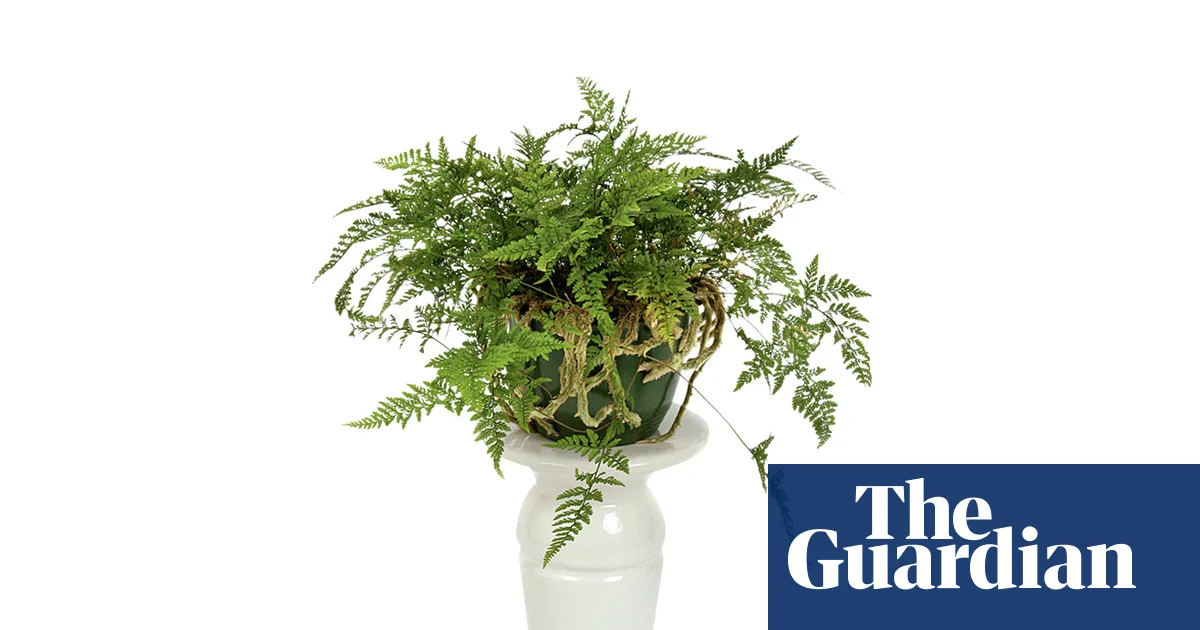
The brown lumps on the rabbit’s foot fern are likely scale insects, which can be treated with neem oil or insecticidal soap, and prevention involves quarantine, regular inspection, and maintaining good airflow.
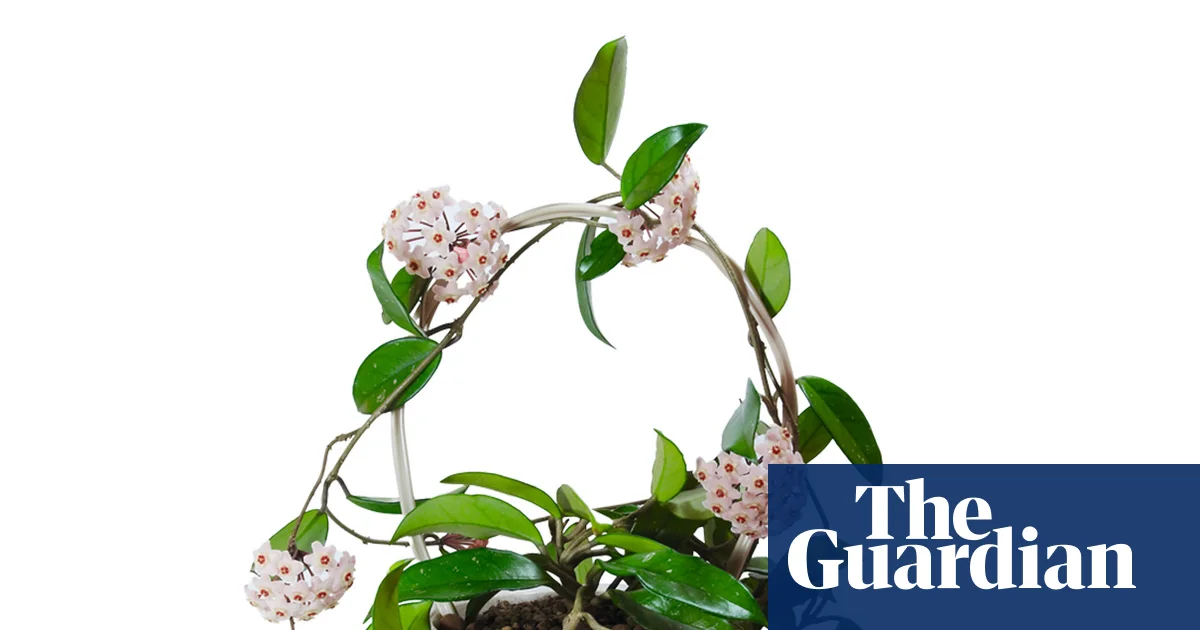
To encourage blooming in a wax plant (Hoya carnosa), allow the soil to dry out completely between waterings, limit fertilization, provide bright indirect sunlight, and introduce mild stress through slight temperature drops or sun-stressing techniques, as these conditions promote flowering.
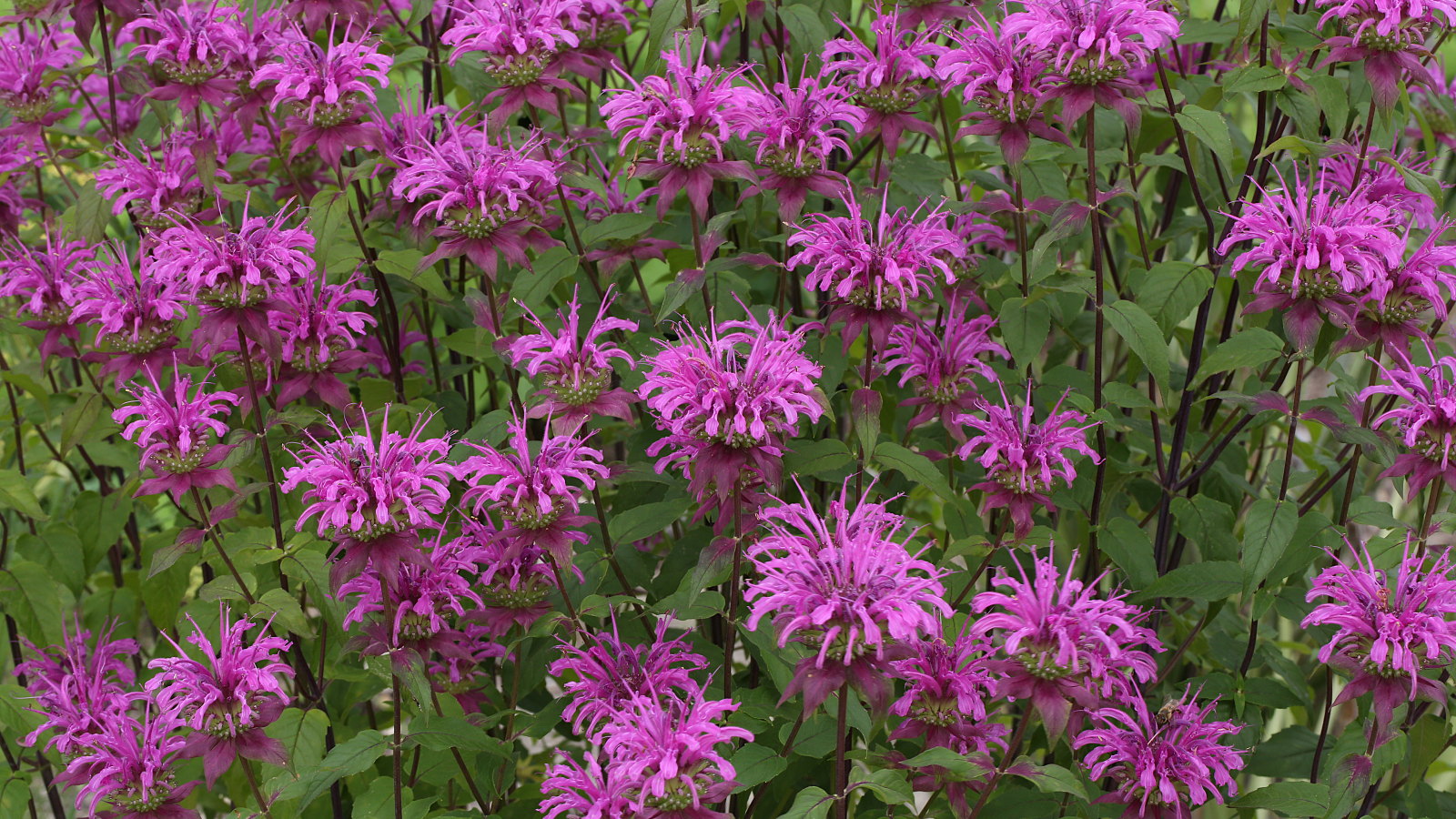
Deadheading bee balm throughout the summer prolongs its blooming period, keeps the plant neat, and promotes healthier growth by redirecting energy from seed production to new flower buds. It is best to deadhead regularly once flowers fade, using sharp pruning shears, and can also help prevent powdery mildew and unwanted reseeding. The process is simple and can be incorporated into regular garden maintenance for more vibrant and extended blooms.
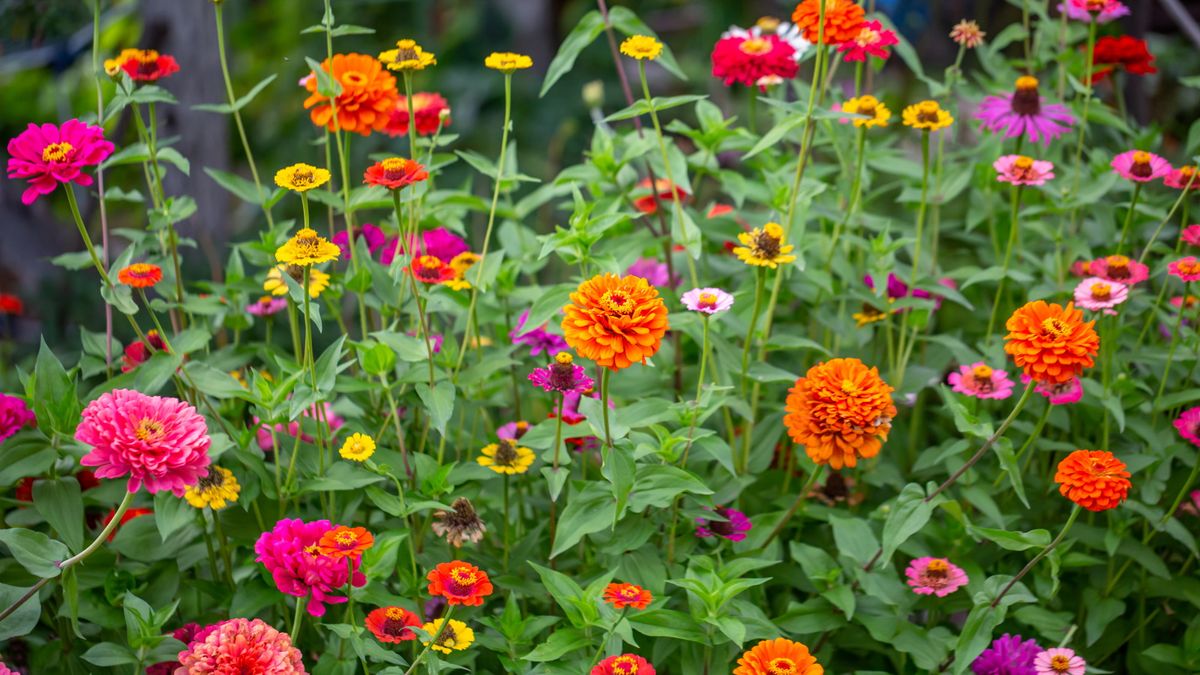
Pinching out the growing tips of zinnia plants is a proven technique to encourage bushy growth and increase flower production. This simple gardening task, best done when the plants are young and about 10 to 15 inches tall, helps maintain compact and floriferous plants, ensuring a vibrant display of blooms throughout the summer and fall.
When cultivating early blooming forsythia in your garden, it's crucial to select the right planting site with full sun and well-draining soil, choose varieties that are resilient to your climate, and avoid pruning at the wrong time. Forsythias require minimal care but thrive when their specific needs are met, and pruning should be done after flowering season and not in the fall. Additionally, selecting the right cultivar with buds that can withstand your climate's temperature drop is essential for enjoying their radiant yellow blooms.
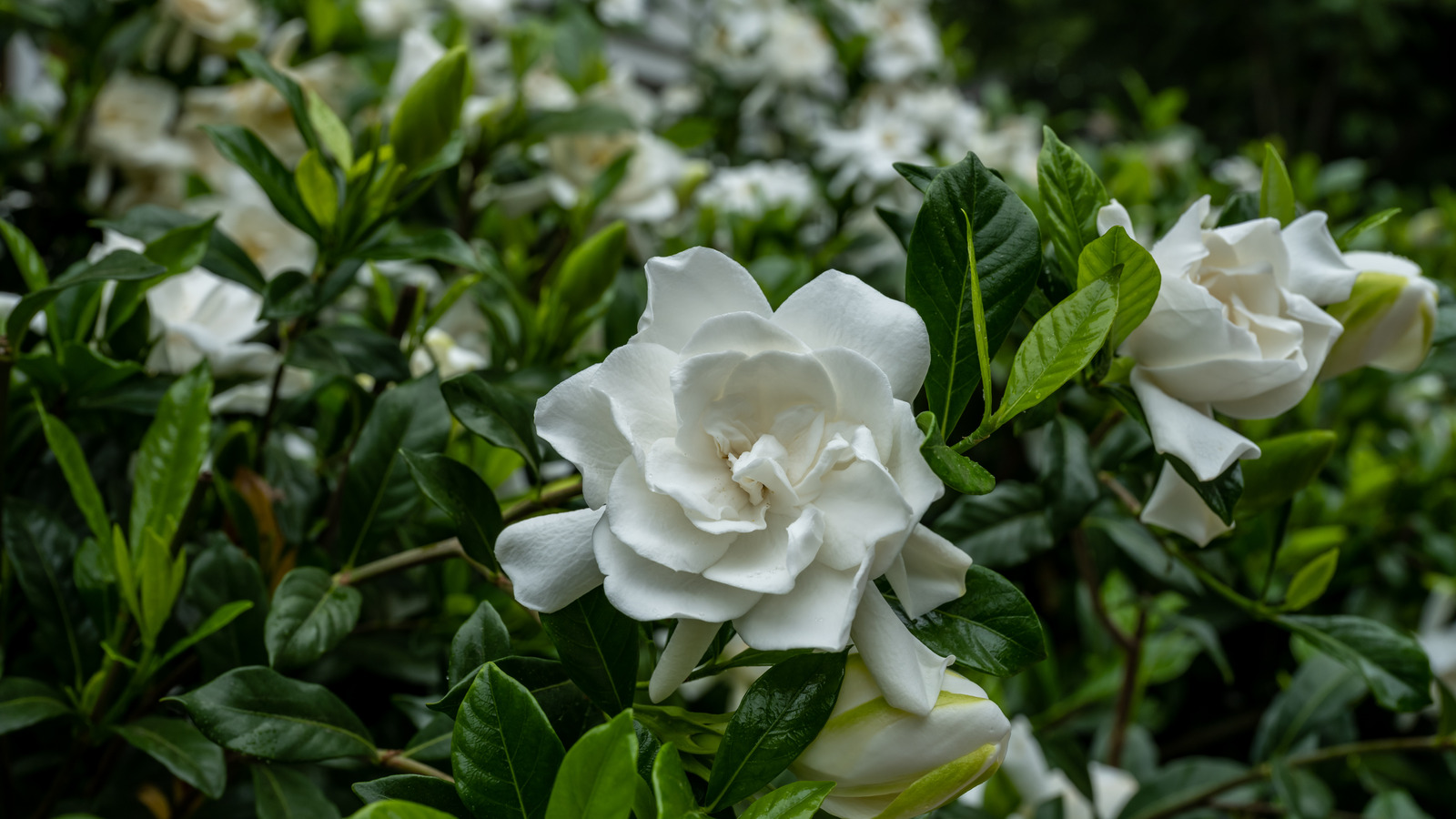
Gardenias thrive in acidic soil with a pH range of 5.0 to 6.5. If your gardenias are struggling due to alkaline soil, you can use vinegar to lower the pH level. Dilute one cup of vinegar in a gallon of water and apply the solution to the soil around the base of the plants. Vinegar not only helps maintain the optimal pH level but also prevents fungal infections, acts as a natural weed killer, deters pests, and enhances nutrient absorption for healthier growth and vibrant blooms.
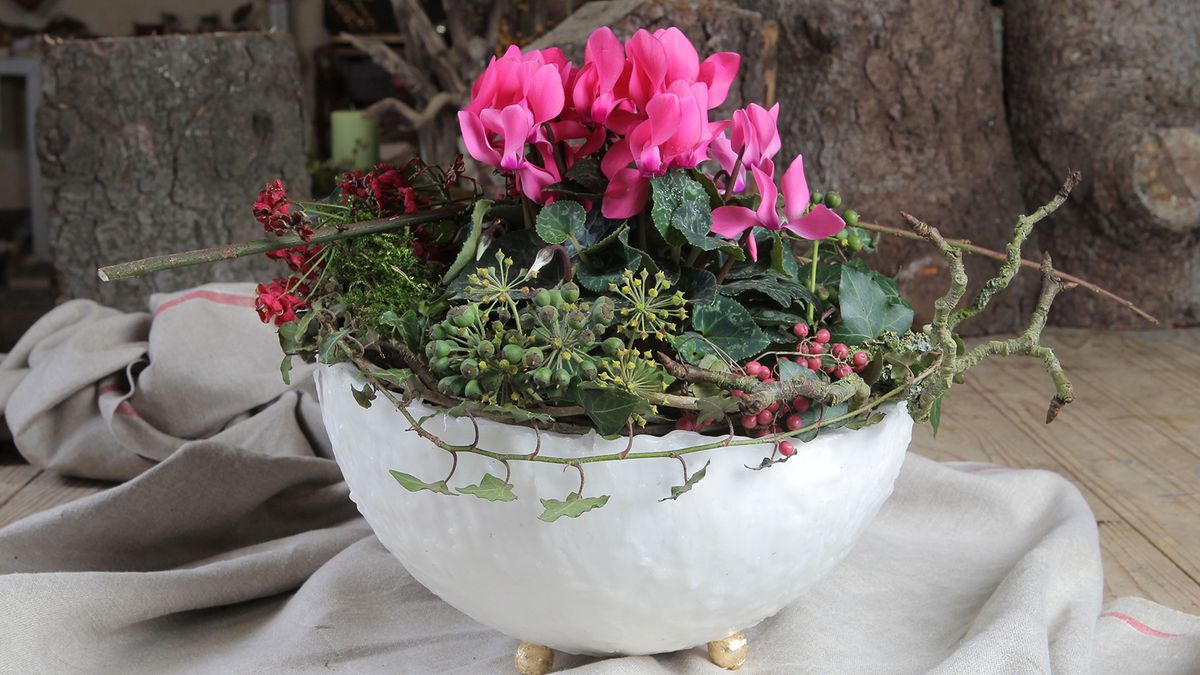
Indoor cyclamen are beautiful houseplants that can last from fall to spring with proper care. To ensure their longevity, find a cool spot away from direct sunlight and avoid hot spots in your home. Water cyclamen from the base to prevent fungal diseases and allow the soil to slightly dry between waterings. Use a balanced, water-soluble fertilizer every couple of weeks during the growing season. Deadhead wilted flowers to prevent mold and repot the cyclamen in fresh compost to encourage future flowering. With proper care, cyclamen can last several months and bloom again the following season.
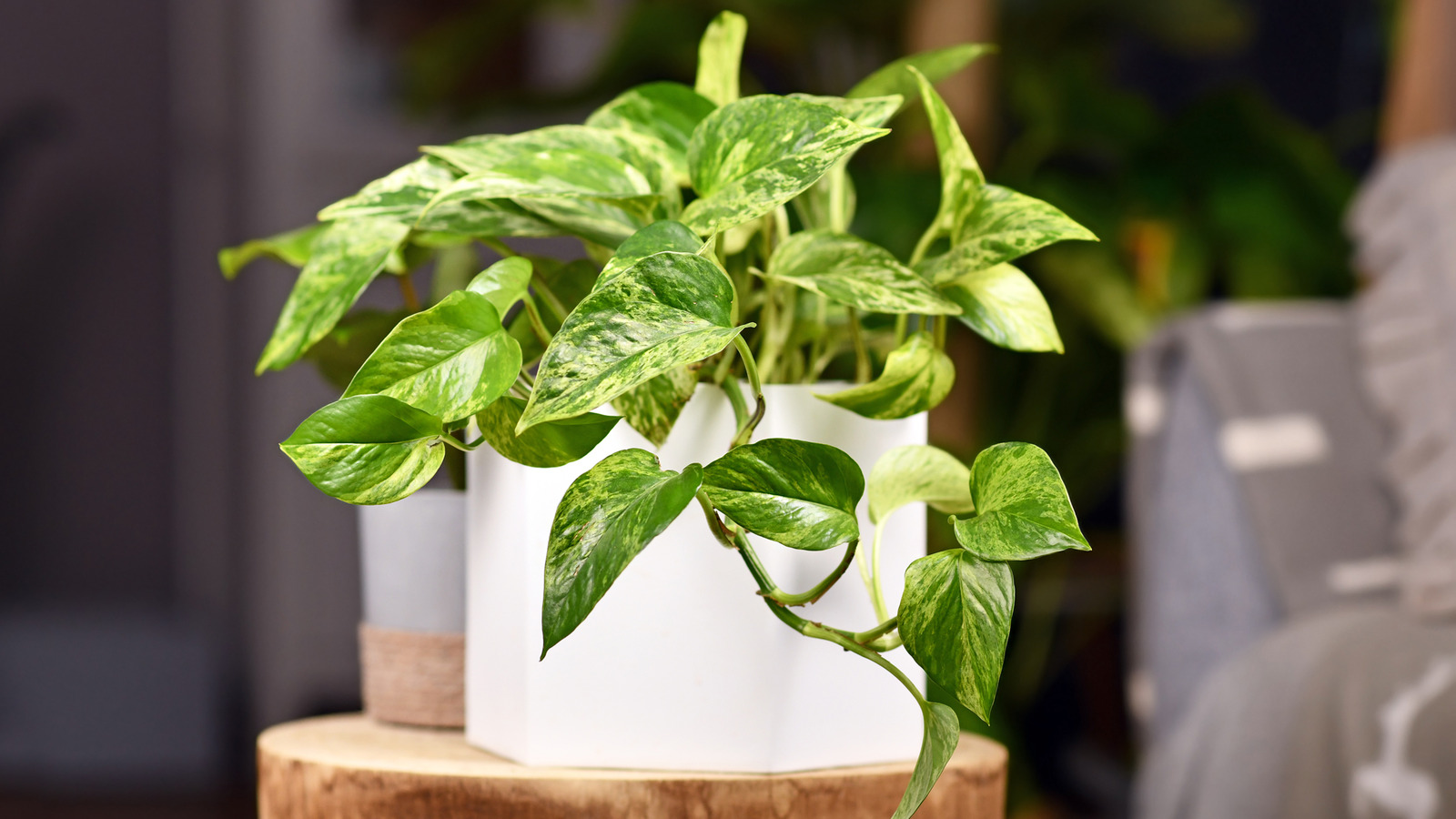
Before growing an indoor pothos, it's important to be aware of common issues that may arise. Yellow leaves can indicate overwatering or underwatering, while brown spots may be caused by overwatering or too much direct sunlight. Brown edges on the leaves can be a result of improper watering or soil issues. Wilted or curled leaves may indicate a lack of water or temperature shock. Elongated or leggy vines can be caused by insufficient sunlight or excessive fertilizer. Reduced variegation may be due to lack of sunlight or minerals in the water. Stunted growth can be caused by nutrient deficiencies or being root-bound. Pests such as mealybugs and scales can also affect pothos and should be addressed promptly.
Pruning blueberry plants is essential for their health and productivity. Blueberries fruit on wood that is at least one year old, with the best fruiting branches being two to three years old. Pruning should be done during the plant's dormancy season, from November to March, with a focus on removing dead, diseased, or damaged branches, thinning older stems, and encouraging new growth. It is important to avoid pruning right after fruiting and to fertilize and mulch the plants after pruning. Taking cuttings from blueberry stems can also be done to propagate new plants.
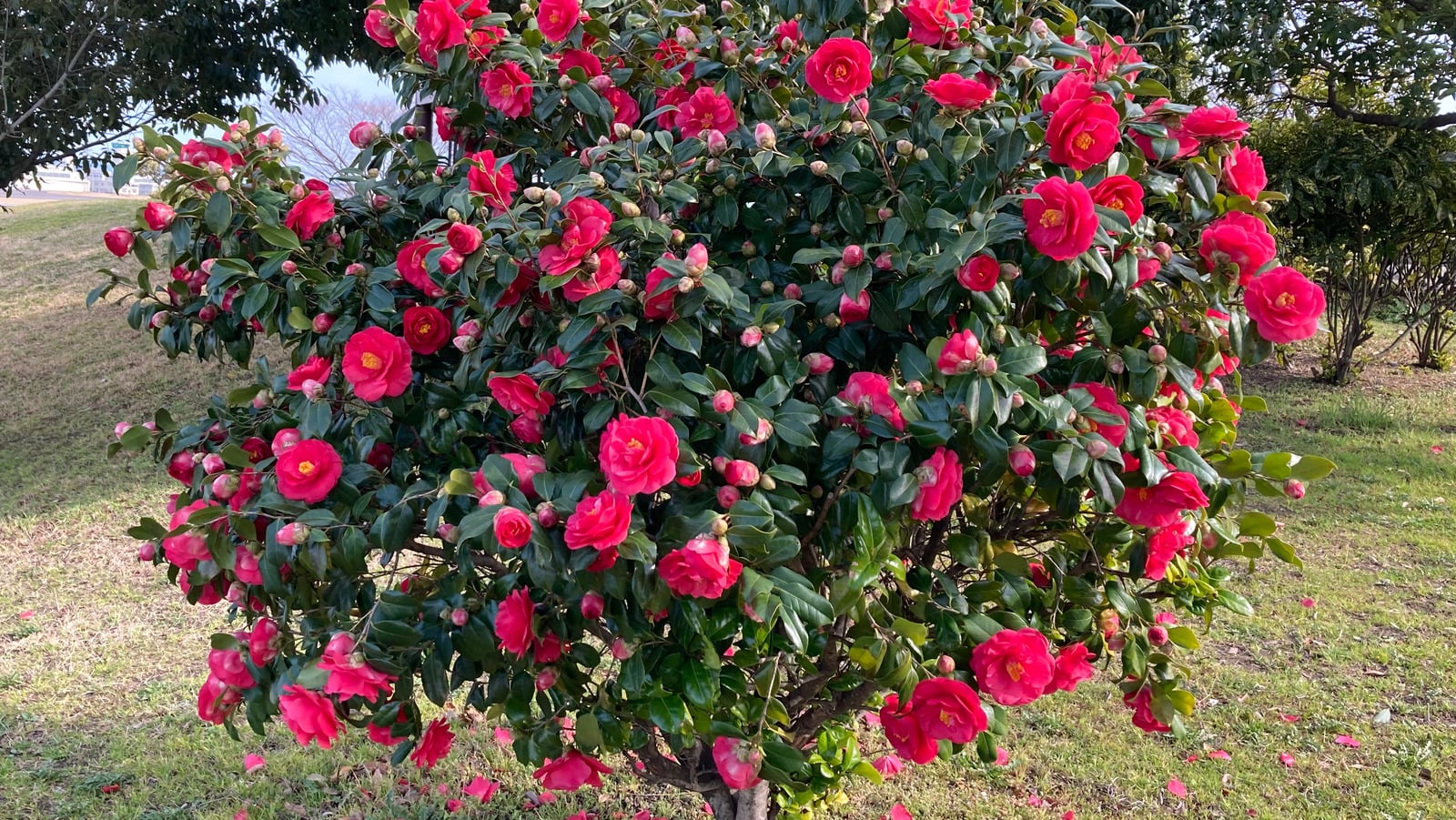
Pruning camellias in spring helps promote healthy growth, shape the shrub, and prevent diseases. Use sharpened tools to make clean cuts, removing weak, overgrown, or dead branches. Pruning redirects energy and nutrients to areas that need them, resulting in more blossoms or new branches. It also allows sunlight and airflow to reach the inner parts, preventing mold and diseases. However, excessive pruning can stunt growth and weaken the plant.
Lemon verbena is a versatile plant that not only repels bugs but also adds a pleasant fragrance to outdoor sitting areas. It is easy to grow and can be used in cooking, tea, or as a fragrance oil. Lemon verbena thrives in full sun and well-draining soil, making it suitable for warm climates. In colder regions, it can be kept in a pot and brought indoors during winter.
A growing number of creative professionals in New York City are leaving their previous careers in theater, fashion, and the arts to become plant keepers, tending to the hundreds of thousands of corporate plants in office buildings across the city. Companies like Greenery NYC are designing plant installations and maintaining them for various clients, including Bank of America, Google, Cartier, Netflix, and The New York Times. This shift reflects the increasing popularity of plants as essential elements of biophilic design, promoting well-being in homes and offices. The plant care industry has experienced a cultural acceptance as part of design, attracting individuals with backgrounds in music and art. However, the job is not as easy as it may seem, requiring serious manual labor and physical exertion.
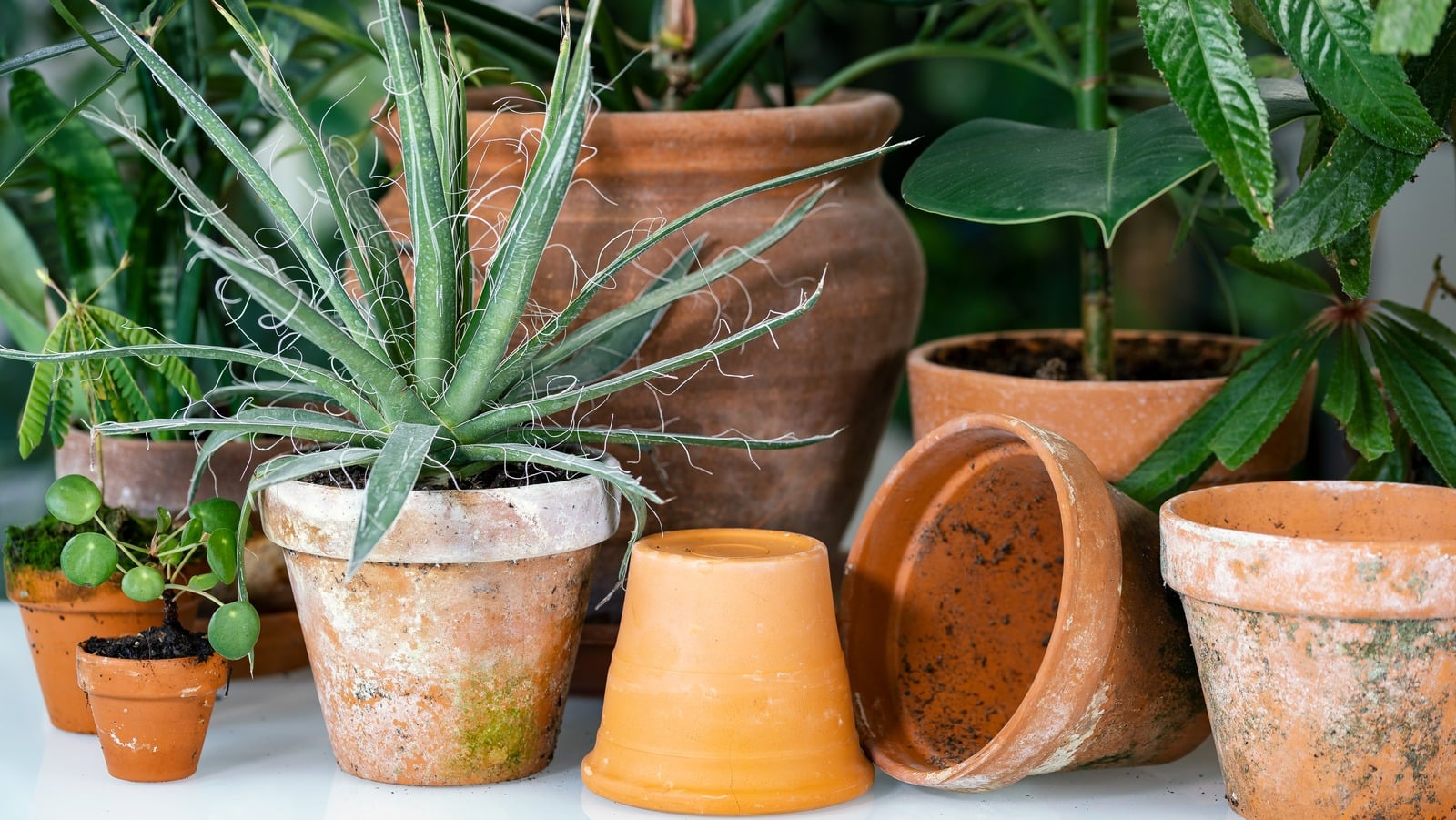
Calcium buildup on the outside of potted plants can be removed using WD-40. First, clean the planter of dirt and debris. Shake the can of WD-40 and spray a light coat onto the affected areas. Let it sit for a few minutes, then scrub with a soft cloth or brush. Rinse with water to remove residue. To prevent future buildup, use filtered or rainwater for watering and regularly clean the planters.
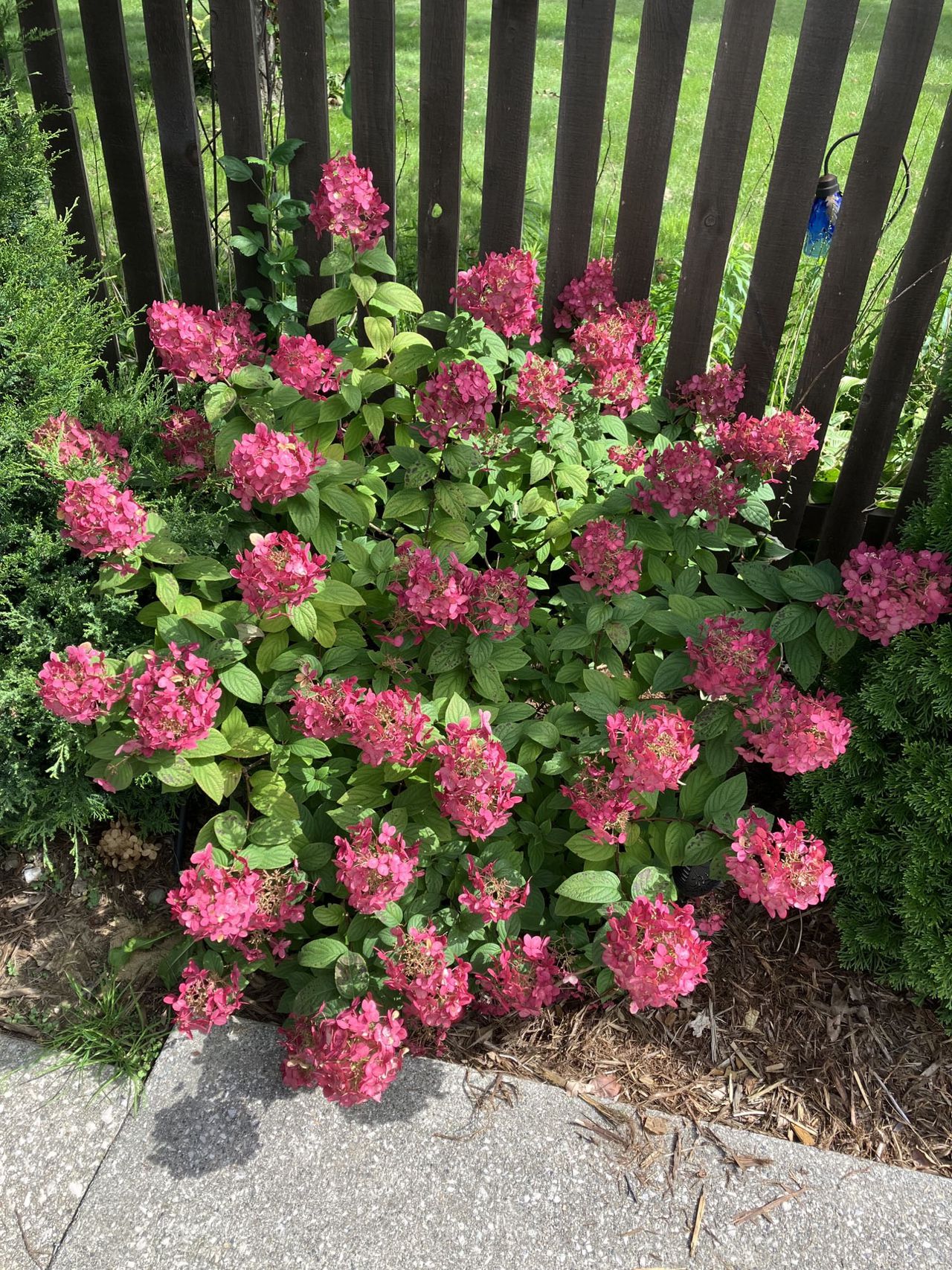
Hydrangeas may fail to bloom due to various reasons, including inadequate sunlight, overcrowding, and improper pruning. While hydrangeas require at least four hours of sun, excessive heat can hinder blooming. Proper spacing is crucial, with each hydrangea needing a 4-foot hula hoop's worth of space. Pruning time depends on the hydrangea variety, with smooth leaf and panicle hydrangeas pruned in late winter or early spring, big leaf and mountain hydrangeas left unpruned, and climbing and oak leaf hydrangeas blooming on last year's wood. Late frosts can also damage flower buds. Keeping a garden journal with plant varieties can help troubleshoot issues.
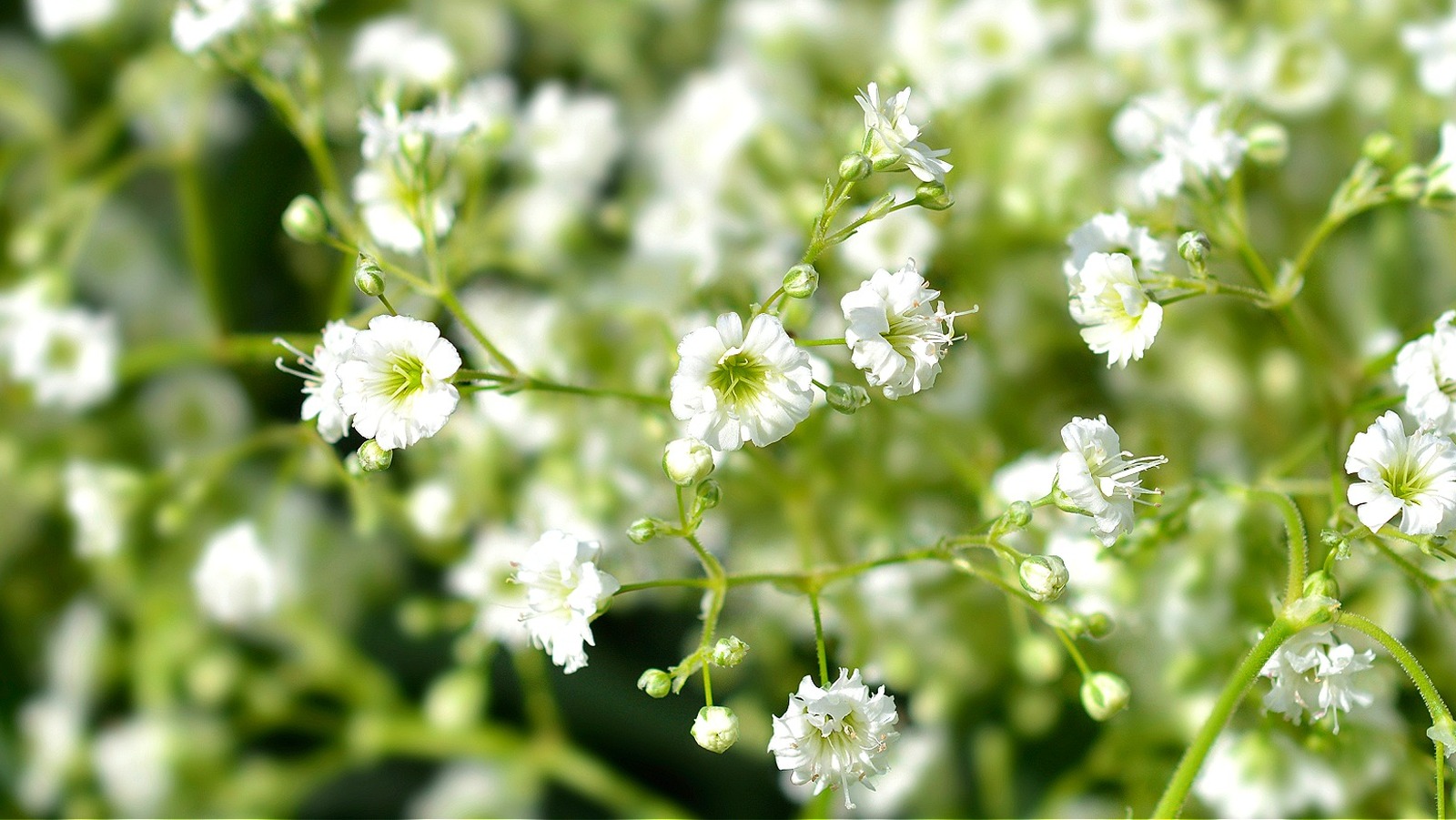
Baby's breath, a popular choice for its delicate white flowers, has the potential to become invasive due to its ability to produce millions of seeds. It is listed as a noxious weed in some areas and has threatened native plants and habitats. To prevent its rapid proliferation, gardeners can use fine mesh insect netting or grow it in a shielded structure. Managing baby's breath early on and cutting below the crown can help control its growth.