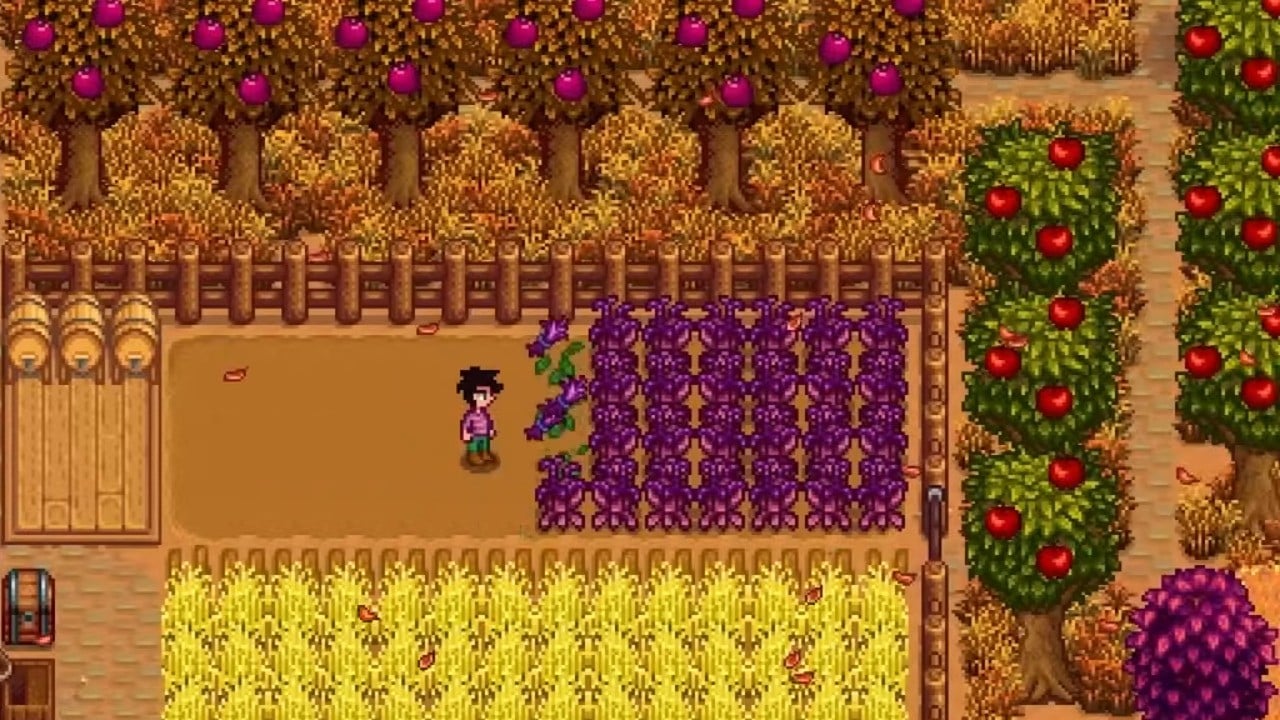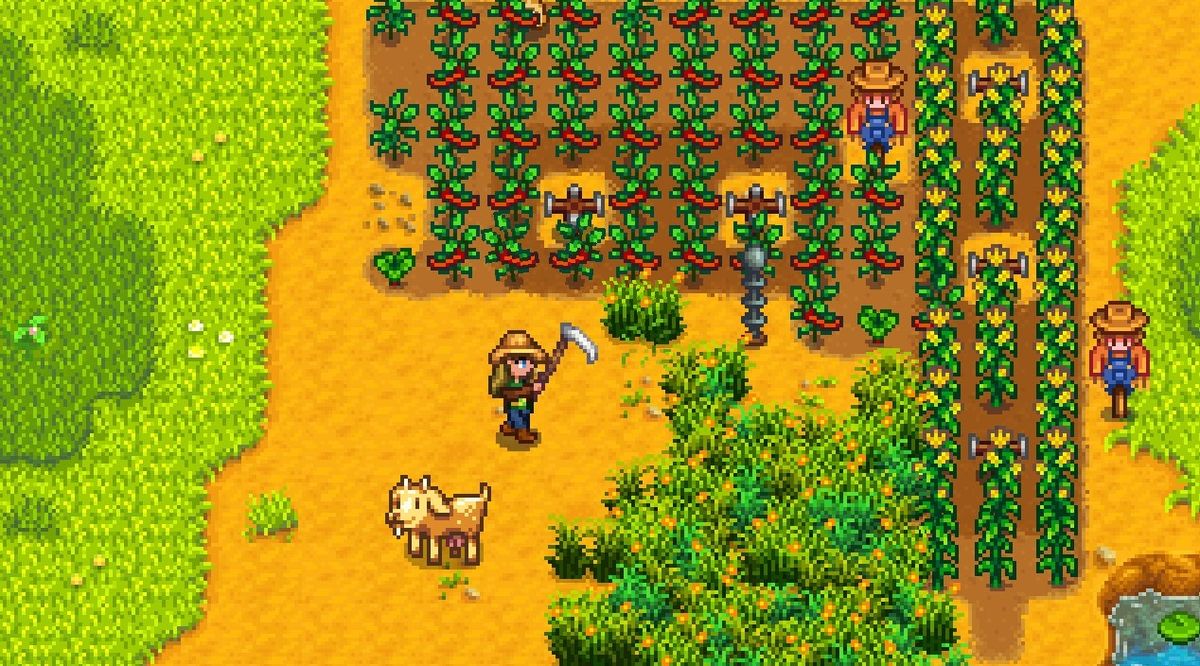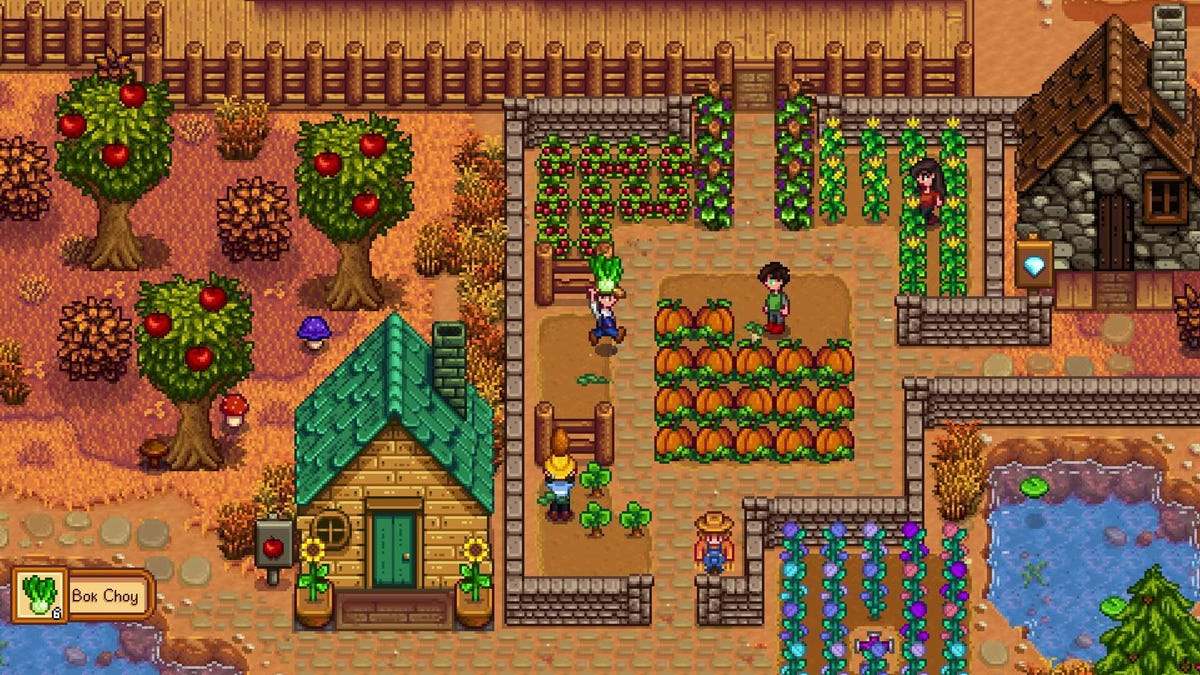
Stardew Valley fans are excited about the upcoming 1.6 update, particularly due to a quality-of-life change that will provide players with a sapling when their fruit trees are cut down, making it easier to relocate orchards. The sapling will have the same maturity as the original tree, allowing for quicker regrowth. This update, announced last year, is the first new content for the game in a while and is expected to be the last major piece of content before the developer shifts focus back to their next game, Haunted Chocolatier.
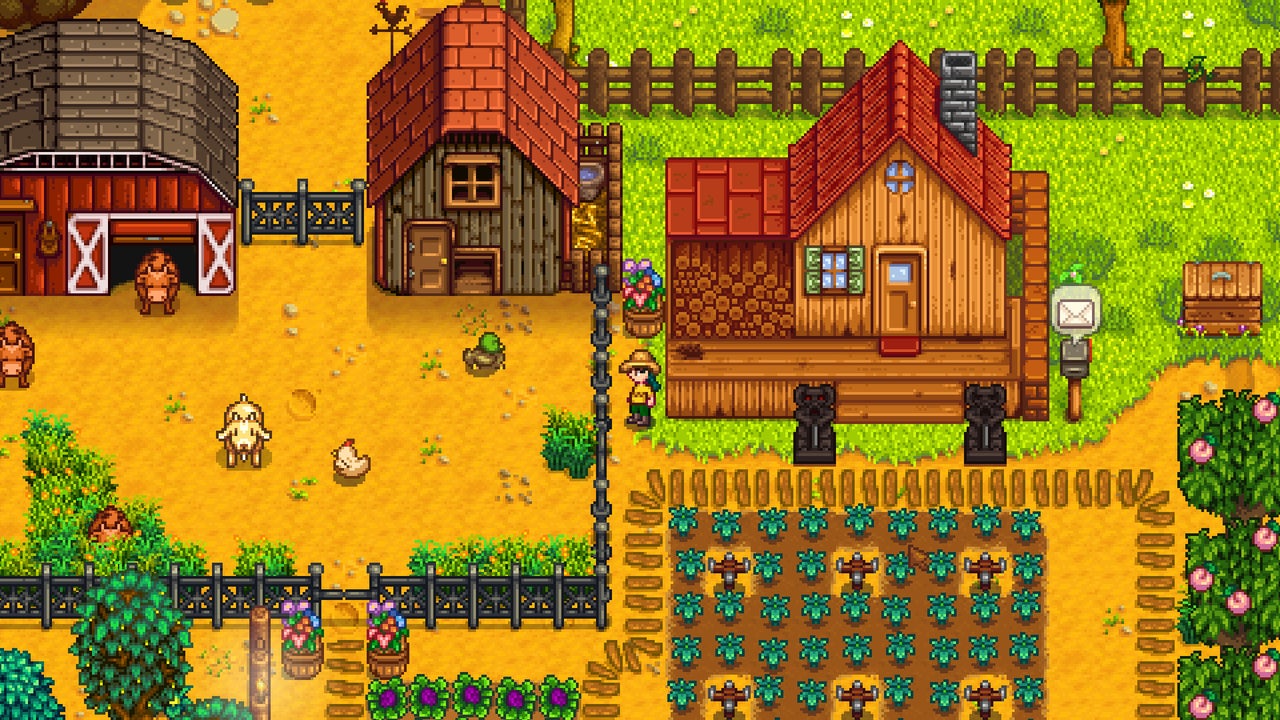
Stardew Valley creator Eric ‘Concerned Ape’ Barone has teased a new feature from the upcoming 1.6 update, revealing that cutting down a fruit tree will yield a sapling of the same type and quality as the original, which will mature faster when replanted. This quality of life change has excited fans, who welcome the addition as a helpful feature for moving trees without providing economic benefit. The 1.6 update also includes eight-player multiplayer support, a new farm layout, late game content, new dialogue, and more.
Stardew Valley's creator, Eric 'ConcernedApe' Barone, has teased a change coming to Version 1.6 involving fruit trees, where cutting down a mature tree will yield a sapling with the same quality as its fruit, and the higher the quality, the faster the sapling will mature when replanted. The update is set to release on PC on March 19, 2024, with console and mobile releases to follow shortly after.
Stardew Valley creator Eric Barone teased a change in the upcoming 1.6 update, revealing that cutting down a fruit tree will yield the appropriate fruit sapling, with the same quality as its fruit. The change is intended to help players move their trees without providing an economic benefit, and is not meant to impact the quality of the fruit produced. The update is set to go live on March 19, pending any last-minute issues.
Stardew Valley creator Eric 'ConcernedApe' Barone has revealed a single patch note from the upcoming 1.6 update, announcing that cutting down a fruit tree will now yield the appropriate fruit sapling, with the sapling's quality matching that of the original tree's fruit. This change has been enthusiastically received by fans, as it allows for easier farm layout rearrangement without the need to purchase new saplings. The 1.6 update, set to launch on March 19 for PC, is anticipated to be substantial, prompting suggestions to start a new save file to fully experience the new content.
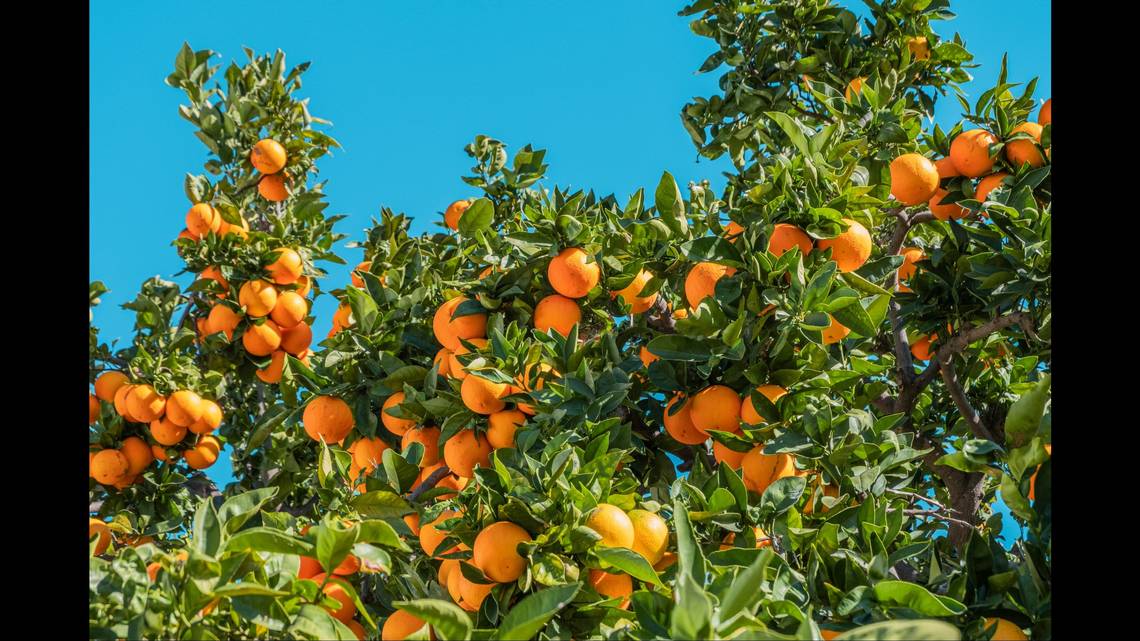
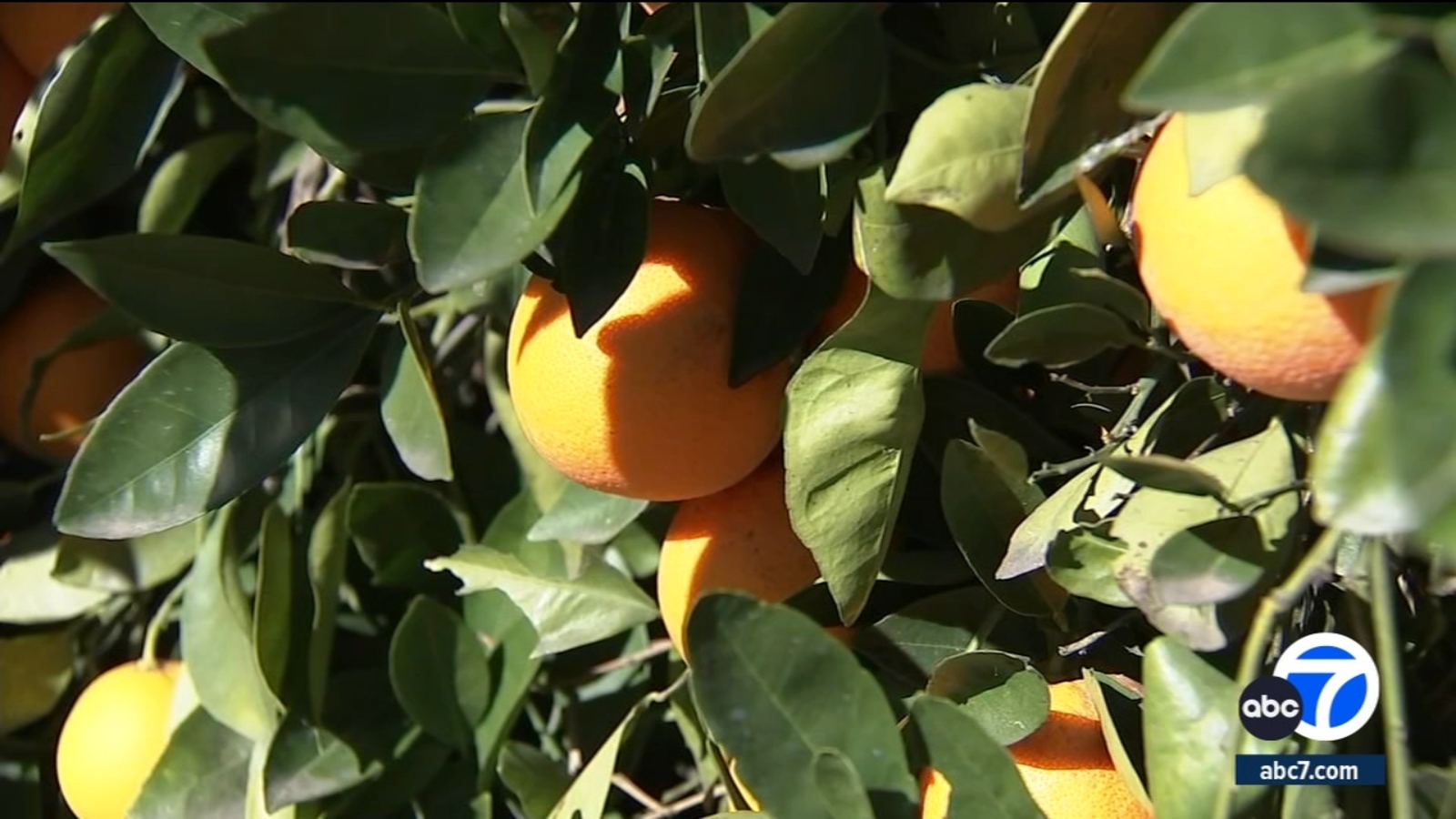
The California Department of Food and Agriculture has announced plans to strip fruit from trees at over 2,000 homes in Redlands, California, in an effort to combat the invasive Oriental fruit fly, which poses a significant threat to the state's food supply and agricultural industry. The fly lays eggs in fruit, leading to larvae that can damage citrus and over 230 other crops. The removal is aimed at breaking the fly's lifecycle and preventing potential annual losses worth billions of dollars. Residents will receive notices prior to the removal, which is mandatory, and are advised not to remove fruit on their own to reduce the risk of spreading the fly.
State workers are visiting 2,000 homes in Redlands to strip fruit from trees in an effort to prevent the spread of the Oriental fruit fly to the rest of California. This mandatory state-led effort aims to disrupt the insect's life cycle by removing the fruit, which the fly lays its eggs inside. Both residential and commercial citrus trees are at risk, and residents are urged to wait for trained state workers to remove the fruit and to dispose of fallen fruit in regular trash bags. The Oriental fruit fly poses a serious threat to California's agricultural industry, attacking over 230 types of crops.
Pruning blueberry plants is essential for their health and productivity. Blueberries fruit on wood that is at least one year old, with the best fruiting branches being two to three years old. Pruning should be done during the plant's dormancy season, from November to March, with a focus on removing dead, diseased, or damaged branches, thinning older stems, and encouraging new growth. It is important to avoid pruning right after fruiting and to fertilize and mulch the plants after pruning. Taking cuttings from blueberry stems can also be done to propagate new plants.
Adding a small tree to a compact yard can provide vertical interest, shade, and privacy. Japanese Maple, fruit trees, bay tree, crape myrtle, flowering dogwood, fringe tree, and olive tree are all great options for small yards. These trees offer beautiful foliage, colorful blooms, and even tasty fruit. They are also attractive to birds and pollinating insects. Consider the specific climate and size requirements when choosing a tree for your yard.