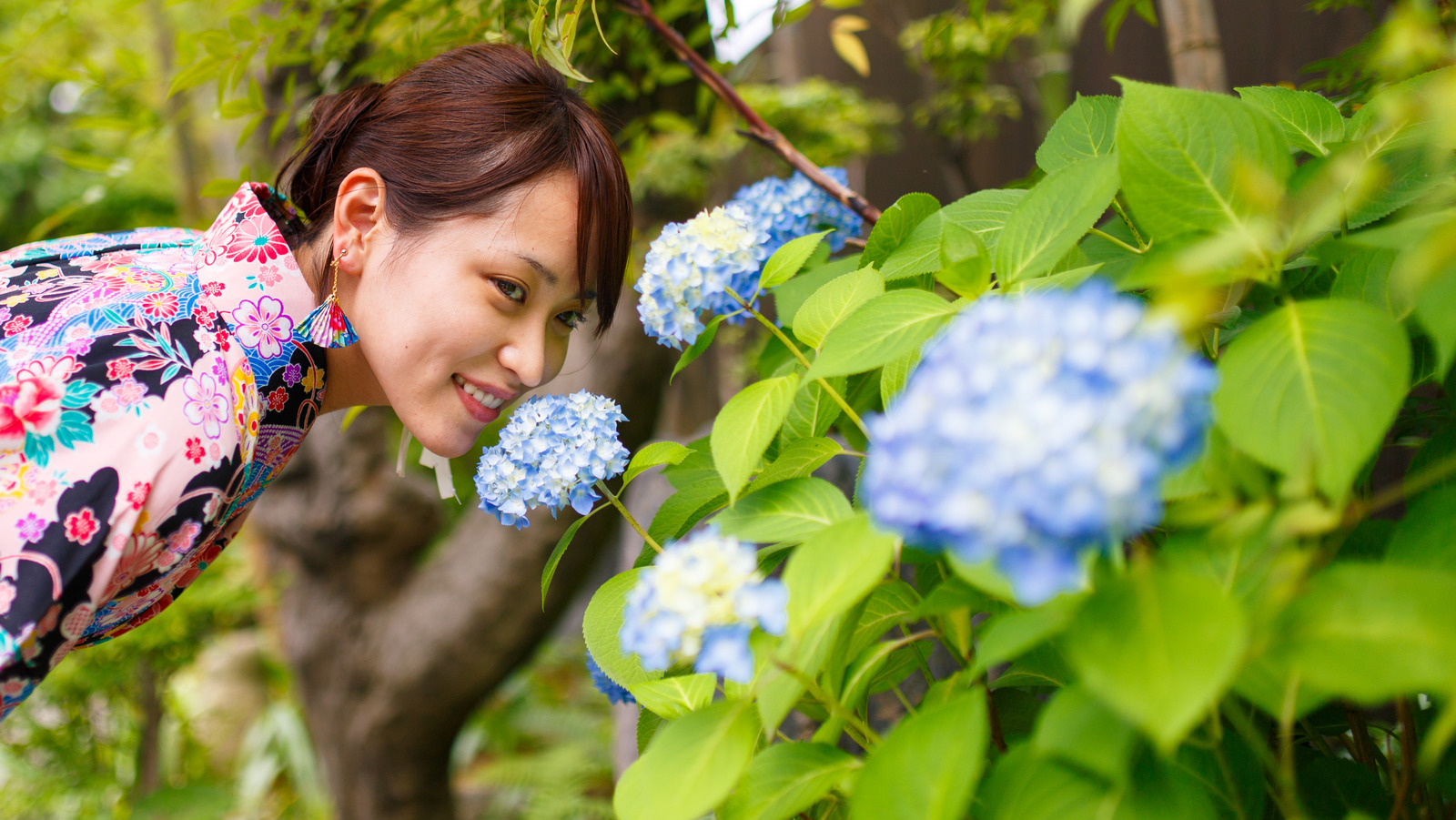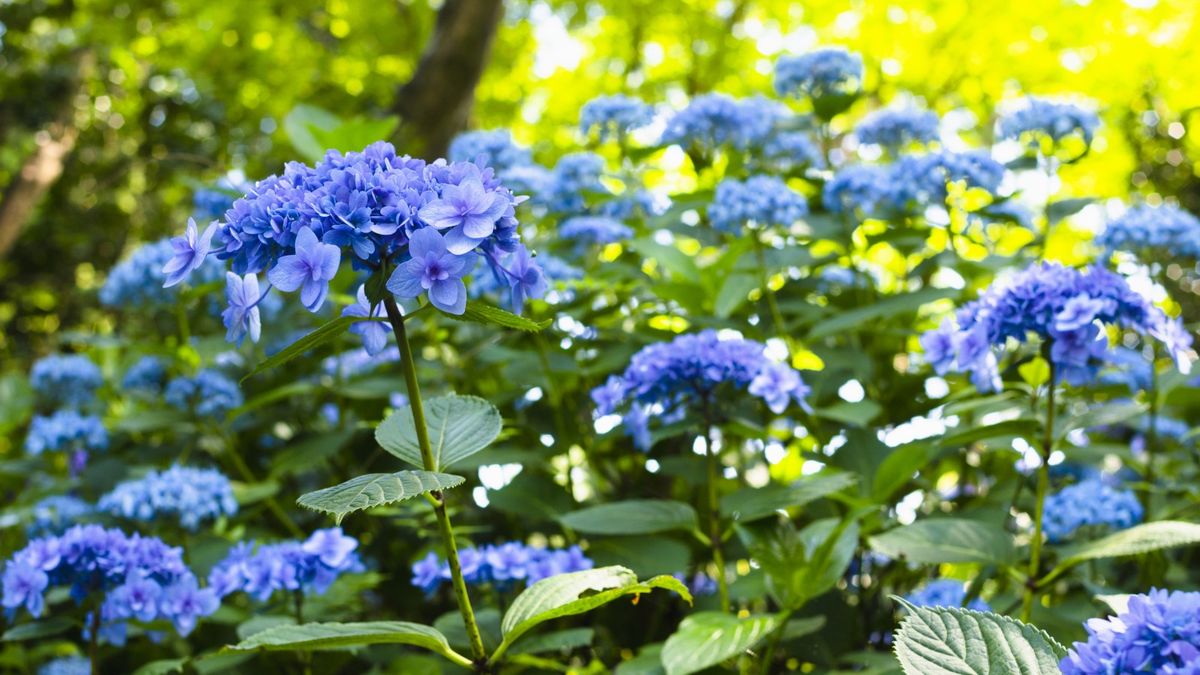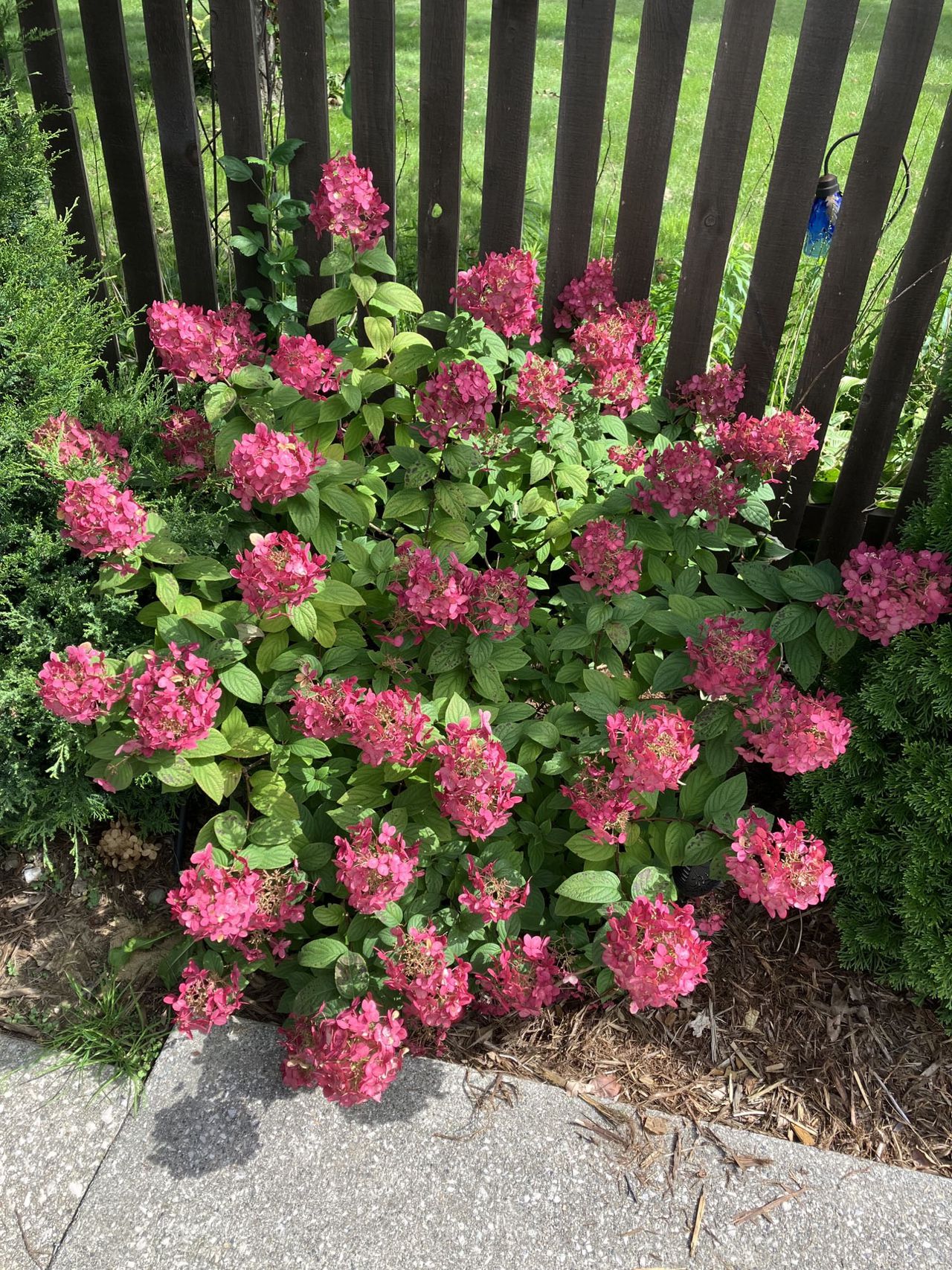
Hydrangeas may fail to bloom due to various reasons, including inadequate sunlight, overcrowding, and improper pruning. While hydrangeas require at least four hours of sun, excessive heat can hinder blooming. Proper spacing is crucial, with each hydrangea needing a 4-foot hula hoop's worth of space. Pruning time depends on the hydrangea variety, with smooth leaf and panicle hydrangeas pruned in late winter or early spring, big leaf and mountain hydrangeas left unpruned, and climbing and oak leaf hydrangeas blooming on last year's wood. Late frosts can also damage flower buds. Keeping a garden journal with plant varieties can help troubleshoot issues.
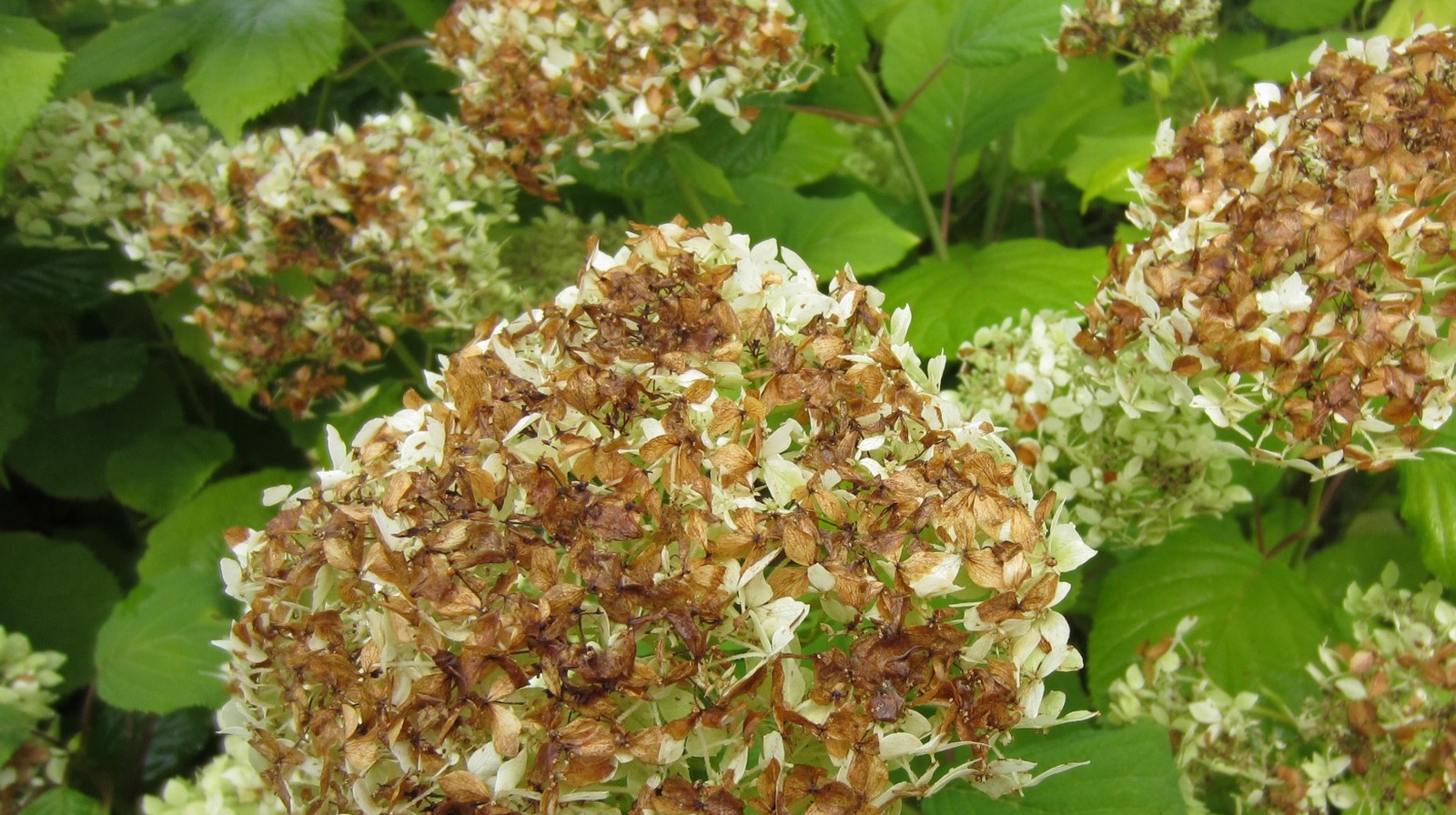
Hydrangea flowers may turn brown due to insufficient water, high temperatures, excessive sunlight, too much fertilizer, or imbalanced soil pH. To fix the problem, ensure consistent moisture by watering regularly, provide shade in the afternoon, remove brown blooms and leaves, and apply mulch to retain moisture. Soil testing is recommended to determine pH levels and adjust accordingly. By following these steps, you can maintain healthy and vibrant hydrangea blooms.
Contrary to online claims, burying aluminum foil near hydrangeas does not change their color. The color change is actually achieved by adding aluminum sulfate to the soil, which decreases the pH level and turns the flowers blue. However, not all hydrangea varieties can change color. To turn pink hydrangeas blue, mix 1 tablespoon of aluminum sulfate with 1 gallon of water and soak the base of the plant once a month for three months. It can take months or even up to a year for the color change to occur. To change them back to pink, use hydrated lime instead of aluminum sulfate.
Hydrangeas are susceptible to a range of fungal and bacterial diseases that can affect all parts of the plant. Prevention is key, including good air circulation, proper spacing, and avoiding overhead watering. Regular scouting and garden sanitation are also important. Fungicidal treatments can help manage some diseases, but infected plants should be removed and disposed of to prevent the spread of systemic diseases.