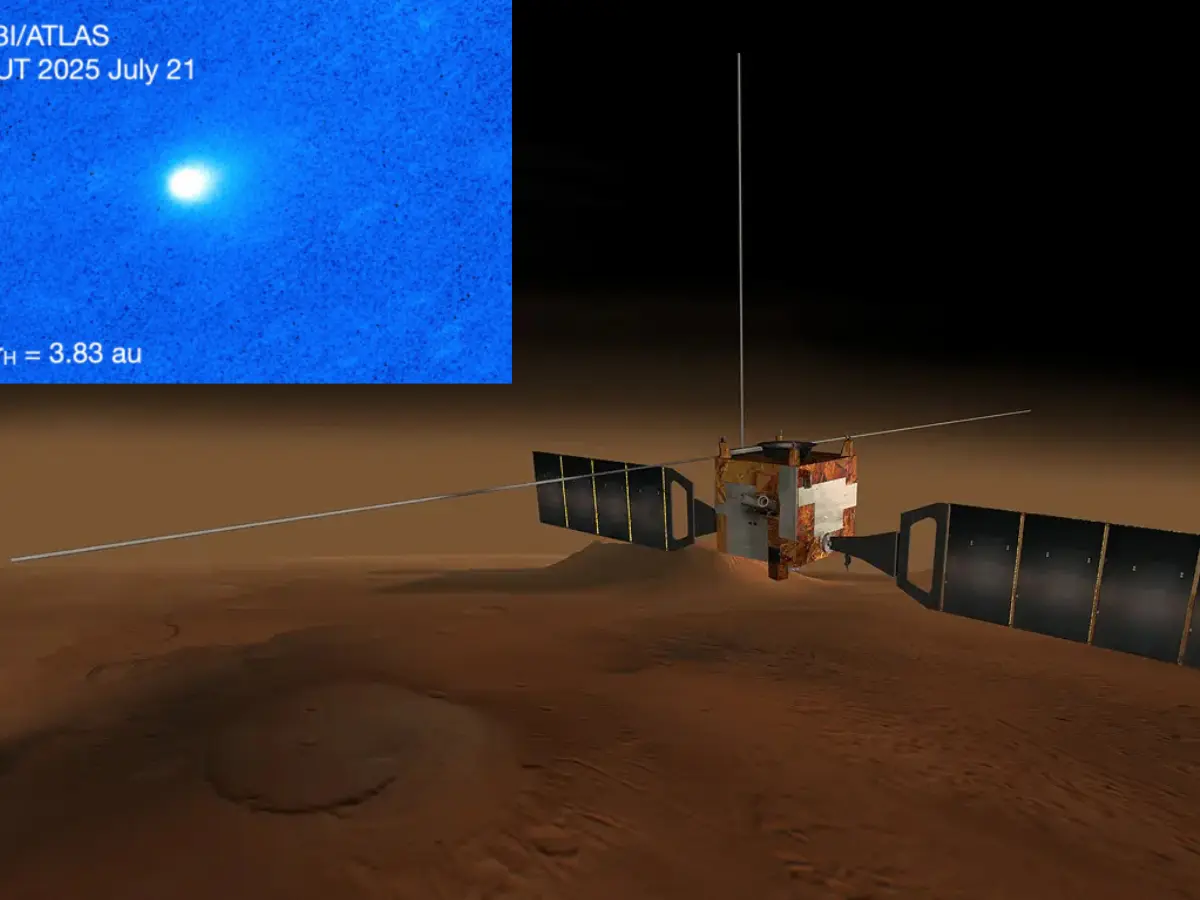
The asteroid 3I/Atlas is scheduled to make a close approach to Mars on October 3, attracting significant interest from space agencies and scientists eager to observe the event and gather data from human probes and space missions.
Scientists have discovered that Uranus emits more internal heat than previously thought, which challenges earlier observations and suggests new insights into its internal structure and history, potentially influencing future planetary missions.
Scientists have discovered that Uranus emits more internal heat than previously thought, which challenges earlier observations and suggests new insights into its structure and history. This finding could influence future planetary missions and enhance understanding of planetary atmospheres and climate processes.
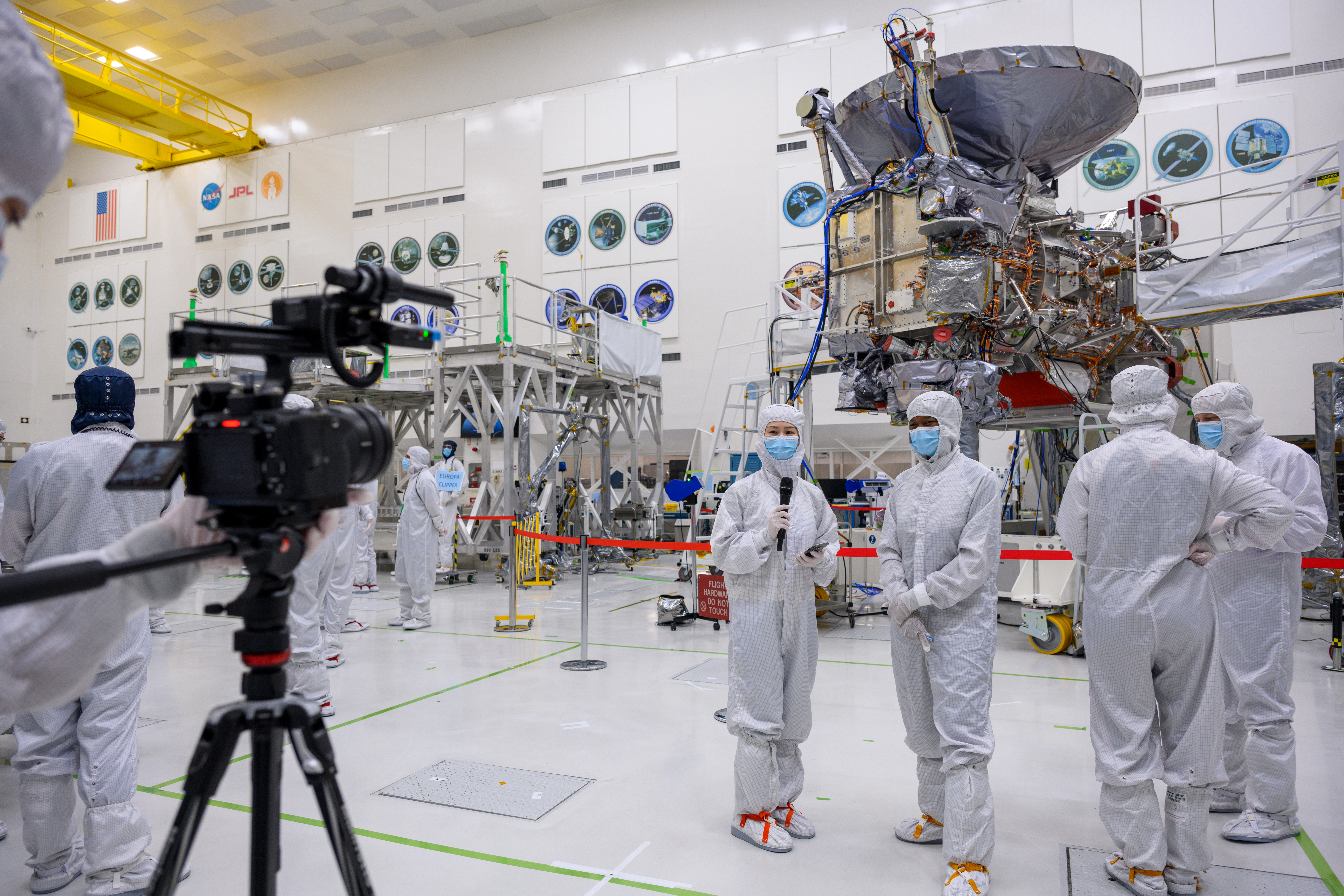
NASA's Europa Clipper spacecraft, the largest ever built for a planetary mission, is being readied for an October launch from NASA's Kennedy Space Center in Florida. The spacecraft, which will orbit Jupiter and focus on its moon Europa, is expected to leave NASA's Jet Propulsion Laboratory later this spring. The mission aims to gather data about Europa's ocean beneath its icy shell, map its surface composition and geology, and search for potential plumes of water vapor. While not a life-detection mission, Europa Clipper's primary goal is to determine whether Europa could support life. The spacecraft's three main science objectives are to study the moon's icy shell, investigate its composition, and characterize its geology.