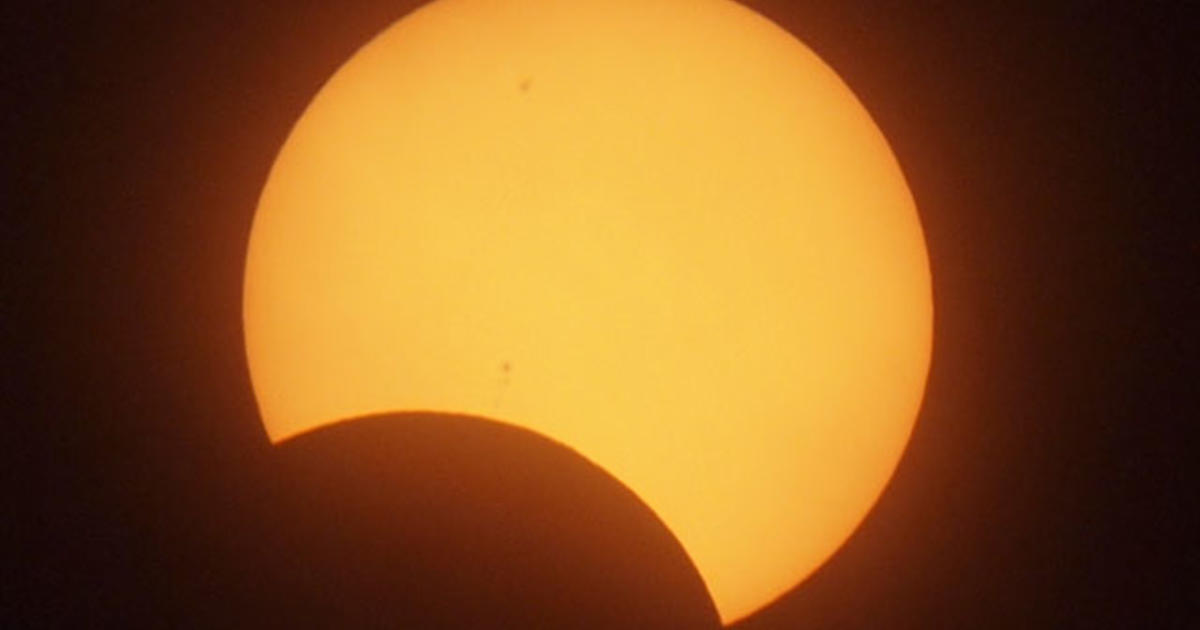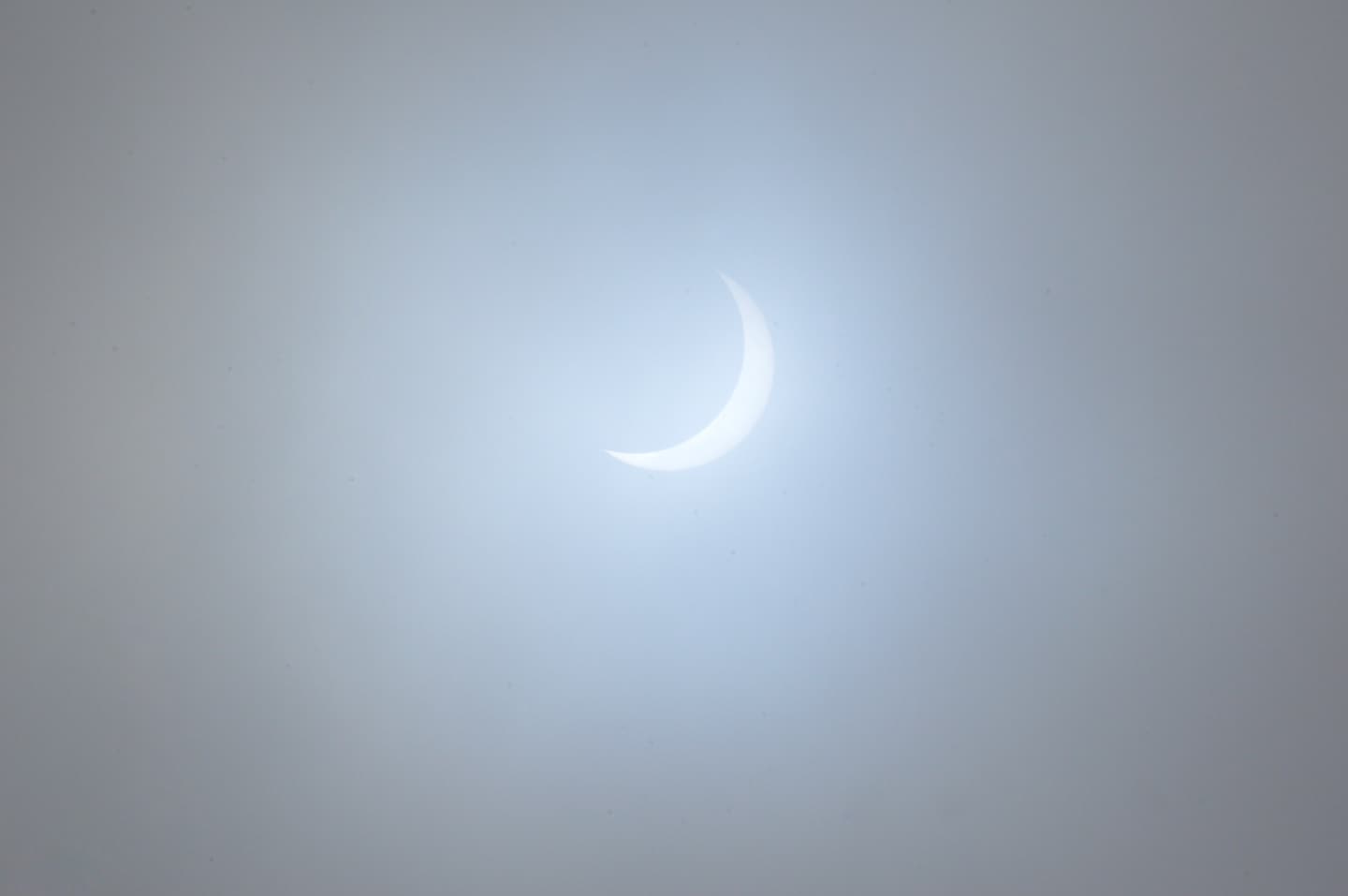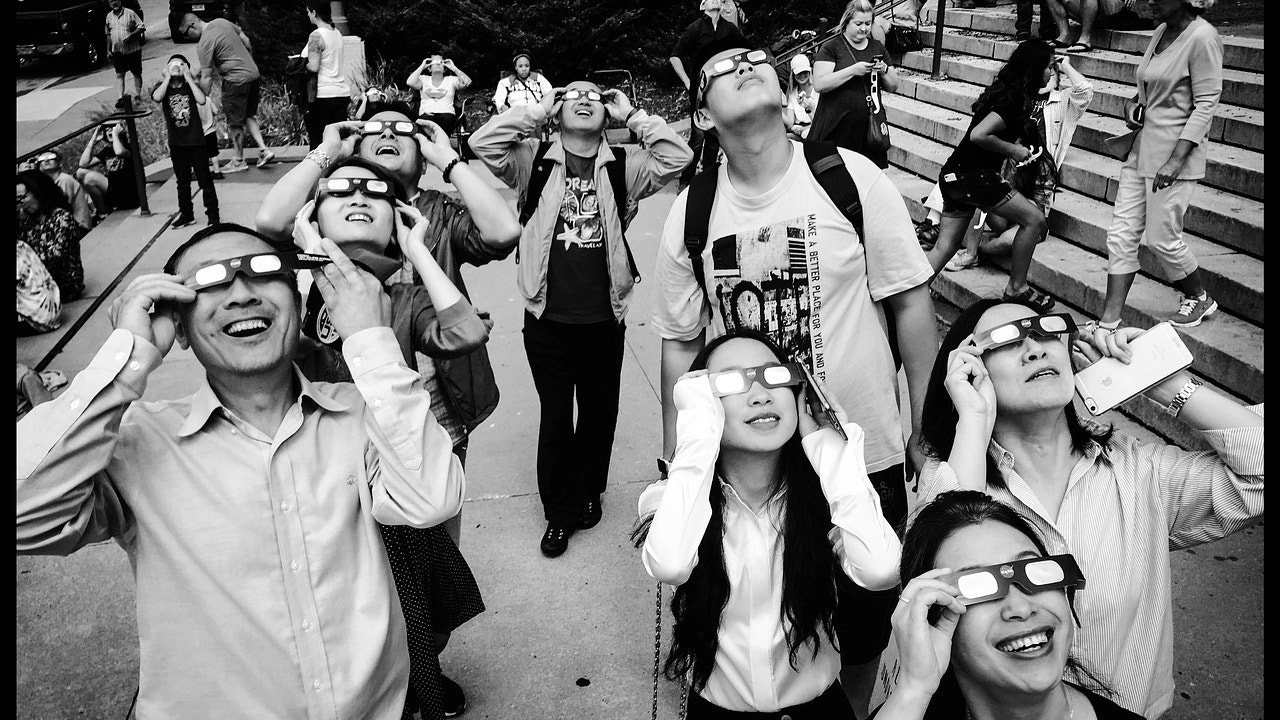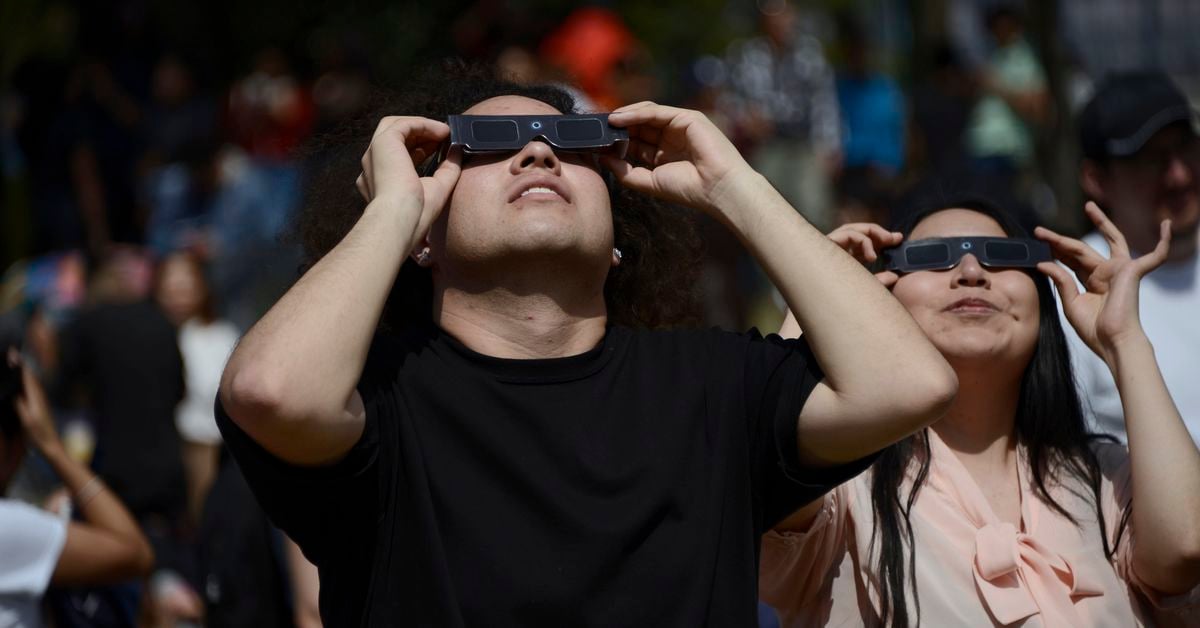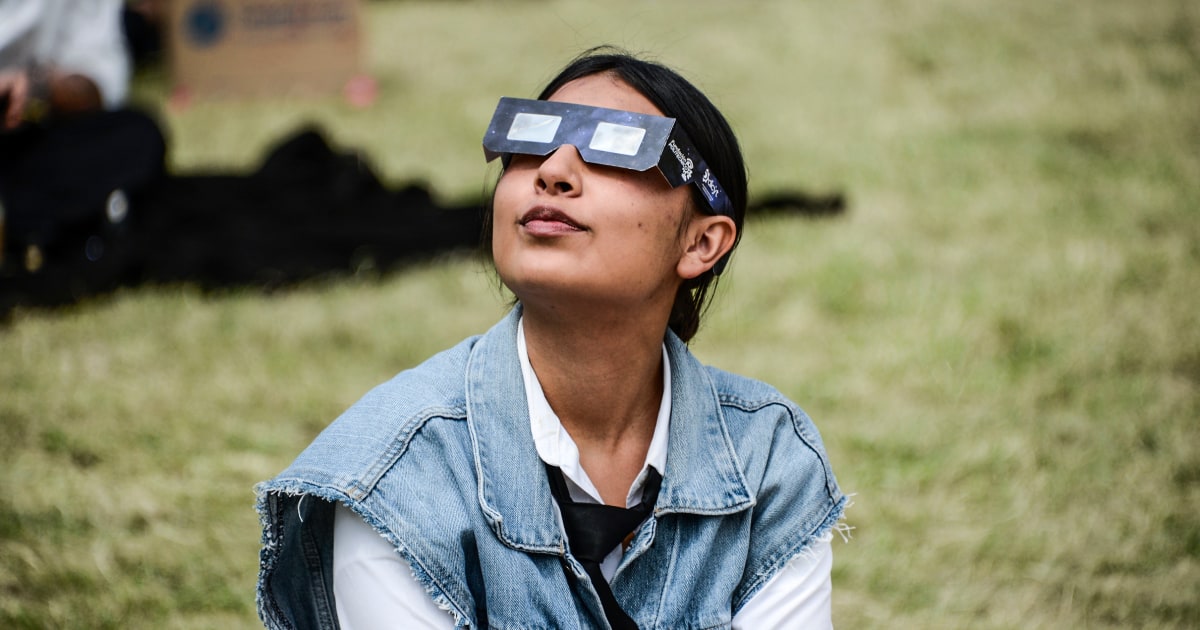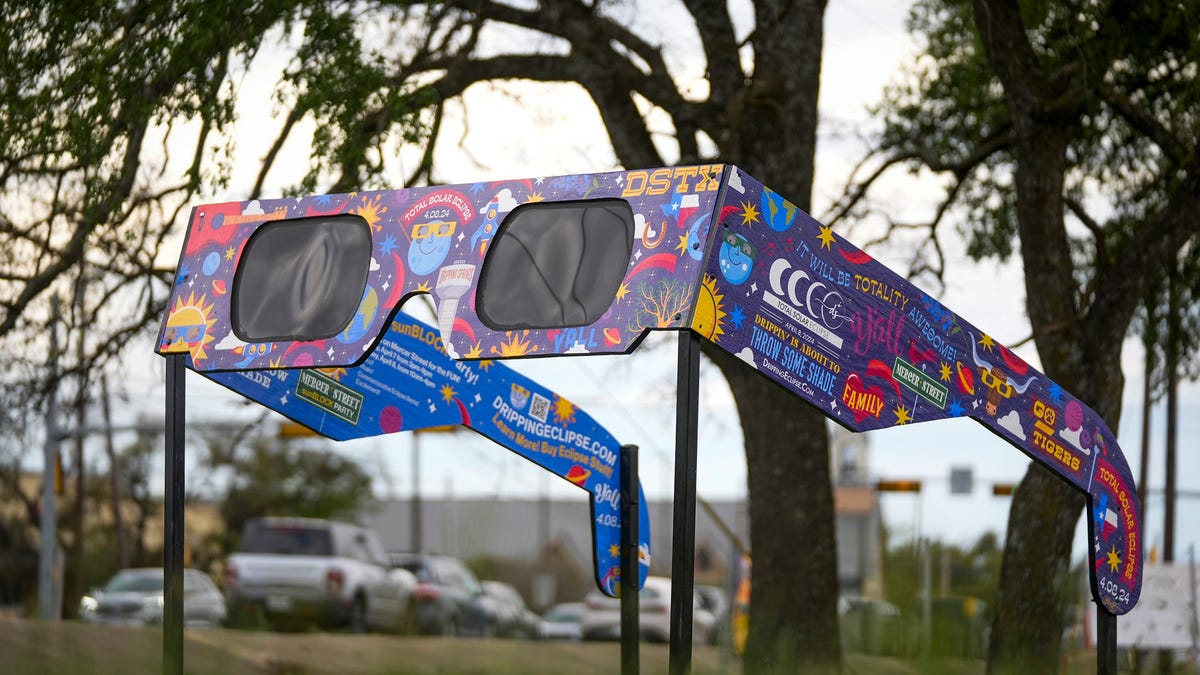
With solar eclipse glasses in short supply, there are alternative safe methods to view the 2024 solar eclipse, including using tree leaves to project mini eclipses, a colander to create dazzling sights, a pinhole projector made from cardboard or a box, and even using your hands to create mini eclipses. These methods provide safe ways to witness the celestial event without the need for specialized eyewear.
With the 2024 solar eclipse approaching, those without eclipse glasses can create a pinhole projector using a piece of paper and a pin to safely view the event's image. Alternatively, a cereal box, aluminum foil, and paper can be used to make an eclipse viewer, allowing the sun's image to be reflected onto the box's bottom. It's important to avoid looking directly at the eclipse without proper protection to prevent eye damage.
With the 2024 solar eclipse approaching, experts advise on safe viewing methods if solar eclipse glasses are unavailable, warning against using regular sunglasses or looking through cameras, binoculars, or telescopes. Alternatives include No. 14 welder's glasses, aluminized mylar plastic sheets, and homemade pinhole projectors or cereal box viewers. Indirect viewing methods are recommended to prevent eye damage, as even brief exposure to the eclipse can cause eye injury. It's important to ensure the safety of homemade viewers and supervise children during the event to prevent accidental direct viewing.
With the total solar eclipse approaching, there are safe and creative ways to view it without eclipse glasses. Making a pinhole projector using a cereal box, observing the eclipse through tree shadows, and using everyday objects like a pasta colander or fingers to create projections are all effective methods for indirect viewing. It's important to avoid looking directly at the sun without eye protection, except for those in the path of totality during the total eclipse.
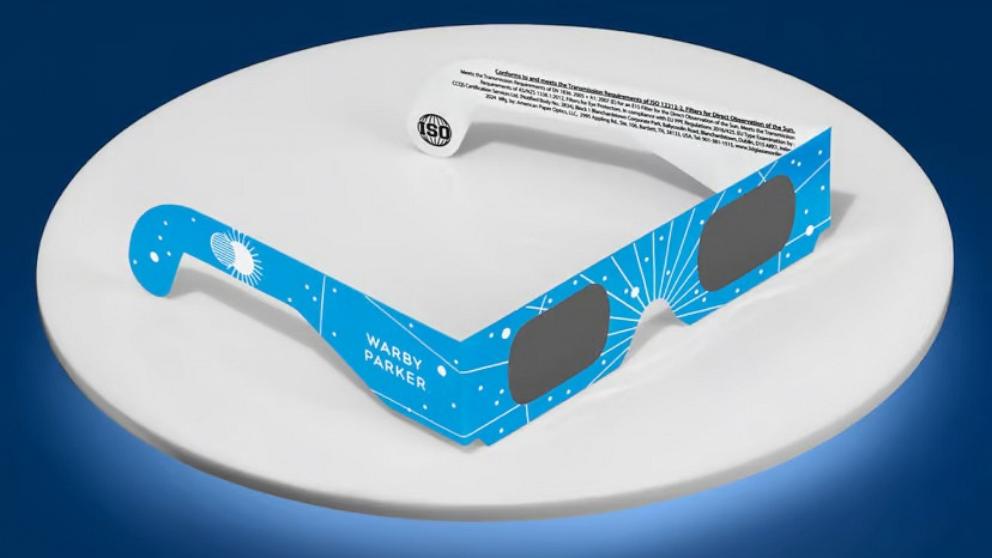
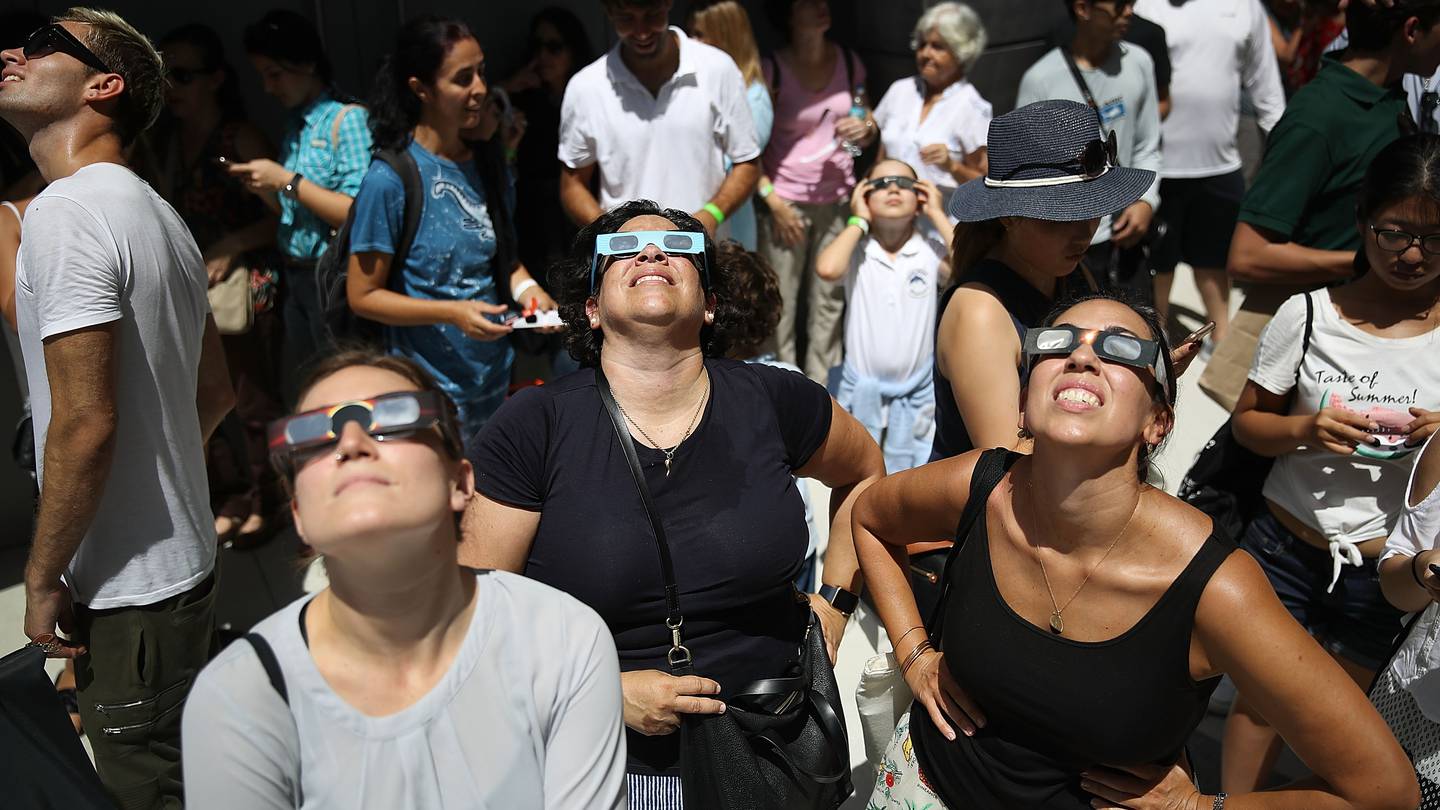
As North America prepares for the total solar eclipse on April 8, retailers and organizations are offering free ISO-certified solar eclipse glasses to ensure safe viewing of the celestial event, emphasizing the critical need for eye protection to avoid serious injuries and vision loss. Retailers like Warby Parker and MyEyeDr. are distributing free glasses, while libraries and welcome centers in New York are also providing them. Additionally, individuals can create their own pinhole projectors to safely view the eclipse at home.
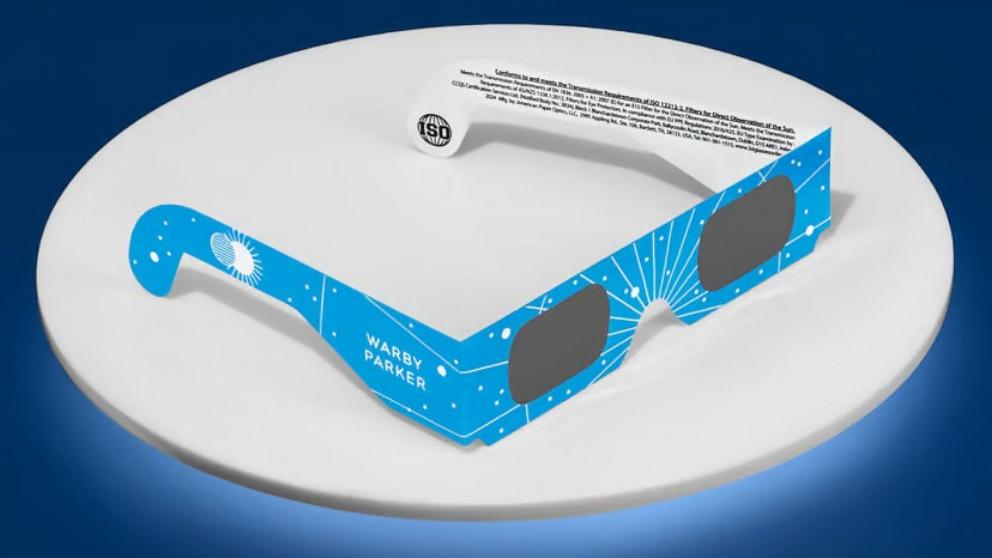
As North America prepares for the total solar eclipse on April 8, retailers and organizations are offering free ISO-certified solar eclipse glasses to ensure safe viewing of the celestial event, emphasizing the critical need for eye protection to avoid serious injuries and vision loss. Warby Parker, MyEyeDr., and Boost Mobile are among the providers offering free eclipse glasses, while libraries and welcome centers in New York are also distributing them. Additionally, instructions for making a pinhole projector at home are provided as an alternative safe viewing method.
On April 8, a total or partial solar eclipse will be visible in the United States, with the path of totality centering on the East Coast and Midwest. To safely view the eclipse, it's important to wear proper eclipse glasses with the ISO 12312-2 filter, ensuring they are not fake or damaged. NASA recommends using the American Astronomical Society's list of safe options and avoiding online marketplaces. Alternatively, a homemade pinhole projector can be used if eclipse glasses are unavailable. It's crucial to follow safety guidelines to avoid eye injuries and blindness, as the next opportunity to witness a solar eclipse won't occur until 2044.
Staring at the sun, even during a partial eclipse, can cause permanent damage to your eyes due to the sun's intense energy. The only safe time to look at the eclipse without glasses is during totality, which lasts only a few minutes and is only visible in a narrow path across the United States. Eclipse glasses that filter out most visible light and block ultraviolet and infrared rays are essential for eye protection. Alternatively, a pinhole projector can be used to view the eclipse indirectly. It's crucial to avoid counterfeit glasses and ensure that they meet international safety standards.
To safely view the upcoming solar eclipse, it's crucial to wear specialized eclipse glasses with ISO 12312-2 filters, as regular sunglasses or tools like telescopes can cause permanent eye damage. Only look at the eclipse with the naked eye during totality, and keep eclipse glasses on during a partial eclipse. Ensure the glasses are from a reputable source, and consider reusing them if undamaged. If unable to find proper glasses, make a pinhole projector to safely view the eclipse indirectly.