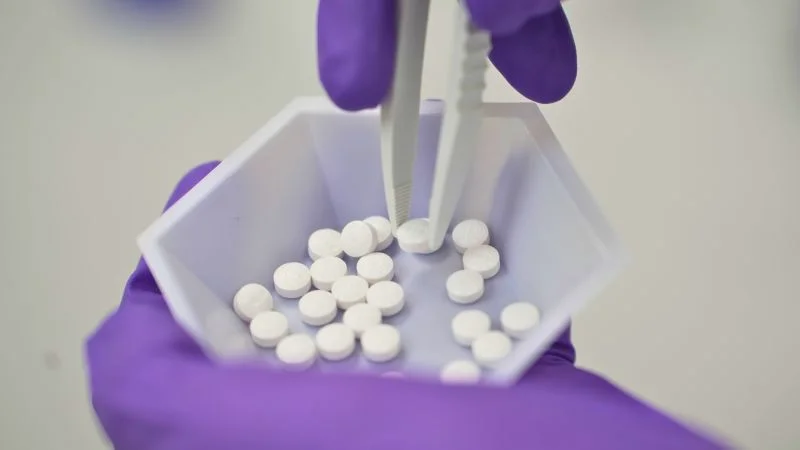
Americans can now access a daily pill form of Wegovy, a popular weight-loss drug, which is generally cheaper than the weekly injection and is available with a prescription. The pill contains the same active ingredient as the injection, semaglutide, and offers an alternative for those seeking weight management solutions, with pricing options and insurance savings programs. The FDA approved the oral version in late December, and it shows similar efficacy and side effects to the injectable form.
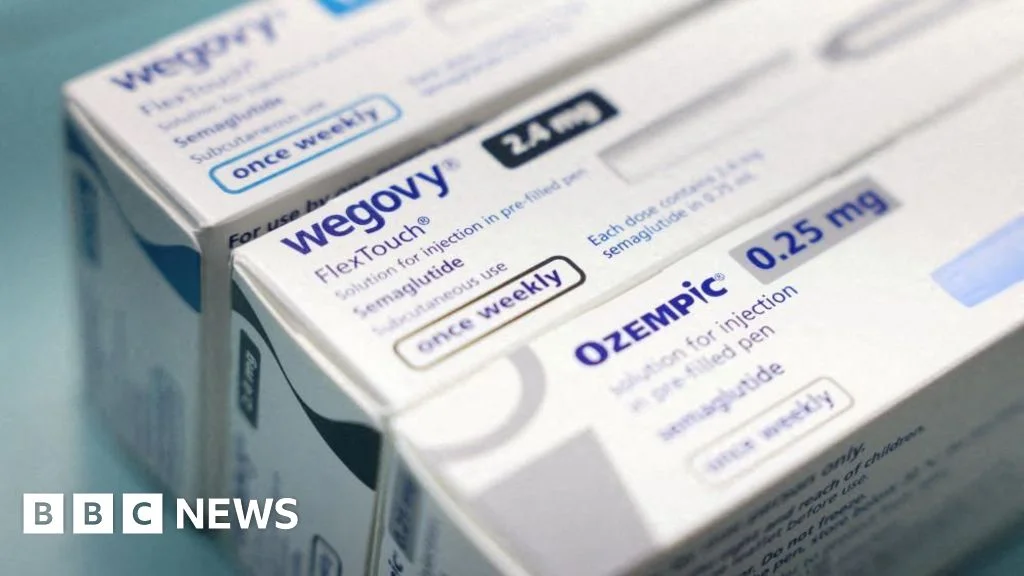
The US FDA has approved a pill version of Wegovy, a weight-loss drug by Novo Nordisk, offering a convenient once-daily alternative to injections with similar effectiveness, potentially boosting the company's sales amid market competition.
The FDA has approved a daily pill version of Wegovy, a popular anti-obesity drug by Novo Nordisk, offering an alternative to the weekly injection with similar effectiveness in weight loss, and expected to be available in early January for $149 per month.
Eli Lilly's new obesity pill, forforglipron, achieved significant weight loss in clinical trials and could revolutionize treatment by being easier to produce and use, potentially making obesity care more accessible and affordable, with regulatory approval expected soon.
Eli Lilly's new weight loss pill, orforglipron, shows promising trial results with an average weight loss of 12.4% over 72 weeks, nearing the effectiveness of existing injections like Mounjaro and Wegovy. The pill could be easier and cheaper to produce and take, potentially making weight loss treatment more accessible through the NHS, although its efficacy is slightly lower than injectable options. Regulatory approval is anticipated soon, which could mark a significant advancement in obesity management.
A new oral medication called SYNT-101 shows early promise in mimicking gastric bypass surgery by shifting nutrient absorption to promote satiety and metabolic balance, with promising safety and metabolic effects observed in initial human trials. The drug forms a temporary coating in the duodenum, delaying glucose absorption and supporting weight loss without surgery.
The FDA has approved the first pill for treating postpartum depression, a common complication of childbirth that affects about half a million Americans each year and is among the leading causes of pregnancy-related death.
An experimental pill called AEF0117 has shown promising results in reducing the positive effects of cannabis by up to 38% in initial trials. The drug, derived from pregnenolone, inhibits the CB1 receptors responsible for the addictive effects of cannabis and appears to counteract the "high". Cannabis use disorder affects up to 30% of weed users, and there are currently no drugs to treat it. The findings will need to be replicated in larger trials, but the initial results are encouraging.
Scientists at Oxford University have established a comprehensive link between all forms of hormonal contraception and breast cancer, finding that they raise the risk of breast cancer by between 23 and 32 per cent. Jenni Murray, a breast cancer survivor, reflects on her own use of the Pill and coil, and how the freedom to make her own decisions about contraception changed her life for the better. She has no regrets about taking the Pill, even with the knowledge now available, and believes that women's health has been neglected for too long.