
"Seasonal Patterns of Antarctic Sea Ice Algae Unveiled through Polar Experiments"
Originally Published 2 years ago — by Phys.org
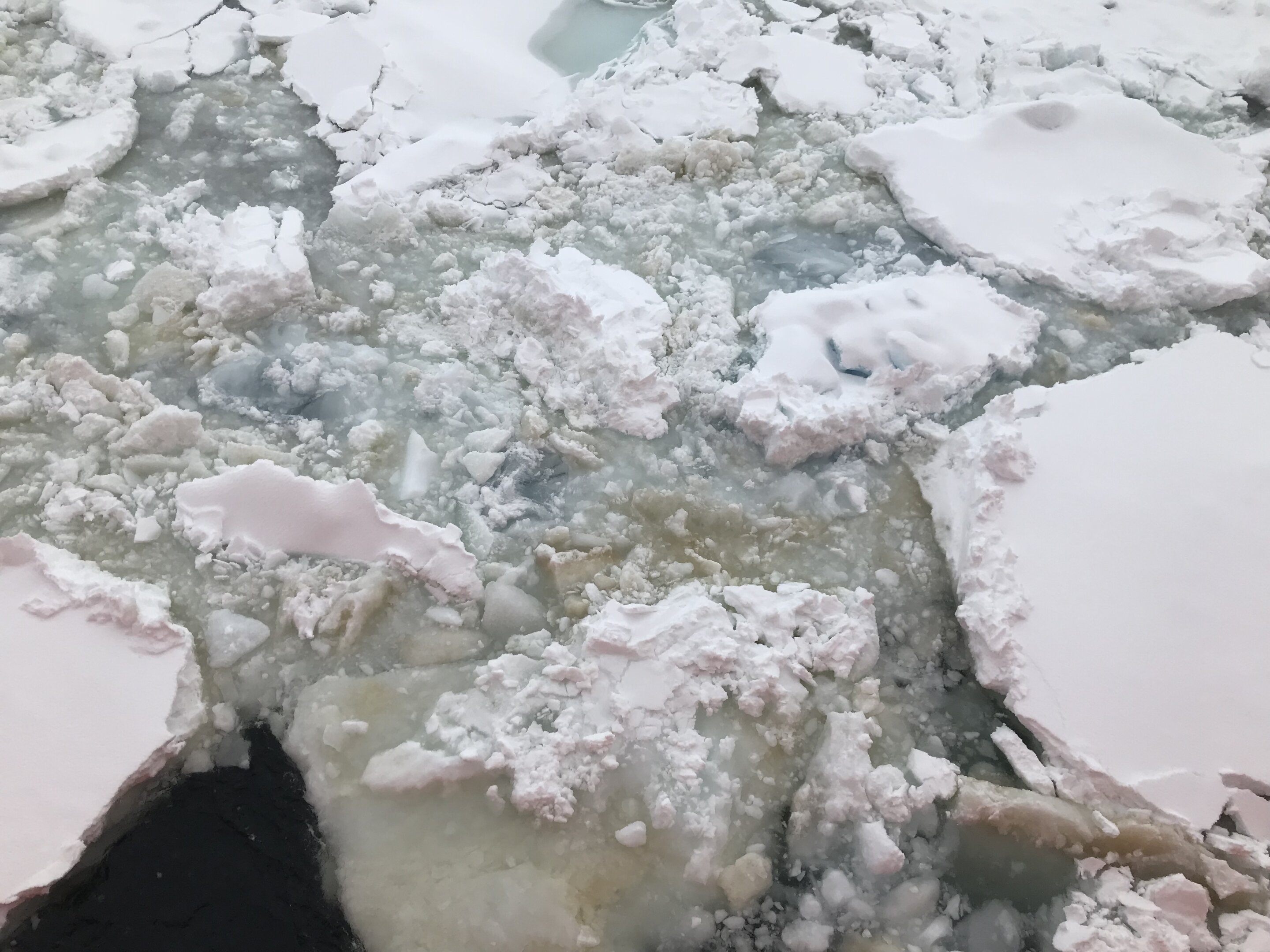
A study conducted by the University of Washington provides insights into how sea-ice algae and other single-celled organisms adapt to seasonal changes in temperature and salinity in the Antarctic. These microbes, which form the base of the food web and play a crucial role in carbon storage and cloud formation, produce cryoprotectants and adjust the concentration of salt-like organic molecules to survive fluctuating environments. The research also suggests that the production of omega-3 fatty acids may decline in lower-salinity environments, potentially impacting the marine ecosystem. The study highlights the need to understand how these organisms will respond to future climate change.