Japanese scientists have developed a new technology using a special photocatalyst to convert sunlight and water into hydrogen fuel, potentially offering a sustainable alternative to fossil fuels. This method, which employs a two-step water-cracking process, has shown promising results in real-world conditions, achieving higher solar energy conversion efficiency than in laboratory settings. However, the current efficiency is still below 5%, and further research is needed to improve photocatalysts and scale up the technology for practical use.
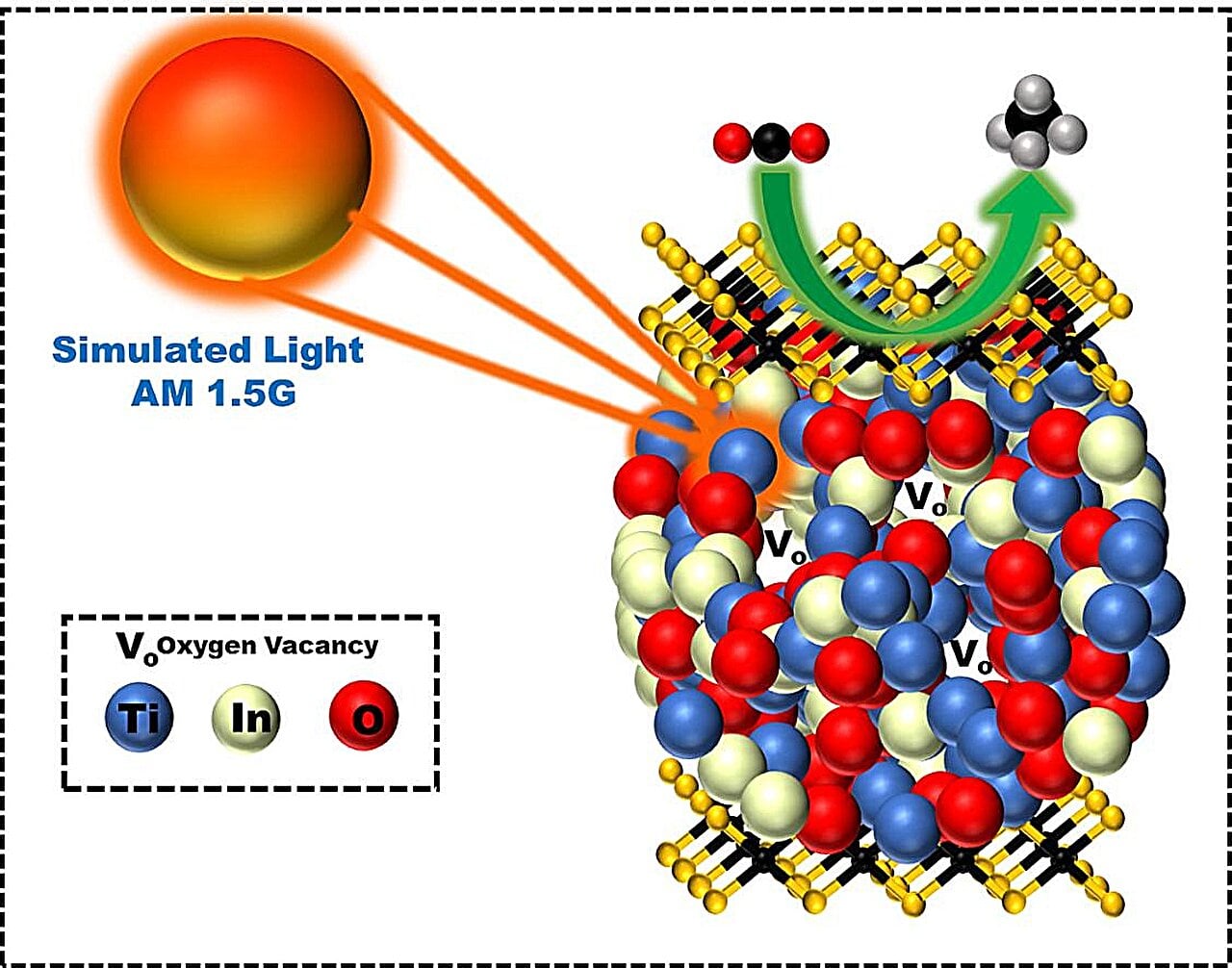
A research team at DGIST has developed a high-efficiency photocatalyst that utilizes sunlight to convert carbon dioxide into methane fuel, offering a promising solution for Carbon Capture and Utilization (CCU) technology. The photocatalyst features dual active spots and improves electron transfer performance, converting methane 51 times more than commercially available photocatalysts. This environmentally friendly technology could play a crucial role in reducing carbon dioxide emissions and addressing climate change crises.
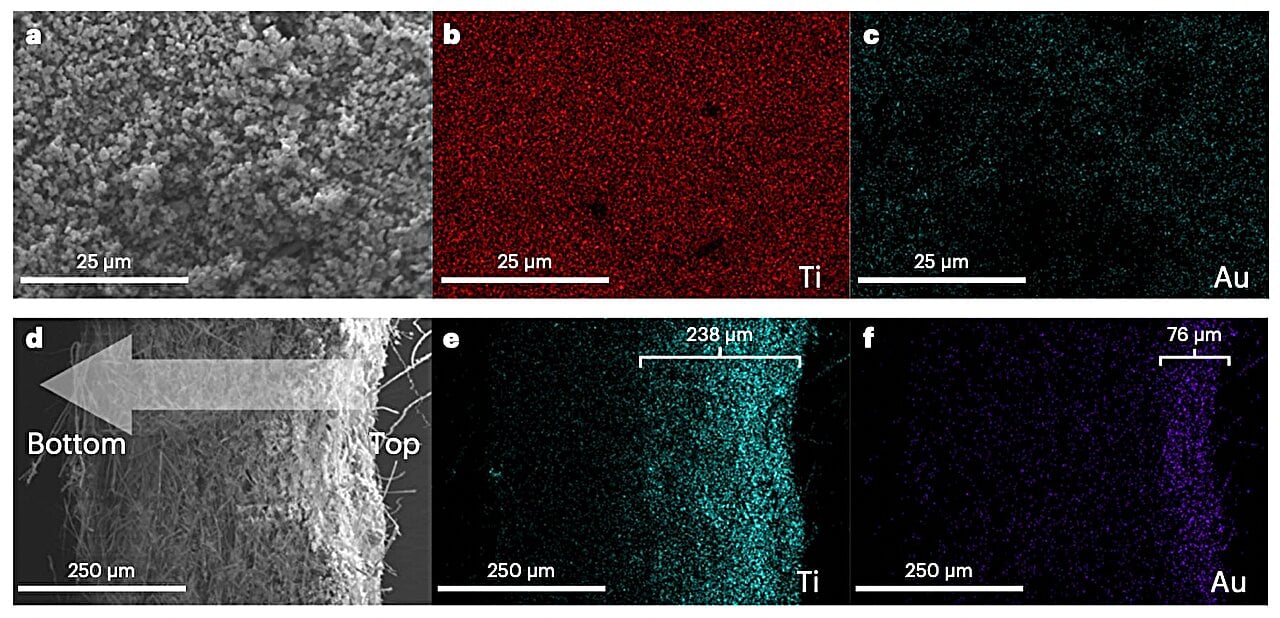
Researchers have developed a new photocatalyst based on titanium dioxide loaded with gold nanoclusters that could advance the oxidative coupling of methane. The photocatalyst showed high methane conversion rates and C2 selectivity without requiring extreme reaction conditions. The catalyst, called Au60s/TiO2, outperformed previously reported catalysts in terms of stability, methane conversion rate, and yield of C2. The easy fabrication of the photocatalyst could facilitate large-scale production and deployment, potentially enabling the valuable utilization of Earth's abundant methane reserves.
Scientists have discovered that a solid formed from ammonia and methane plasma can use sunlight to catalyze amine-to-imine conversions, a process crucial in the formation of early biomolecules. This finding suggests that the primordial atmosphere itself may have provided the necessary catalysts for these reactions, supporting the evolution of early RNA molecules. The study demonstrates the potential of carbon nitride-based photocatalysts and sheds light on the possible evolutionary path of biomolecules on early Earth.
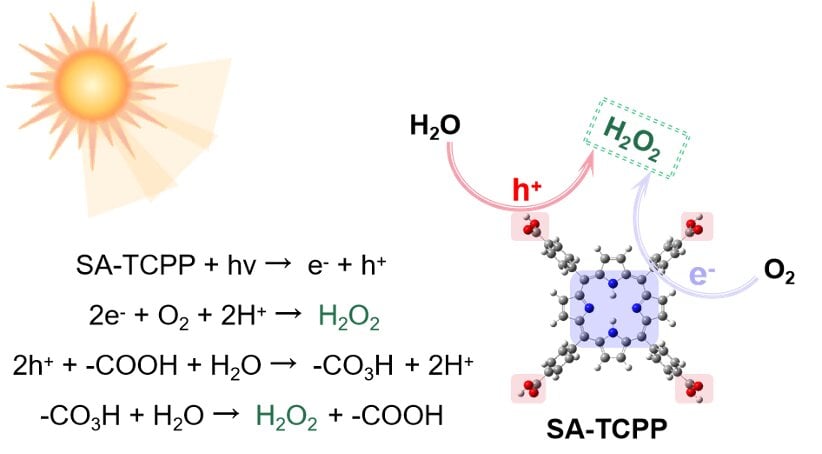
Researchers at Jiangnan University and Tsinghua University have developed a new photocatalyst that can produce hydrogen peroxide (H2O2) from only water and oxygen through photocatalysis. The photocatalyst is based on self-assembled tetrakis(4-carboxyphenyl)porphyrin, a compound sometimes used to analyze or remove metals. The researchers found that their photocatalyst exhibited a near-infrared wavelength quantum efficiency of 1.1% at 940 nm and a high solar-to-chemical conversion efficiency of ca. 1.2%. The results of initial tests conducted by this team of researchers are highly promising, highlighting the value of their proposed photocatalyst for the large-scale production of H2O2 using solar light.