Tag

Persuasion

All articles tagged with #persuasion

psychologylinguistics1 year ago

"Harvard Study Reveals Key Word for 50% More Influence"

According to a Harvard study, using the word "because" in requests can make people 50% more likely to comply, as it indicates consideration. Marketing professor Jonah Berger also identifies other "magic words" that can significantly influence communication, such as using "recommend" instead of "like" and swapping verbs for nouns. These subtle language shifts can have a big impact on persuading others, and paying attention to the specific words people use can help craft effective responses.

workplace-communication-skills1 year ago

"Mastering In-Demand Soft Skills for 2024: A LinkedIn Guide"

LinkedIn's Most In-Demand Skills Of 2024 report emphasizes the importance of communication skills in the workplace, with estimates suggesting a $1.2 trillion annual loss for U.S. businesses due to poor communication. The article provides ChatGPT prompts for negotiating, persuading, declining offers, making suggestions, encouraging others' ideas, and providing constructive feedback, aiming to empower professionals to navigate various workplace communication scenarios effectively and create a more collaborative workplace culture.

personal-development2 years ago

The Power of a 4-Word 'Hack' for Instant Influence, According to Experts

According to influence expert Niro Sivanathan, keeping your explanations brief is a four-word "hack" that can make you more persuasive. The dilution effect suggests that adding too many points weakens your argument, as people remember the average persuasiveness of each point rather than your strongest one. Instead, focus on confidently presenting your key argument and avoid listing multiple weaker points. This strategy can be applied in various situations, such as job interviews, presentations, and debates. Additionally, using silence as a negotiation tool can lead to better outcomes, as it allows time for analysis and thoughtful responses.

social-psychology2 years ago

"Harness the Power of the Present Tense for Online Persuasion, Study Finds"

A study from the University of Toronto suggests that using the present tense in online communication, such as reviews and pitches, can make the message more persuasive. The present tense makes the message seem more specific and concrete, allowing audiences to better visualize its meaning and feel psychologically closer to the author. The study found that reviews with more present tense verbs received higher helpfulness ratings, while reviews with past or future tense verbs received lower ratings. The impact of verb tense was particularly strong when the reader was geographically closer to the author. The study highlights the importance of using concrete language to enhance persuasiveness in online communication.

politics2 years ago

"Psaki Predicts Trump Mug Shot Backfire in 2024: The Power of Persuasive Images"

Former White House Press Secretary Jen Psaki believes that Donald Trump's recently released mug shot will not be beneficial for him in the 2024 general election, as independent and moderate voters are unlikely to be swayed by the image. While Trump and his allies may see it as a rallying point, Psaki argues that the scowling mug shot is unlikely to make him more appealing to anyone who is not already a hardcore supporter. Psaki emphasizes that sometimes images can be more persuasive than words, and in this case, the mug shot may backfire for Trump.

science2 years ago

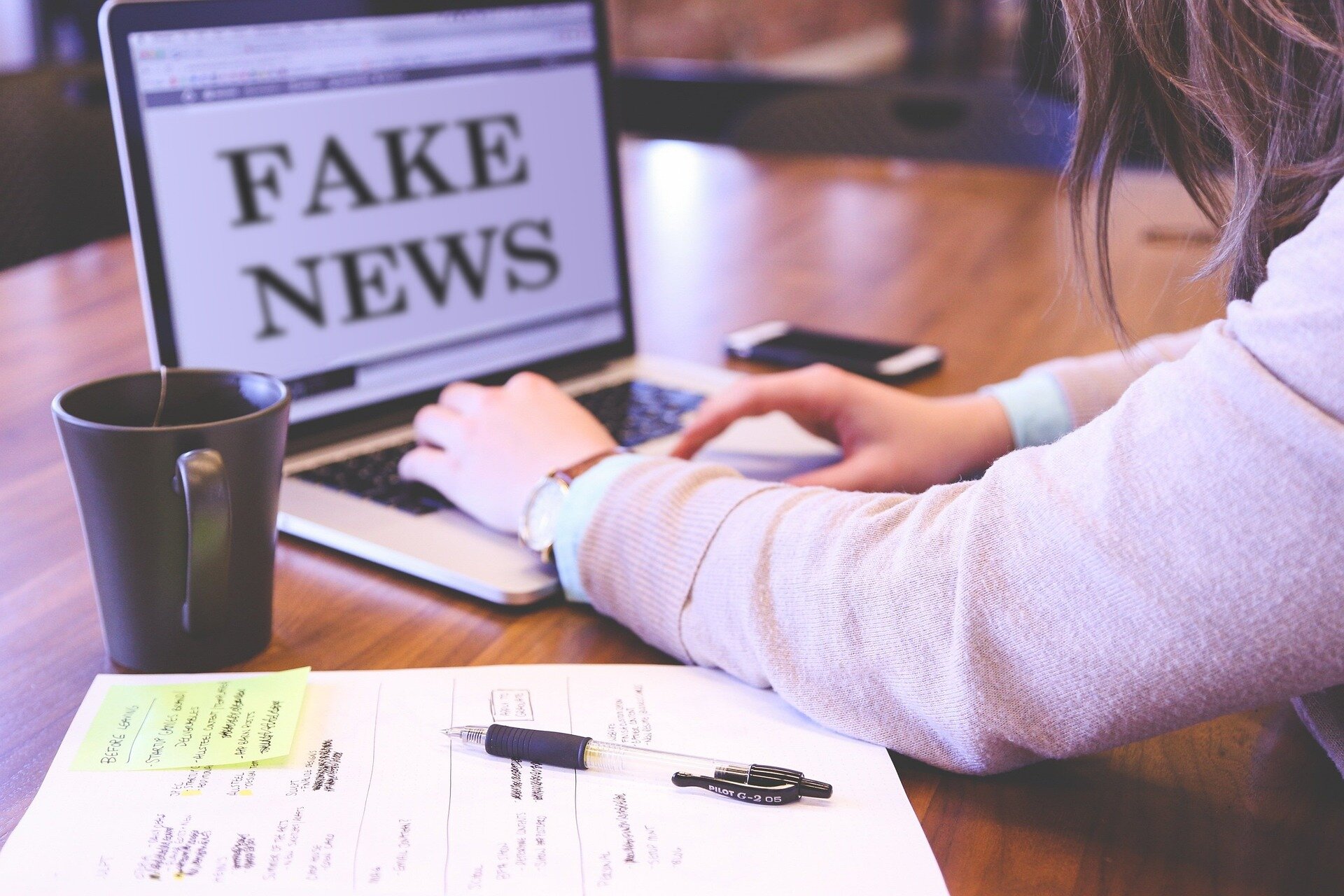
Navigating Misinformation: Strategies for Effective Communication.

A new study in Scientific Reports has found that "bypassing" misinformation is just as effective as debunking it head-on. This way requires considering what conclusions one wants their audience to reach and supporting those conclusions with positive facts the audience may not have considered. The bypassing strategy involves identifying a conclusion and figuring out how to bolster that conclusion with accurate information that doesn't directly refute misinformed claims. The researchers say that bypassing is a tool that policy makers and influential figures should use to fight misinformation.