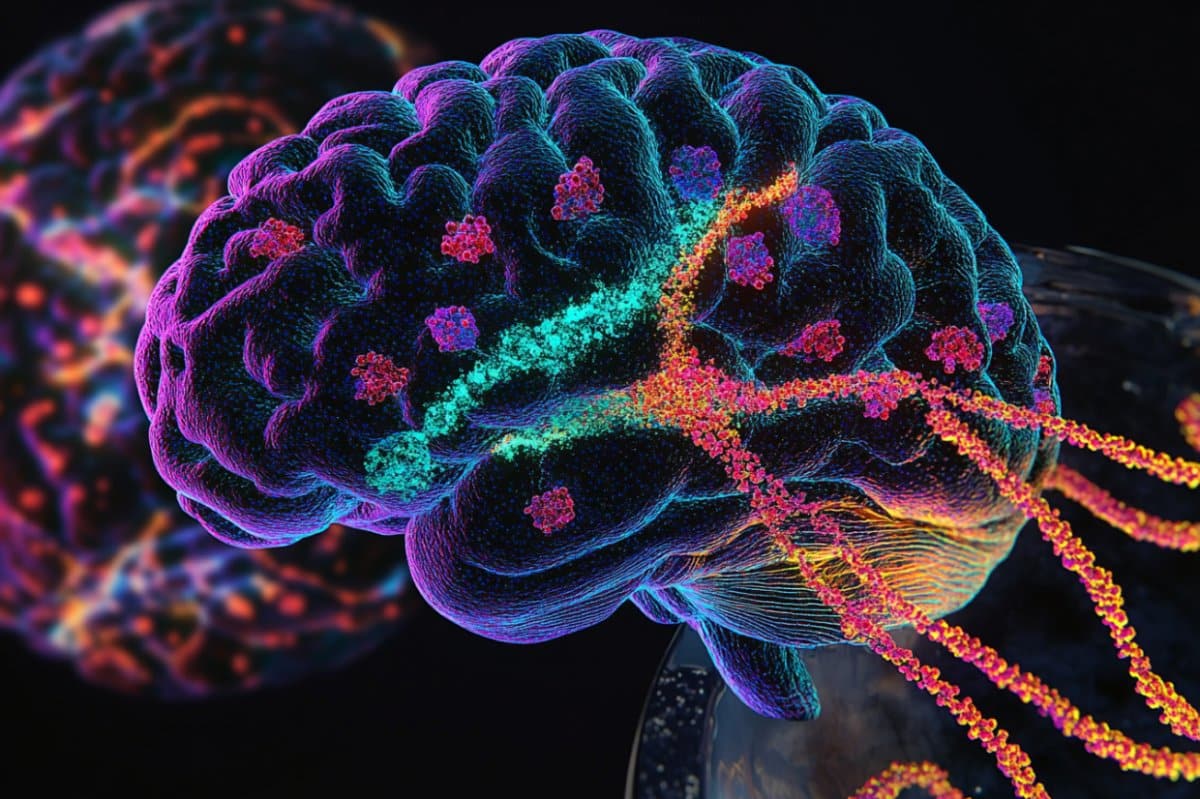
Scientists have developed a molecule that prevents the harmful clumping of alpha-synuclein protein, a key factor in Parkinson's disease, showing promise in animal models and potentially paving the way for new treatments to slow or stop disease progression.
Scientists in the UK have developed a peptide that stabilizes alpha-synuclein, a protein linked to Parkinson's and dementia, preventing harmful clumping in the brain. In animal models, this approach reduced protein buildup and improved movement, offering a promising avenue for future treatments of neurodegenerative diseases.
Researchers at Virginia Tech developed a lab-designed peptide, JM2, that targets glioblastoma stem cells by disrupting connexin 43's interaction with microtubules, effectively killing these resistant cells in lab tests and slowing tumor growth in animal models, offering a promising approach to prevent tumor recurrence in this aggressive brain cancer.
Peptide therapy, particularly for anti-aging and fitness purposes, is gaining popularity among tech workers. These short chains of amino acids, such as Sermorelin, Tesamorelin, and Ipamorelin, stimulate the release of human growth hormone, aiding in muscle repair and fat loss. Wellness clinics like NexGen Health offer peptide treatments, which are affordable and yield positive results. The global therapeutics market for peptides is projected to reach $77 billion by 2032. However, it is crucial to prioritize proper sleep, nutrition, exercise, and social interaction for optimal outcomes.