Mukesh Ambani challenges Coca-Cola and Pepsi for India fizzy drink dominance
Mukesh Ambani is challenging Coca-Cola and Pepsi for dominance in India's fizzy drink market, signaling a competitive shift in the industry.

All articles tagged with #pepsi
Mukesh Ambani is challenging Coca-Cola and Pepsi for dominance in India's fizzy drink market, signaling a competitive shift in the industry.
Elliott Management has launched a campaign against PepsiCo after acquiring a $4 billion stake in the company, signaling potential activist investor involvement and strategic pressure.
PepsiCo shares rose over 5% after activist investor Elliott Investment Management took a $4 billion stake, viewing it as a historic opportunity for a turnaround and increased shareholder value, with plans to work with the company on strategic improvements.
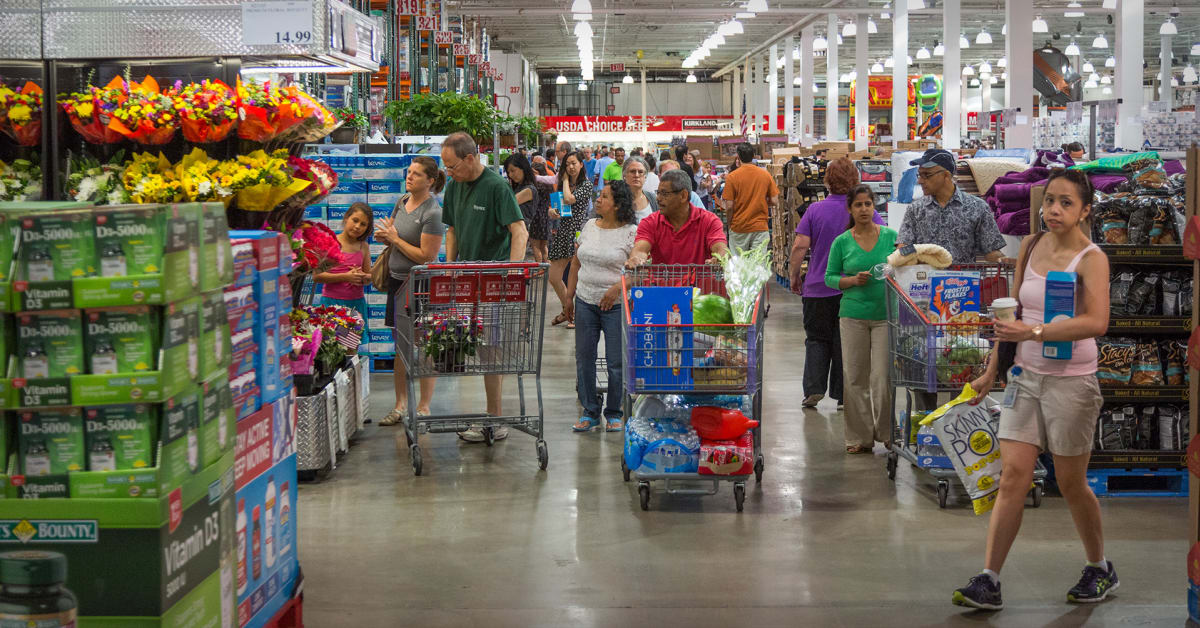
Costco is replacing Pepsi with Coca-Cola products at its food court, including the popular $1.50 hot dog deal, marking a significant shift in its beverage offerings and reflecting Coca-Cola's growing market presence.
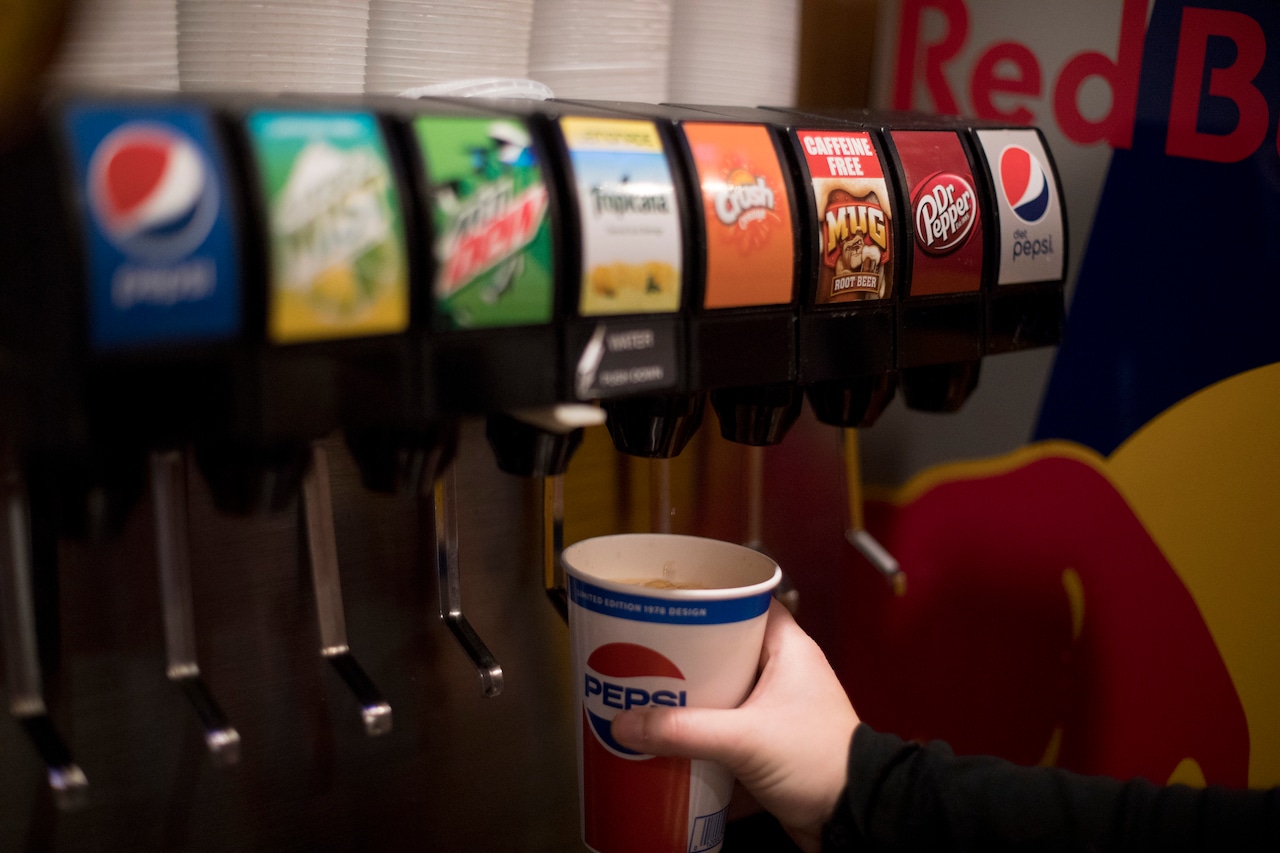
Dr Pepper has surpassed Pepsi to become the second most popular soda brand in the U.S. in 2023, according to Beverage Digest. Both brands hold around 8.3% of the market, with Dr Pepper slightly ahead, while Coke remains the leader with 19.2%. Dr Pepper's rise is attributed to its innovative limited edition flavors.
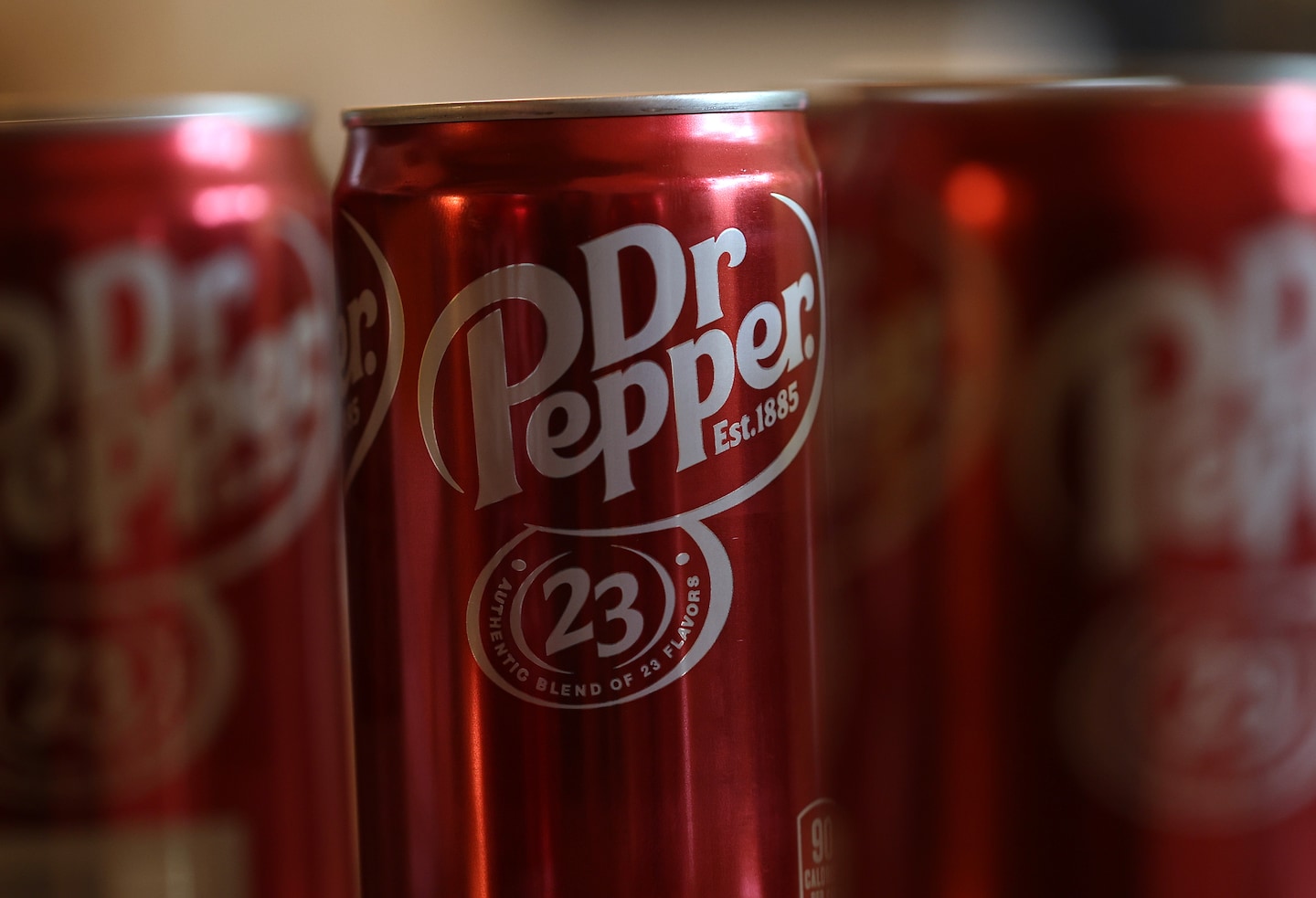
Dr Pepper has now matched Pepsi as the second-best-selling soda in the U.S., each holding 8.3% of the market, while Coca-Cola leads with 19.2%. Known for its mysterious blend of 23 flavors, Dr Pepper's rise in popularity contrasts with Pepsi's decline, surprising even its most dedicated fans. The drink's origins trace back to 1885 in Waco, Texas, where it was created by pharmacist Charles Alderton.
Dr Pepper has surpassed Pepsi to become the second biggest soda brand in the U.S., according to Beverage Digest. While Coca-Cola remains the market leader with a 19.2% share, Dr Pepper and Pepsi both hold 8.3%, with Dr Pepper slightly ahead. Dr Pepper's rise is attributed to its unique flavor offerings and successful marketing strategies, while Pepsi's focus on other brands and zero sugar lines may have contributed to its decline.
Dr Pepper has surpassed Pepsi to become the second largest soda brand in the U.S., according to Beverage Digest. While Coca-Cola remains the market leader, Dr Pepper and Pepsi both hold 8.3% of the market, with Dr Pepper slightly ahead. Dr Pepper's rise is attributed to its unique flavor offerings and successful marketing strategies, while Pepsi's focus on other brands and zero sugar lines may have contributed to its decline.
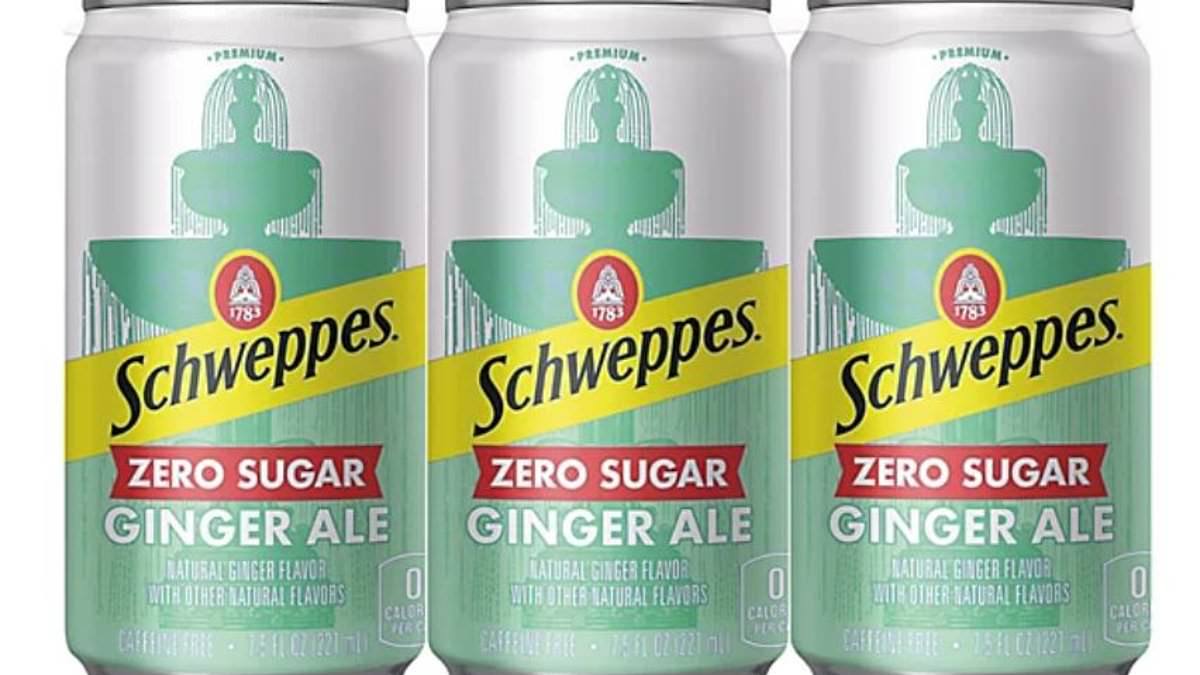
PepsiCo has recalled its Schweppes Zero Sugar Ginger Ale after discovering it contains full sugar, despite being marketed as sugar-free. The recall affects 233 cases of the product shipped to Maryland, Pennsylvania, and West Virginia. Customers are advised to discard the product, especially those monitoring their blood sugar. The incident highlights the growing demand for sugar-free and low-calorie drinks, as well as concerns about the accuracy of product labeling and the health effects of artificial sweeteners.
Subway will replace Coca-Cola products with Pepsi at its U.S. locations starting in January 2025 as part of a new 10-year partnership with PepsiCo. The switch will include Pepsi, Pepsi Zero Sugar, Tropicana, Gatorade, Aquafina, and other Pepsi beverages. Frito-Lay snacks will also remain available at Subway restaurants through 2030. The move aims to streamline Subway's snack and beverage portfolio and increase efficiency. This change follows Subway's previous initiatives, such as adding automatic deli slicers and introducing new sandwich options, contributing to positive same-store sales for 12 consecutive quarters.
Subway will replace Coca-Cola products with Pepsi starting in 2025, signing a 10-year deal with PepsiCo to serve its beverages like Mountain Dew, Gatorade, and Aquafina. The decision is based on guest preferences and is expected to provide additional value to franchisees, including new beverage equipment. This marks a shift from Subway's previous 15-year deal with Coca-Cola, and the change will roll out in all U.S. locations over several months. Additionally, Subway extended its partnership with Frito-Lay through 2030 for the sale of snack brands like Ruffles and Baked Lays.
Skyline Chili, a Cincinnati-based restaurant chain, has announced a switch from Pepsi to Coca-Cola products at its locations starting in April, with all locations expected to make the change by the end of May. The move has sparked mixed reactions from the public, with some expressing excitement for the new beverage options while others are disappointed to lose access to Pepsi products like Mountain Dew.
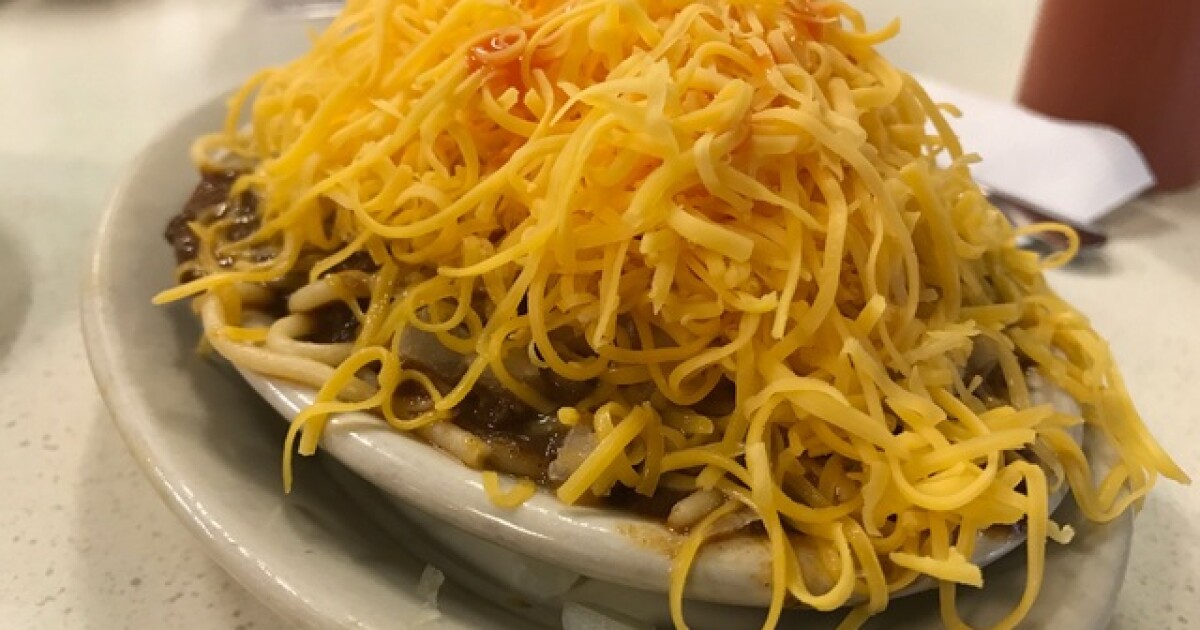
Skyline, a popular chili chain in Cincinnati, is switching from Pepsi to Coca Cola products, sparking mixed reactions from locals. The change, set to take place in April, means the end of Pepsi-partnered menu options and the absence of Mountain Dew, a fan favorite. While some are mourning the loss, others are debating whether Mellow Yellow, offered by Coca Cola, is a suitable substitute. Skyline's main competitor, Gold Star, has also announced a switch to a Coca Cola partnership. The move has stirred up discussions online, but only time will tell if the new partnership will be embraced by Cincinnati chili lovers.
PepsiCo's revenue has declined as US consumers reacted negatively to higher prices, impacting the company's sales in its key market. The company's beverage sales were particularly affected, leading to a 3.5% drop in revenue for the third quarter. This decline reflects the challenges companies face in managing consumer response to price increases amid inflationary pressures.
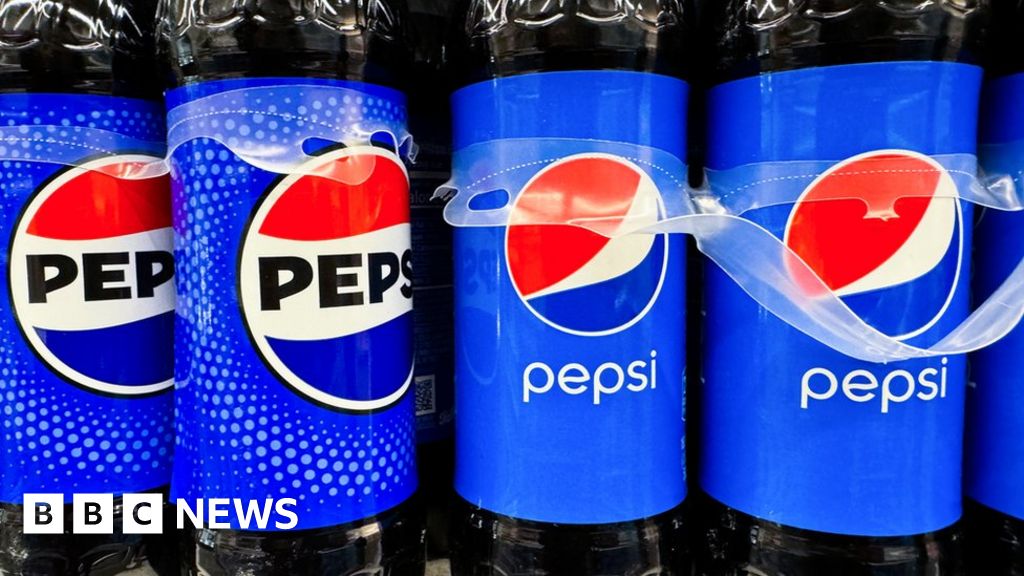
Carrefour, a major European supermarket chain, has announced it will stop selling Pepsi products in France, Spain, Italy, and Belgium due to what it calls "unacceptable price increases." This decision impacts items like Pepsi soda, Doritos, and Quaker cereals. The move reflects broader concerns over rising food prices, with French food prices having increased by 7.1% in December year-on-year. PepsiCo has cited rising costs for its price increases and has engaged in "shrinkflation," reducing product sizes without equivalent price reductions. Carrefour has been vocal in opposing such practices. While negotiations continue, Pepsi products currently in stock will remain available for sale.