Originally Published 3 months ago — by Wolf Street
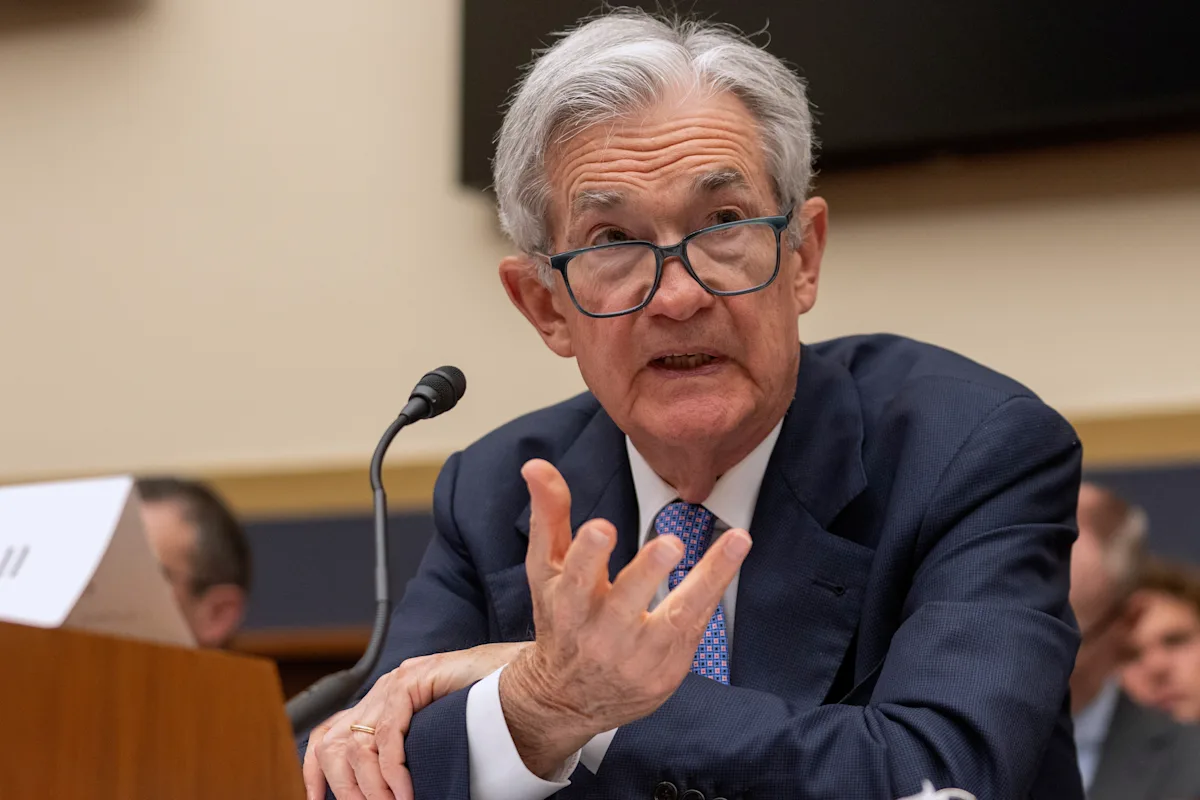
Inflation is rising in the US services sector, with the PCE Price Index showing acceleration, despite Fed Chair Powell's claims to the contrary, while durable goods prices continue to decline, reflecting changing consumer behavior and market conditions.

The Federal Reserve's key inflation indicator remained high in August at 2.7%, complicating efforts to control inflation amid new tariffs announced by President Trump, with consumer spending rising but incomes growing slowly, leading to a decline in savings.
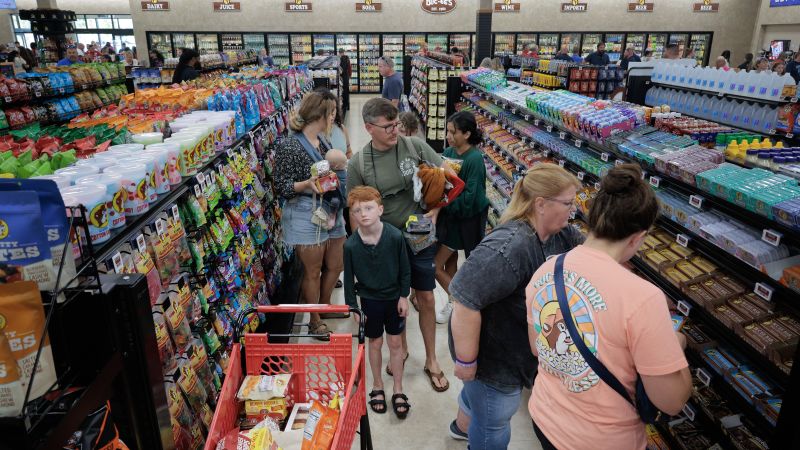
The Federal Reserve's preferred inflation measure, the PCE index, increased slightly in August to 2.7% year-over-year, indicating persistent inflation above the 2% target despite recent rate cuts. Consumer spending remained strong, driven mainly by higher income at the top of the income distribution, while inflation-adjusted spending grew 0.4%. The Fed remains cautious about rate cuts amid ongoing inflation concerns and external economic pressures.
Inflation in the U.S. rose slightly in August according to the PCE index, but not enough to alarm the Federal Reserve, which is still considering rate cuts. The core inflation rate remains steady, and the overall inflation rate is above the Fed's 2% target but expected to peak soon, with upcoming employment and consumer price reports likely to influence future rate decisions.
Core inflation remained steady at 2.9% in August, with the overall inflation rate at 2.7%, supporting the Fed's plan for potential interest rate cuts despite inflation being slightly above the 2% target. Consumer spending and incomes were higher than expected, and tariffs have had limited impact on prices, with markets anticipating a rate cut in October.
Silver prices are highly dependent on upcoming US inflation data and Federal Reserve policy signals. The July core PCE index remains above target, influencing the Fed's potential actions, while consumer sentiment and industrial demand also impact market outlook. A weaker inflation report could boost silver, whereas a stronger one might limit gains.
The Federal Reserve's preferred inflation measure remained stable in July, supporting the likelihood of interest rate cuts in September as inflation stays near target levels, despite tariff-induced price pressures and steady consumer spending.
Originally Published 4 months ago — by Wolf Street
Inflation in core services, which account for two-thirds of consumer spending, continues to accelerate, driven by non-housing services, while durable goods prices, affected by tariffs, have turned negative. Overall, inflation remains above the Fed's 2% target, with services inflation being particularly persistent and difficult to control, and companies still enjoying high profits despite the challenging pricing environment.
The Federal Reserve's key inflation indicator showed mixed signals in July, with overall inflation steady but core inflation rising for the fourth consecutive month, amid increased consumer spending and ongoing trade tensions, raising concerns about inflationary pressures and the possibility of interest rate cuts.
Economists are closely watching the upcoming July PCE inflation data, which is expected to show a rise to 2.9%, driven by tariffs and rising service sector inflation, potentially limiting the Federal Reserve's scope for rate cuts. Consumer spending is also expected to have increased but may slow down due to higher prices and a cooling job market, with some analysts noting a shift towards more cautious consumer behavior. The Fed's decision on interest rates in September may be influenced by these inflation and spending trends.
US consumer spending increased by 0.3% in June, supporting economic growth despite rising inflation, which reached 2.6% annually, driven by higher energy and goods prices, including tariff-related costs.
In June 2025, U.S. personal income rose by 0.3%, driven by increased government social benefits and wages, with consumer spending also up by 0.3%, and the PCE price index increasing by 0.3%, indicating moderate economic growth and inflation.
The Federal Reserve's preferred inflation measure, the core PCE index, showed a rise in May, with inflation remaining above the 2% target, while economic activity slowed, leading markets to increasingly price in a potential interest rate cut later this year.
Inflation in May increased slightly more than expected, with the core PCE index rising by 0.2%, leading the Federal Reserve to likely delay interest rate cuts until at least September to better assess the impact of tariffs and inflation trends.
In May 2025, US personal income declined by 0.4%, with decreases in government benefits and farm income partly offset by higher wages, while personal consumption expenditures fell slightly, and the PCE price index saw modest increases.