The article emphasizes the urgent need for medical schools and health systems to integrate AI literacy and protocols into clinical training, advocating for AI as a vital tool for doctors to enhance patient care and decision-making, especially in underserved areas, rather than restricting its use.
The article discusses how shame affects medical professionals and patients, highlighting efforts by doctors like Will Bynum to teach 'shame competence' to reduce its harmful impact, improve physician well-being, and foster healthier patient interactions amid a culture that often blames and stigmatizes patients and clinicians alike.
The UK health minister visited a Bristol GP surgery that uses AI to automate note-taking and letter drafting, improving efficiency and allowing GPs to spend more time with patients. The surgery handles nearly 14,000 patients and has integrated AI to support safety and data security, with the government planning to expand such technologies to meet increasing demand. The minister emphasized the importance of safe AI use in healthcare's future.
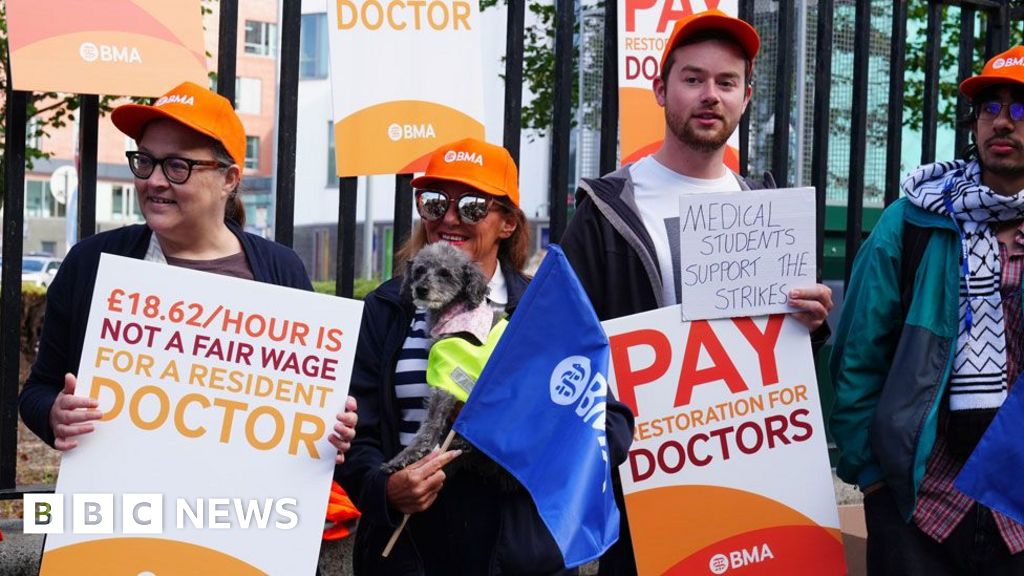
The NHS in England is facing a challenging few days due to a five-day strike by resident doctors over pay disputes, with efforts to minimize disruption while maintaining essential services. The strike has led to cancellations and stretched resources, with government and union negotiations ongoing, and concerns about the impact on patient care and NHS progress.
AI is rapidly transforming the medical field by enhancing research, streamlining administrative tasks, improving patient care, and reshaping medical education, despite some challenges like data privacy and bias.
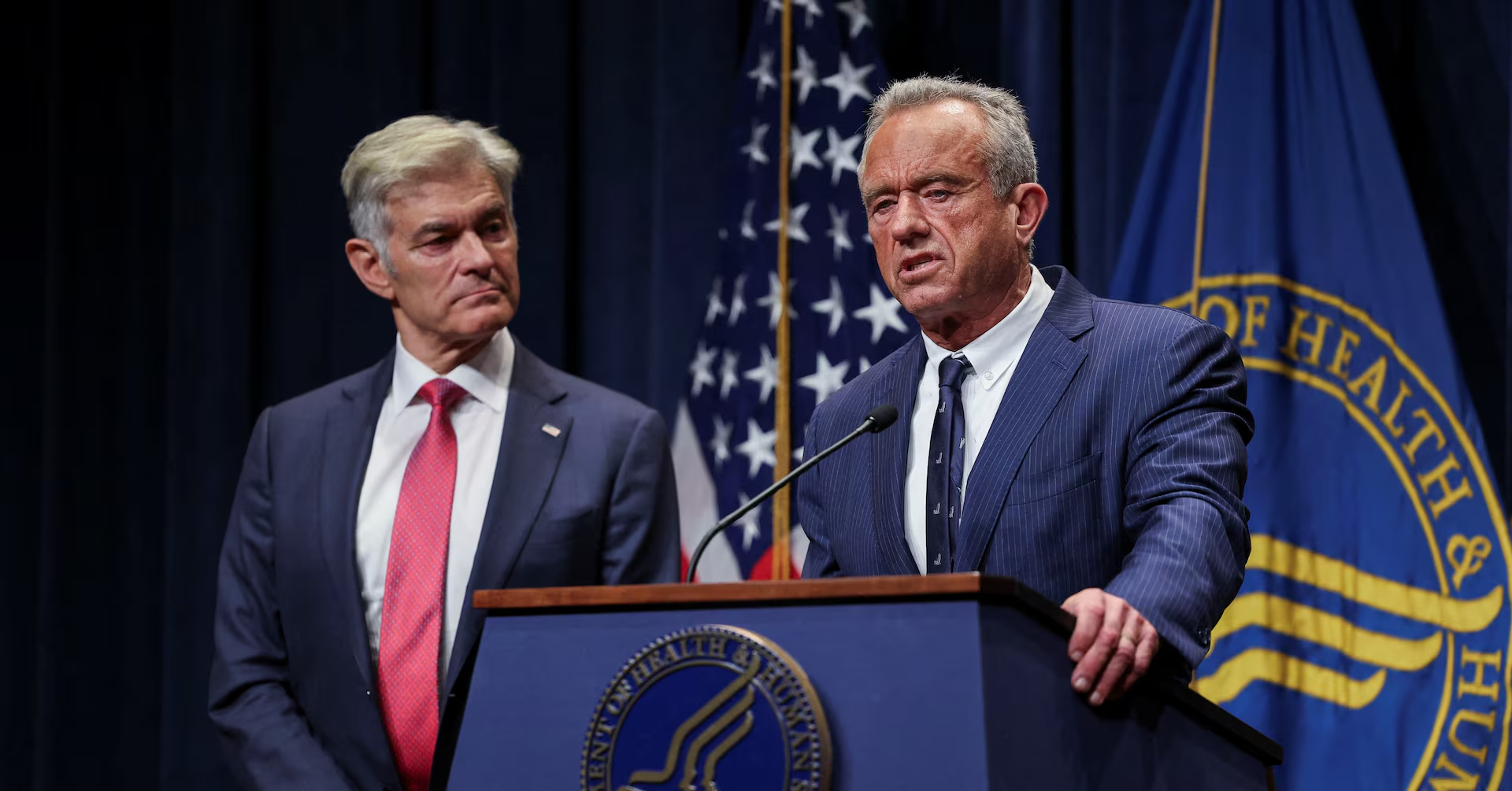
U.S. Health Secretary Robert F. Kennedy Jr. secured commitments from major insurers to simplify prior authorization processes, including digital submissions and reduced scope, aiming to improve healthcare efficiency and patient experience, with participation being voluntary and plans to standardize procedures by 2027.
Major U.S. health insurers including UnitedHealthcare, CVS, Cigna, and others have agreed to streamline and speed up the prior authorization process to reduce delays and administrative burdens, benefiting over 250 million Americans and aiming for real-time approvals by 2027.
Research at Memorial Sloan Kettering shows that music therapy, involving talk, music, and lyric creation, can significantly improve the quality of life for cancer patients by helping them manage stress and emotions, with benefits comparable to traditional therapy. The therapy's active, collaborative nature allows patients to express feelings and find healing through music, contributing to better emotional well-being and resilience during and after treatment.
The article discusses how the medical system's reliance on changing numerical thresholds for diagnoses like hypertension and kidney disease has led to widespread overdiagnosis and overtreatment, driven by broadening definitions and influenced by organizations, often without considering individual patient nuances or potential harms of aggressive treatment.
The article highlights the positive impact of a community health clinic in Madison, Wisconsin, where staff provide comprehensive care and support to patients like Florenzo Cribbs, emphasizing the importance of personalized and holistic healthcare services.
Three general surgeons have resigned from Northwest Health-Porter hospital, but officials assure that patient care will not be disrupted. The hospital still has two general surgeons on staff and is planning to add more by 2025. Additionally, they have employed surgeons available 24/7 for trauma and emergency surgeries. The hospital emphasizes its commitment to providing high-quality care and continues to expand its medical staff, which includes various specialized surgeons.
Three general surgeons have resigned from Northwest Health-Porter hospital, but officials assure that patient care will not be disrupted. The hospital still has two general surgeons on staff and plans to add more in 2025. Additionally, they have employed surgeons available 24/7 for trauma and emergencies. The hospital emphasizes its commitment to quality care and continues to expand its medical staff, which includes various surgical specialties.
Anthem Blue Cross Blue Shield has reversed a controversial policy that would have restricted the duration of anesthesia coverage for certain medical procedures. This decision comes after backlash from healthcare providers and patients who argued that the policy could compromise patient safety and care quality. The reversal ensures that anesthesia coverage will continue to be determined based on medical necessity rather than predetermined time limits.
Anthem Blue Cross Blue Shield reversed its decision to limit payments for anesthesia based on time, following public backlash and intervention from officials. The policy, which was set to affect several states, was criticized for prioritizing profits over patient care. Anthem clarified that it never intended to deny payments for necessary anesthesia services, and the reversal was due to "significant widespread misinformation."
Anthem Blue Cross Blue Shield has reversed its decision to implement a policy that would tie payments to the duration of anesthesia, following widespread criticism and claims of misinformation. The policy, which was set to affect several states, was criticized by the American Society for Anesthesiologists as prioritizing profits over patient safety. Anthem clarified that it never intended to deny payments for necessary anesthesia services and has rescinded the proposed changes.