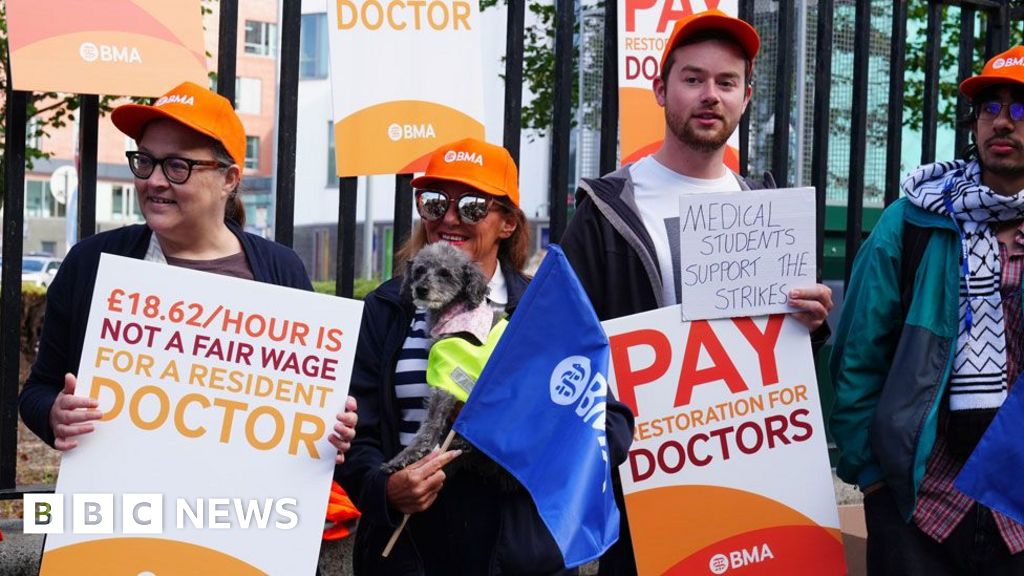
The NHS in England is facing a challenging few days due to a five-day strike by resident doctors over pay disputes, with efforts to minimize disruption while maintaining essential services. The strike has led to cancellations and stretched resources, with government and union negotiations ongoing, and concerns about the impact on patient care and NHS progress.
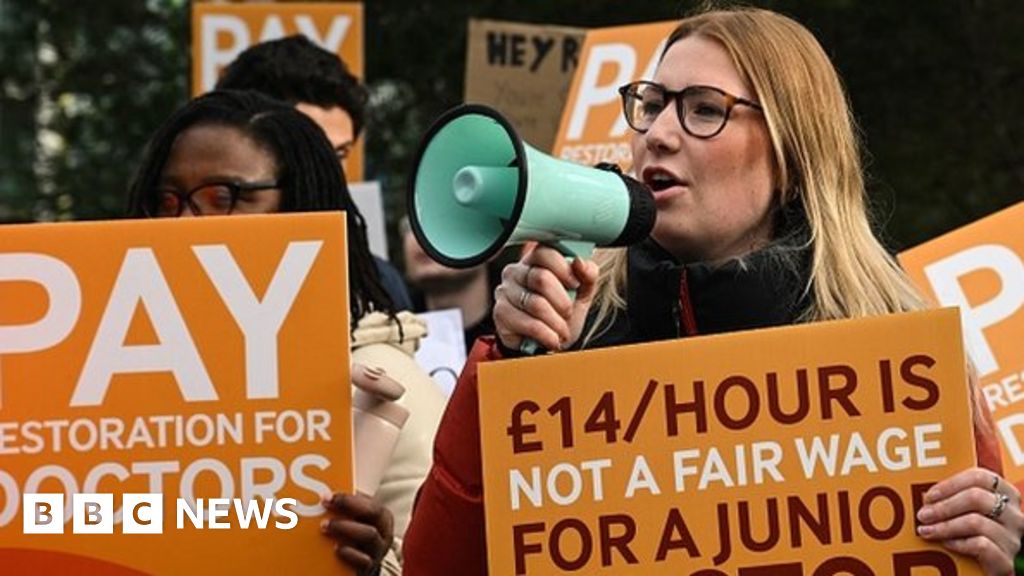
The NHS Confederation chief executive, Matthew Taylor, has called for the government and junior doctors' unions to seek help from conciliation service Acas ahead of the four-day strike by junior doctors in England, which is set to be the most disruptive walkout in NHS history. The British Medical Association wants a 35% pay rise to make up for 15 years of below-inflation wage rises, which has caused a recruitment and retention crisis. Potentially 350,000 appointments and operations could be cancelled. Mental health and some GP services will also be affected.
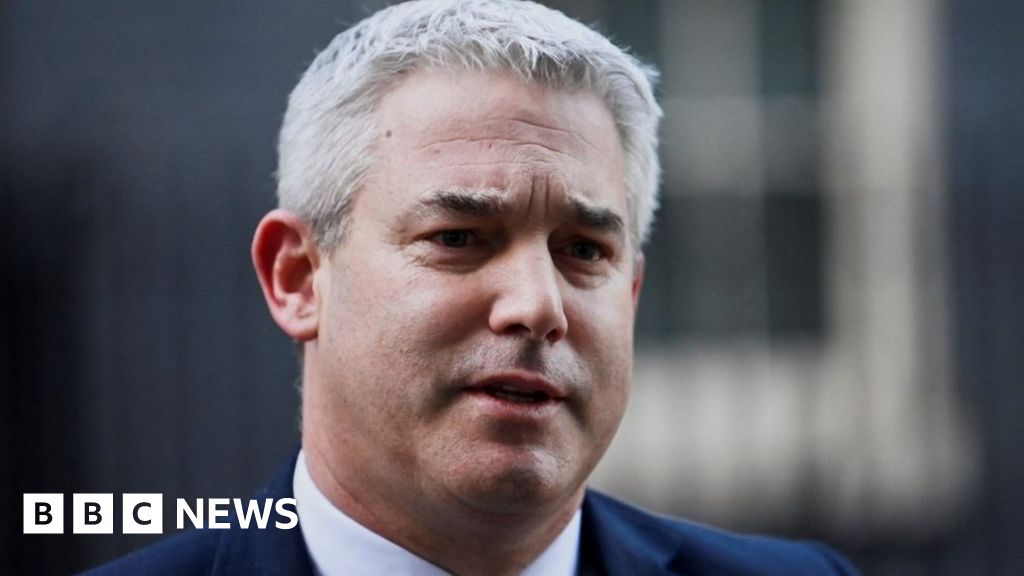
Health Secretary Steve Barclay has criticised the British Medical Association (BMA) for its "unrealistic" pay demands, which he said were "out of step with pay settlements in other parts of the public sector". Junior doctors in England are set to stage a four-day strike from Tuesday, with the BMA calling for a 35% pay rise to make up for 15 years of below-inflation wage rises. Health bosses have estimated that up to a quarter of a million operations and appointments could be postponed as a result of the strike.