Tag

Paper

All articles tagged with #paper

The Science Behind Paper's Increased Vulnerability to Tears When Wet
science-and-technology2 years ago

The Science Behind Paper's Increased Vulnerability to Tears When Wet

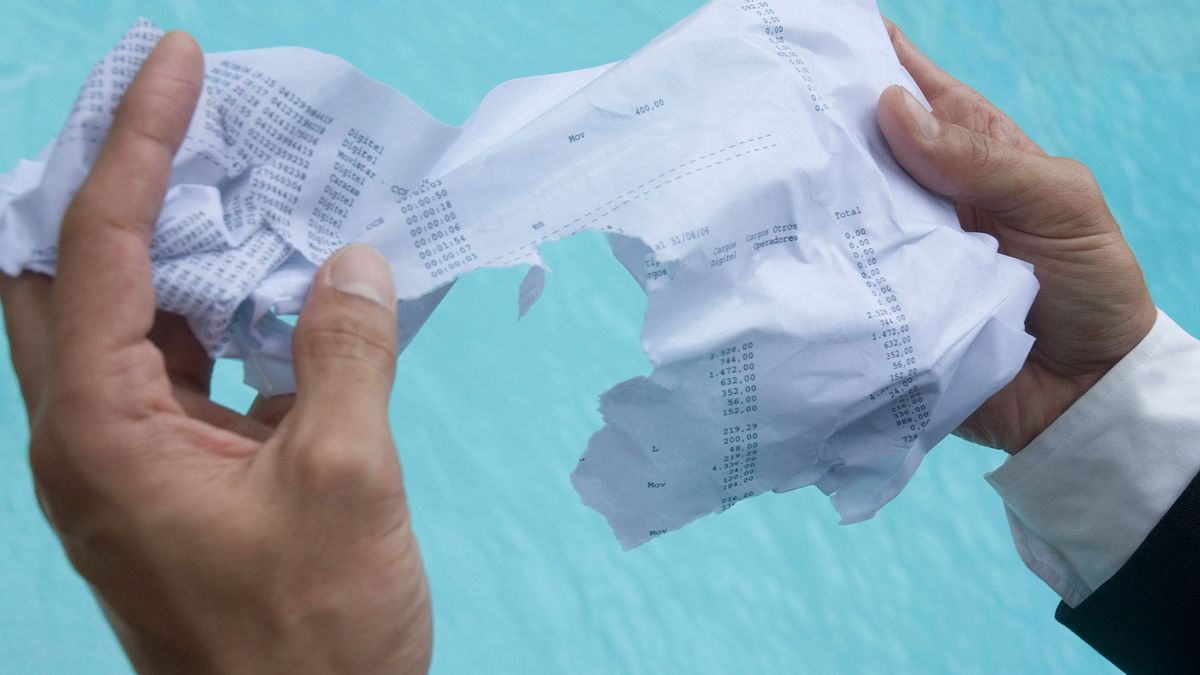
Paper tears more easily when it's wet due to the disruption of hydrogen bonds between cellulose fibers caused by water. The cellulose fibers in paper are interlocked and bonded together through hydrogen bonds, but when water is introduced, it forms its own hydrogen bonds with the cellulose, blocking the fibers from binding. This weakens the paper's structure, making it easier to tear. Different paper products have varying responses to water due to the additives included during the papermaking process. Dry strength additives like potato starch can enhance the strength of paper, but even toughened cardboard can lose its strength when exposed to moisture as starch dissolves in water.
"Revolutionary Liquid Metal Coating Transforms Ordinary Objects into Smart Devices"
science-and-technology2 years ago

"Revolutionary Liquid Metal Coating Transforms Ordinary Objects into Smart Devices"

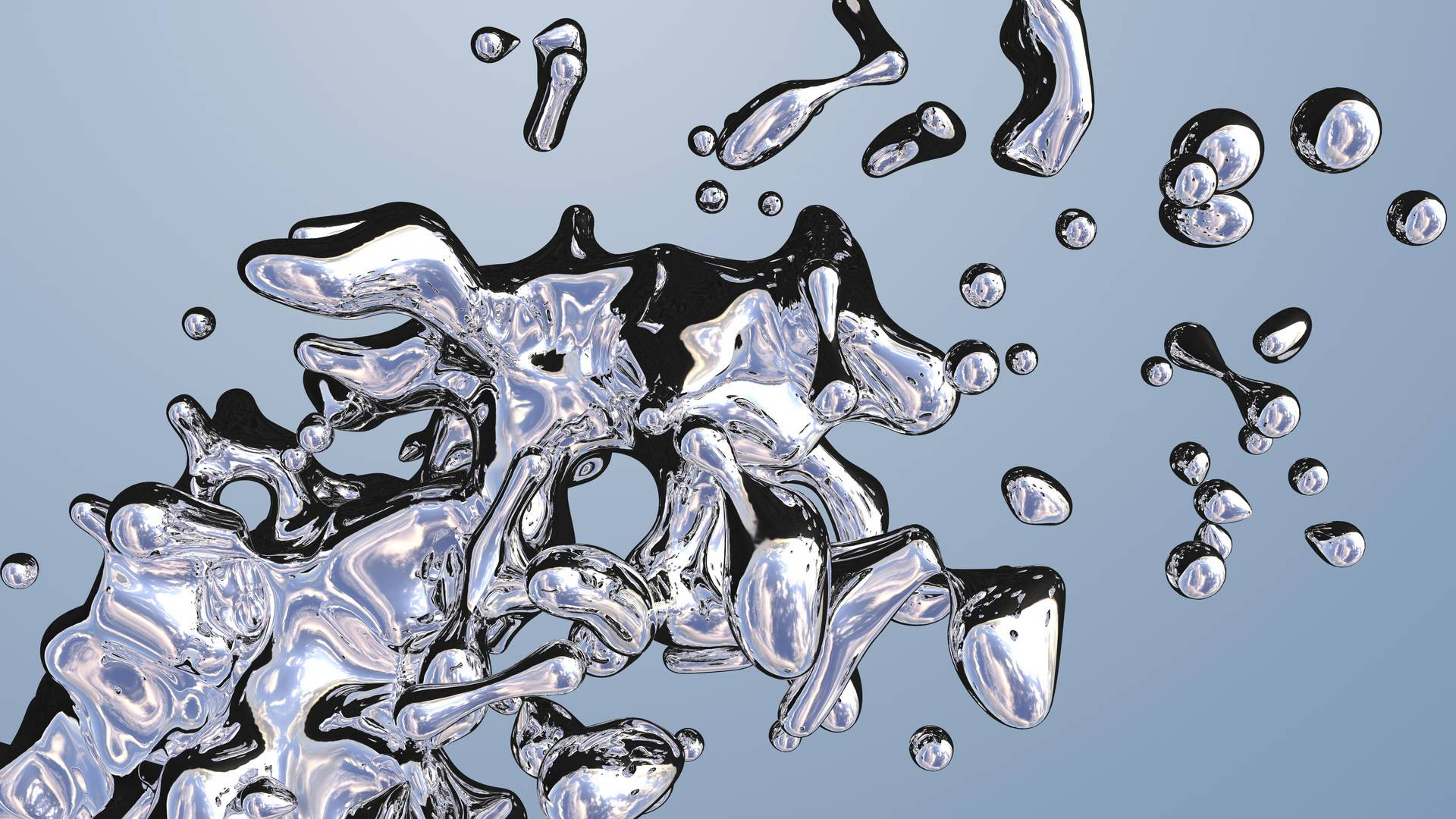
Scientists at Tsinghua University have developed a liquid metal coating that can transform ordinary paper into self-adhesive gadgets capable of conducting heat and electricity. The researchers successfully formulated a liquid alloy and applied it to paper using a stamping technique, eliminating the need for adhesives. This breakthrough opens up new possibilities for creating lightweight, flexible smart objects and soft robots that can operate autonomously in various environments.

Revolutionary Liquid Metal Enables Smart Devices Without Binding Agents.
technology2 years ago

Revolutionary Liquid Metal Enables Smart Devices Without Binding Agents.

Chinese scientists have developed a new method of applying liquid metal to surfaces such as paper and plastic, transforming these everyday materials into potential “smart devices.” The method involves adjusting pressure rather than using a binding material, enabling the liquid metal to adhere to surfaces, a previously challenging task due to high surface tension. The technique may have applications in wearable testing platforms, flexible devices, and soft robotics. The researchers plan to broaden the application to diverse surfaces and construct smart devices from materials treated by this method.