
Tag

Pan Starrs

All articles tagged with #pan starrs

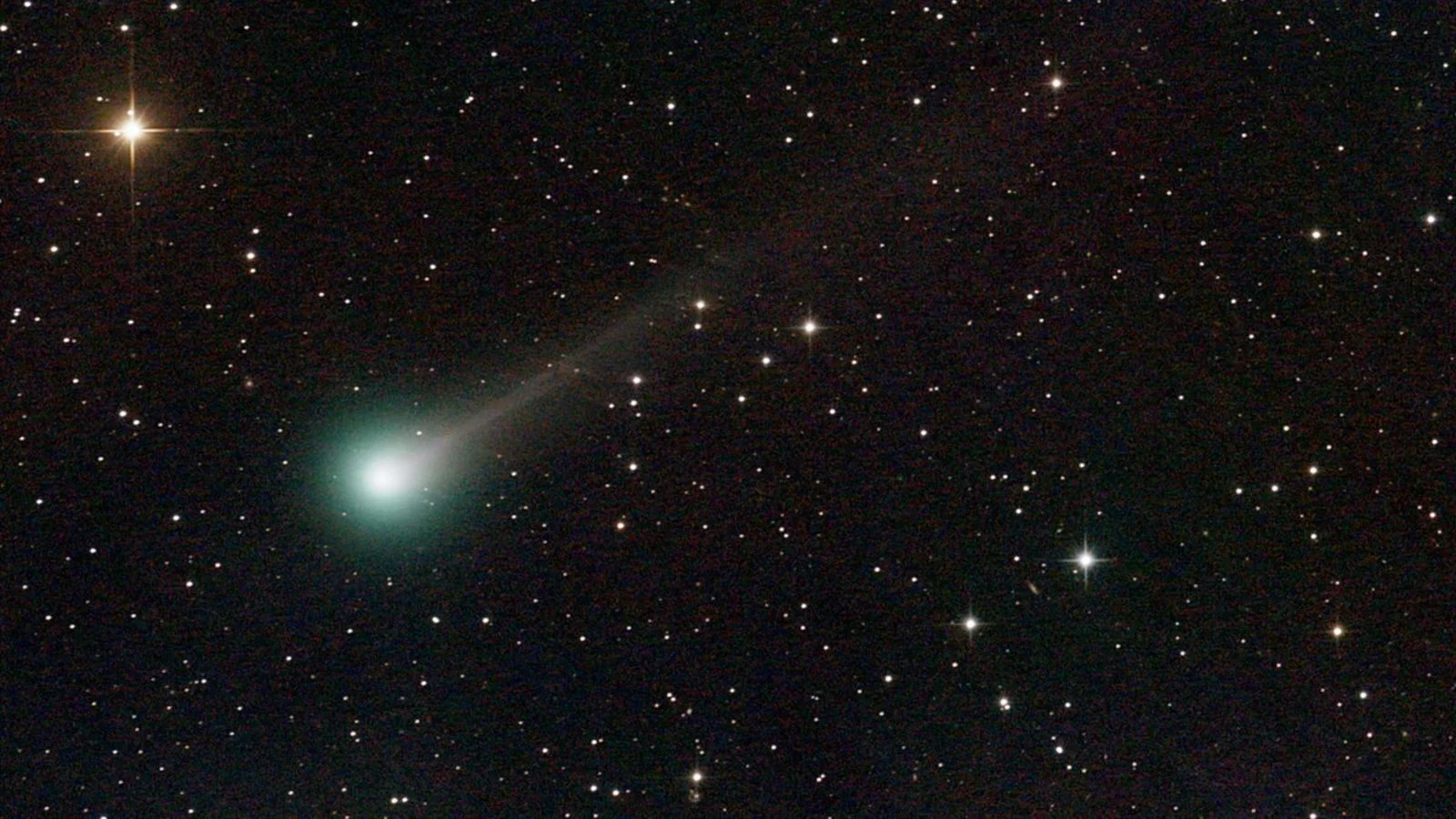
Great Comet of 2026 Could Be Naked-Eye Visible
space5 days ago

Great Comet of 2026 Could Be Naked-Eye Visible

Astronomers say the newly spotted Comet C/2025 R3 (Pan-STARRS) could become 2026’s Great Comet, with perihelion around April 20 and Earth flyby around April 27. Brightness is uncertain—estimates range from magnitude 8 (visible with a telescope) to about magnitude 2.5 (visible to the naked eye). The best naked-eye viewing window may be around April 17 near the new Moon, and the comet will be in Pisces near Pegasus as it approaches the Sun; forward scattering could boost brightness if the geometry aligns.
"Unveiling the Location of Planet Nine in Our Solar System"
astronomy1 year ago

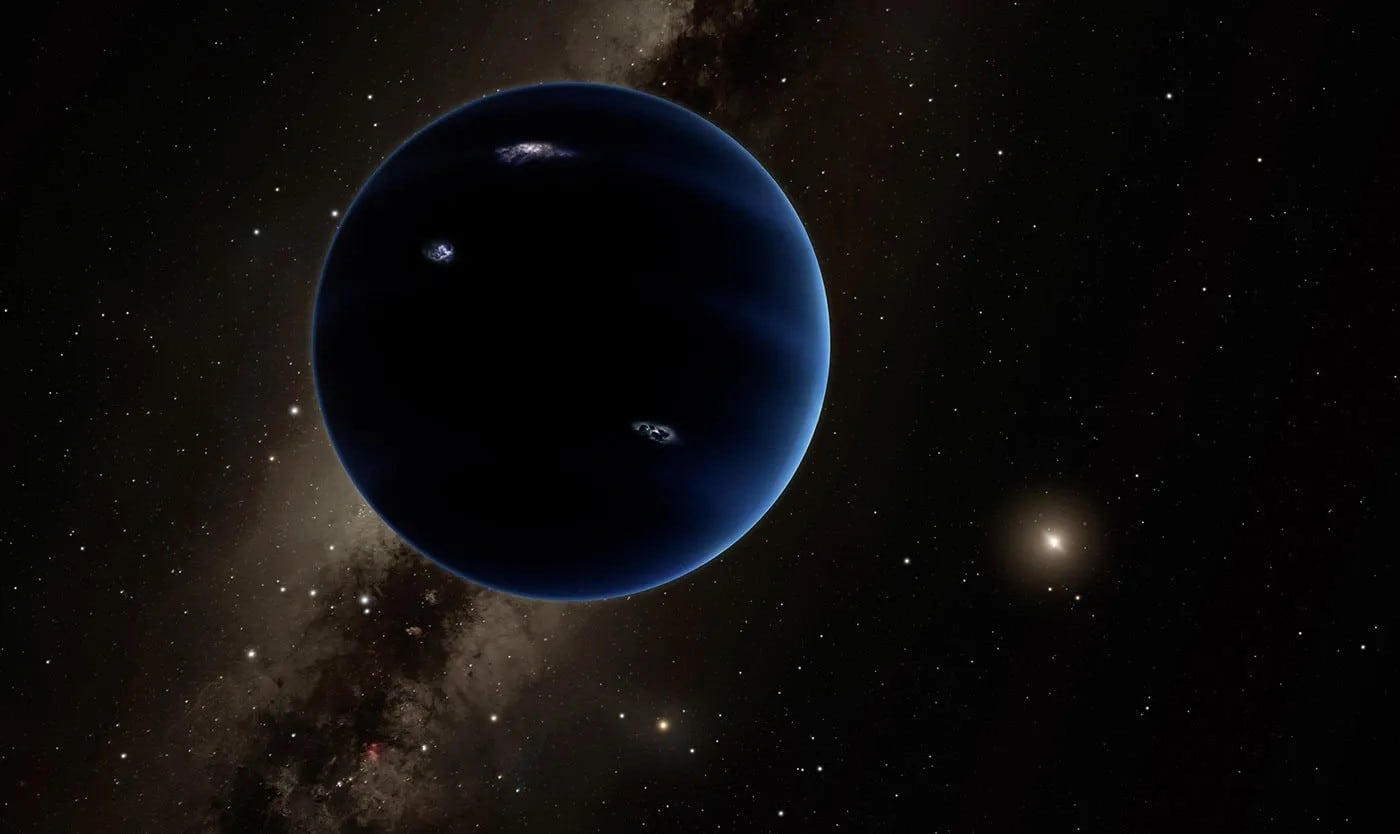
"Unveiling the Location of Planet Nine in Our Solar System"

Astronomers have narrowed down the potential location of the elusive Planet X, also known as Planet 9, using data from the Pan-STARRS telescope. The hypothetical planet is estimated to be the fifth largest in our solar system, with a mass between that of Earth and Uranus, and could be around 500 AU away from the Sun. Despite significant progress, the planet remains undiscovered, but upcoming surveys like the Legacy Survey of Space and Time at the Vera C. Rubin Observatory offer hope for bringing Planet X into our known solar system, potentially providing insights into planetary science and explaining anomalies in the outer solar system's orbital patterns.

"Pan-STARRS Discovers Dracula's Chivito: A New Protoplanetary Disk"
astronomy1 year ago

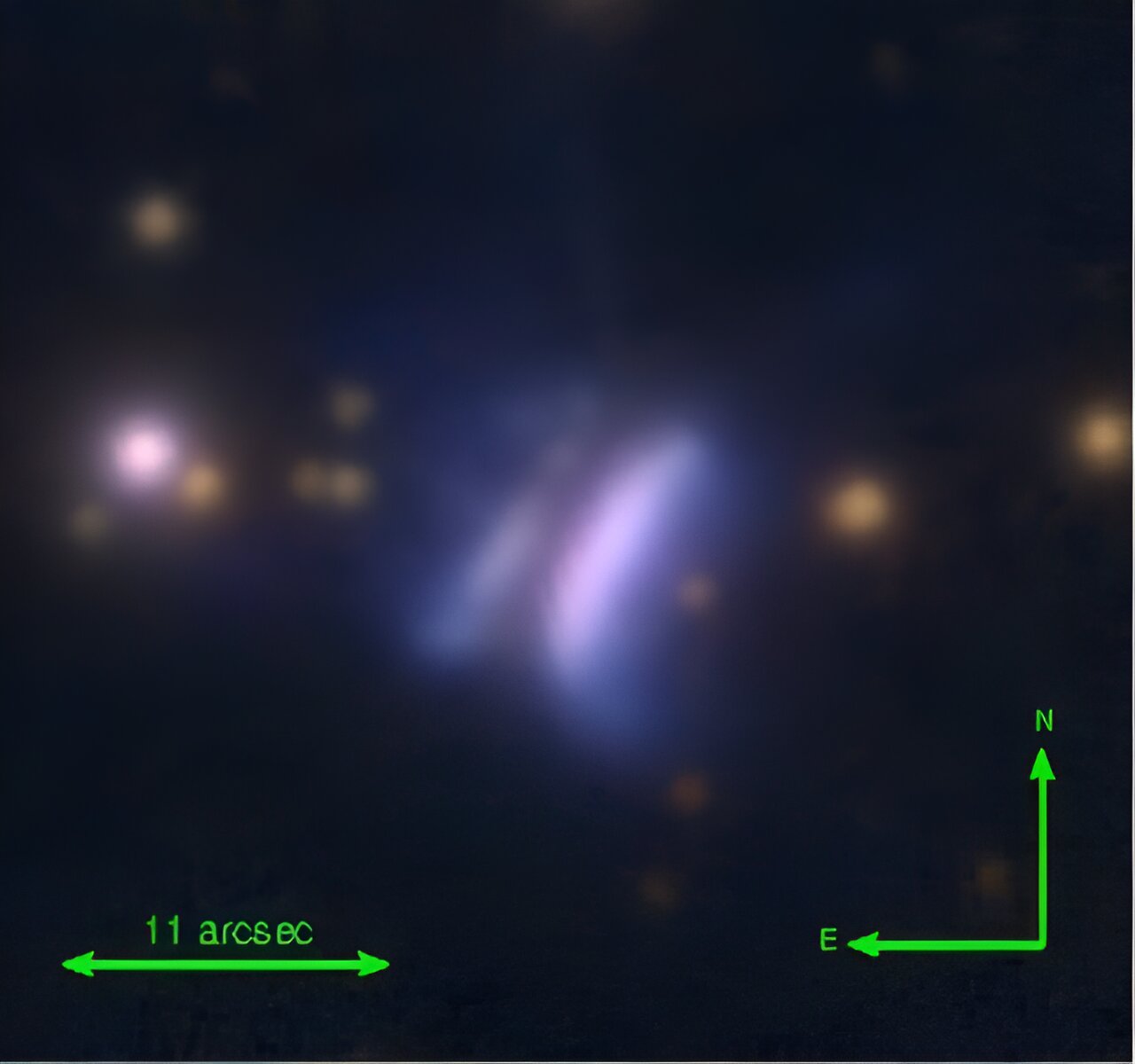
"Pan-STARRS Discovers Dracula's Chivito: A New Protoplanetary Disk"

Astronomers have discovered a new protoplanetary disk, named Dracula's Chivito, using data from the Panoramic Survey Telescope and Rapid Response System (Pan-STARRS). This disk, located 800 light years away, is associated with an infrared source and is the largest protoplanetary disk detected so far. The findings provide valuable insights into planetary formation processes and suggest that the system is still in its early stages of development.