
Tag

Paleontological Research

All articles tagged with #paleontological research

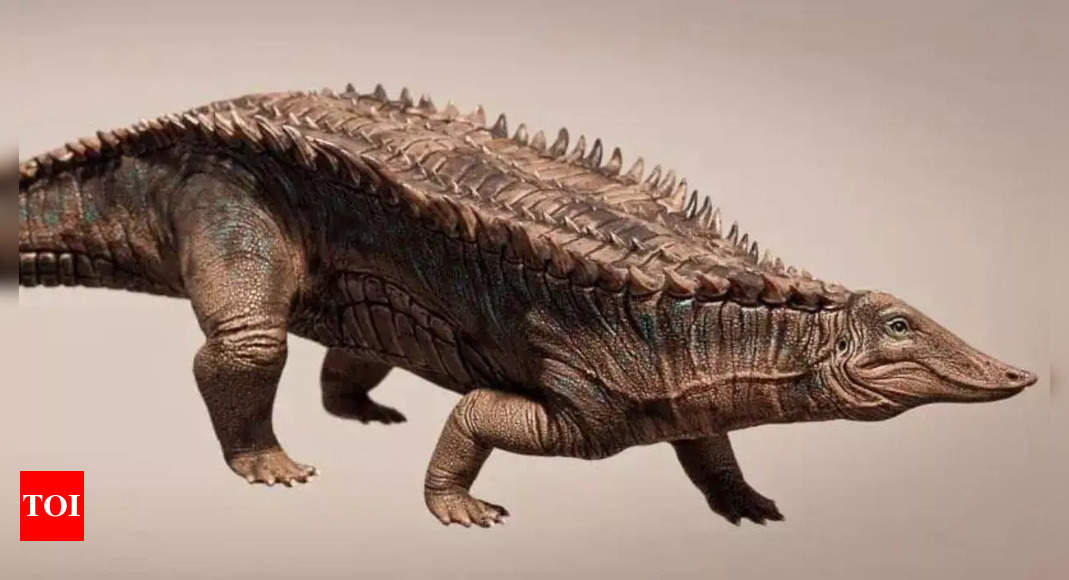
"Prehistoric Discovery: 215-Million-Year-Old Armored Crocodile Ancestor Unearthed in Texas"
paleontology1 year ago

"Prehistoric Discovery: 215-Million-Year-Old Armored Crocodile Ancestor Unearthed in Texas"

The discovery of a 215 million-year-old ancient crocodile species, known as aetosaurs, in Texas has provided valuable insights into the prehistoric world, revealing that these heavily armored reptiles roamed the Earth before the age of dinosaurs. The recent discovery of a new aetosaur species named Garzapelta muelleri has shed light on the anatomy and evolution of these creatures, challenging previous notions about the dominance of dinosaurs during the Mesozoic Era. The study of Garzapelta muelleri and other aetosaurs continues to enrich our understanding of prehistoric life and underscores the importance of paleontological research in uncovering the Earth’s evolutionary history.
"Fairy-Like Creature Found Preserved in Amber Reveals New Enigmatic Species"
paleontology1 year ago

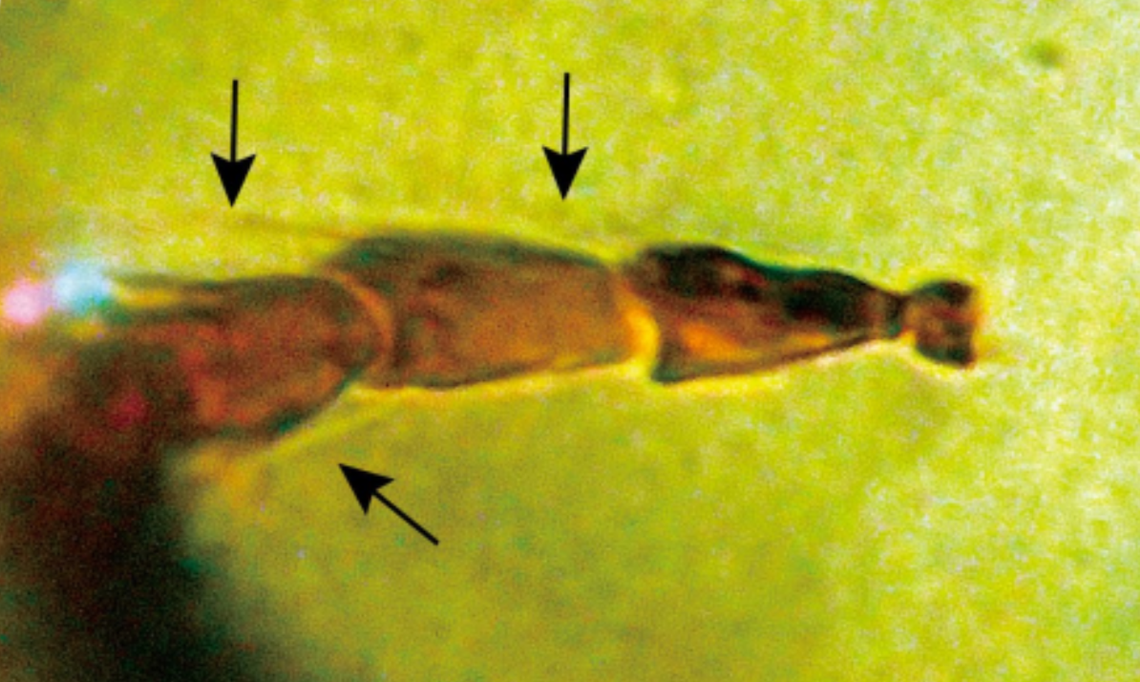
"Fairy-Like Creature Found Preserved in Amber Reveals New Enigmatic Species"

A piece of amber containing insects from the dinosaur age has revealed a previously unknown species of wasp, named Archaeromma chisatoi, dating back to the Late Cretaceous period. The discovery, made in Iwaki City, Japan, involved the analysis of three insects preserved inside the amber, belonging to the family Mymarommatidae. These false fairy wasps, known for their diminutive size, are considered the most "enigmatic" wasps. The newfound wasps were distinguished by a small number of bristles on their forewings and slender legs, leading to the naming of the species after its discoverer, Chisato Suzuki. With over 100 fossilized insects discovered in Iwaki's amber, researchers anticipate more findings in the future.

Ancient Terror: Unveiling the 'Blue Dragon' of the Pacific Seas
paleontology2 years ago

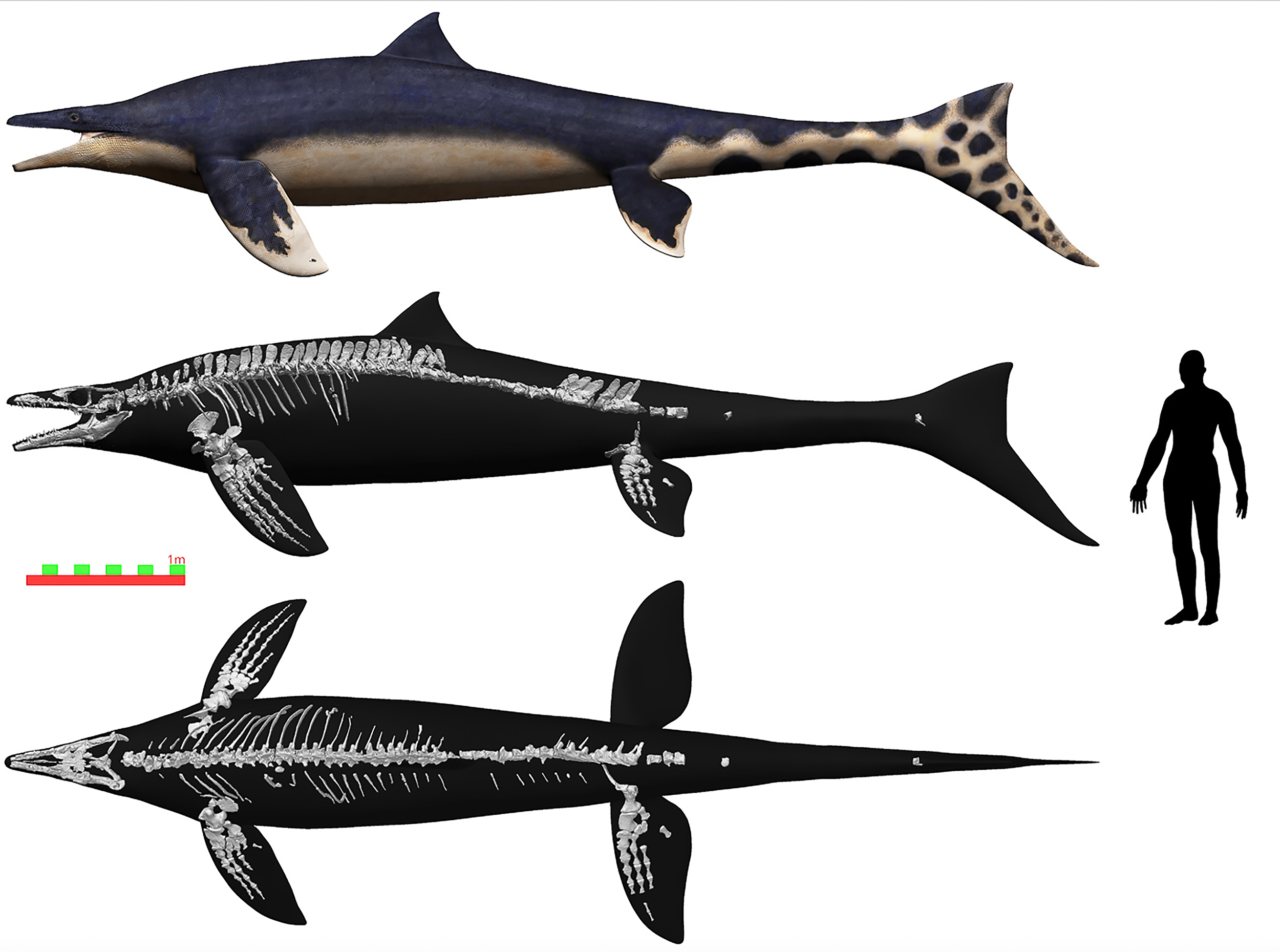
Ancient Terror: Unveiling the 'Blue Dragon' of the Pacific Seas

Researchers have discovered a new mosasaur species in Japan called the "blue dragon," dating back 72 million years. Named Wakayama Soryu, this ancient marine predator had unique physical features, including extra-long rear flippers and a shark-like dorsal fin. Its anatomy challenges our understanding of mosasaur locomotion and provides insights into the prehistoric seas of the Pacific. Mosasaurs, including the Wakayama Soryu, were apex predators that lived alongside dinosaurs but became extinct due to an asteroid impact. The discovery of the Wakayama Soryu enriches our knowledge of ancient marine life and opens new avenues for paleontological research.