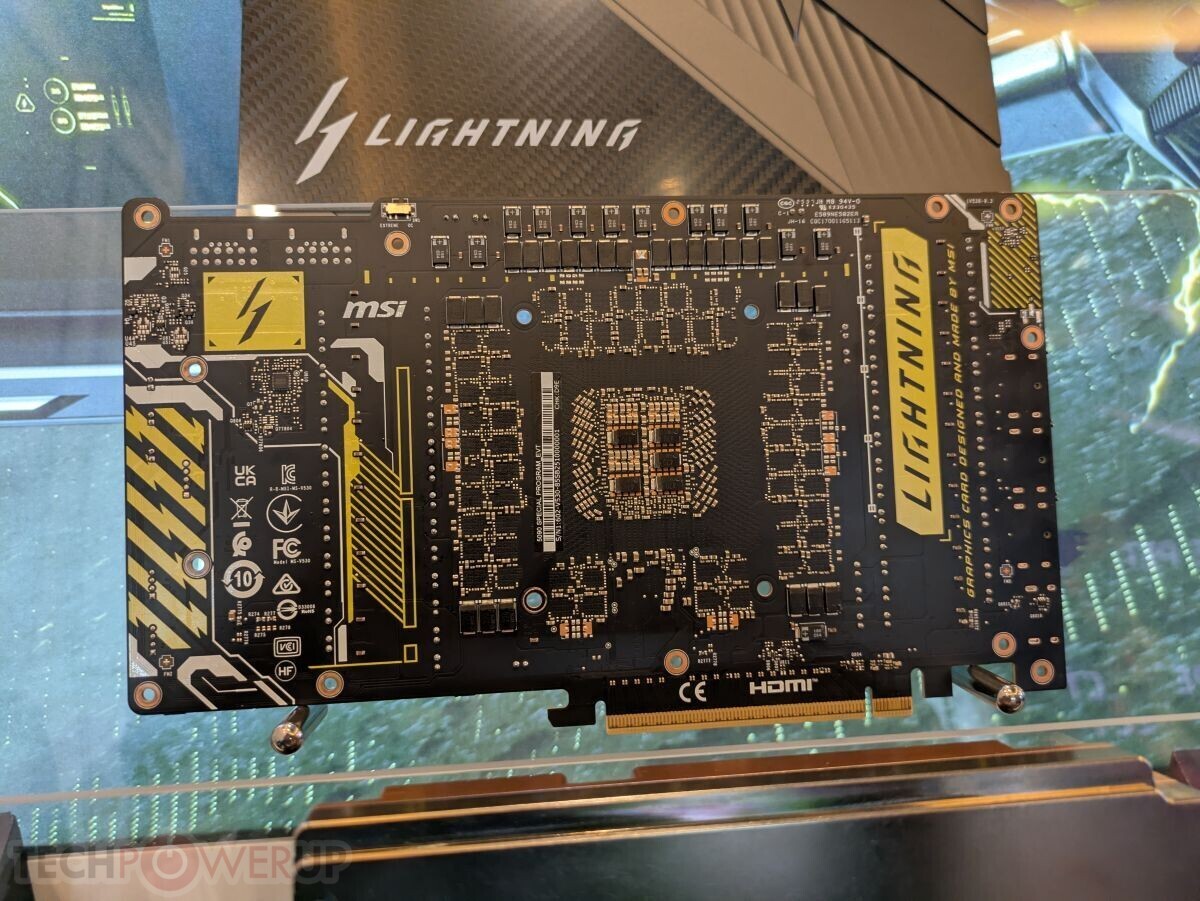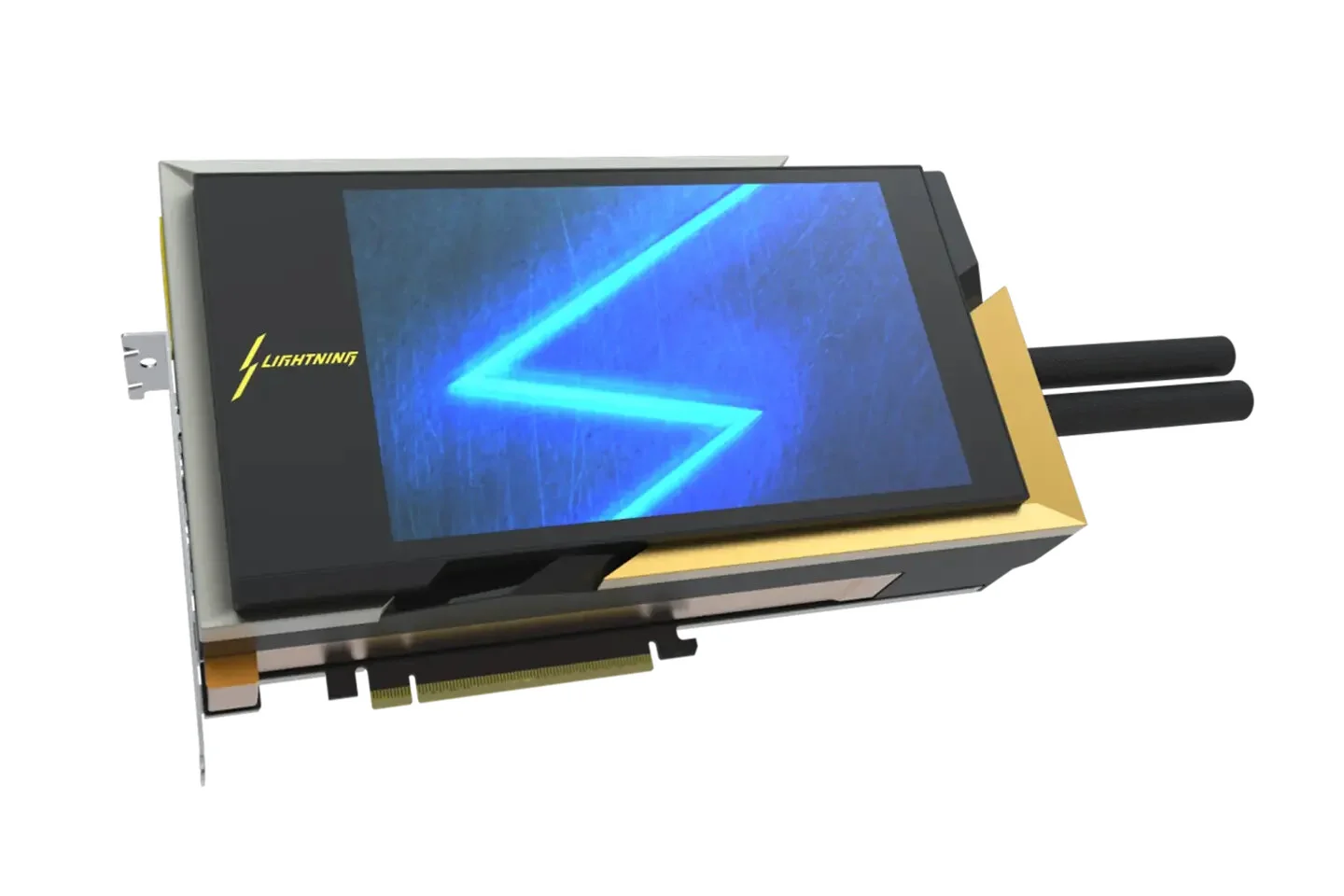
MSI unveiled its most powerful GPU to date, the GeForce RTX 5090 Lightning Z, featuring a 40-phase VRM, up to 3,742 MHz overclocked speed, and advanced cooling with a full-copper cold plate and 360 mm radiator, designed for extreme overclocking with a limited production run of 1,300 units.
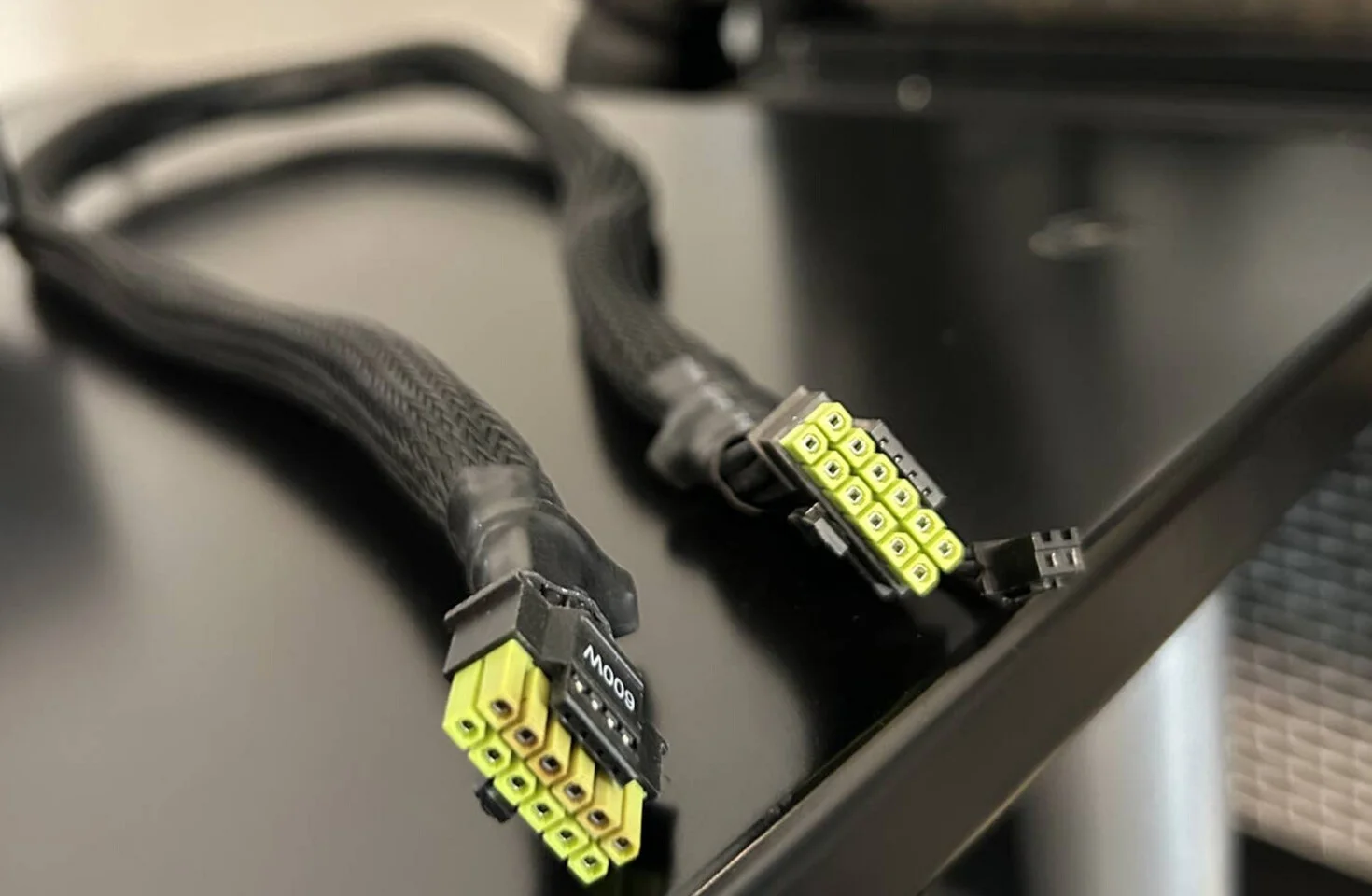
MSI has unveiled the GeForce RTX 5090 Lightning Z at CES 2026, featuring a liquid-cooled system, a large front display, reinforced PCB, and high power delivery capabilities up to 2,500 W for extreme overclocking, with benchmarks showing record-high clock speeds of 3,742 MHz.
A heavily overclocked NVIDIA RTX 5090 (1350 W) was saved from damage by an ASRock PSU's thermal sensor during a benchmark, preventing a potential meltdown, though the incident caused some hardware discoloration and reduced performance.
AMD blames motherboard makers for CPU failures, similar to Intel's past issues, emphasizing the importance of updating BIOS and understanding system configurations due to the wide range of compatible hardware and potential for misconfiguration affecting CPU stability.
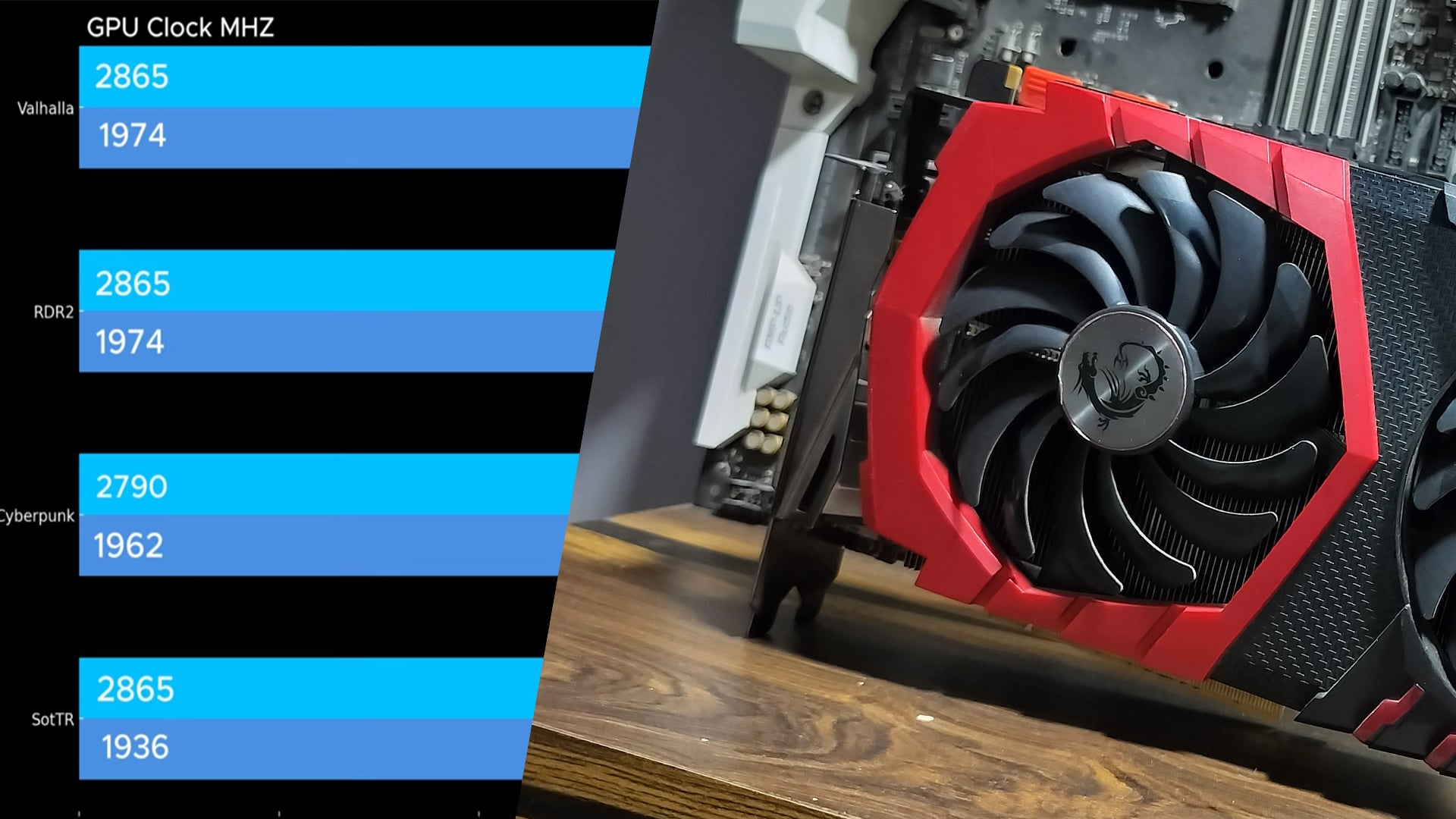
The GTX 1080 Ti, once a top gaming GPU, is outperformed by the entry-level RTX 5050 even with custom liquid cooling and overclocking, highlighting the rapid advancement in GPU technology and the decline of older high-end models.
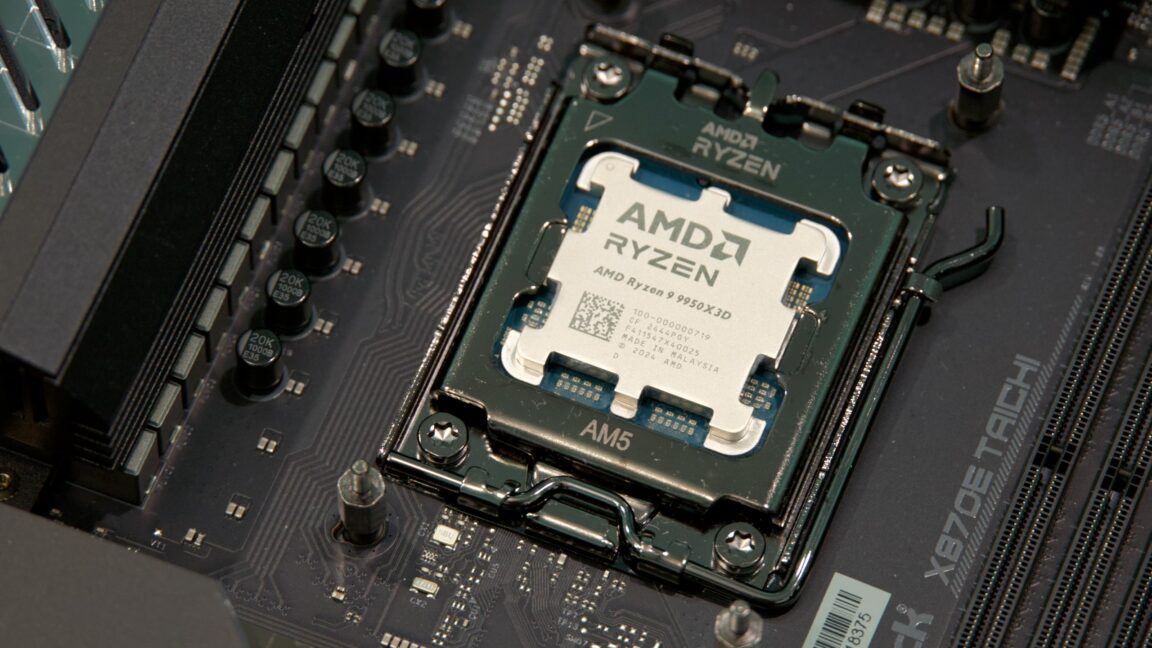
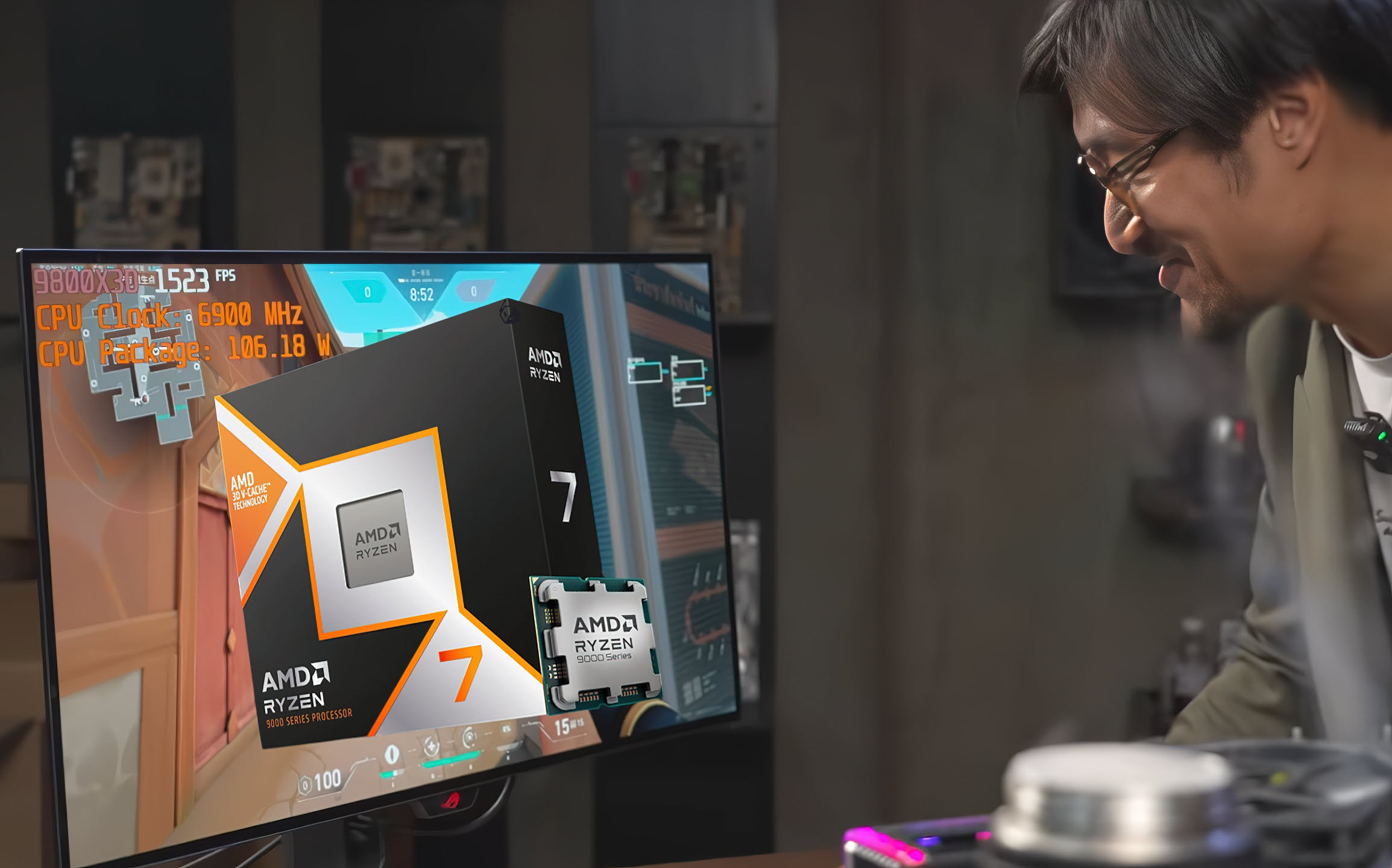
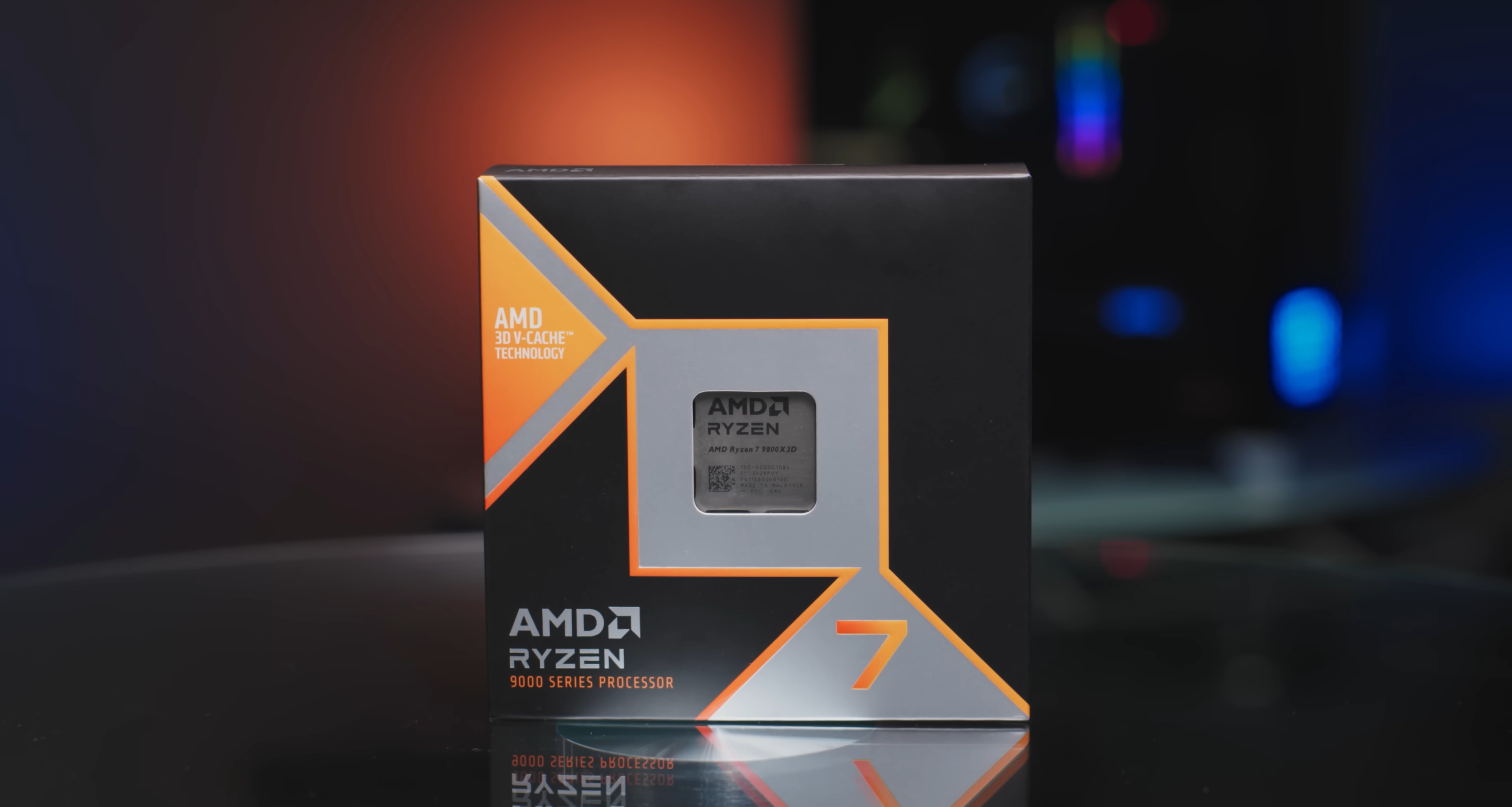
AMD's Ryzen 7 9800X3D CPU, featuring 2nd Generation 3D V-Cache technology, has achieved remarkable performance in Esports games, reaching over 1000 FPS in Counter-Strike 2 and over 2000 FPS in Valorant with a 6.9 GHz overclock using LN2 cooling. Tested by ASUS China's Tony Yu, the CPU demonstrated impressive efficiency, consuming around 100W even at high overclock settings. The chip, launching at $479, is expected to be widely available and is optimized for high frame rates in 1080p gaming.
The AMD Ryzen 7 9800X3D CPU, featuring 3D V-Cache technology, has been benchmarked with a 5.5 GHz overclock, achieving impressive single-core and multi-thread performance. It surpasses previous-generation X3D models by up to 27% in performance and matches the multi-core capabilities of the Ryzen 9 7950X. The CPU, set to launch on November 7th at $479, offers an average 8% performance increase over the 7800X3D and a 20% improvement over Intel's Core Ultra 9 285K.
AMD's Ryzen 9 9950X CPU has been tested with a 5.5 GHz all-core overclock at 253W and an unlimited power profile consuming 320W. The tests, conducted by Anandtech forum member Igor_kavinski, show significant performance improvements, with the CPU achieving up to a 40% performance boost over Intel's Core i9-14900K and a 38% improvement over AMD's Ryzen 9 7950X at stock configurations. The results highlight the efficiency and power of AMD's upcoming Ryzen 9000 "Zen 5" Desktop CPUs, expected to launch later this month.
Intel is discontinuing its boxed overclockable Core i5, i7, and i9 Raptor Lake CPUs, with the lineup set to be discontinued by May 24th, 2024. The last product discontinuance order date is May 24th, 2024, and final shipments will end on June 28th, 2024. While the supply of 13th Gen K-series CPUs is not expected to vanish instantly, availability is likely to gradually dissipate, potentially leading to price increases as vendors sell off remaining inventory. Despite this, Intel has not discontinued its Alder Lake CPU lineup, and Raptor Lake's strong launch in 2022 made it a competitive option, although Raptor Lake Refresh did little to improve performance and was priced higher. The discontinuation affects several K-series chips, including the Core i9-13900K, Core i7-13700K, and Core i5-13600K.
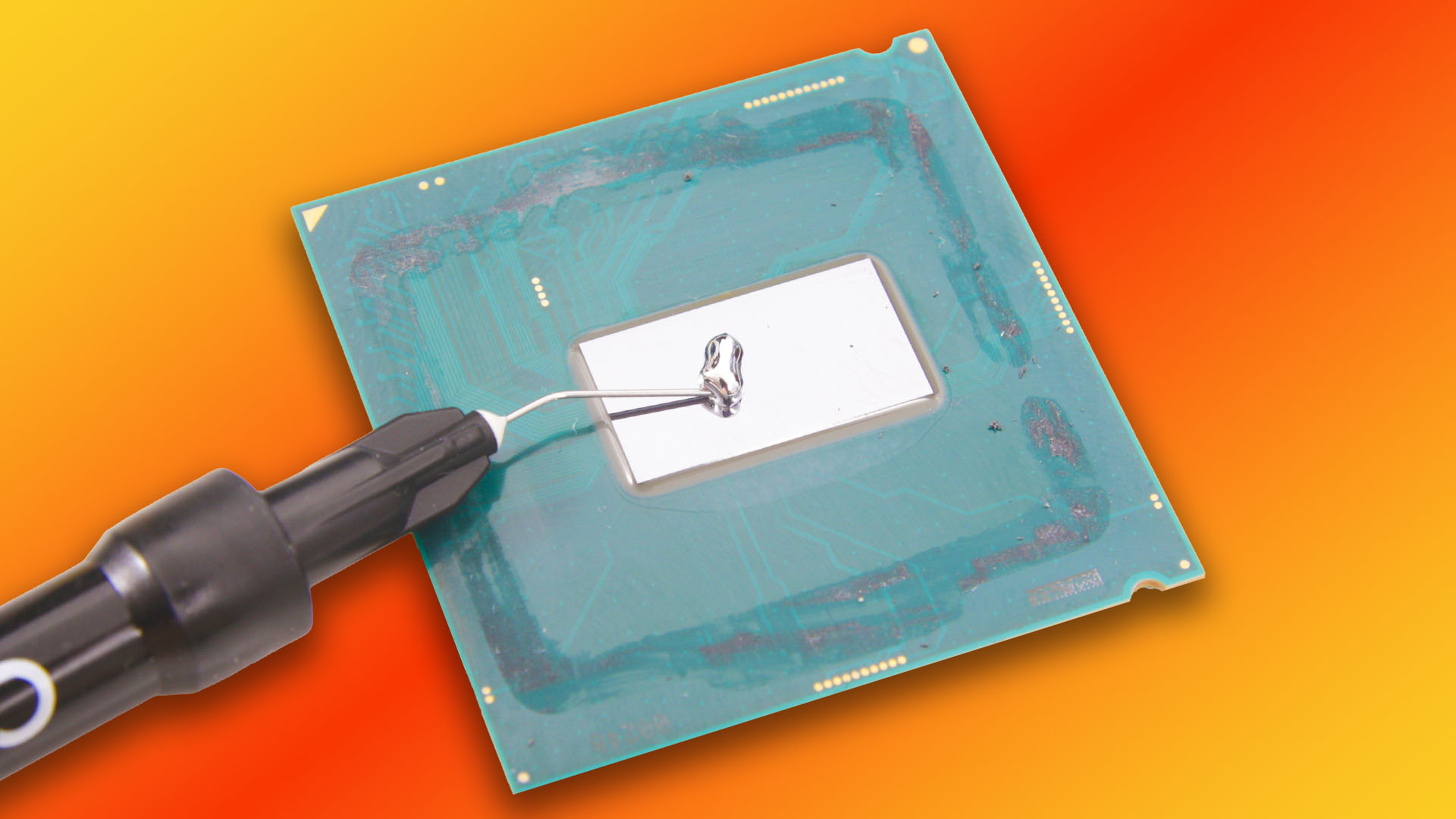
Intel has struck a deal with select PC manufacturers to officially allow the delidding of its hot-running Intel Core i9 14900KS CPU, enabling improved cooling while still maintaining warranty coverage. Overclockers have achieved impressive speeds with this flagship processor, and delidded systems are now being offered for sale by some PC manufacturers. This move from Intel is a departure from its usual warranty policies and could lead to enhanced performance for high-end gaming machines.
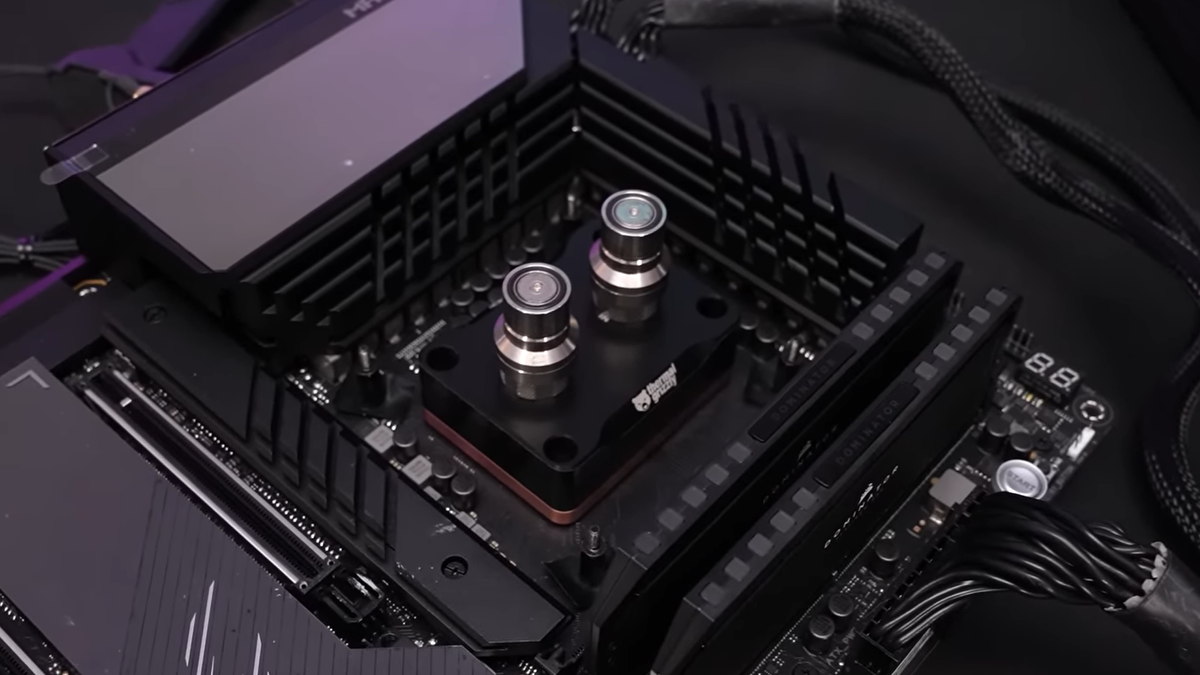
Overclocker and tech YouTuber Der8auer demonstrated how direct die cooling can enable a 6 GHz overclock on all eight P-cores of an Intel Core i9-14900KS, without thermal throttling, using a custom liquid cooling loop and liquid metal. The direct die liquid cooler dropped temperatures by more than 20 degrees Celsius and decreased power consumption, allowing for the 6 GHz overclock. A new Thermal Grizzly direct die CPU waterblock will be available for around $99, with an RGB version for around $140, and is expected to be released in about two to three weeks.
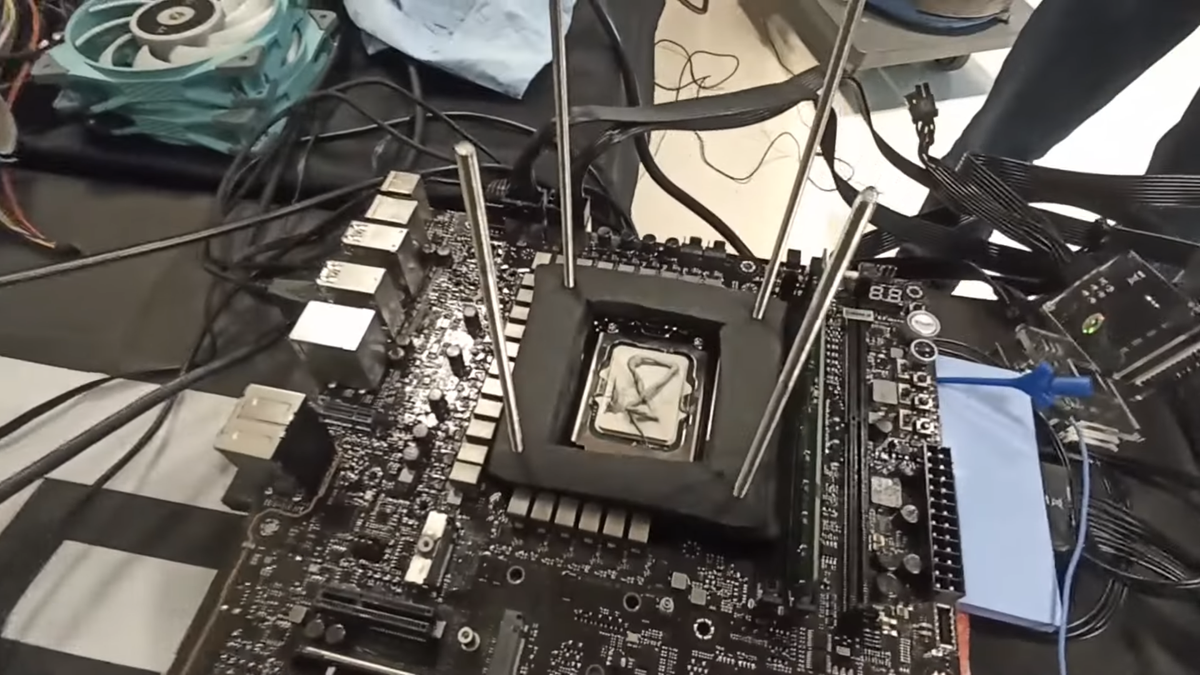
Intel's Core i9-14900KS has been overclocked to 9.1 GHz by a team of elite overclockers, breaking multiple world records. The chip features a 6.2 GHz boost clock, the highest for any consumer processor, and was pushed to 9,117 MHz on a single performance core using liquid helium cooling and a voltage of 1.85V. The overclocking team set four new world records and utilized Asus' ROG Maximus Z790 Apex Encore motherboard. However, the $689 MSRP for the Core i9-14900KS may not justify its minimal performance gains over the Core i9-14900K, making it less appealing for most consumers compared to AMD's Ryzen processors.
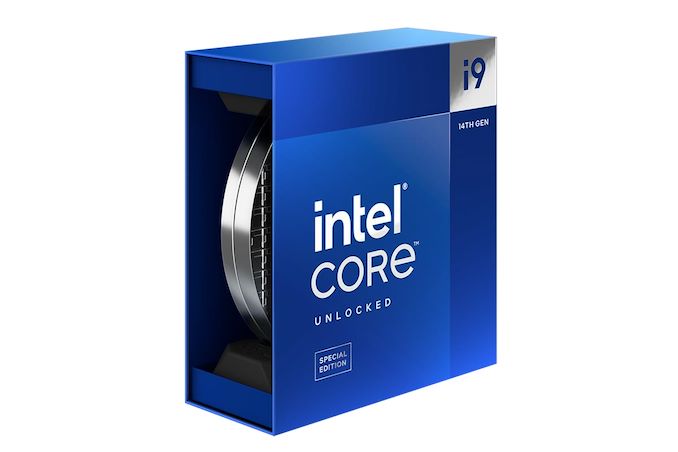
Intel has announced the Core i9-14900KS, a special edition desktop processor with P-Core turbo clock speeds of up to 6.2 GHz, making it the fastest desktop processor in the world in terms of advertised frequencies. Priced at $689, the processor is based on the Raptor Lake architecture and features 8P+16E cores, 32 threads, and 36 MB of L3 cache. The high clock speeds come at a cost of increased power consumption, with a base TDP rating of 150W and turbo power limits of 253W/320W. To achieve optimal performance, users will need high-end cooling solutions. The Core i9-14900KS is available for purchase and is compatible with Z690 and Z790 chipsets, supporting both DDR5 and DDR4 memory types.
Intel is releasing its new flagship Core i9-14900KS processor today, priced at $699 with a max turbo frequency of 6.2GHz, promising up to 15 percent better gaming performance over its predecessor and up to 73 percent improvement for 3D production multitasking workflows over AMD’s Ryzen 9 7950X. It features 24 cores, with 8 performance cores and 16 efficiency cores, and runs at a 150-watt base power. The 14900KS is almost identical to the 14900K but has been selected to run at a higher clock speed, and will be compatible with Z790 and Z690 motherboards with the latest BIOS updates.
Intel's Core i9-14900KS CPUs have been obtained by buyers ahead of the official launch, showcasing extreme clock speeds of 6.2 GHz at 1.5V and requiring intense cooling. The highly binned chip features 24 cores, 32 threads, and high per-core clock speeds, with P-Cores reaching 6.2 GHz and E-Cores at 5.9 GHz. The CPU is set for release on March 13th, with an expected price of around $750 US.