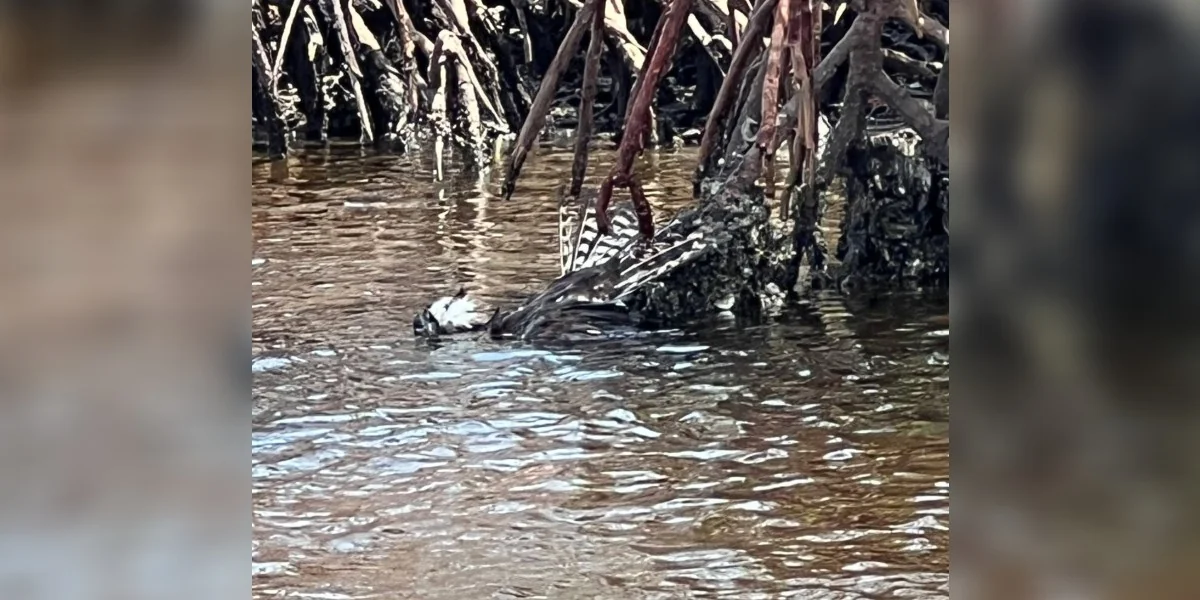
A paddleboarder in Florida rescued an osprey trapped in fishing line, leading to its treatment and recovery at a wildlife hospital, highlighting the importance of responsible fishing practices to protect wildlife.
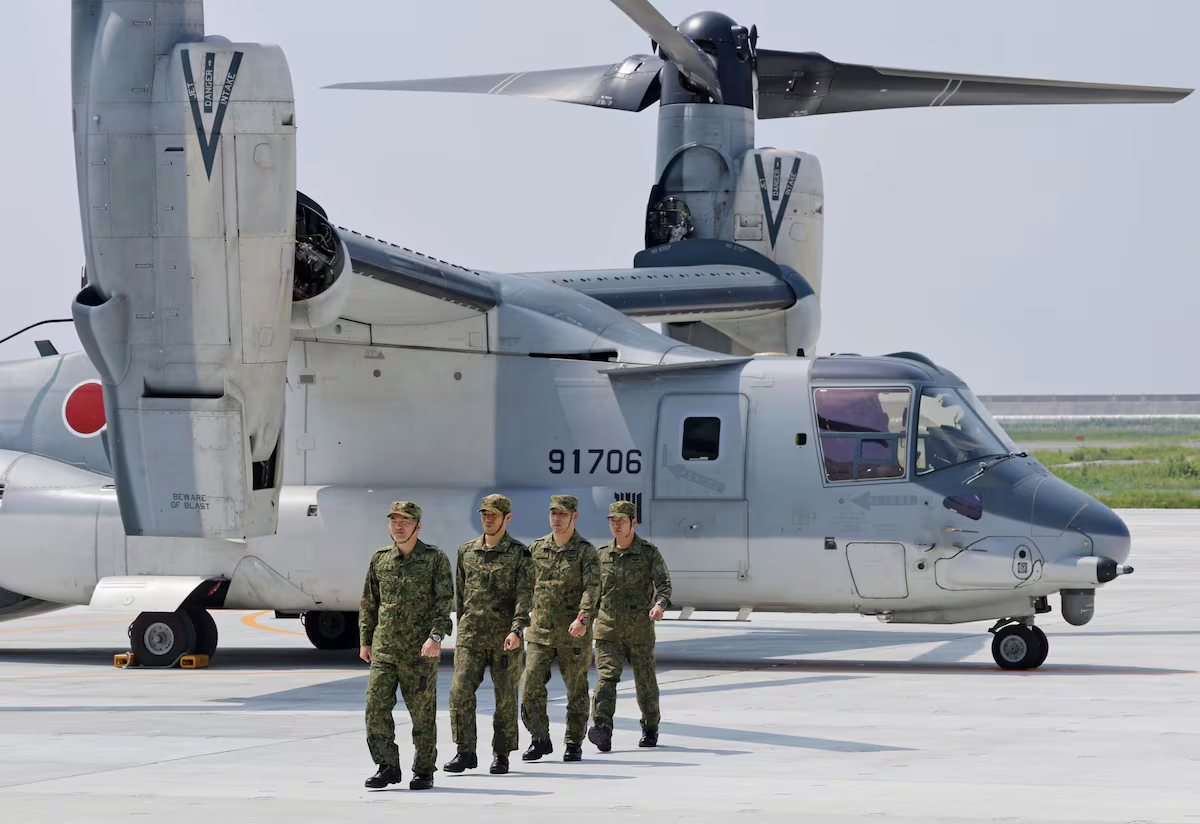
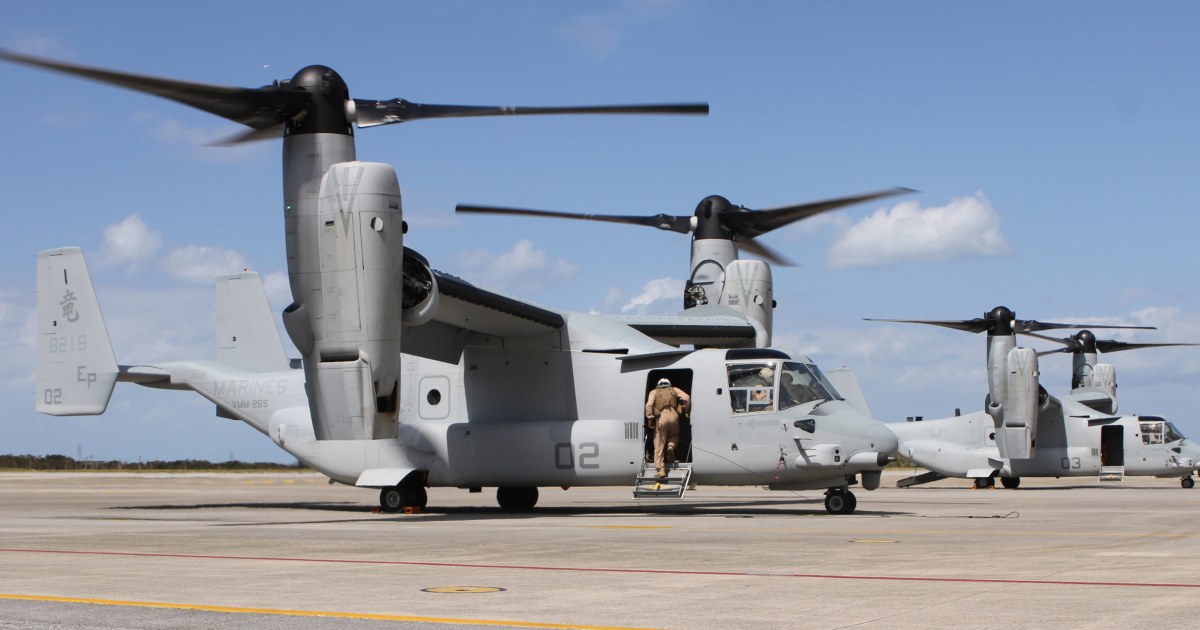
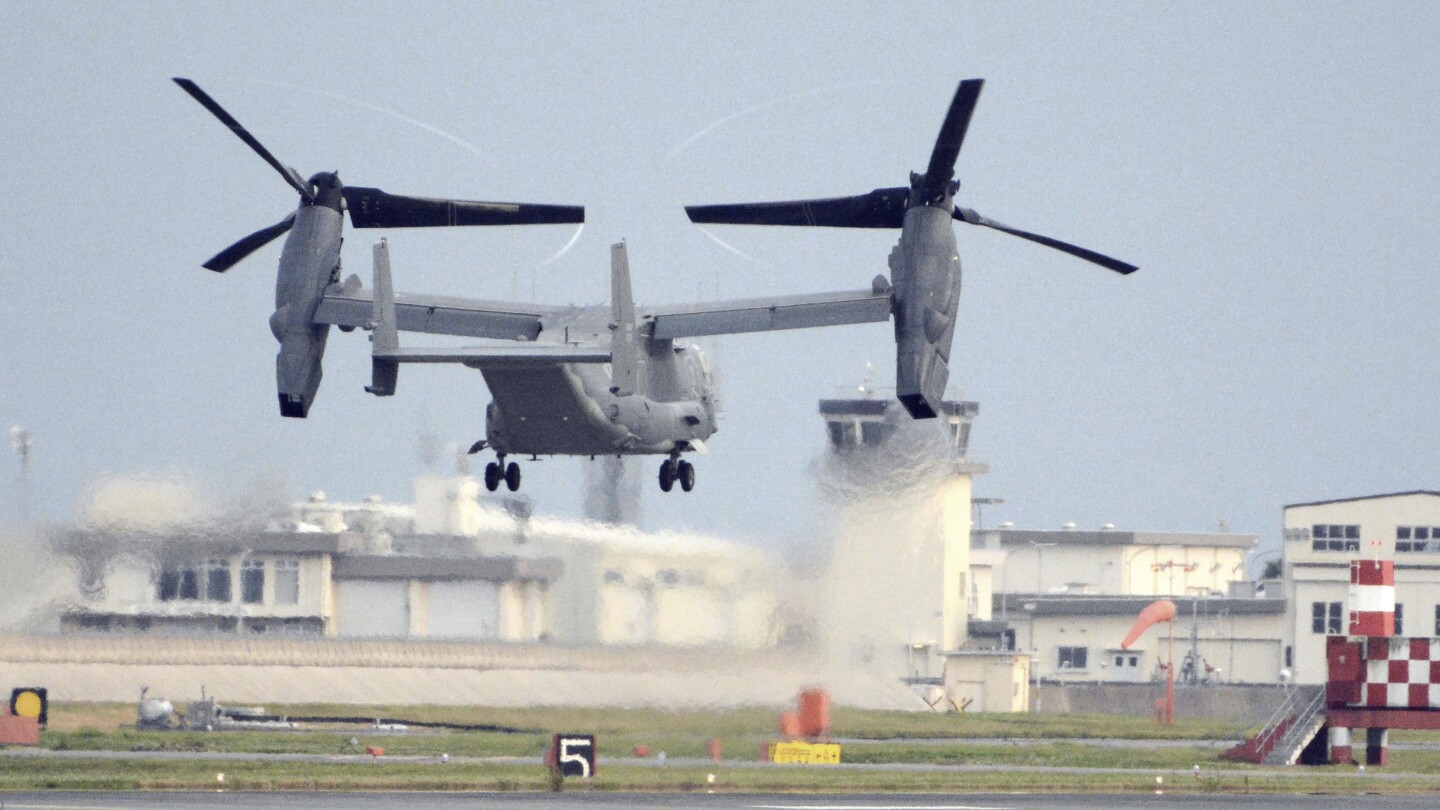
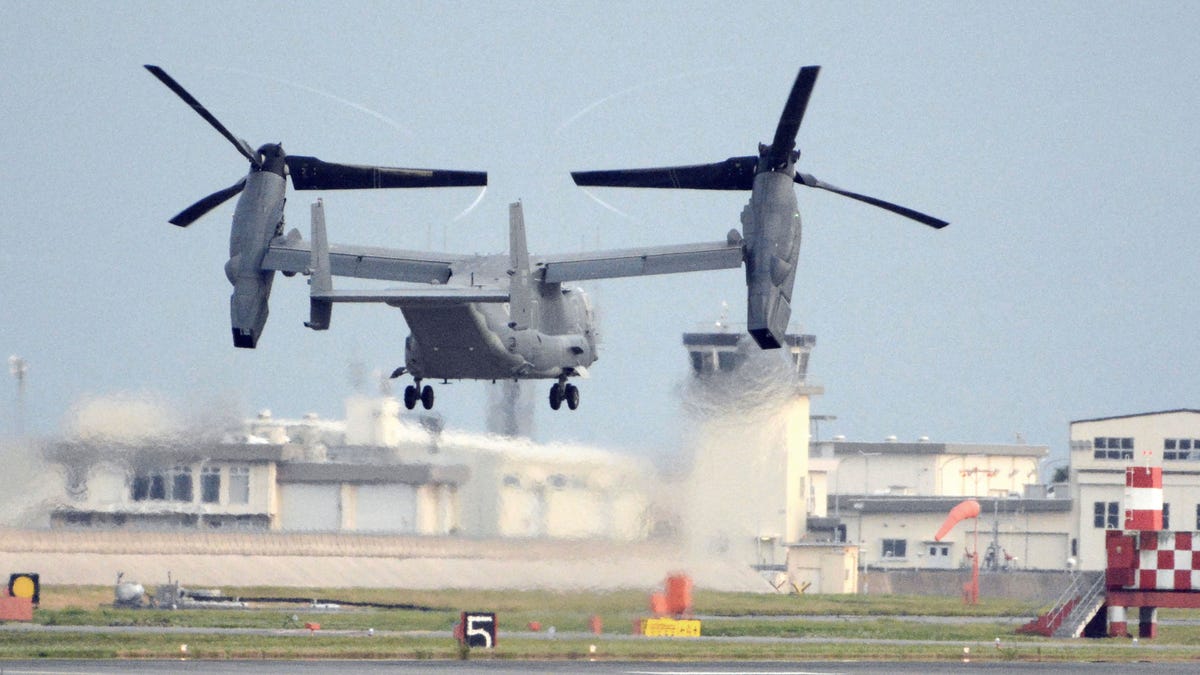
Japan has begun deploying a fleet of 17 V-22 Ospreys at a new base in southwestern Japan as part of its efforts to strengthen regional defense amid growing tensions with China, despite controversy and past accidents involving the aircraft.
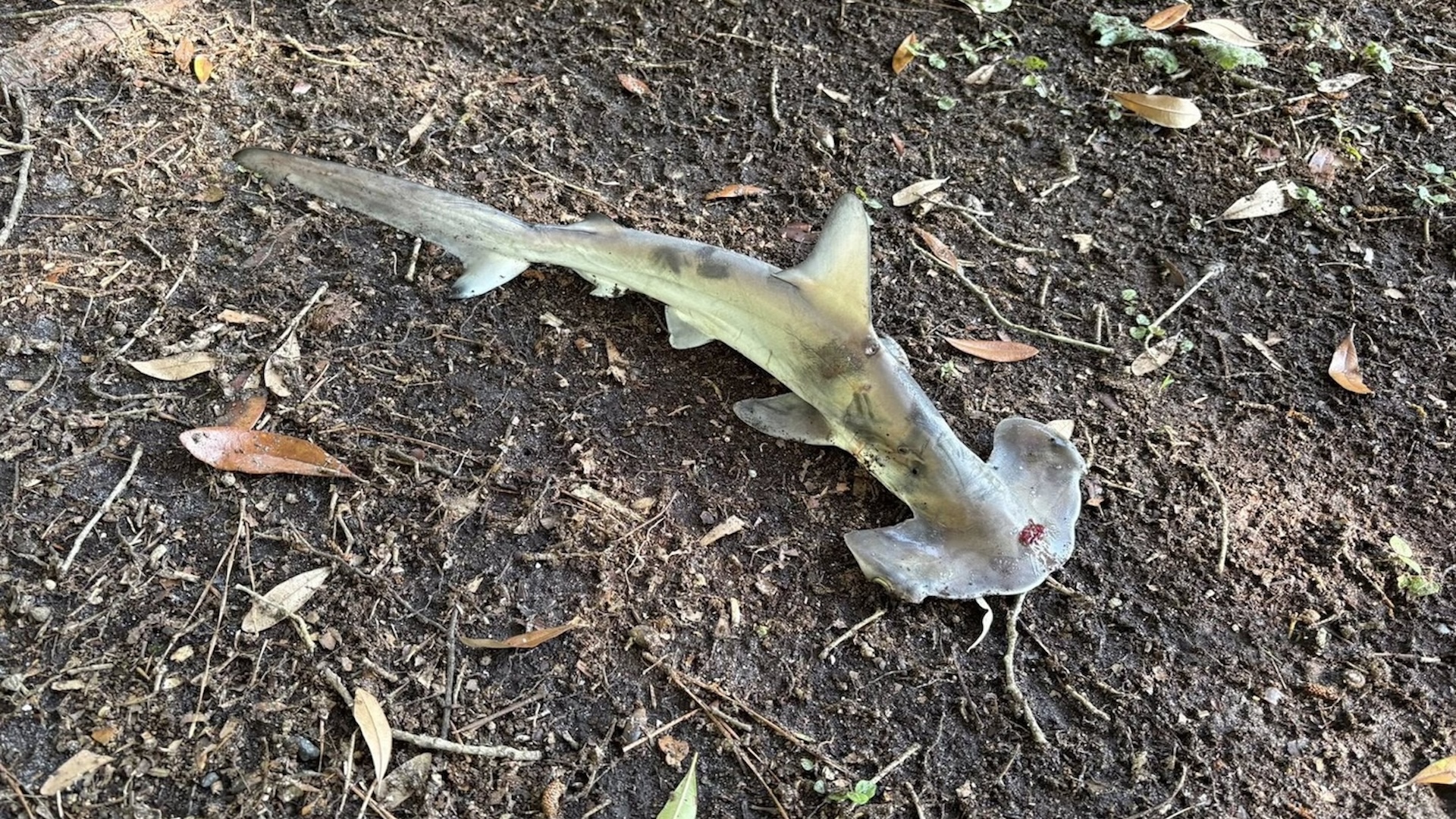
A hammerhead shark was unexpectedly dropped from the sky onto a disc golf course in Myrtle Beach, South Carolina, after being carried by an osprey that lost its grip, highlighting a rare and unusual wildlife event.
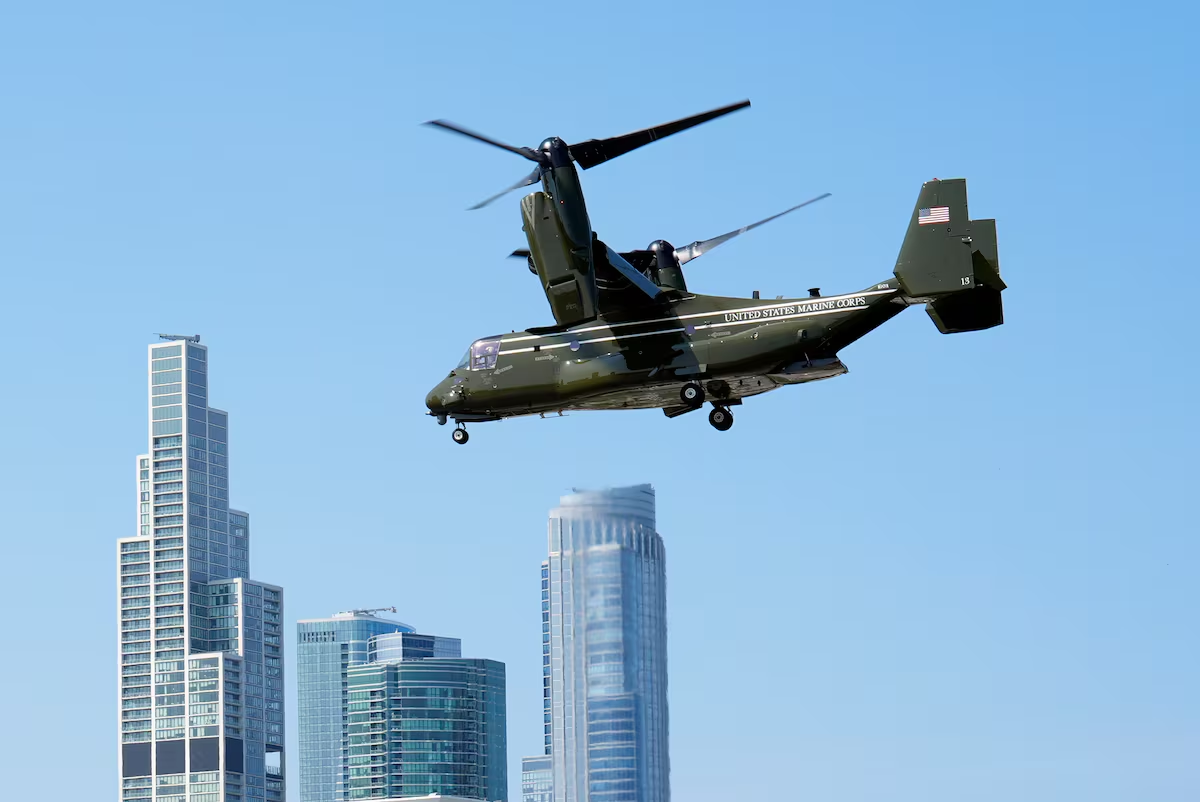
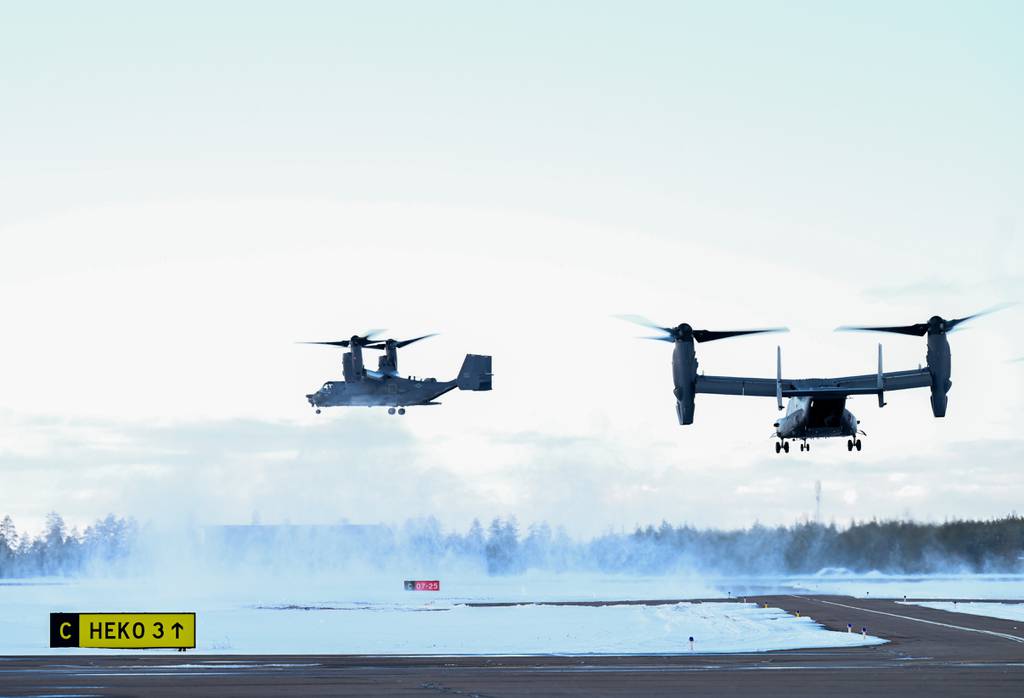
Three U.S. lawmakers are urging the Pentagon to ground the V-22 Osprey fleet due to safety concerns highlighted by an AP investigation. The Osprey, which operates like both a helicopter and an airplane, has been involved in over 21 major accidents, with design flaws cited as a contributing factor. Despite recent restrictions following a deadly crash in Japan, pilots value the aircraft's unique capabilities and are resistant to grounding. The Pentagon has yet to respond to the lawmakers' request for a halt in operations until safety issues are resolved.
The U.S. military has cleared the V-22 Osprey aircraft to fly again after a series of fatal crashes, lifting the grounding order that followed the November 2019 crash off the coast of Japan. While the crash remains under investigation, officials have identified a potential material failure in the aircraft’s proprotor gearbox but have not publicly disclosed the findings. The military plans to implement new procedural changes and operational limitations to enhance safety, with a phased approach for the return to flight. However, some families of service members and members of Congress remain skeptical and have ongoing concerns about the safety and performance of the Osprey aircraft.
The Osprey, a crucial aircraft for the U.S. military, has been cleared to return to flight after a fatal crash in Japan led to an unprecedented fleet-wide grounding. New safety measures and inspections have been implemented following a part failure that caused the crash. Despite ongoing congressional investigations, the Department of Defense has allowed the Osprey to resume flight operations. The aircraft's proprotor gearbox, a recurring trouble spot, is under scrutiny, and the investigation is expected to be completed within the next two months.
The Pentagon is set to lift the ban on V-22 Osprey flights next week, following a meeting where Defense Secretary Lloyd Austin endorsed the military services' plans for a safe return to operations. The Osprey has been grounded for almost three months after a fatal Air Force crash in Japan, and the decision to end the flight ban is up to Naval Air Systems Command. The services have worked on plans to mitigate the known material failure and establish a more conservative approach to operating the Osprey.
The Government Accountability Office will investigate the safety history of the U.S. military’s V-22 Osprey fleet following a deadly crash that killed eight special operations airmen off the coast of Japan. The probe, prompted by a request from House Armed Services Committee members, will assess trends among Osprey accidents, maintenance and supply issues, and risk management across the fleet. The Nov. 29 crash, the latest in a string of deadly Osprey incidents, has led to the indefinite grounding of the entire Osprey fleet and prompted a separate investigation by the House Committee on Oversight and Accountability.
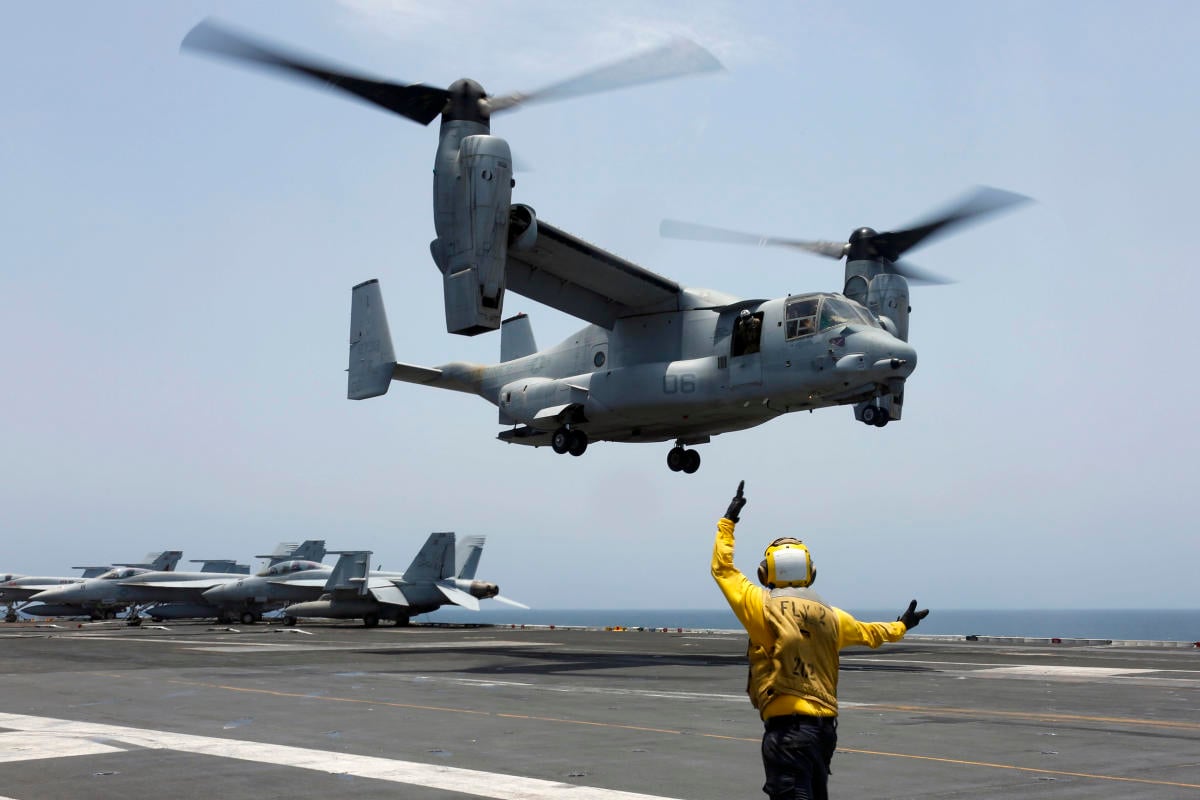
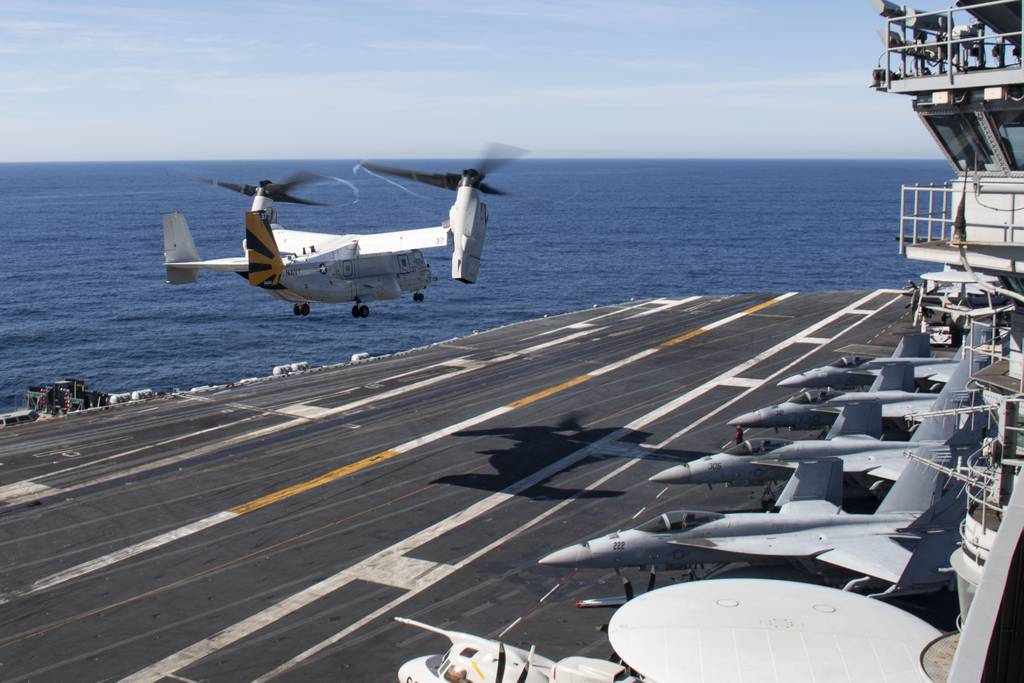
The military-wide grounding of the V-22 Osprey tiltrotor aircraft fleet is impacting operations across the services, but the Navy is mitigating the loss by utilizing other options such as C-2A Greyhound aircraft, port calls, and underway replenishments. The carrier-specific CMV-22 variant of the Osprey, which the Navy started using in 2021, is currently only deployed on the aircraft carrier Carl Vinson. The Navy considers the Osprey a critical component of its future air wing and plans to continue adding new platforms and capabilities to its carrier air wings over the next decade.
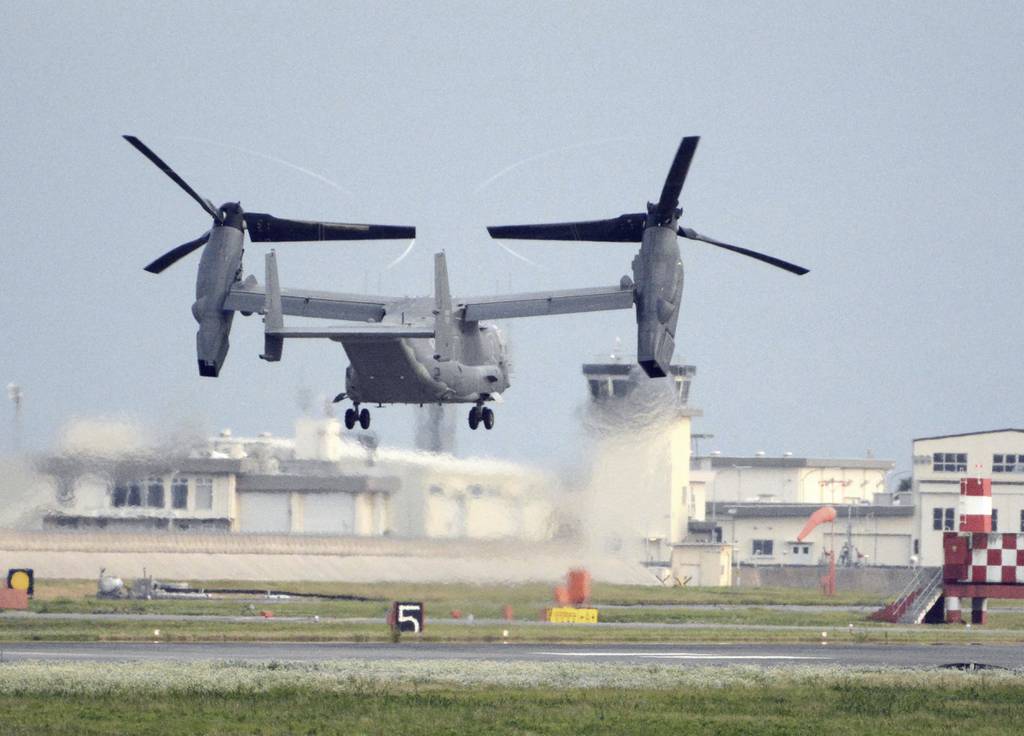
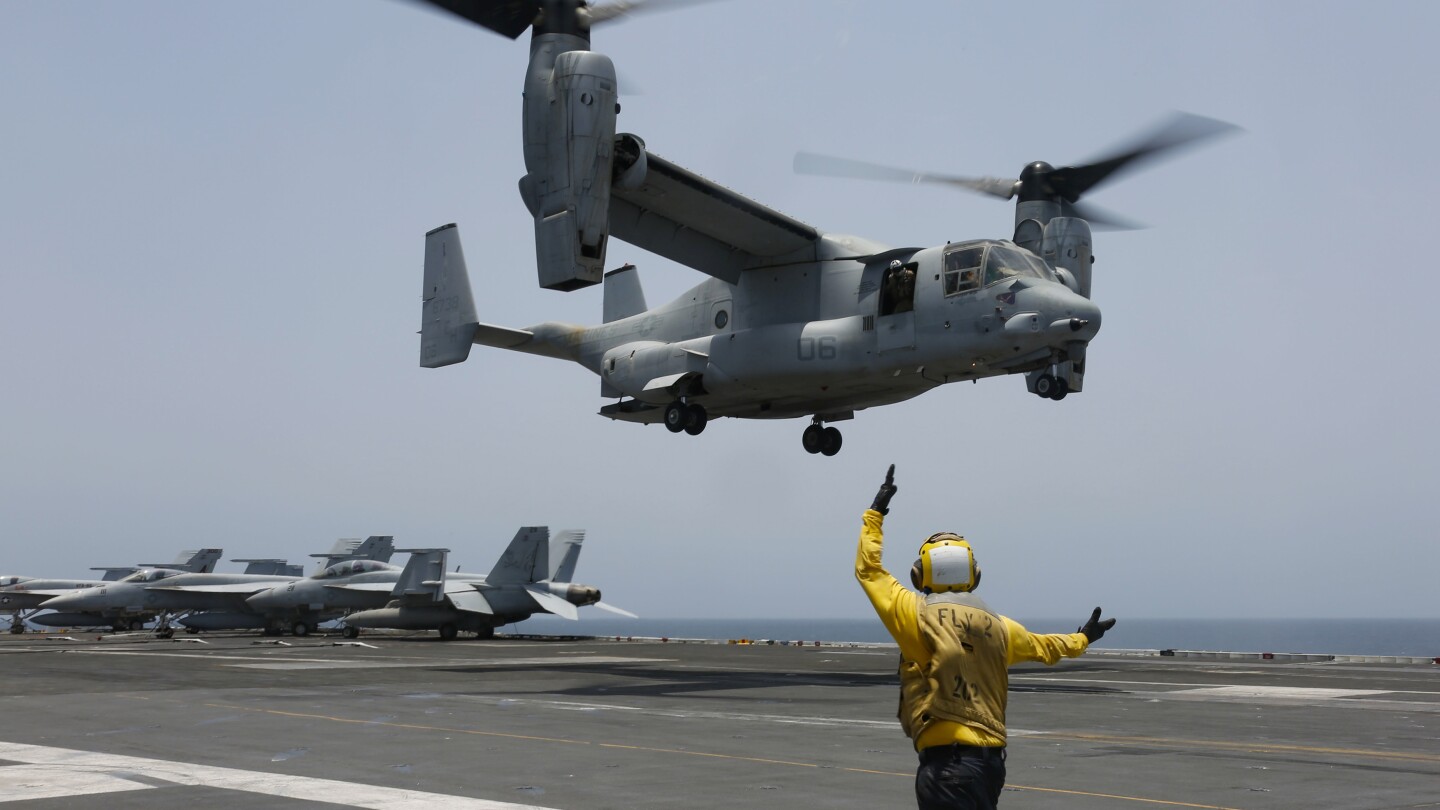
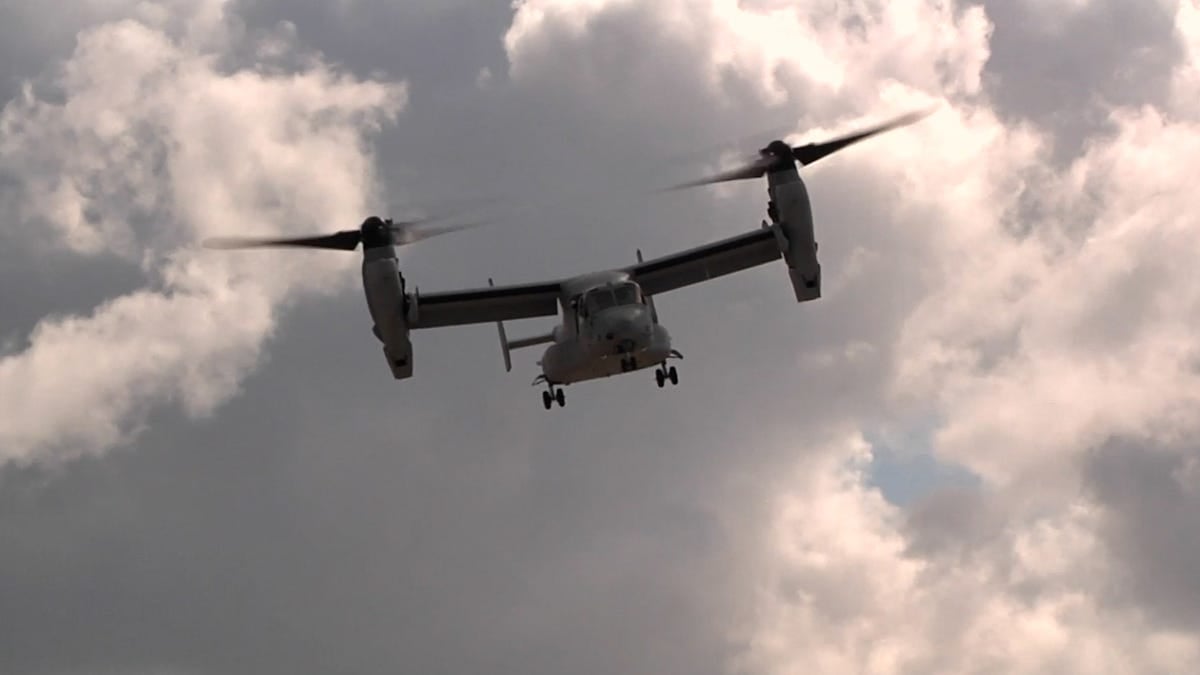
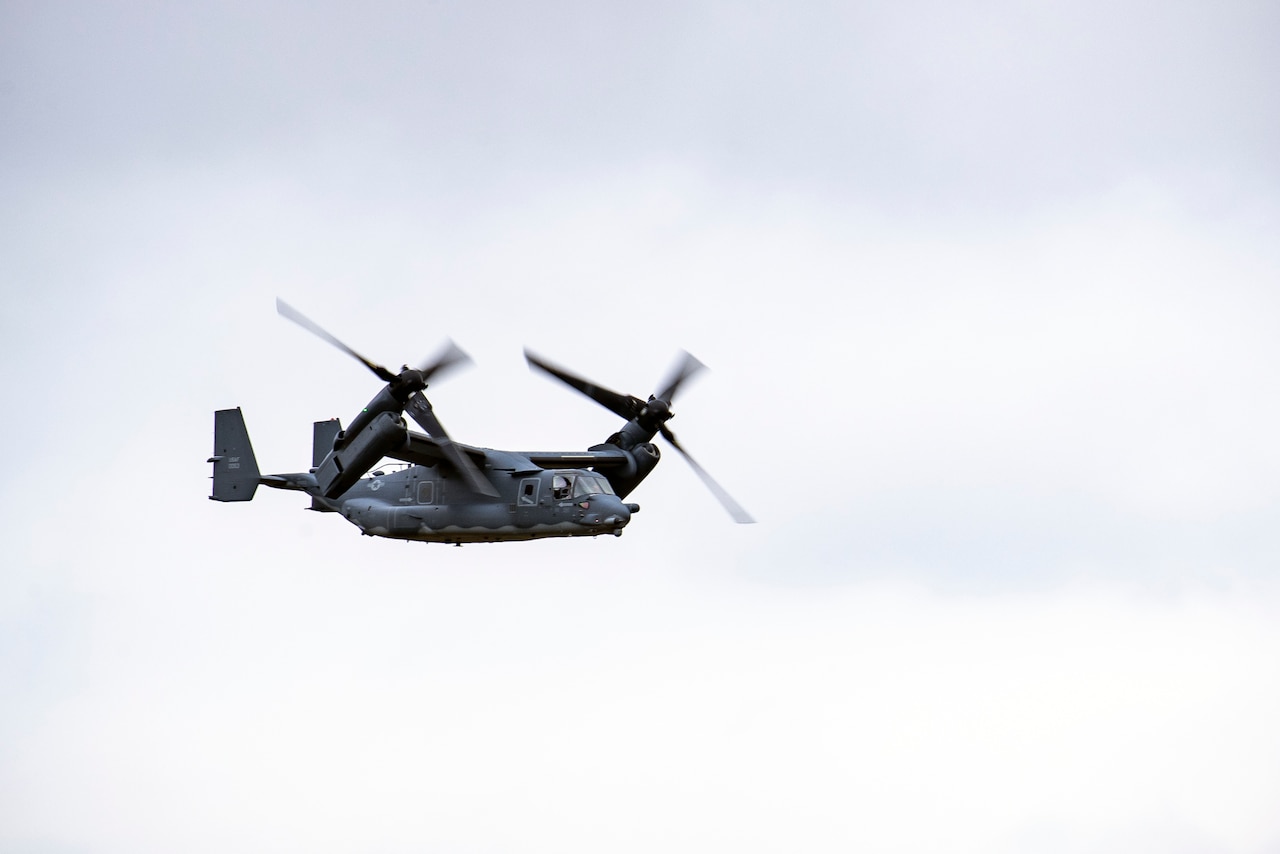
The U.S. military has grounded its entire fleet of V-22 Ospreys due to safety concerns following a recent deadly crash off the coast of Japan. The Osprey, which takes off and lands like a helicopter but can fly like an airplane, has a history of mechanical problems, including issues with the clutch and concerns about the manufacturing of its parts. The grounding comes after a preliminary investigation indicated that a materiel failure, rather than crew error, caused the crash. This is not the first time the Ospreys have been grounded, and previous incidents have highlighted the need for improvements in flight control system software, drivetrain component material strength, and inspection requirements.
The US military has grounded its entire fleet of Osprey V-22 helicopters following a fatal crash off the coast of Japan that claimed the lives of eight Air Force Special Operations Command service members. The grounding comes after a preliminary investigation suggested a materiel failure, rather than crew error, as the cause of the crash. This incident has raised concerns about the safety of the Osprey, which has been involved in multiple fatal accidents since its introduction. Japan has also grounded its fleet of Ospreys. The investigation into the crash is ongoing, with attention focused on the aircraft's unique design and mechanical issues, including a long-standing problem with the clutch.
The US military has grounded its entire fleet of Osprey V-22 helicopters following a crash off the coast of Japan that resulted in the deaths of eight Air Force Special Operations Command service members. The grounding comes after a preliminary investigation indicated a potential materiel failure as the cause of the crash. This incident has raised concerns about the safety of the Osprey, which has been involved in multiple fatal accidents. Japan has also grounded its fleet of Ospreys. The duration of the grounding is unknown and will depend on the investigation's findings and recommendations.
Remains have been found from the wreckage of a U.S. Air Force CV-22B Osprey that crashed near Yakushima Island, Japan, with two crew members recovered so far. The search and rescue operation is ongoing to locate the remaining crew members. The crash marks another incident involving an Osprey aircraft, which has had a history of crashes resulting in fatalities.
Additional remains of crew members from the CV-22A Osprey aircraft mishap in Japan have been located, with two crew members successfully recovered. The identity of the crew members has not been determined yet. Meanwhile, the Houthi rebels in Yemen continue to launch attacks on commercial shipping vessels in the southern Red Sea, with multiple vessels being hit by missiles. The USS Carney responded to distress calls and shot down three UAVs. The United States believes these attacks are enabled by Iran and vows to respond in coordination with international allies and partners.
A U.S. military Osprey aircraft carrying six people crashed off southern Japan, with one crew member pronounced dead. The cause of the crash and the status of the other five individuals are unknown. The aircraft had departed from a U.S. Marine Corps Air Station and was on its way to Kadena Air Base. Ospreys have had a history of accidents, including in Japan, leading to concerns about their safety.