The FAA has grounded all MD-11 aircraft following a crash involving UPS Flight 2976, which is under investigation for engine and pylon detachment issues that may affect other jets of the same type, leading to safety concerns and inspections across UPS, FedEx, and Western Global Airlines fleets.

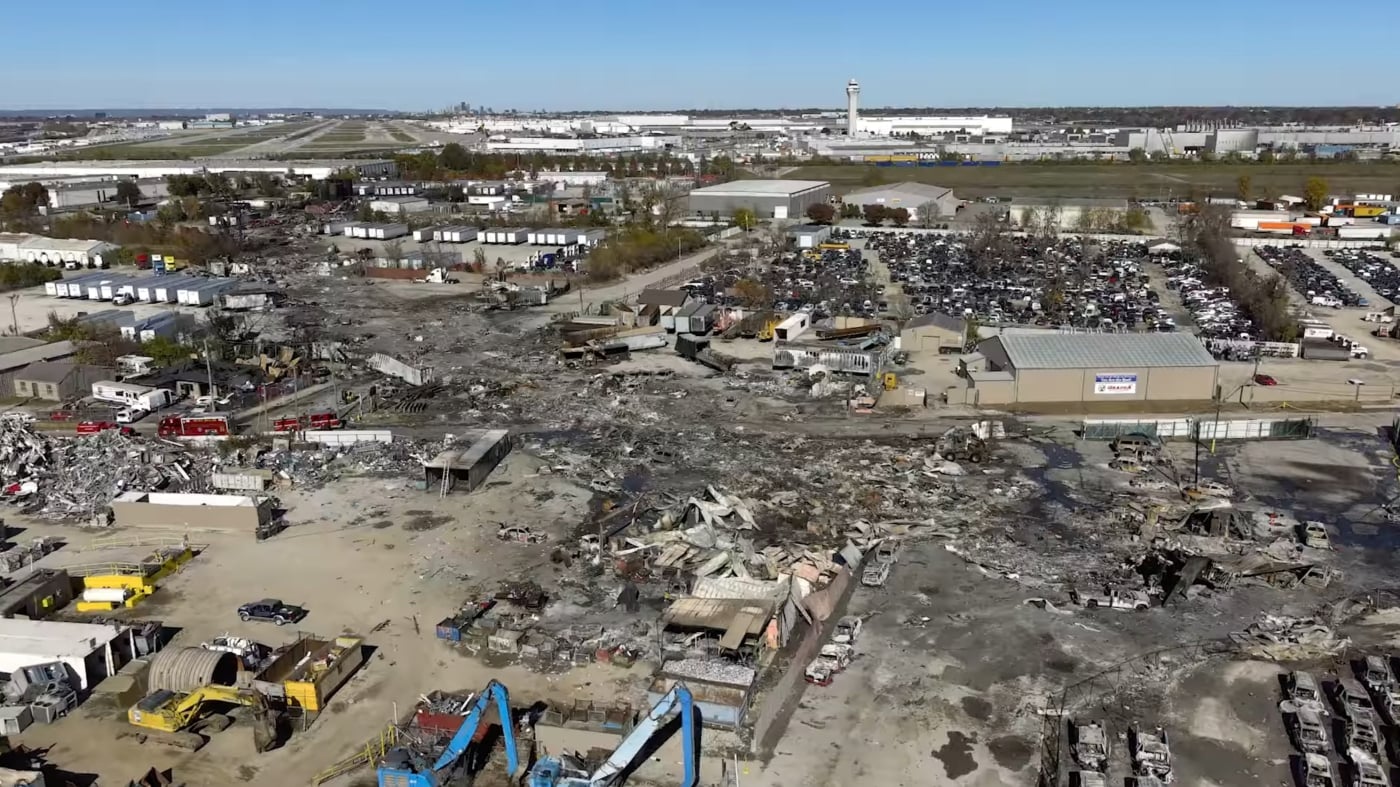
Following a deadly crash at UPS's Louisville hub that killed 14 people, UPS and FedEx are grounding their MD-11 fleets as a safety precaution, based on manufacturer recommendations, while investigations continue into the crash.
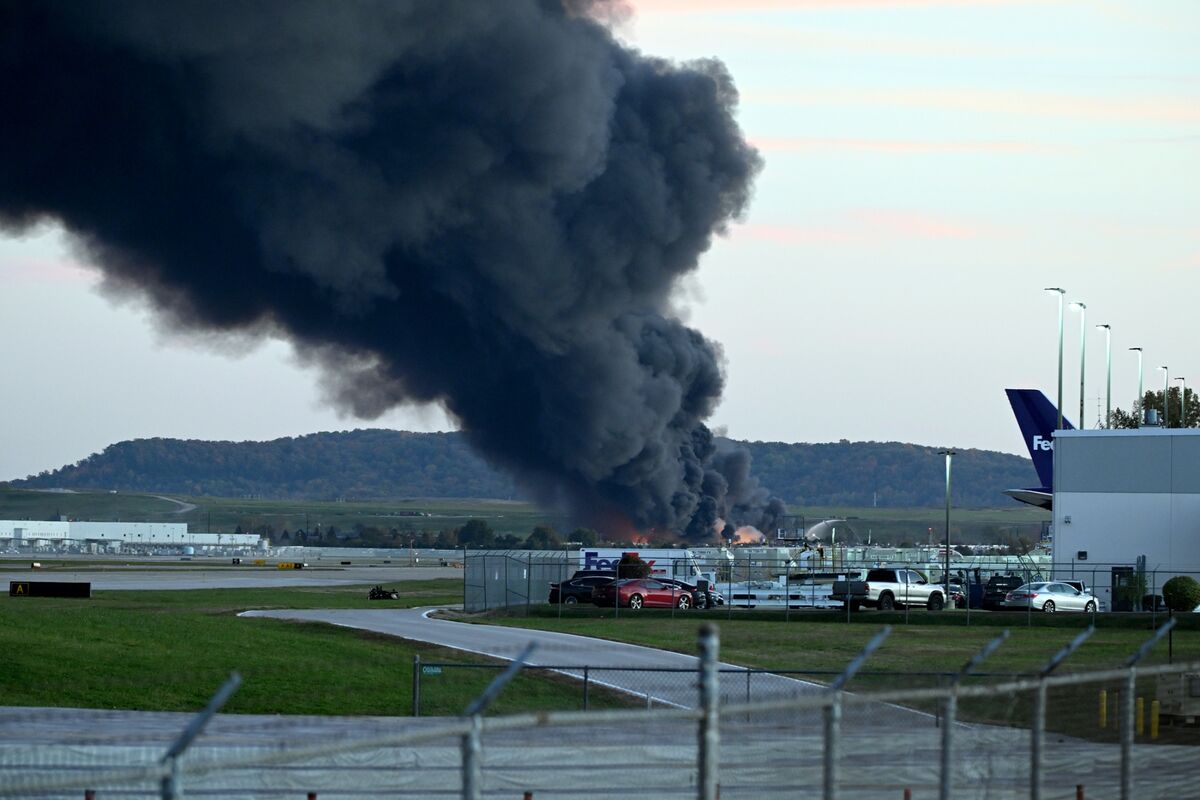
Following a deadly crash in Kentucky involving a UPS MD-11 aircraft, which resulted in a fire and significant damage, UPS and FedEx have grounded their MD-11 planes as investigations continue. The cockpit voice recorder indicated a possible engine fire, and the aircraft had undergone maintenance prior to the crash. The incident has led to a temporary halt in operations for these aircraft models, with further details expected as the investigation progresses.
Following a deadly crash at UPS's Louisville hub that killed 14 people, UPS and FedEx have decided to ground their MD-11 aircraft fleets as a precaution, pending safety reviews recommended by the aircraft manufacturer. The crash involved a nearly airborne cargo plane that caught fire and crashed, with investigations ongoing into the cause, including possible engine fire signals.
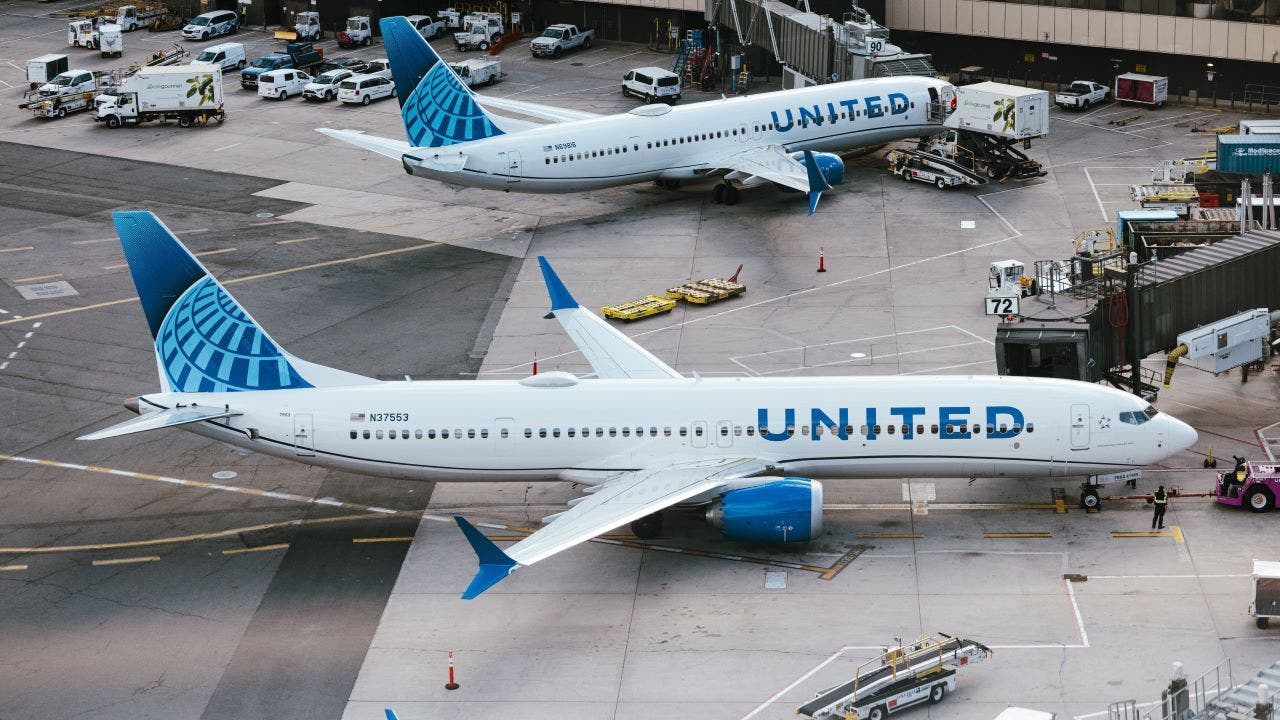
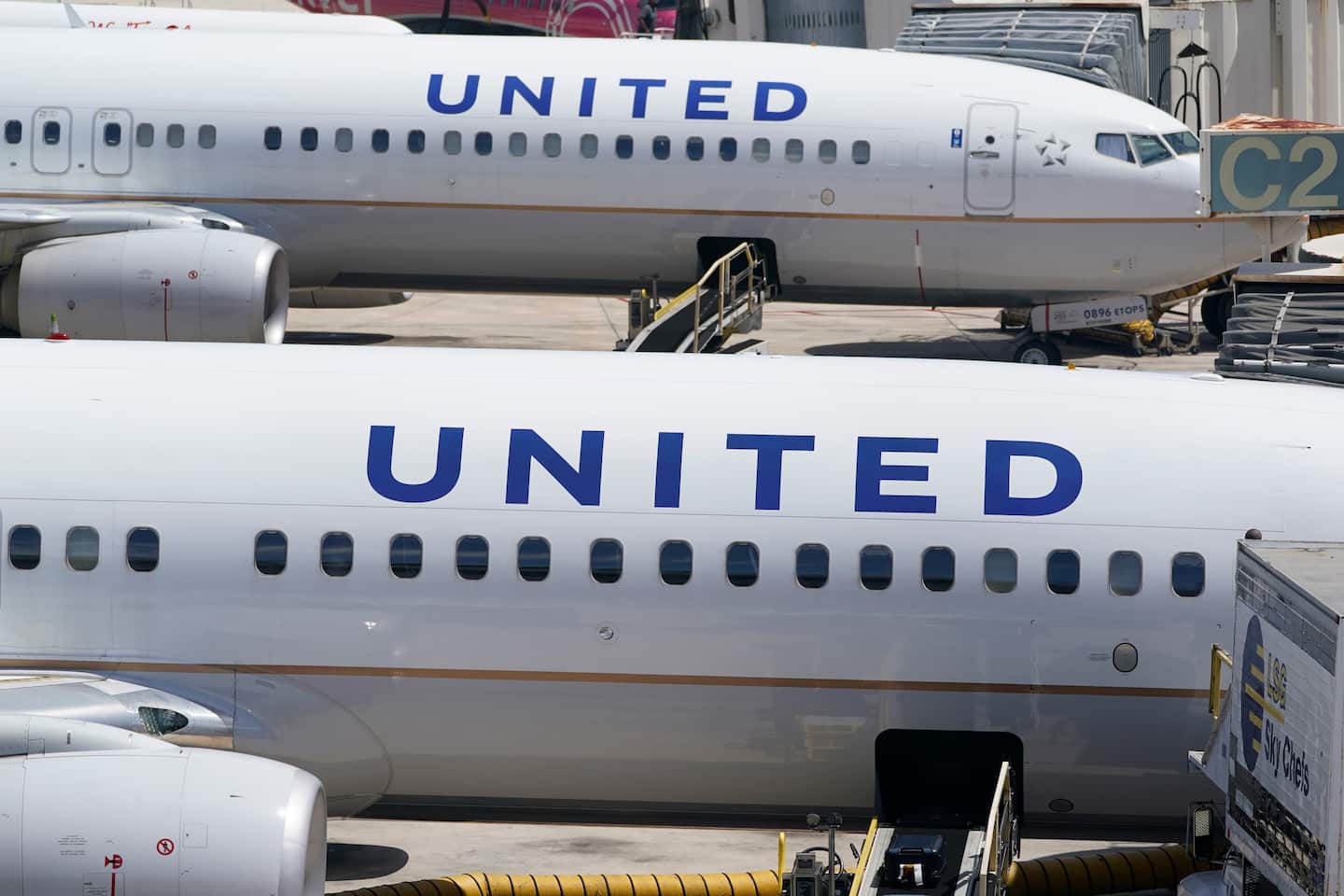
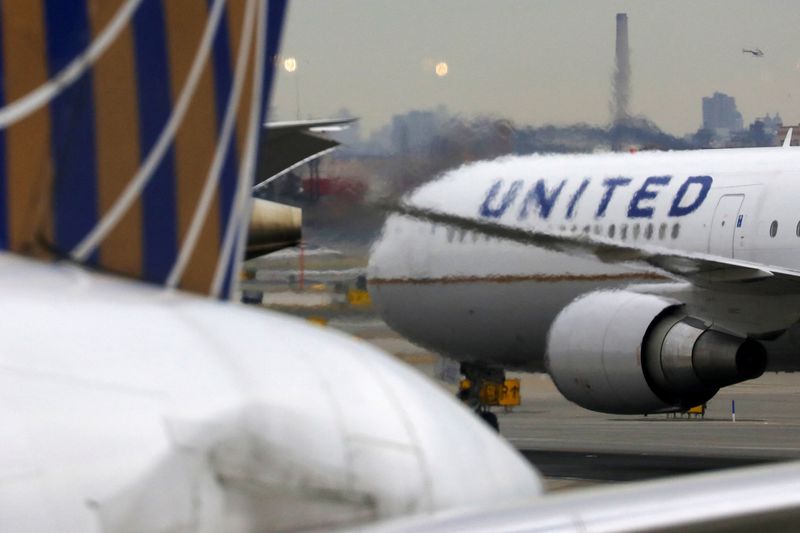
United Airlines reported a pre-tax loss of $164 million in the first quarter, attributing $200 million of it to the temporary grounding of the Boeing 737 Max 9. The grounding, following a midair incident, also impacted Boeing's production capacity and led to delivery delays. United and Alaska Airlines are the only U.S. carriers operating the 737 Max 9, and both have resumed its service after inspections. Boeing's CFO acknowledged the impact on customers and emphasized transparent communication to address the situation.
United Airlines reported a $124 million loss in the first quarter, attributing it to the grounding of its Boeing 737 Max 9s after an incident with an Alaska Airlines jet. The airline expects fewer new planes from Boeing this year and has started leasing Airbus jets to compensate. Despite the setbacks, United forecasts better-than-expected profit in the second quarter, with shares rising 5% in after-hours trading. The grounding cost the airline $200 million, leading to a loss for the quarter, while negotiations with Boeing for compensation are ongoing. United has adjusted its fleet plan due to Boeing's production challenges and anticipates earning between $3.75 and $4.25 per share in the second quarter.
American Airlines CEO Robert Isom joins other aviation executives in criticizing Boeing for quality issues, calling them "unacceptable" and stating that the company needs to "get their act together." The criticism comes after a series of quality lapses that have grounded aircraft and disrupted operations for multiple carriers, with Alaska Airlines estimating a $150 million hit from the grounding of a Boeing 737 Max 9 plane. Other airline CEOs have also expressed frustration over Boeing's supply chain challenges and inability to meet contractual obligations, putting pressure on Boeing's executive team to address the issues.
United Airlines is reevaluating its growth plans and delivery schedule for Boeing 737 Max 10 jets due to the grounding of the Max 9 fleet after a midair incident on an Alaska Airlines flight. The airline expects a first-quarter loss and uncertainty about the Max 10's delivery timeline. The financial and operational impact extends to Alaska Airlines, which has a significant portion of its fleet comprised of Max 9 aircraft. Boeing is working with the FAA to address safety concerns and disruptions caused by the grounding.
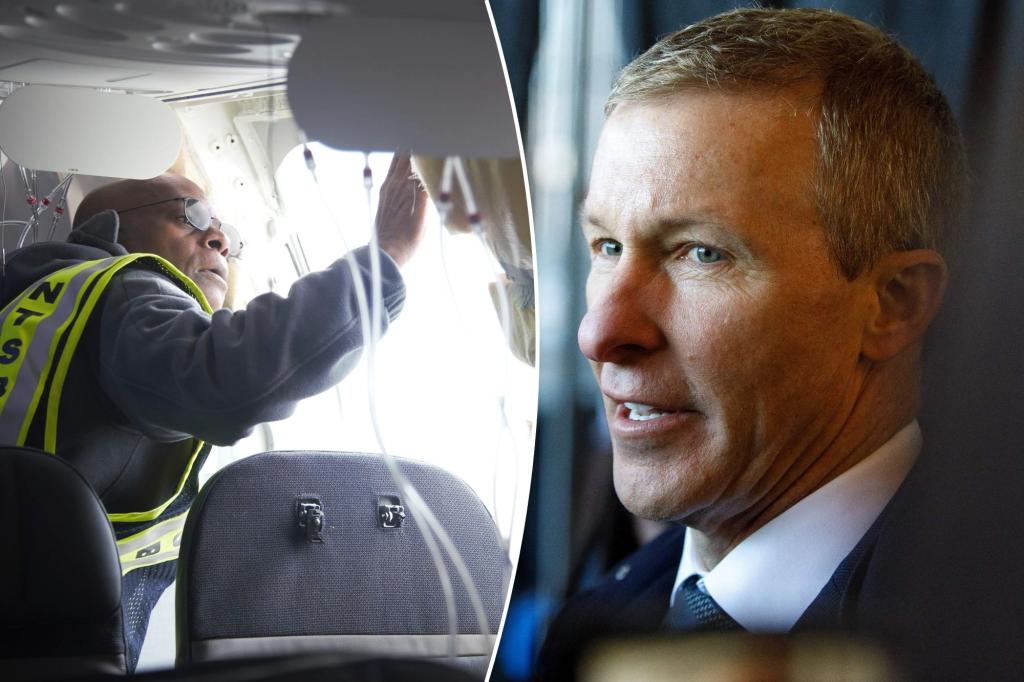
United Airlines CEO Scott Kirby criticized Boeing over the grounding of its fleet of Max 9 aircraft following the Alaska Airlines door blowout, expressing frustration over potential delays in the rollout of the 737 Max 10. Kirby's comments come amid concerns about the incident's impact on regulatory approval and delivery of the Max 10, as well as Boeing's competition with Airbus. The FAA ordered the grounding of the 737 Max 9 after the Jan. 5 incident, leading to flight cancellations and disruptions for United and other US carriers.
United Airlines forecasts a wider-than-expected loss in the first quarter due to the grounding of Boeing 737 MAX 9 planes, but shares rise on a positive 2024 profit outlook. The company expects an adjusted loss of 35 to 85 cents per share for the quarter, with the grounding impacting non-fuel operating costs. The U.S. aviation regulator grounded MAX 9 jets indefinitely after a safety incident, affecting United and Alaska Airlines. United reported a better-than-expected adjusted profit in the fourth quarter and will provide updates on the safety inspections of the grounded planes in an upcoming call with analysts and investors.
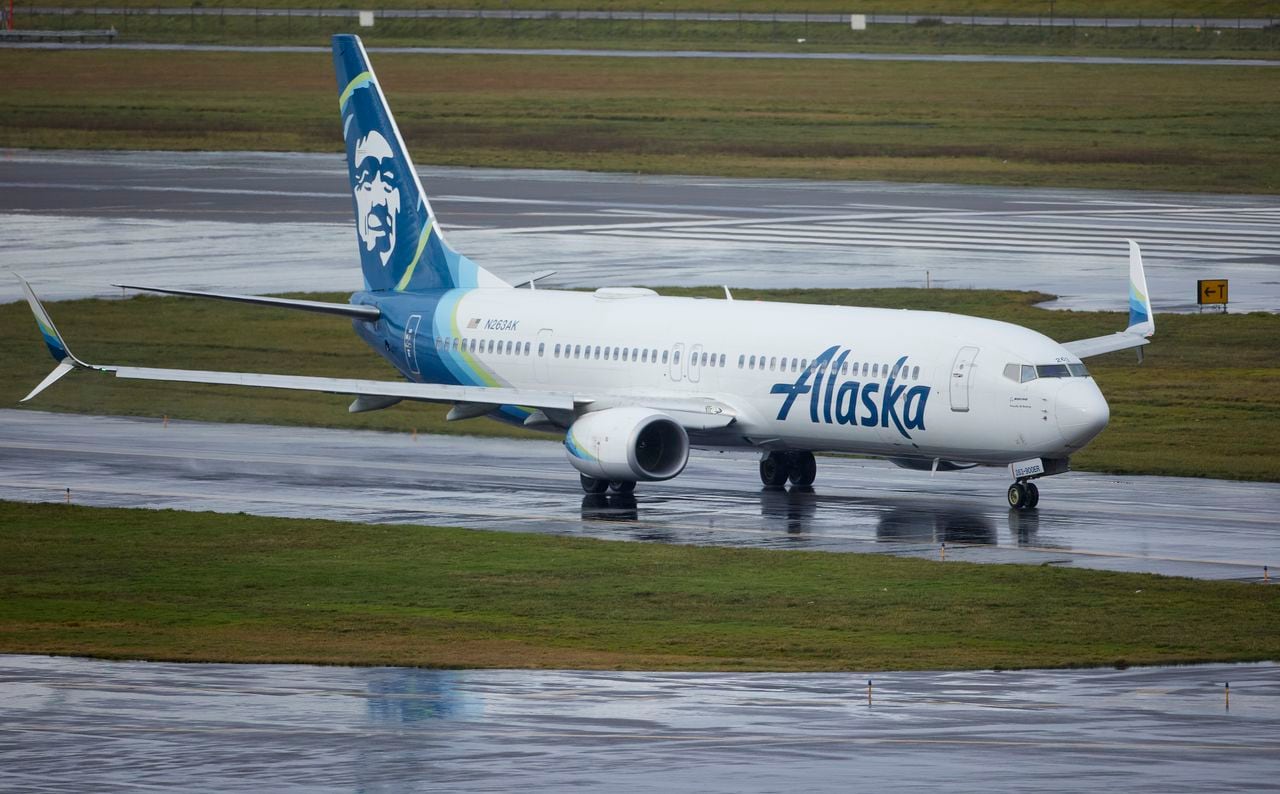
Alaska Airlines grounded all of its Boeing 737 Max 9 jetliners after a portion of one plane’s fuselage blew out three miles above Oregon, prompting federal officials to indicate further maintenance might be required. The airline had returned 18 of its 65 737 Max 9 aircraft to service on Saturday following inspections, but additional work may be needed. The National Transportation Safety Board is investigating the incident, and the FAA had ordered the grounding of some 737 Max 9s for inspection. This comes after two Max 8 jets crashed in 2018 and 2019, leading to a worldwide grounding of all Max 8 and Max 9 planes.
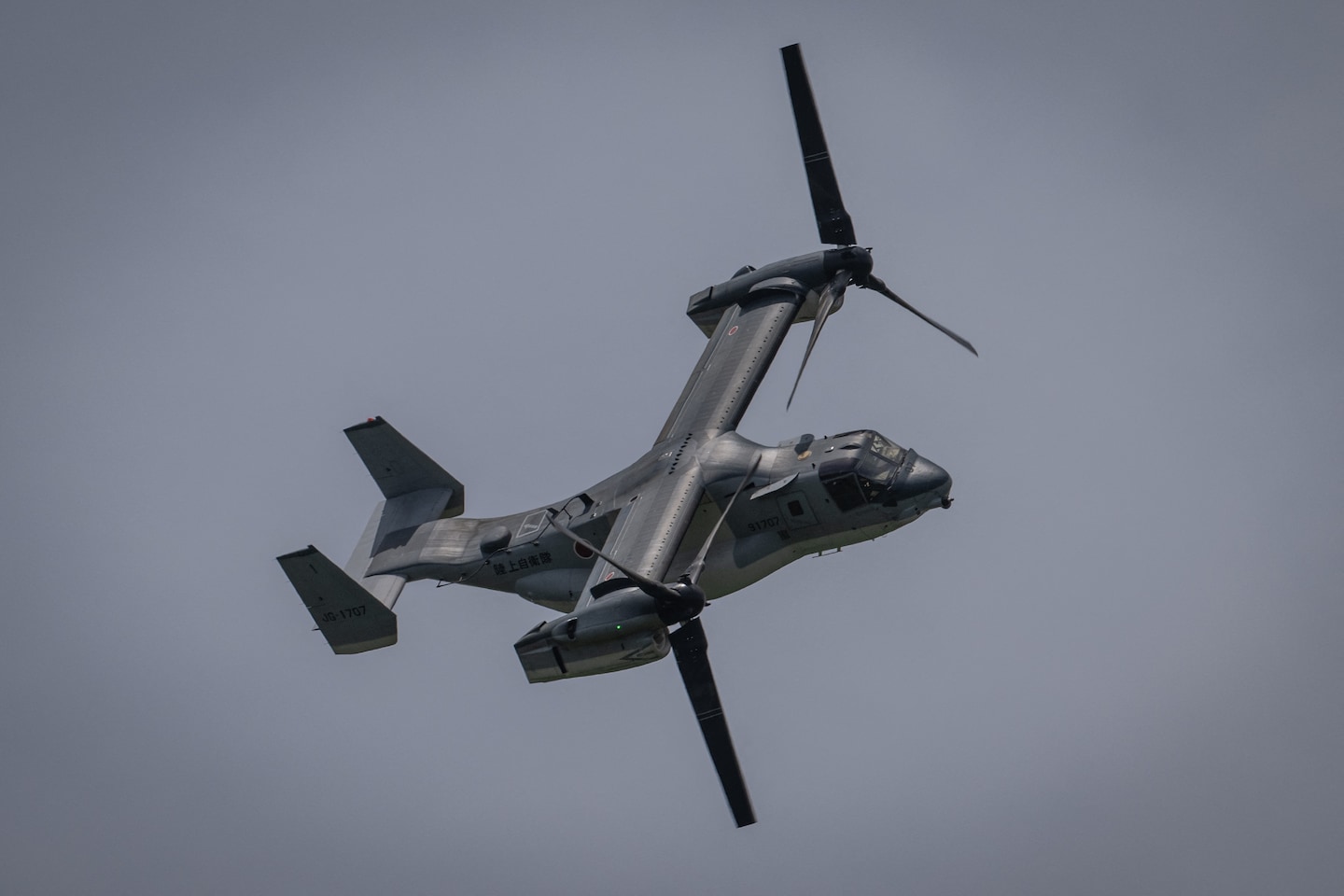
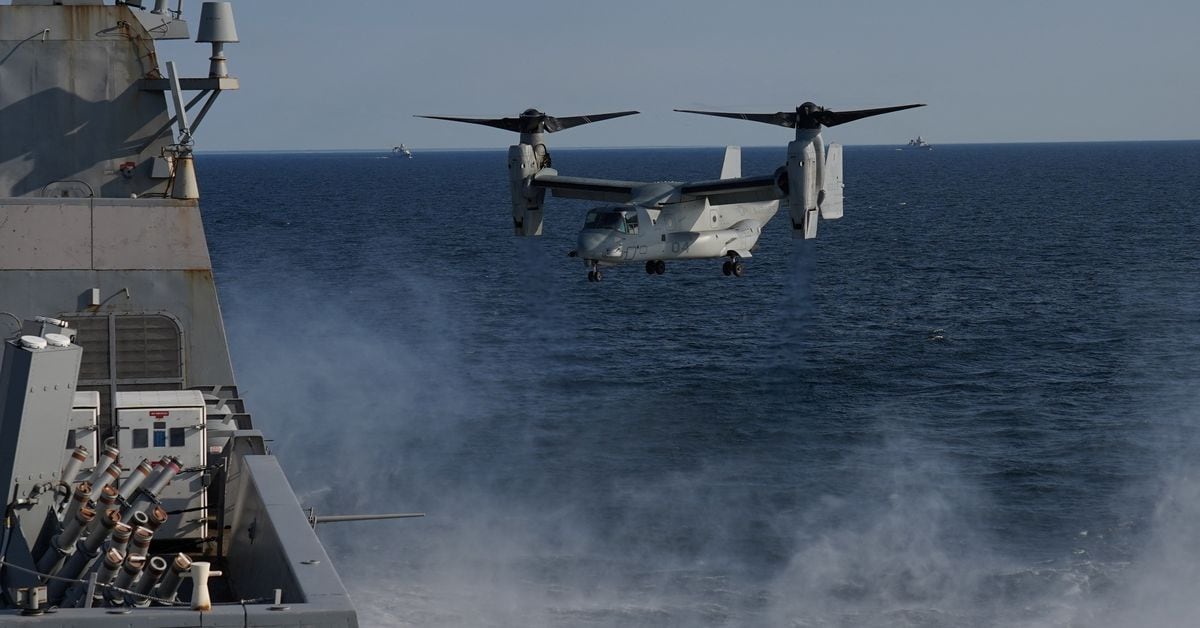
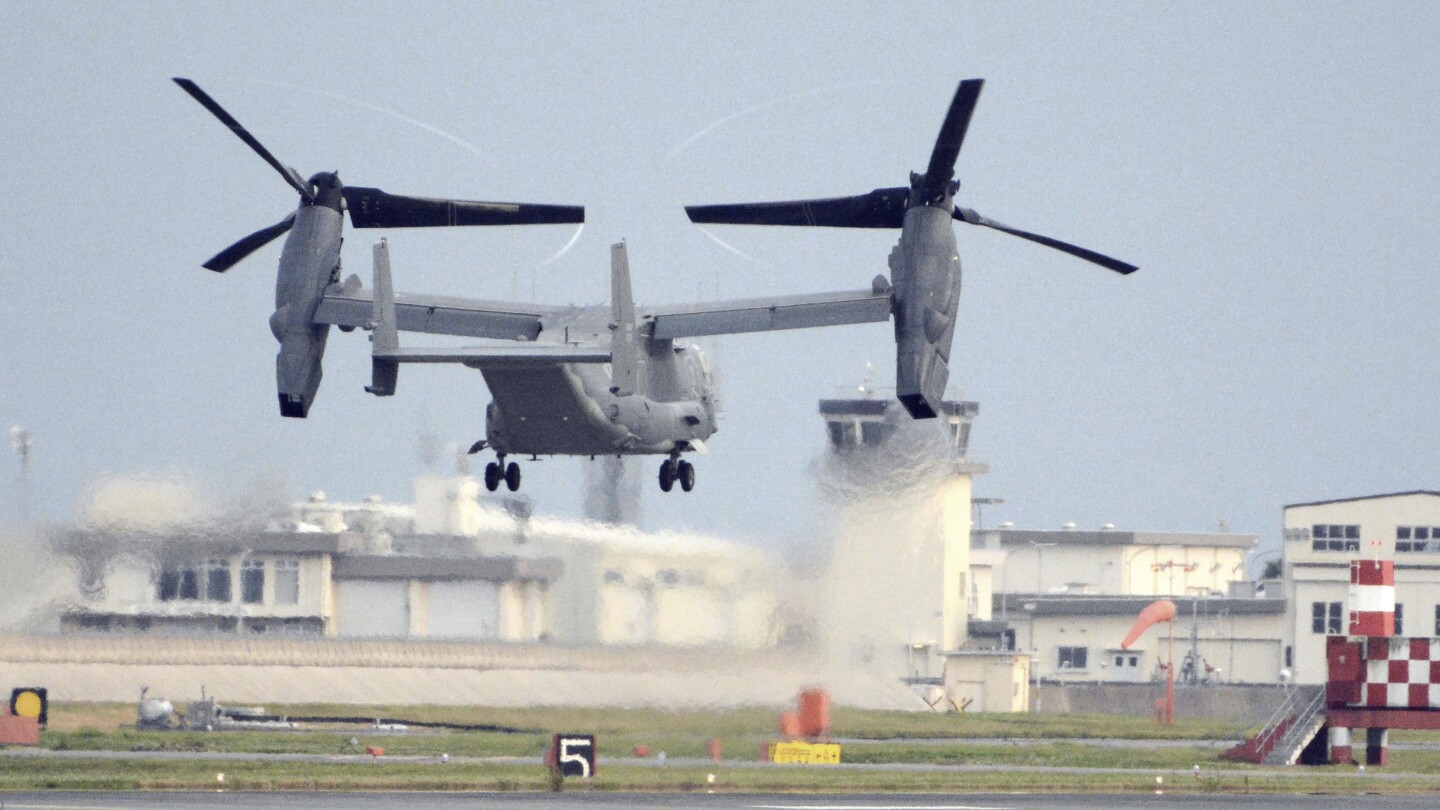
The U.S. military has grounded its entire fleet of V-22 Osprey aircraft following a crash off the coast of Japan that killed eight Air Force Special Operations Command service members. Investigators suspect a materiel failure, prompting the Navy, Marine Corps, and Air Force to halt flights while the investigation proceeds. Boeing and Bell, the manufacturers of the aircraft, are ready to provide support if requested. The CV-22, the Air Force's Special Operations variant of the Osprey, is under scrutiny due to previous accidents. The cause of the recent crash is still unknown.
The US military has grounded its fleet of V-22 Osprey aircraft following a crash off the coast of Japan that killed eight people. Tokyo had already grounded its small fleet of Ospreys after the incident, which has reignited controversy over the aircraft's deployment. Preliminary investigations suggest a potential material failure caused the crash, but the underlying cause is still unknown. The Osprey, developed by Boeing and Bell Helicopter, has faced criticism in Japan for being accident-prone, although both the US and Japanese governments reject this claim. The grounding of the Ospreys could impact training and readiness if it continues for an extended period.
The US military has grounded its entire fleet of Osprey V-22 helicopters following a fatal crash off the coast of Japan that claimed the lives of eight Air Force Special Operations Command service members. The grounding comes after a preliminary investigation suggested a materiel failure, rather than crew error, as the cause of the crash. This incident has raised concerns about the safety of the Osprey, which has been involved in multiple fatal accidents since its introduction. Japan has also grounded its fleet of Ospreys. The investigation into the crash is ongoing, with attention focused on the aircraft's unique design and mechanical issues, including a long-standing problem with the clutch.
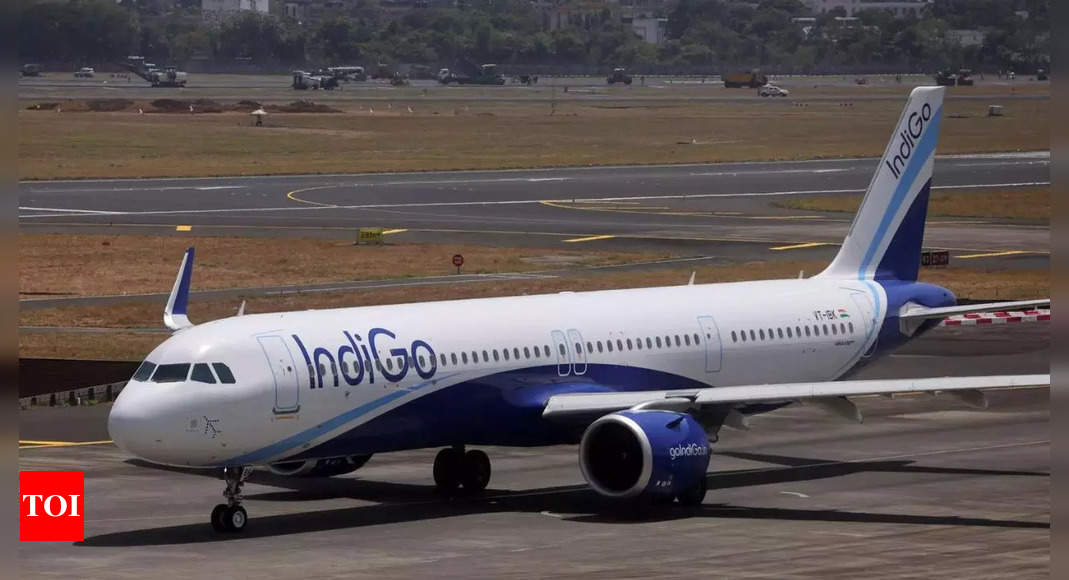
Pratt & Whitney has warned IndiGo that a powder metal contamination issue could result in around 80 of the airline's planes being grounded in the first quarter of 2024. Already, nearly 50 IndiGo Airbus A320neo planes have been grounded for months, awaiting replacement GTF engines from Pratt & Whitney. The ongoing engine troubles could lead to a capacity crunch for IndiGo, potentially causing a spike in airfares. The GTF engines have been plagued with issues for several years, prompting the Indian aviation regulator to direct Pratt & Whitney to establish a maintenance repair overhaul (MRO) facility in India.