Tag

Optical Properties

All articles tagged with #optical properties

Scientists Recreate 5,000-Year-Old Egyptian Blue Pigment

Originally Published 7 months ago — by The Debrief

Featured image for Scientists Recreate 5,000-Year-Old Egyptian Blue Pigment
Source: The Debrief

A team of engineers successfully recreated the 5,000-year-old Egyptian Blue pigment, revealing its variable recipes and unique optical, magnetic, and biological properties, which could have modern technological applications such as fingerprinting and counterfeit-proof inks.
"Beetle-inspired liquid crystals revolutionize QR code security"

Originally Published 2 years ago — by Phys.org

Featured image for "Beetle-inspired liquid crystals revolutionize QR code security"
Source: Phys.org

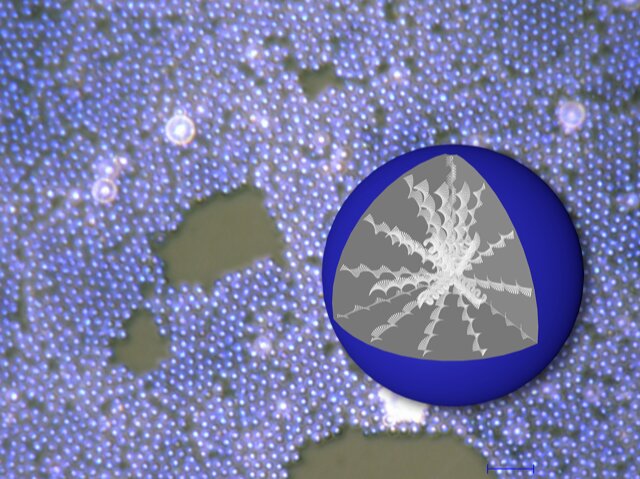
Researchers have developed a method for processing cholesteric liquid crystals (CLCs) into micrometer-sized spherical particles, which can be combined with pigments to create a unique anti-counterfeiting QR code that can only be displayed under a specific circular polarizer. The development of these spherical CLC particles opens up possibilities for low-cost structural color functions and applications beyond anti-counterfeiting.

Invisibility cloaks no match for new detection technique.

Originally Published 2 years ago — by Phys.org

Featured image for Invisibility cloaks no match for new detection technique.
Source: Phys.org

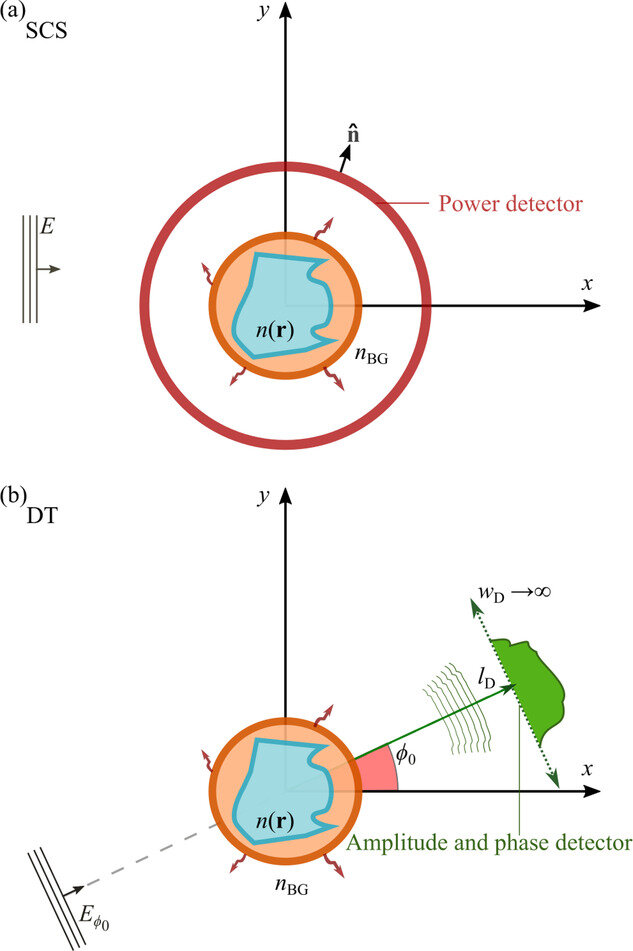
Researchers from the Universitat Politècnica de València and DAS Photonics have developed a new technique to detect invisibility cloaks using diffraction tomography. The technique provides much more information about the layers, including a map of the object's refractive index, making the cloaks more easily detectable. The method could also be extended to detect acoustic invisibility cloaks and has potential applications in electronic warfare, signal intelligence, and biomedical imaging.

Observing the First Femtoseconds of Photoinjection with Laser Physics

Originally Published 2 years ago — by Phys.org

Featured image for Observing the First Femtoseconds of Photoinjection with Laser Physics
Source: Phys.org

Laser physicists have directly observed the first few femtoseconds after photoinjection with a strong laser pulse, revealing how the optical properties of silicon and silicon dioxide evolve during this time. The attoworld team of LMU and the Max Planck Institute of Quantum Optics used a novel technique for optical-field-resolved pump-probe measurements to observe how charge carriers interacted with a weak test pulse during the first femtoseconds after their appearance. The findings could eventually help achieve future signal processing in the petahertz range, making so-called light wave electronics possible.

Revolutionizing Myopia Treatment with Innovative Lens Analysis Approach

Originally Published 2 years ago — by SciTechDaily

Featured image for Revolutionizing Myopia Treatment with Innovative Lens Analysis Approach
Source: SciTechDaily

Researchers have developed new instruments to evaluate specialized eyeglass lenses that slow the progression of nearsightedness, potentially leading to improved lens designs and treatments for millions of children. The instruments measure lens performance under real-world viewing conditions and reproduce the myopic eye's pupil and refractive errors. The optical properties of this relatively new technology have not been extensively studied and compared, and the insights gained from this new approach could help inform future lens designs that are even more effective at preventing visual decline.

"Time-Squeezed Light Waves Reveal Unexpected Physics"

Originally Published 2 years ago — by Nature.com

Featured image for "Time-Squeezed Light Waves Reveal Unexpected Physics"
Source: Nature.com

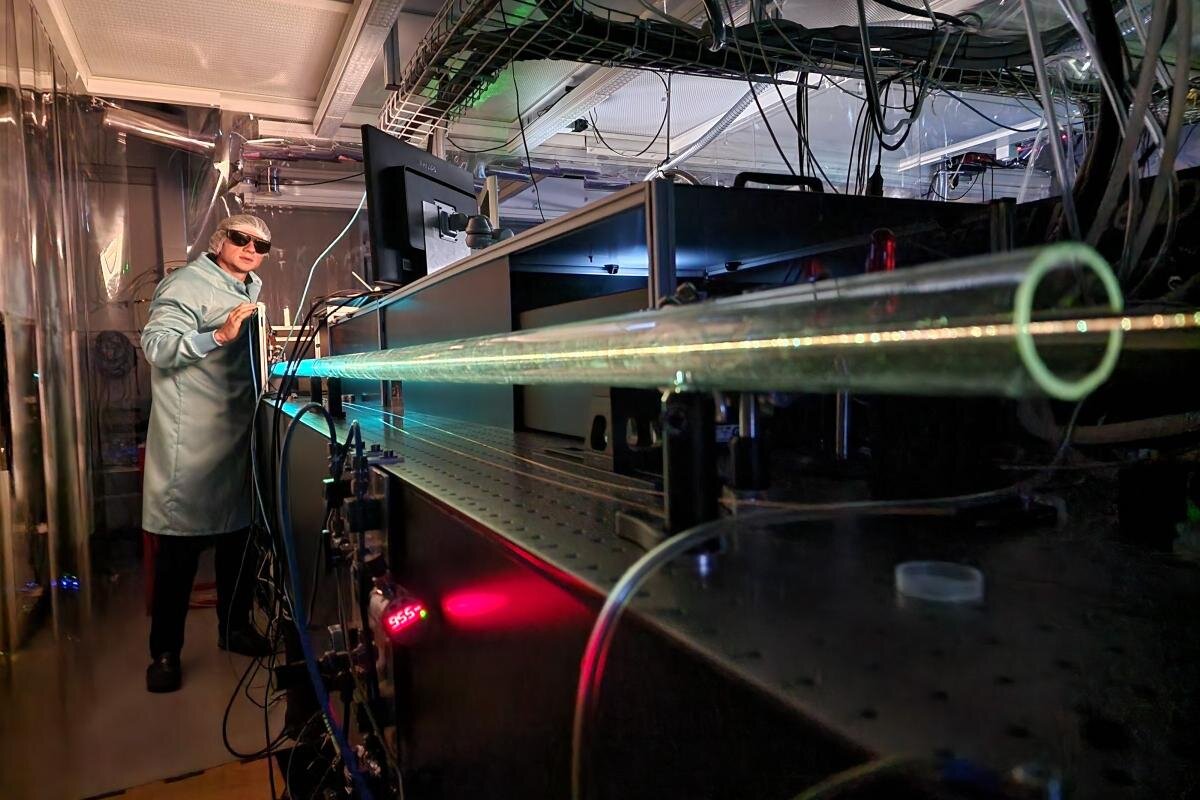
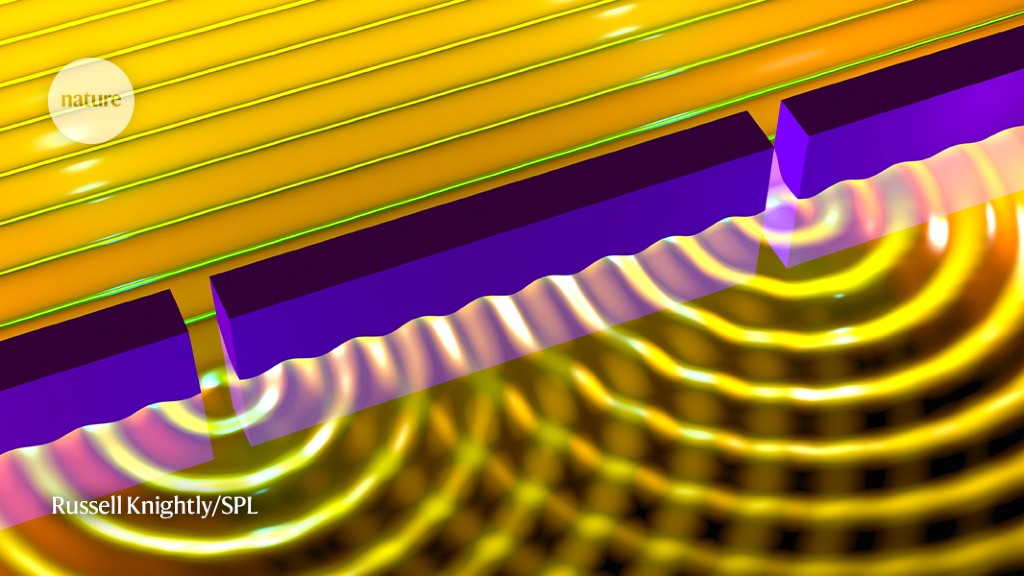
Physicists have demonstrated that a single mirror that rapidly turns on and off causes interference in a laser pulse, making it change colour, adding a new twist to the classic double-slit experiment. The rapid switching of the mirror shows that certain materials can change their optical properties much faster than previously thought possible, which could open new paths for building devices that handle information using light rather than electronic impulses. The researchers have shown that it is “possible to change the properties of ITOs very quickly”.