Tag

Online Privacy

All articles tagged with #online privacy

law1 month ago

Federal Judge Blocks Louisiana's Age Verification Law, Upholding Free Speech

A U.S. District Court struck down Louisiana's Act 456, ruling it unconstitutional as it violated the First Amendment by requiring ID verification to access online content, emphasizing the importance of free speech and privacy rights. The decision reinforces that government cannot restrict lawful online speech or compromise user privacy under the guise of protecting minors, and it sends a message to policymakers nationwide to avoid unconstitutional laws.

technology1 year ago

"Landmark Bipartisan Data Privacy Bill Unveiled to Prevent Selling of Personal Information"

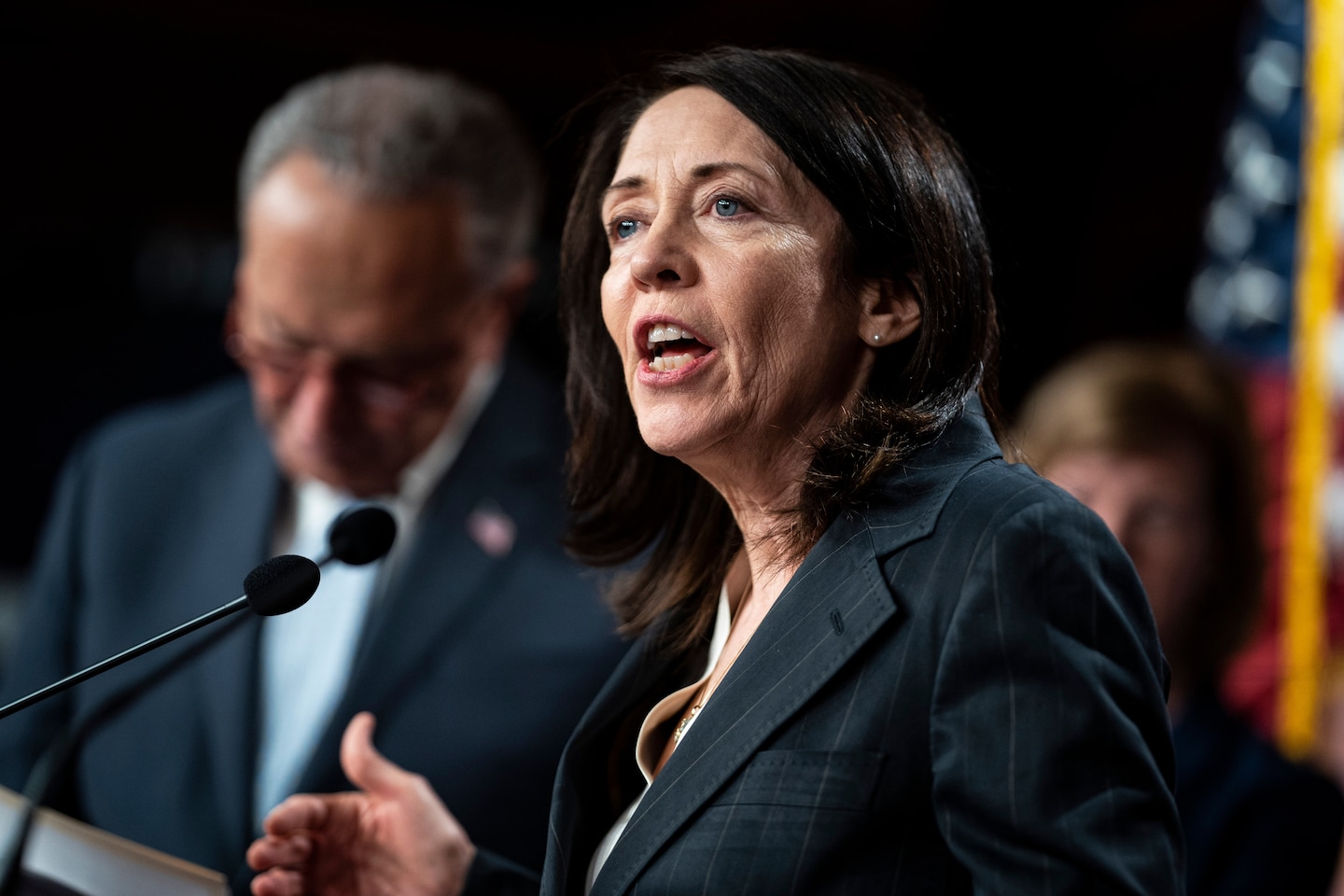
Key federal lawmakers have unveiled a bipartisan proposal, the American Privacy Rights Act, to give consumers broad rights to control how tech companies use their personal data, marking a milestone in the congressional debate over data privacy. The proposal would set a national baseline for how companies can collect, use, and transfer data, allowing users to opt out of certain data practices and requiring companies to gather only necessary information. It would also resolve issues regarding federal law overriding state laws and consumer lawsuits against violators. The proposal faces uncertain prospects but aims to preempt state privacy laws and allow civil lawsuits for data privacy violations.

technology1 year ago

"Mastering Digital Privacy: A Guide to Erasing Your Online Presence"

Protecting your online privacy involves locating and requesting the removal of personal information from websites and data brokers. Data brokers collect and sell personal data, which can lead to unwanted spam calls, affect loan eligibility, and influence insurance rates. Incogni, a data-erasing service by cybersecurity Surfshark, streamlines the removal process from data companies and people search sites, offering efficient and continuous privacy protection. It sends opt-out requests and handles rejection appeals, restarting the process every few months to keep data out of circulation. 9to5Mac readers can get 55% off Incogni’s annual plans with a special code, and the service comes with a 30-day money-back guarantee.

politics1 year ago

"DeSantis Vetoes Florida Bill Banning Social Media for Kids Under 16"

Florida Governor Ron DeSantis vetoed a bill that would have prohibited residents under 16 from opening accounts on social media platforms like TikTok and Instagram, even with parental permission. DeSantis stated that the Legislature is working on a different bill that respects parental rights. The vetoed bill faced opposition from parents' groups and would likely have faced constitutional challenges over young people's rights to access information.

technology1 year ago

"Maximizing Online Security: The Power of VPNs on Public Hotspots"

Using a hotspot for internet access can pose security risks, but employing a VPN can provide an extra layer of protection by encrypting internet traffic and disguising your online identity. Setting up a VPN with a mobile hotspot is straightforward and involves installing the VPN application, creating an account, and selecting a server location. It's important to use a VPN whenever using public networks, and there are various VPN providers available, so it's advisable to research and choose a trusted one.

technology1 year ago

"Mozilla Launches Automated Personal Data Removal Service for Data Broker Sites"

Mozilla has launched a new paid subscription service called Mozilla Monitor Plus, which offers privacy monitoring and data removal from over 190 sites where brokers sell information gathered from online sources. The service, priced at $8.99 per month, aims to automatically remove users' information when found, partnering with a company called Onerep to perform scans and takedown requests. Basic Monitor members will receive a free scan and one-time removal sweep, while Plus members will have continual monthly data broker scans. Mozilla's reputation as a privacy-first subsidiary of the open-source nonprofit Mozilla Foundation adds credibility to the service.

technology2 years ago

"Protect Your Privacy: How to Detect and Stop Computer Snooping"

This article discusses the possibility of someone snooping on your computer and provides tips to check for malware or spyware. It advises checking the Task Manager or Activity Monitor for unfamiliar processes, spotting red flags of malware infection, and staying up to date with system updates. Additionally, it offers guidance on managing startup apps and emphasizes the importance of keeping your system updated to protect against potential threats.

technology2 years ago

"Google's Evolving Approach to Third-Party Cookies: A European Perspective"

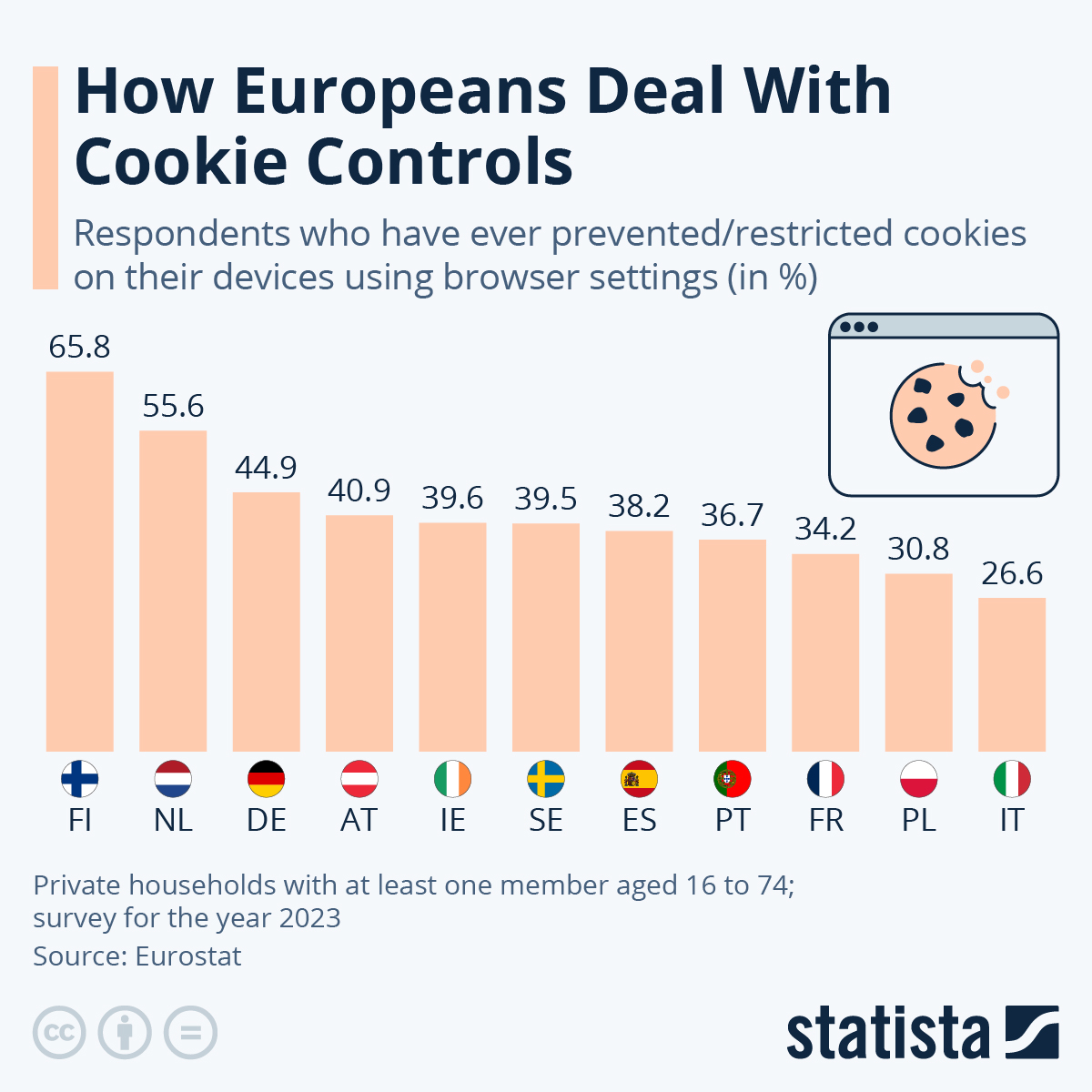
Google is introducing a new feature on its Chrome browser called Tracking Protection, allowing users to switch off third-party cookies and restrict data shared online for personalized advertising. A recent survey by Eurostat shows that cookie skepticism is particularly high in Finland, where around two thirds of respondents have tried preventing or restricting cookies using their browser settings, while in Italy, the figure is only around one in four. Google has already introduced tracking protection for one percent of all Chrome users worldwide, with plans to make the feature available to everyone in the second half of 2024.

technology2 years ago

"Google's Shift Away from Cookies Sparks New Marketing Strategies and Affects Microsoft 365 Users on Chrome"

Google has begun the process of phasing out third-party cookies on its Chrome browser, which will affect how ads track user behavior across the web. While this move is partly in response to privacy concerns, Google is simultaneously introducing its "privacy sandbox," a suite of tools designed to still allow for targeted advertising without revealing individual user identities. Other companies are also seeking alternatives to third-party cookies, indicating a significant shift in online advertising practices, though targeted ads will remain prevalent.

technology2 years ago

"FTC Proposes New Online Privacy Safeguards for Children, Senators Applaud Rule Update"

The Federal Trade Commission (FTC) has proposed significant changes to strengthen the Children's Online Privacy Protection Act (COPPA) in order to enhance children's privacy online. The proposed changes would require online services to turn off targeted advertising by default for children under 13, prohibit the use of personal details to induce children to stay on platforms longer, strengthen security requirements for data collection, limit the length of time online services can retain children's information, and restrict the collection of student data by educational-tech providers. The FTC's proposal aims to shift the responsibility of online safety from parents to digital services and curb the monetization of children's personal data.

technology2 years ago

"U.S. Regulators Introduce Enhanced Online Privacy Measures for Kids"

The Federal Trade Commission (FTC) has proposed significant changes to strengthen the federal rule protecting children's online privacy, aiming to curb the tracking and monetization of youngsters' data by social media apps, game platforms, toy retailers, and digital advertising networks. The proposed changes include turning off targeted advertising by default for children under 13, prohibiting the use of personal details to keep children on platforms longer, strengthening security requirements for data collection, limiting the retention of children's information, and restricting the collection of student data by educational-tech providers. The FTC's proposal aims to shift the responsibility of online safety from parents to digital services and protect children's personal data from being hoarded and monetized by companies.

politics2 years ago

"Unveiling Susanna Gibson's Campaign: Tackling the Crisis of Digital Privacy"

Jennifer Carroll Foy, a former candidate for the Virginia State Legislature, speaks out about the invasion of her online privacy during her campaign. Explicit videos of her were discovered and circulated by Republican operatives, leading to a media scandal that affected her personal and professional life. Carroll Foy emphasizes the need for education on consent and digital privacy, arguing that content shared consensually should not be fair game for public consumption. She also calls for stronger legislation to protect individuals from non-consensual distribution of intimate material. Despite the scandal, Carroll Foy's race was close, indicating that voters were more concerned with her policy positions and ability to serve than her personal life. She is considering legal action to hold those responsible accountable.

technology2 years ago

Critics Slam Meta's Encryption Rollout, Citing Child Safety Concerns

Child safety organizations and US prosecutors are criticizing Meta's decision to introduce end-to-end encryption for Facebook and Messenger messages, arguing that it will hinder the rescue of child sex trafficking victims and the prosecution of predators. With encryption, Meta will no longer have access to the contents of messages unless they are reported, making it difficult for social media companies to detect and report abusive and criminal activity. Critics argue that encryption protects personal data and free expression, while proponents of child safety argue that it will create barriers to collecting evidence and prosecuting criminals who target children on Meta platforms.