The 'Renegades' expansion for Destiny 2 offers a fresh and engaging experience for new players, serving as a good onboarding with its Star Wars-like themes and accessible gameplay, making it a suitable entry point into the game despite the complex story background.
The article emphasizes the importance of having less experienced users test documentation by attempting to follow it without help, to identify gaps and improve clarity. It discusses common issues with technical docs, such as lack of context, missing units, and assumptions about prior knowledge, and advocates for iterative testing, clear audience targeting, and practical exercises like screen sharing and recording to enhance understanding. The author also highlights the value of observing real users' struggles to refine documentation and improve onboarding processes, ultimately aiming for self-serve, accessible, and effective technical resources.
A survey by Bamboo HR reveals that 70% of employees decide if their job is right for them within the first month of being hired, with 44% regretting a job they took within a week of starting it. Additionally, 23% admitted to crying during their first week at a new job. Poor onboarding experiences and inconsistent expectations set by managers across departments contribute to these feelings of regret. The Great Resignation has highlighted that some workers who quit their jobs for better pay and conditions ended up regretting their decision, often due to a decline in work-life balance or unmet expectations. The survey suggests that job dissatisfaction is a significant factor in these regrets.
The remote work revolution may not materialize as companies are getting fed up with it, according to economic blogger Kevin Drum. He highlighted four key pieces of evidence, including remote work being bad for new hires and junior employees, causing more problems than in-person work, remote workers putting in 3.5 hours less per week compared to in-person workers, and productivity plummeting on days when everyone is working remotely. While workers insist they won't be going back to the office, companies are pushing for a return to the physical workplace.
The Wall Street Journal reports that even tech firms are getting engineers and project managers back in the office, marking the end of the golden age of remote work. Kevin Drum, formerly of Mother Jones, predicts that there is no future of work and that most of the private sector will go back to work in the physical sense. The tide is turning against remote work for four main reasons: it is bad for new hires and junior employees, workers admit that remote work sometimes causes more problems than in-person work, remote workers put in 3.5 hours less per week compared to in-person workers, and productivity plummets on days when everyone is working remotely.
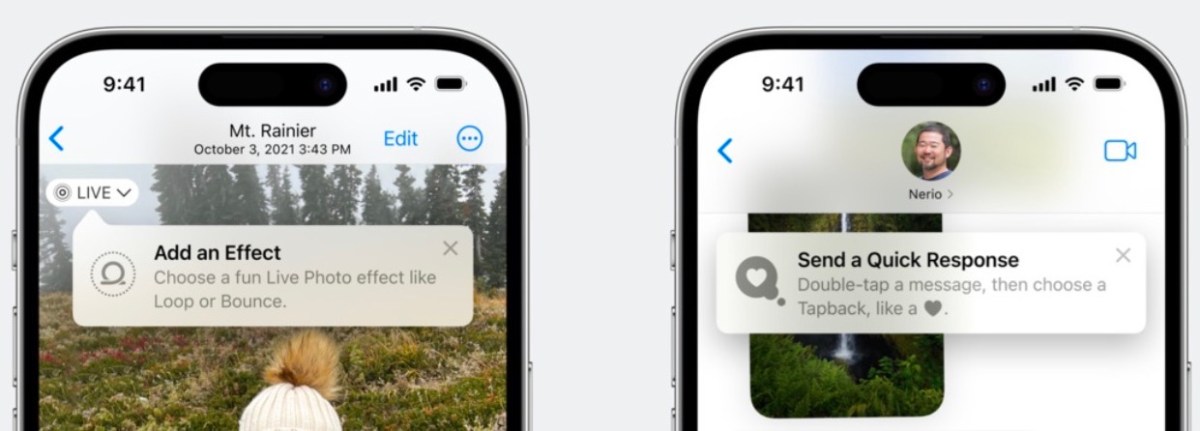
Apple has introduced TipKit, a new developer toolkit that will allow developers to introduce users to their mobile apps by showing them tips on how to get started. The framework will include templates that will match what users are already used to sharing in system apps, and developers will be able to control when and where their tips appear. Apple itself will be leveraging TipKit to introduce native tips to its own apps, like FaceTime, Photos, and Messages in iOS 17.
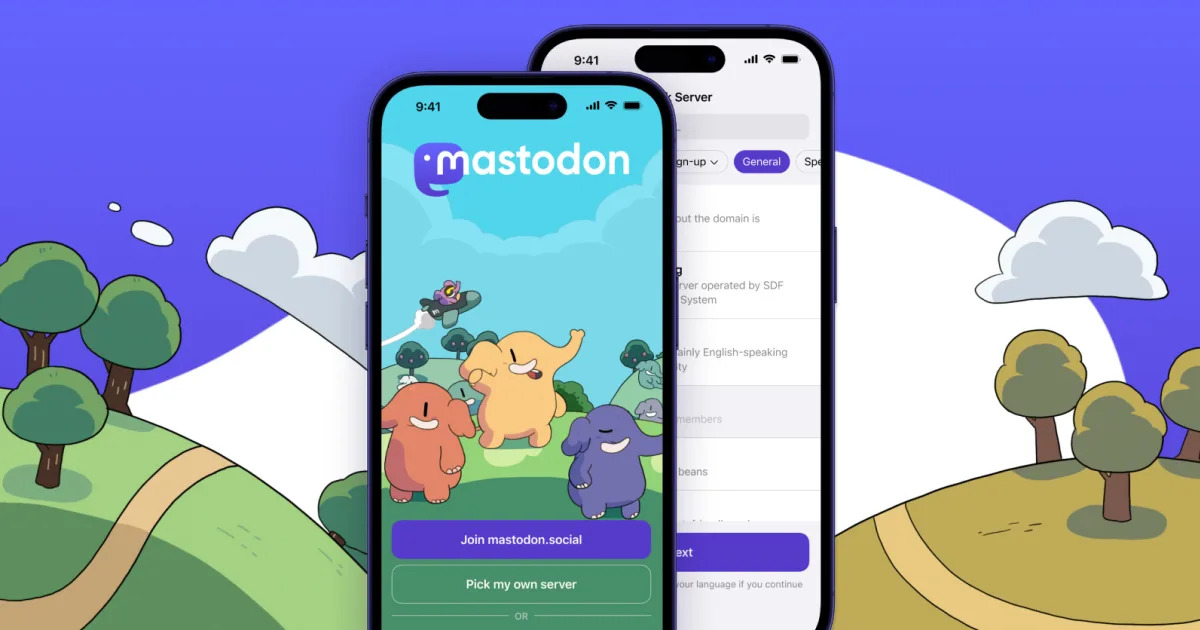
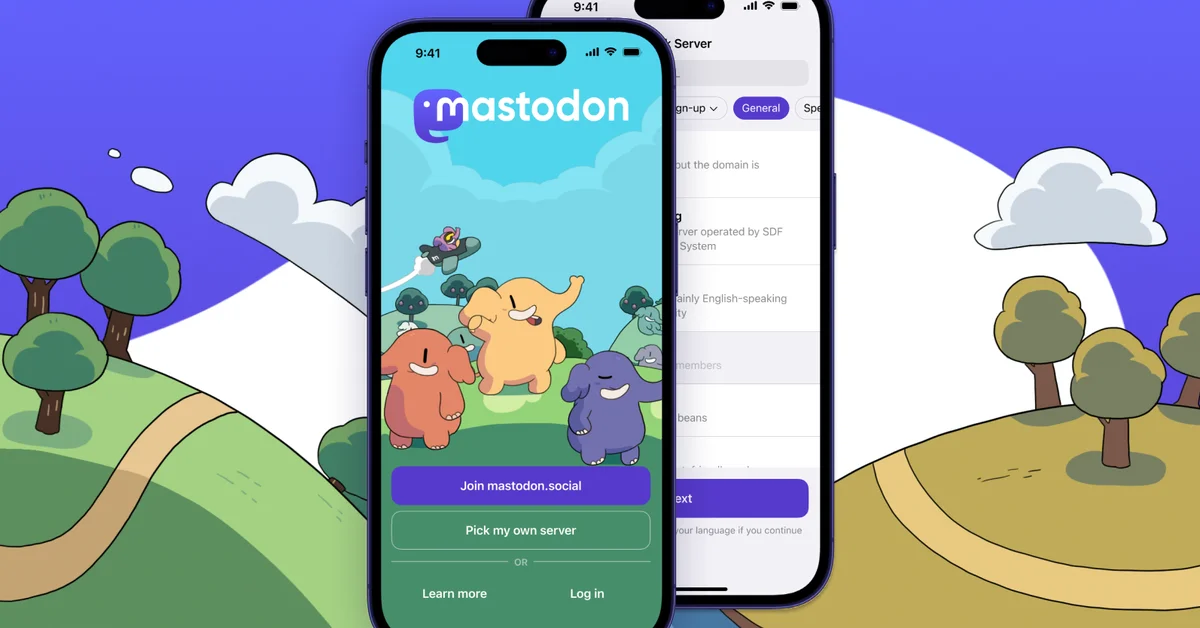
Mastodon has simplified its sign-up process by making one of its instances, mastodon.social, a default option for new users. While users can still choose from any of the available servers, the new onboarding process aims to make it easier for casual users to get started on the decentralized social network. Mastodon hopes that by removing the hurdle of choosing an instance, it can better showcase the benefits of decentralized social networks and attract new users. The service has also announced that it has surpassed a billion posts per month and is continuing to improve its features and moderation tools.
Mastodon is making it easier for new users to create an account on the platform by directing them to mastodon.social instead of prompting them to choose from one of the thousands of other servers. The change is aimed at helping new users get past the sign-up process and more quickly engage with others. Mastodon CEO Eugen Rochko says this change is necessary to make decentralization mainstream. Mastodon is also rolling out quote posts, improved content and profile search, and groups.