Microsoft is considering implementing a stricter return-to-office policy, requiring employees at its Redmond headquarters to work in the office at least three days a week starting as early as January, aligning with industry trends and increased performance expectations.
SAP and other large companies are facing backlash from employees over strict return-to-office mandates, with thousands of SAP employees signing a letter opposing the company's new policy. As the labor market shifts in favor of employers, companies like Google, AT&T, Goldman Sachs, and Bank of America have moved from flexible to firm stances on in-person attendance, leading to threats of employee departures. The battle over office attendance continues, with some workers feeling betrayed by the shift away from remote work, while companies argue that in-person presence is essential for maintaining culture and productivity.
As return-to-work policies gain momentum, many homeowners are choosing to relocate closer to their offices. A September report by Redfin revealed that about 10% of home sellers in the US are looking to move due to these policies. With average office attendance reaching 50.5% of pre-pandemic levels in major cities, the in-person, 9-to-5 lifestyle is making a comeback. Major corporations like Apple, Google, and Tesla have called remote employees back to the office, prompting employees to seek housing closer to their workplaces. However, finding affordable housing in cities like Austin can be challenging, leading some workers to settle in nearby markets.
BNP Paribas has informed its London-based staff that it will track their entry-gate swipes against logins to the bank's computer network to ensure compliance with office attendance targets. The move aims to accurately track space needs and ensure fairness across teams. The bank's USA & Canada divisions have also updated their policy to monitor staff presence in the office. While some employees prefer remote work for increased productivity and job satisfaction, bosses are concerned about the erosion of corporate culture and the missed opportunities for junior employees to learn from experienced colleagues. The bank's memo stated that staff would not be able to opt out of the tracking, and days affected by adverse weather or transport disruptions would still count as "in office" working days.
Meta, formerly known as Facebook, has warned its employees that failing to meet the new three-day-per-week office attendance requirement could result in disciplinary action, including termination. The company is implementing this policy as part of its "year of efficiency" initiative led by CEO Mark Zuckerberg. The directive applies to employees assigned to a specific office, while remote workers are advised not to visit the office more than four days every two months without a clear business reason. Meta's focus on in-person work is aimed at fostering collaboration and strong relationships, but the company acknowledges the importance of distributed work in the future. Other tech giants, such as Amazon, have also faced backlash over their return-to-office plans.
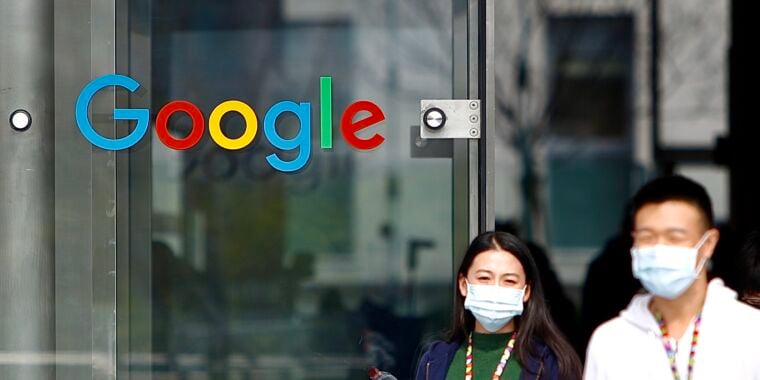
Google is making in-person office attendance part of employee performance reviews, pressuring employees to come back to the office at least three days a week. Work done from home will not be viewed as favorably as work done from the office. Google's "hybrid work" policy requires employees to come into the office for at least three days of work a week, and employees with frequent absences will receive reminders about office attendance. Some divisions of Google have scaled down and required employees to share desks, while a planned "mega campus" in San Jose has been put on hold.
Biglaw firms such as Davis Polk and Skadden are implementing mandatory four-day in-office attendance policies, despite the risk of losing associates. Legal recruiters suggest that the benefits of in-person training, mentorship, and culture outweigh the risk of losing people. As the economy improves, firms have more leverage to make these changes.
Google plans to crack down on employees who haven't been coming into its offices consistently, including tracking office badge attendance, confronting workers who aren't coming in when they're supposed to, and including attendance in employees' performance reviews. Most employees are expected in physical offices at least three days a week. Google's chief people officer Fiona Cicconi even asked already-approved remote workers to reconsider. Going forward, new fully remote work will only be granted "by exception only." These policy updates represent the company's most stringent attempt to bring employees back into physical offices.
JPMorgan Chase is ending pandemic-era hybrid work for its senior staff, citing the need for leaders to be visible on the floor, meet with clients, and be accessible for immediate feedback and impromptu meetings. The bank will maintain hybrid working options for thousands of employees who are required to have three days in the office, but warned that corrective action will be taken if employees don't comply. JPMorgan's decision reflects a broader trend among bosses across Corporate America to get their staffs back under one roof.