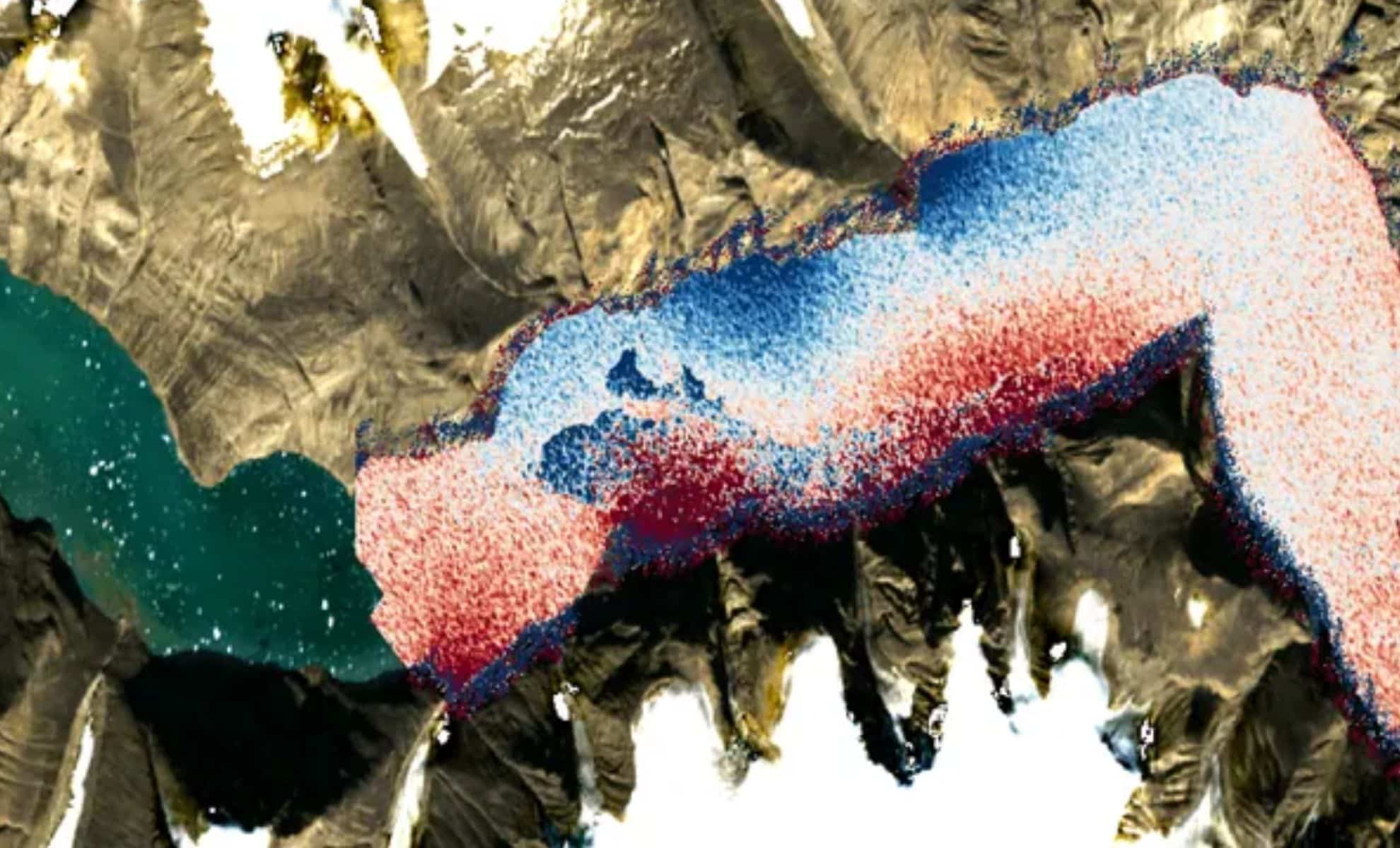
In 2023, two massive mega-tsunamis in East Greenland's Dickson Fjord, caused by glacier melting due to climate change, generated seismic waves that circled the globe for nine days. Advanced satellite technology from the SWOT mission provided the first direct evidence of these unusual seiches, revealing new insights into climate-driven ocean hazards and emphasizing the importance of next-generation monitoring tools for understanding environmental extremes.
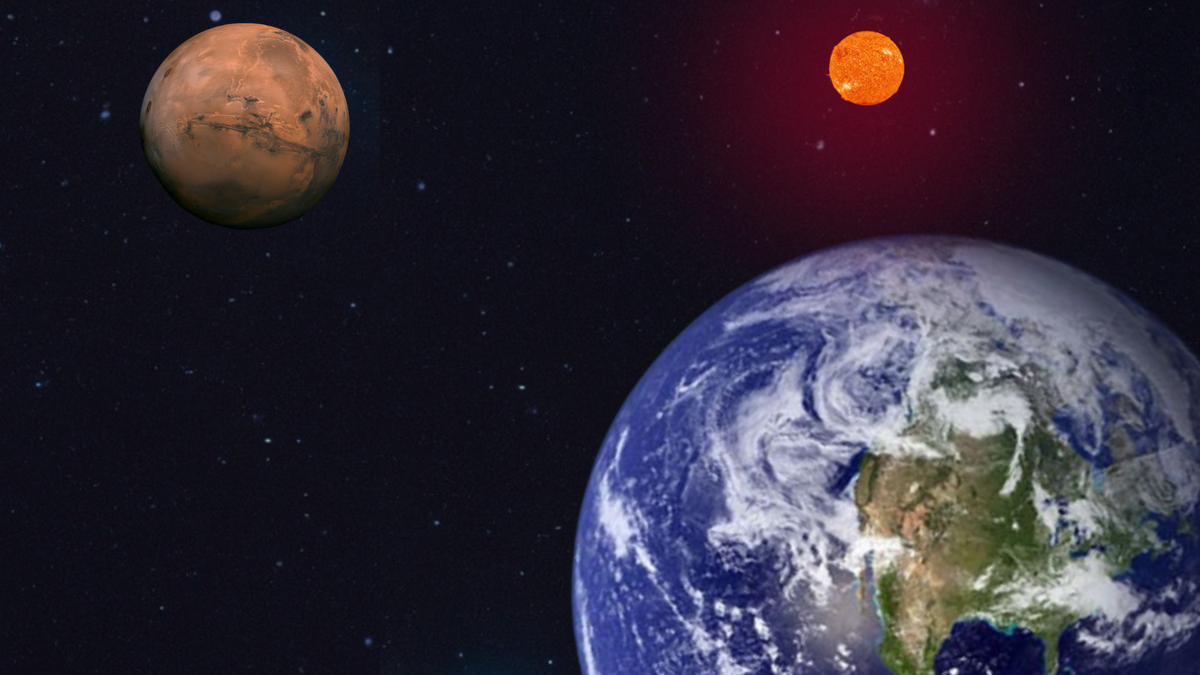
Scientists have discovered a surprising link between Mars and Earth's seas and climate, with deep-sea currents waxing and waning in a 2.4-million-year cycle driven by the gravitational interaction between the two planets. This connection to periods of increased solar energy and a warmer climate could help researchers create better climate models and understand how climate change over geological timescales affects ocean circulation. The study, published in Nature Communications, used deep-sea sediment records to uncover the cycles and suggests that the interplay between the orbits of Earth and Mars impacts ocean dynamics, potentially keeping the ocean from becoming stagnant even if a major ocean current system slows or stops.
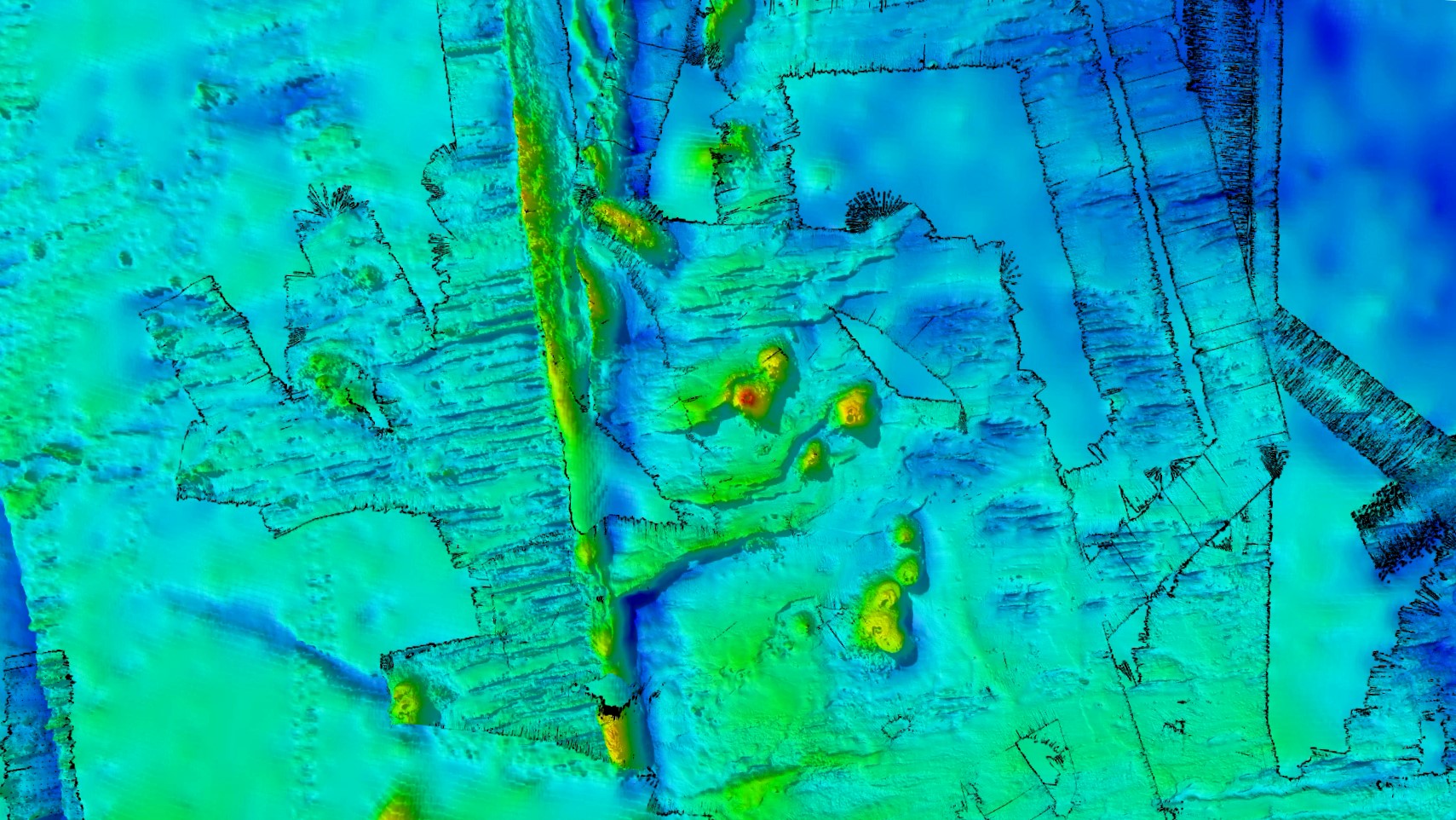
An ancient mountain range, including eight dormant underwater volcanoes, has been discovered in the Southern Ocean above the world's strongest ocean current. The discovery was made by researchers studying the Antarctic circumpolar current to understand its impact on rising sea levels. The underwater mountain range, located between Tasmania and Antarctica, lies 13,100 feet below the surface and likely formed 20 million years ago. The findings are crucial for understanding ocean dynamics and the role of seafloor features in influencing the current's flow and heat transfer. The discovery was made possible by high-resolution satellite imaging of the seafloor.
Scientists have discovered a previously hidden water mass called the Atlantic Equatorial Water in the middle of the Atlantic Ocean. This finding offers new insights into ocean dynamics and completes the phenomenological pattern of basic water masses of the World Ocean. By analyzing data from the Argo program, researchers identified a temperature-salinity curve parallel to the North Atlantic and South Atlantic Central waters, distinguishing the Atlantic Equatorial Water. This discovery sheds light on the interconnectedness of ocean currents and the complexity of the ocean's composition.