Scientists have discovered a massive blob of water in the middle of the Atlantic Ocean, extending from Brazil to the Gulf of Guinea. This water mass, named the Atlantic Equatorial Water, had previously gone unnoticed. The discovery provides a better understanding of how oceans mix and transport heat, oxygen, and nutrients. The finding was made possible through data collected by the Argo program, which uses robotic floats to monitor the world's oceans.
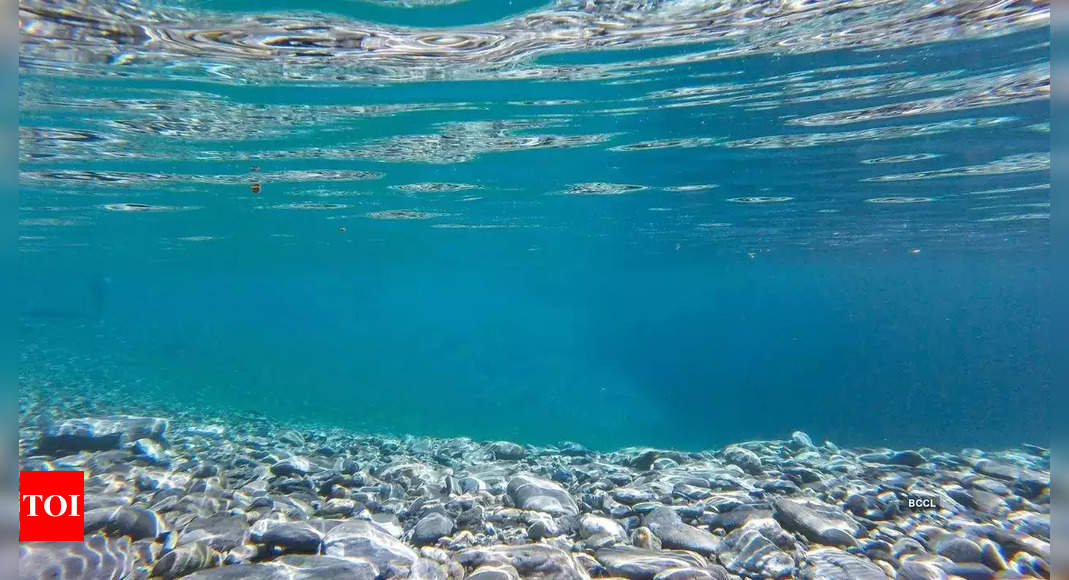
Scientists have discovered a massive water mass in the Atlantic Ocean, stretching from Brazil to West Africa, called the Atlantic Equatorial Water. This finding completes the understanding of equatorial water mixing in all three major oceans. By analyzing data from the Argo program, researchers identified a distinct temperature-salinity curve that distinguishes this water mass from others. The discovery will enhance scientists' understanding of the ocean's mixing processes and its role in global heat, oxygen, and nutrient transport.
Scientists have discovered a massive blob of water in the middle of the Atlantic Ocean, extending from the tip of Brazil to the Gulf of Guinea. This water mass, named the Atlantic Equatorial Water, had previously gone unnoticed. The discovery is significant as it provides a better understanding of how oceans mix and transport heat, oxygen, and nutrients around the world. The finding was made possible through data collected by the Argo program, which uses robotic floats to monitor the world's oceans.
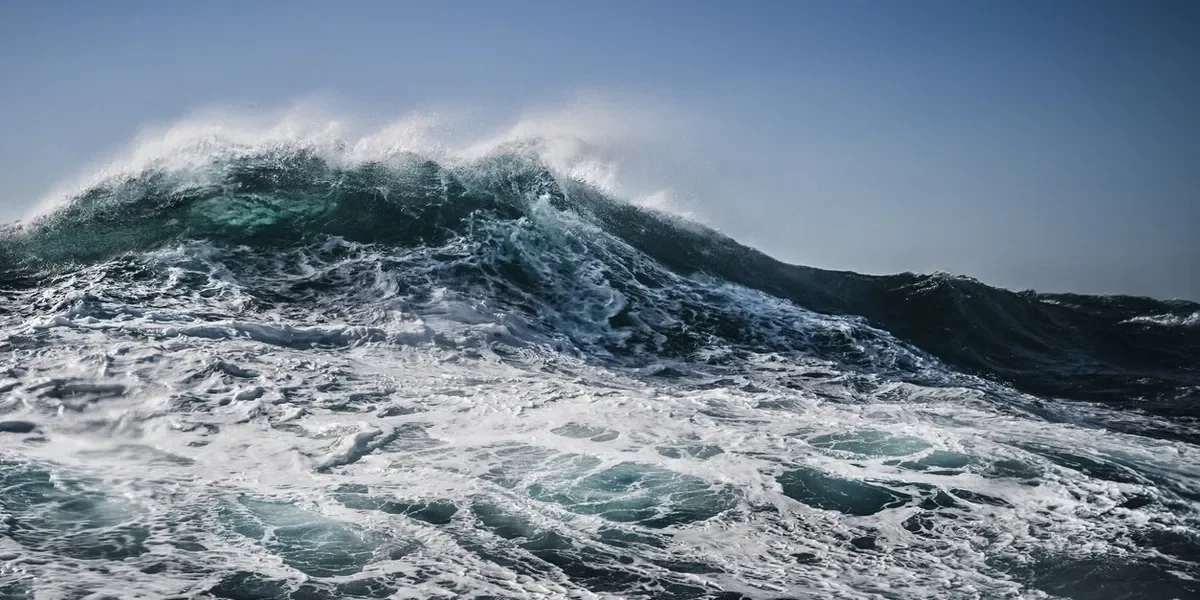
Scientists have discovered a massive blob of water in the middle of the Atlantic Ocean, extending from the tip of Brazil to the Gulf of Guinea. This water mass, named the Atlantic Equatorial Water, had previously gone unnoticed. The discovery is significant as it provides a better understanding of how oceans mix and transport heat, oxygen, and nutrients around the world. The finding was made possible through data collected by the Argo program, which uses robotic floats to monitor the Earth's oceans.
Researchers have discovered a previously unidentified massive body of water in the Atlantic Ocean, stretching from Brazil to the Gulf of Guinea. Using data from the Argo program, the team identified a distinct body of water called the Atlantic Equatorial Water, likely formed by the mixing of the South Atlantic Central Water and the North Atlantic Central Water. This finding fills a gap in the understanding of ocean mixing processes and contributes to a more accurate description of the basic water masses of the World Ocean.
Scientists have discovered a previously hidden water mass called the Atlantic Equatorial Water in the middle of the Atlantic Ocean. This finding offers new insights into ocean dynamics and completes the phenomenological pattern of basic water masses of the World Ocean. By analyzing data from the Argo program, researchers identified a temperature-salinity curve parallel to the North Atlantic and South Atlantic Central waters, distinguishing the Atlantic Equatorial Water. This discovery sheds light on the interconnectedness of ocean currents and the complexity of the ocean's composition.
Scientists have discovered a massive blob of water in the middle of the Atlantic Ocean, extending from the tip of Brazil to the Gulf of Guinea. This water mass, named the Atlantic Equatorial Water, had previously gone unnoticed. The discovery is significant as it provides a better understanding of how oceans mix and transport heat, oxygen, and nutrients around the world. The finding was made possible through data collected by the Argo program, which uses robotic floats to monitor the Earth's oceans.
Scientists have discovered a massive blob of water in the middle of the Atlantic Ocean, extending from the tip of Brazil to the Gulf of Guinea. This water mass, named the Atlantic Equatorial Water, had previously gone unnoticed. The discovery is significant as it provides a better understanding of how oceans mix and transport heat, oxygen, and nutrients around the world. The finding was made possible through data collected by the Argo program, which uses robotic floats to monitor the world's oceans.
Scientists have discovered a previously undetected water mass in the Atlantic Ocean, stretching from Brazil to West Africa, called the Atlantic Equatorial Water. This water mass forms along the equator as ocean currents mix separate bodies of water. The discovery completes the phenomenological pattern of basic water masses in the World Ocean. The identification of this water mass will provide a better understanding of the ocean's mixing processes and its role in transporting heat, oxygen, and nutrients globally.