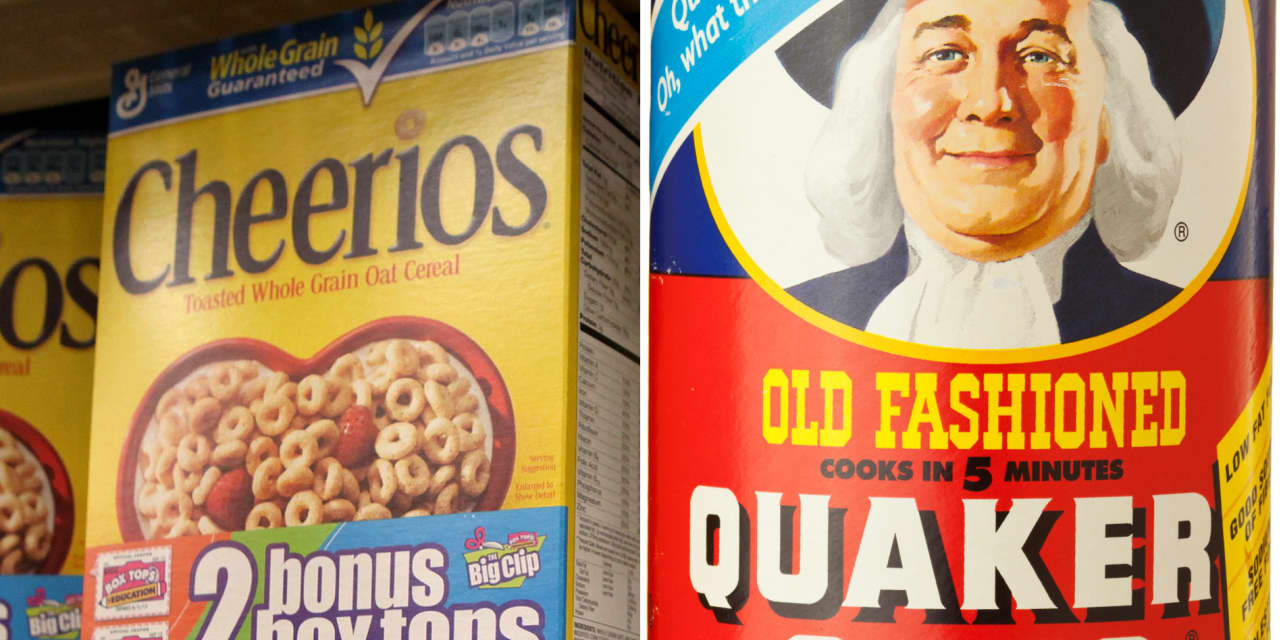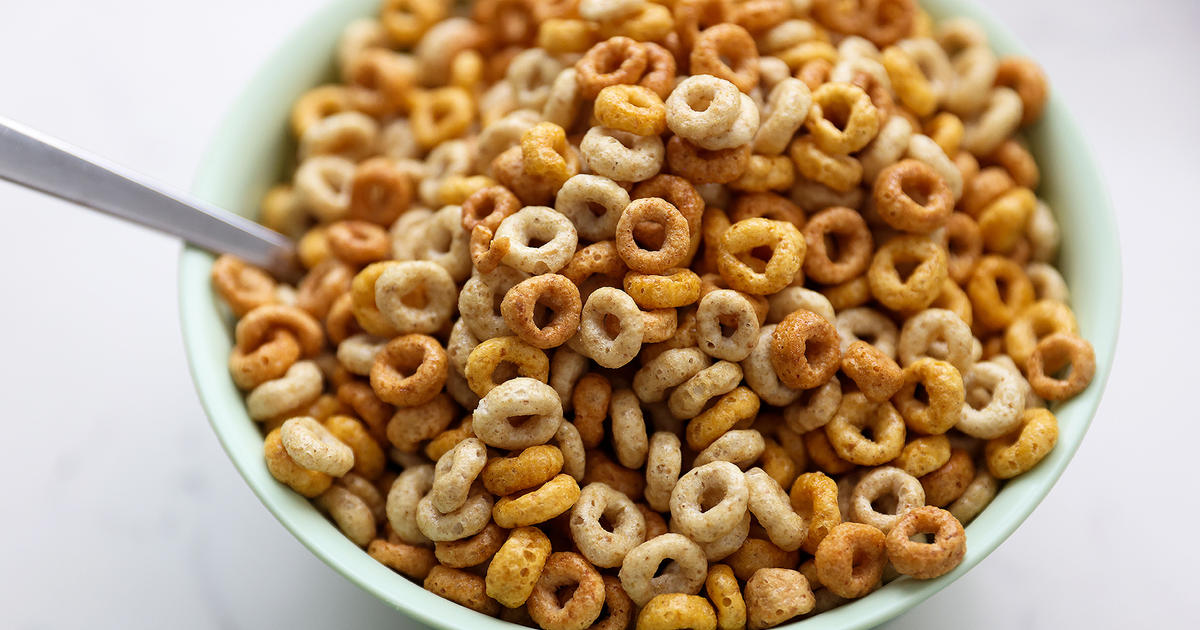
A recent study by the Environmental Working Group found that the pesticide chlormequat, linked to reproductive and developmental issues in animals, was detected in 80% of people tested in the U.S. between 2017 and 2023, with concentrations in 2023 samples significantly higher than in previous years. The pesticide was found in oat-based products, including popular brands like Cheerios and Quaker Oats, raising concerns about potential health risks for humans. The study also highlighted the increased allowable levels of chlormequat in oats and its widespread presence in oat-based foods, prompting further scrutiny and calls for action.
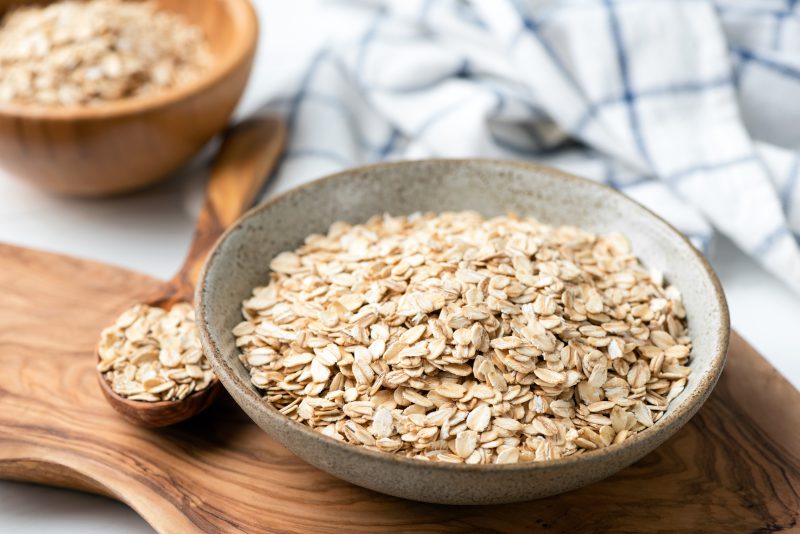
A study by the Environmental Working Group found that chlormequat, a pesticide used in oat-based foods like Cheerios and Quaker Oats, was detected in 80% of Americans tested, with higher levels and more frequent detection in 2023 compared to previous years. While the EPA has proposed allowing the use of chlormequat in oats and grains, the EWG urges consumers to choose organic oat products without synthetic chemicals and calls for further research on potential health effects in humans.
A study by the Environmental Working Group found that 80% of Americans tested positive for chlormequat, a chemical linked to reproductive and developmental issues, in oat-based foods like Cheerios and Quaker Oats. The levels and frequency of detection of chlormequat have increased, suggesting rising consumer exposure. While the EPA claims no concern for human risk, the EWG urges further research and recommends choosing organic oat products. PepsiCo and General Mills, the owners of the implicated brands, have not yet responded to the findings.
A study by the Environmental Working Group found that 80% of Americans tested positive for chlormequat, a chemical linked to reproductive and developmental issues, in oat-based foods like Cheerios and Quaker Oats. The levels and frequency of detection of chlormequat have increased, suggesting rising consumer exposure. While the EPA proposed allowing the use of chlormequat in oats and grains, the EWG emphasized the need for further research on its potential health effects in humans and recommended choosing organic oat products. PepsiCo and General Mills, the owners of the affected brands, have not yet commented on the findings.
A study by the Environmental Working Group found that 80% of Americans tested positive for chlormequat, a chemical detected in Cheerios, Quaker Oats, and other oat-based foods, with higher levels and increased detection in 2023. Chlormequat, linked to reproductive and developmental issues in animals, is not approved for use on edible plants in the U.S., but the EPA proposed allowing its use in oats and other grains. While the EPA claims no risks of concern, the EWG urges further research and recommends choosing organic oat products to avoid synthetic chemicals. PepsiCo and General Mills, owners of the affected brands, have not yet commented.
A study by the Environmental Working Group found detectable levels of the pesticide chlormequat in 92% of nonorganic oat-based foods, including popular cereals like Cheerios and Quaker Oats. While the substance's impact on humans is not fully understood, the EWG recommends opting for organic oat products, as they are grown without synthetic pesticides. Experts echo this advice, emphasizing the potential risks to fetal development and reproductive systems. The EPA is considering approving chlormequat for use on crops grown in the U.S., despite concerns raised by scientists and environmental health professionals.
A study by the Environmental Working Group found that the pesticide chlormequat, linked to infertility in animals, was detected in the majority of oat-based foods sold in the U.S., including popular brands like Quaker Oats and Cheerios. The chemical was found in 77 of 96 urine samples taken from 2017 to 2023, with levels increasing in recent years. While the EPA allows chlormequat to be used on ornamental plants only, its use has been permitted on imported oats and other foods sold in the U.S. since 2018. The EWG opposes the EPA's proposal to allow chlormequat use on certain crops grown in the U.S. Organic oat products are recommended to reduce exposure to chlormequat, as they are grown without synthetic pesticides.
A study by the Environmental Working Group found that 80% of Americans tested positive for chlormequat, a harmful pesticide found in popular oat-based foods like Cheerios and Quaker Oats, which is linked to reduced fertility, altered fetal growth, and delayed puberty. The study also revealed an increase in chlormequat exposure over the years, with 92% of oat-based foods tested in 2023 containing the chemical. The EWG is calling for government action and recommends consumers opt for organic oat products to avoid exposure to chlormequat.