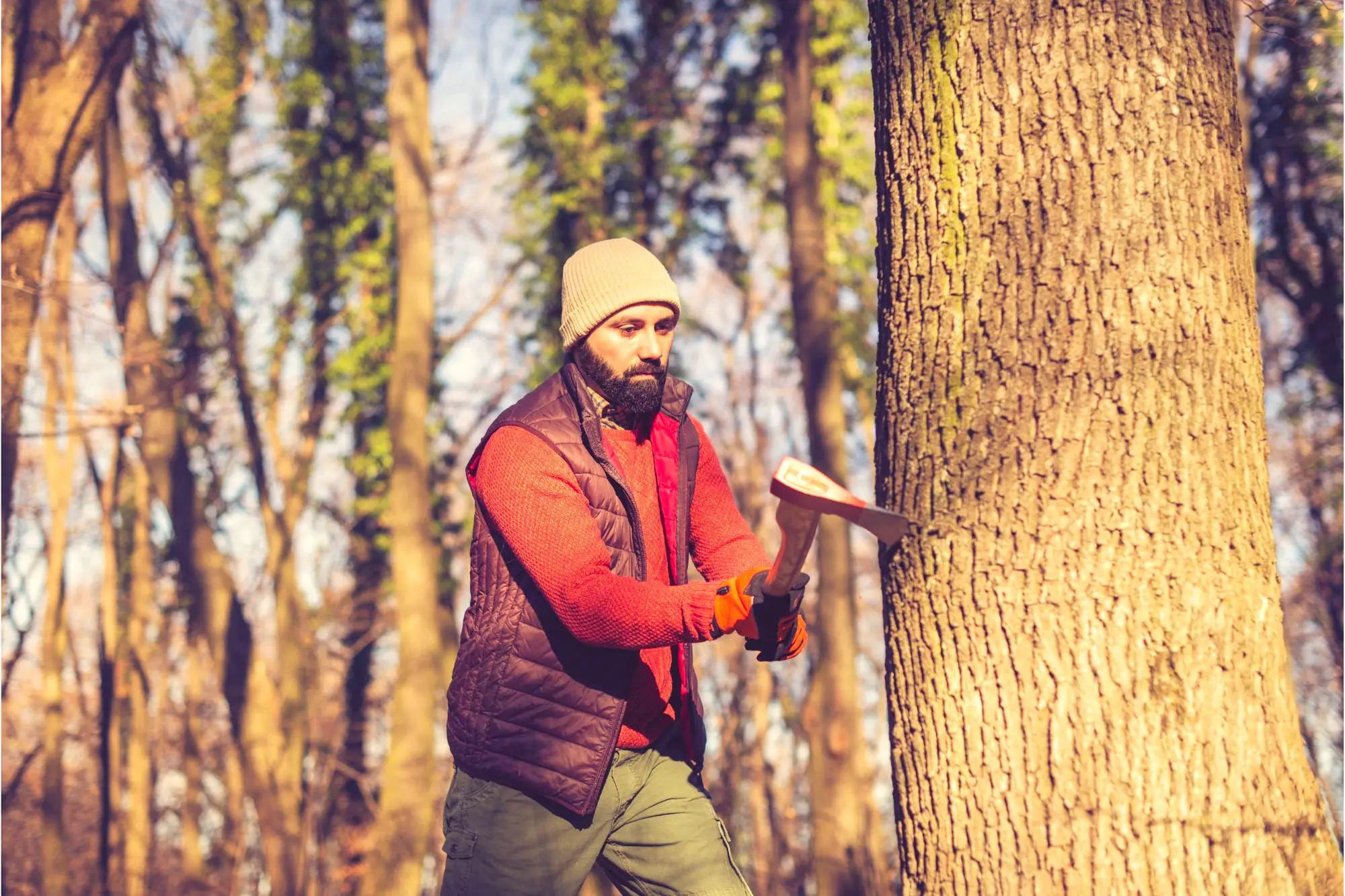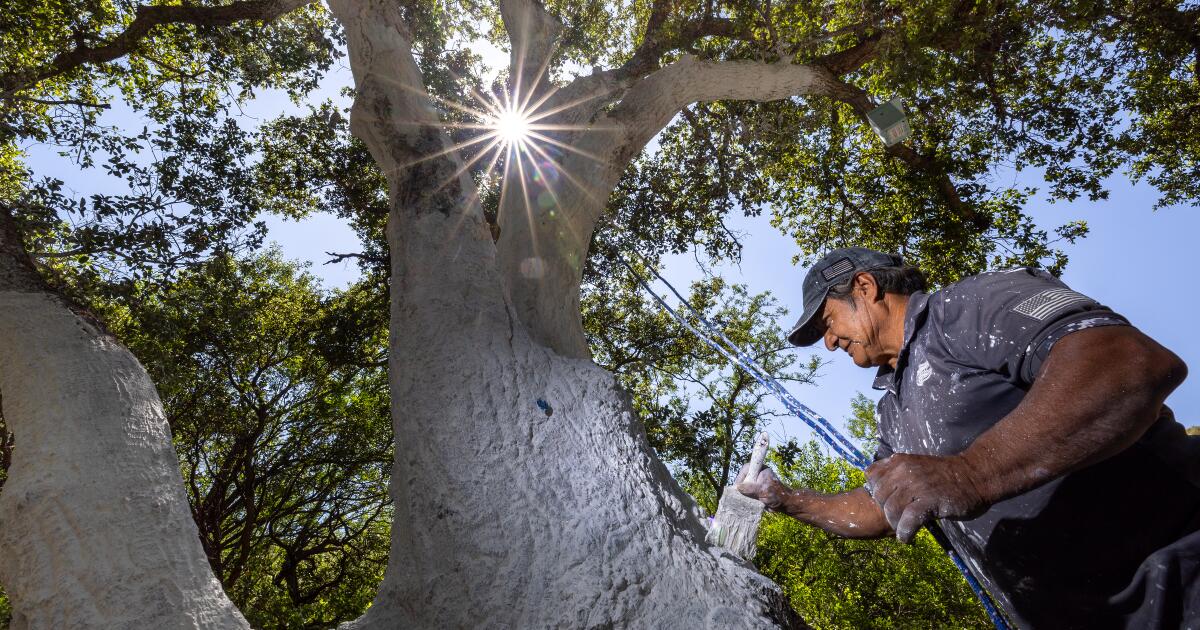
A dangerous invasive beetle, the goldspotted oak borer, has reached Ventura County, California, threatening local oak ecosystems with significant tree mortality. The beetle, native to Arizona, spreads mainly through firewood and has already killed around 200,000 oak trees in the state. Efforts are underway to contain its spread through tree removal, insecticides, and public education, but eradication remains unlikely.

Pollen season in the Orlando area is starting later than usual due to a wetter and cooler winter, with oak trees being the main pollen producers. Central Floridians are advised to take precautions such as staying indoors during peak pollen times, keeping windows closed, wearing protective masks for outdoor activities, and washing off pollen from cars and clothes. The WKMG weather team provides further information on dealing with pollen allergies.
A new study explores the complex relationship between oak trees and air pollution. As the Earth warms, oaks emit more isoprene, a compound that can degrade air quality but also benefits clean air and enhances plant resilience. Researchers suggest controlling nitrogen oxide pollution rather than cutting down oak trees. Isoprene interacts with nitrogen oxide compounds found in air pollution, creating unhealthy byproducts. The study aims to understand the biomolecular processes plants use to make isoprene and how they are affected by climate change. The research found that increasing temperatures have a greater impact on isoprene production than increasing carbon dioxide levels. The findings can help anticipate future isoprene emissions and inform better choices for managing air pollution.