North Korea condemned South Korea's warning shots in the border region as a provocation, citing increased warning broadcasts and border crossings by North Korean soldiers, amid ongoing military tensions and joint US-South Korea drills.
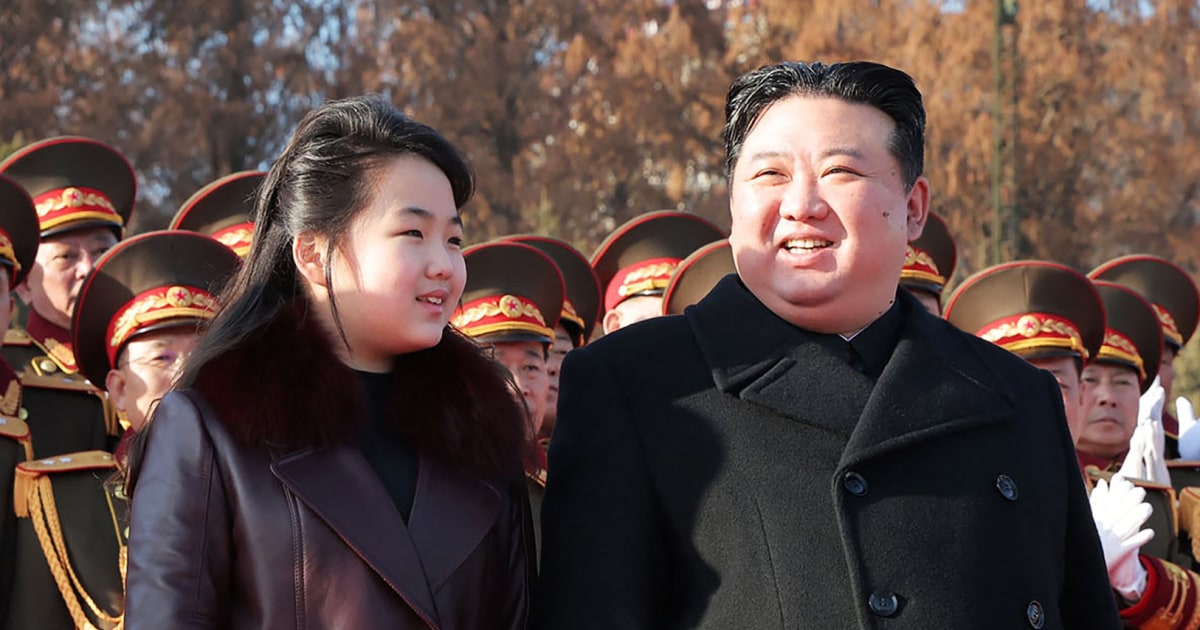
North Korean leader Kim Jong Un reiterated his lack of interest in diplomacy with South Korea and threatened to destroy the country if provoked, escalating tensions in the region. His aggressive stance, including cutting ties with South Korea and increasing military posturing, has raised concerns about potential military provocations. Kim's actions are seen as attempts to reduce Seoul's influence, force direct negotiations with the United States, and maintain a sense of external threat for domestic purposes, while South Korean President Yoon Suk Yeol described Kim's government as "irrational" actors putting strain on North Korea's economy with aggressive expansion of nuclear weapons and missiles.
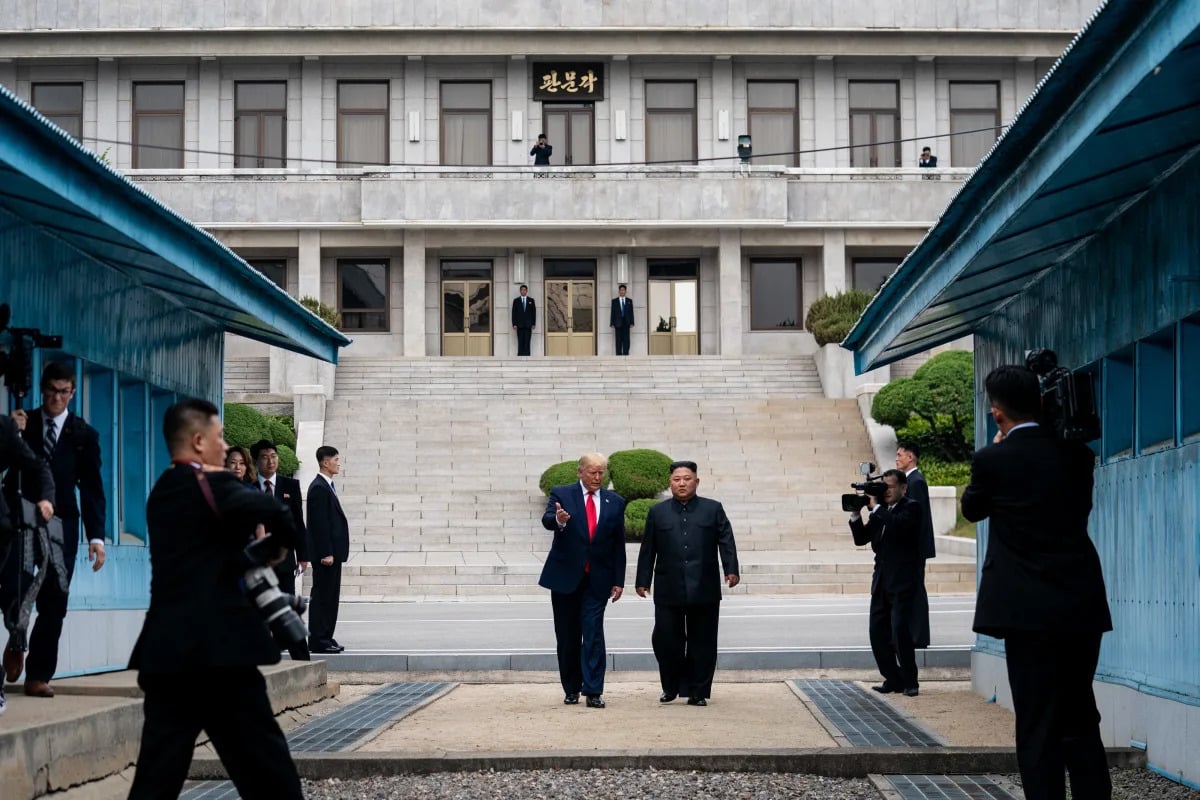
North Korea's recent military provocations and aggressive rhetoric have raised concerns among foreign officials and analysts about Kim Jong Un's intentions. While some believe that the North is disillusioned with seeking diplomatic engagement with the West and may be planning a sudden assault on South Korea, others argue that Kim's ultimate goal is to prompt arms-reduction talks and gain acceptance as a nuclear power. The North's shifting posture, including closer ties with Russia, has sparked debate over the potential for military adventurism, with some suggesting that the country could attempt provocations to influence political outcomes in the United States and South Korea. Despite concerns, there is skepticism about the North's willingness to start a war, with China seen as a potential deterrent to any military action.
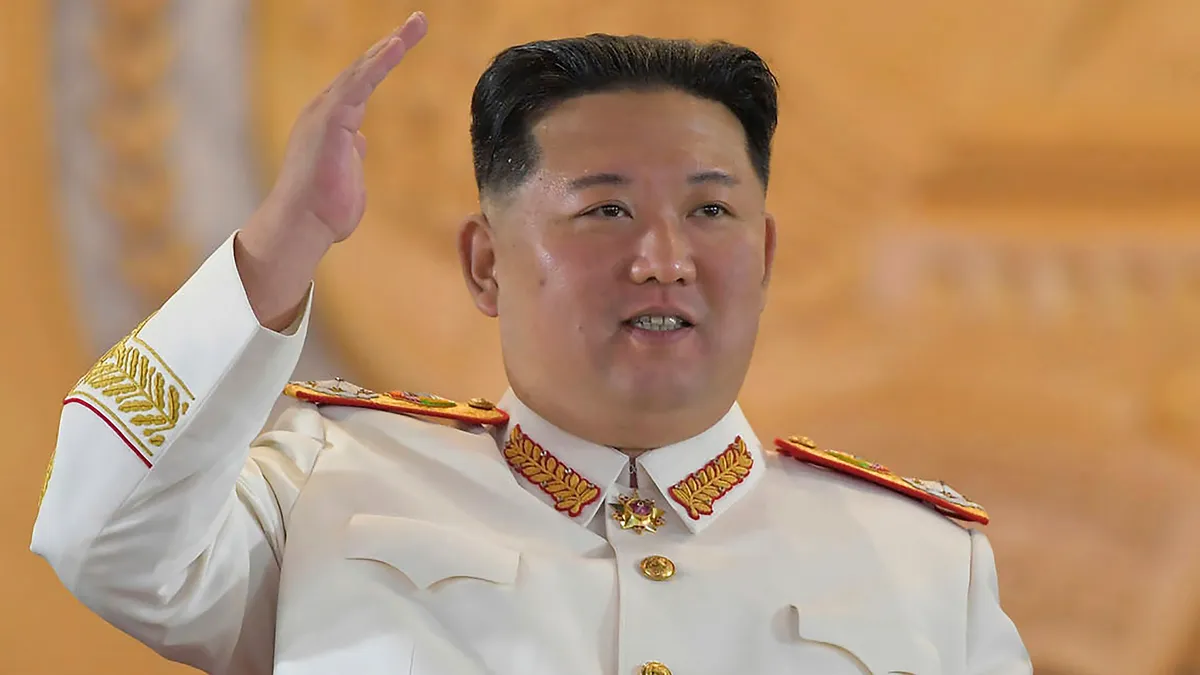
North Korea's Kim Jong Un has escalated military provocations by testing an underwater nuclear device, scrapping the goal of re-unification with South Korea, and increasing military drills and weapons tests. The regime's deepening cooperation with Russia, amid Moscow's war in Ukraine, has raised concerns about potential arms deals. The heightened tensions suggest a rocky year ahead for international relations.
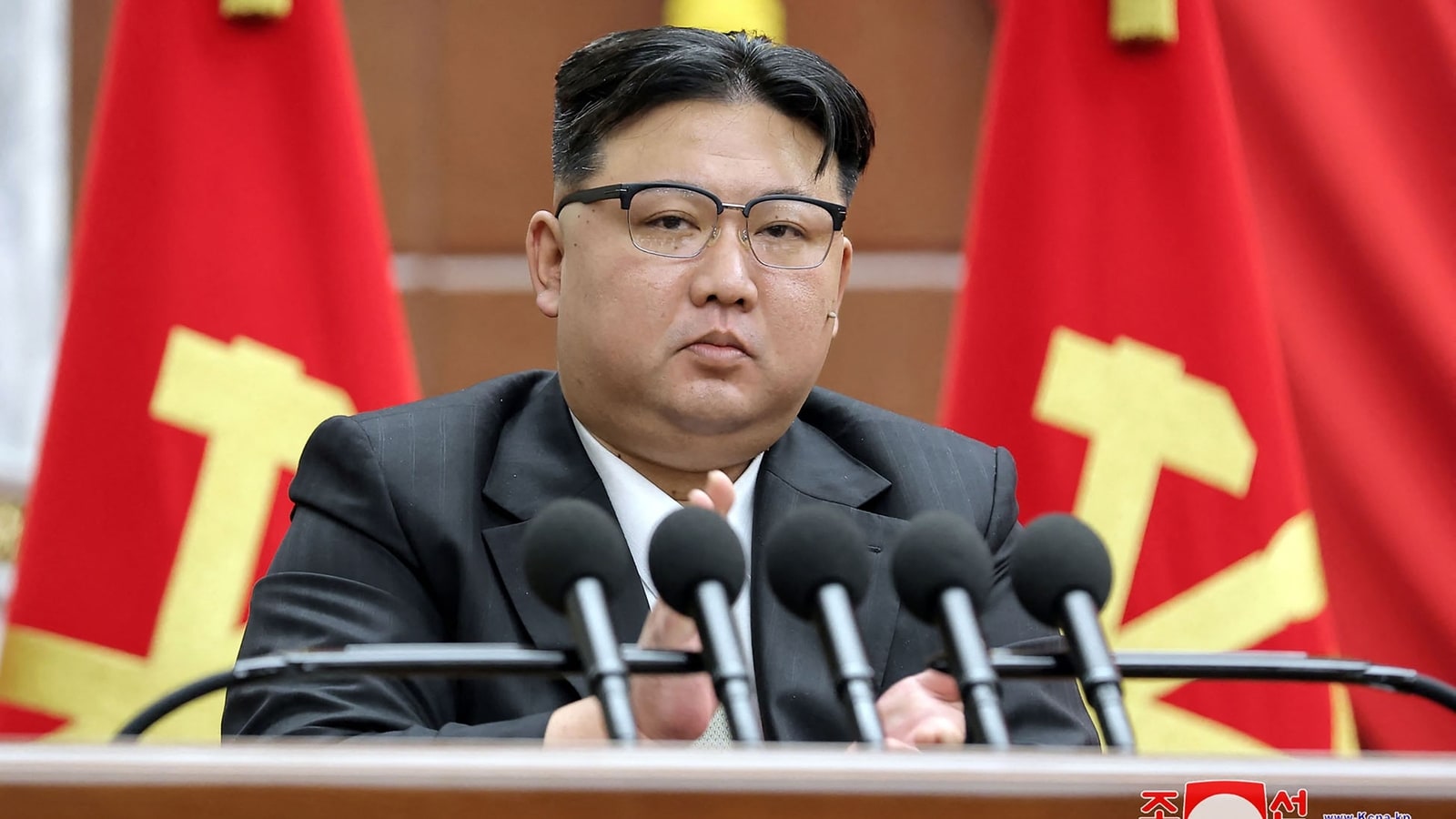
North Korean leader Kim Jong Un has warned of the increasing likelihood of war due to U.S. policies and announced plans to expand the country's nuclear arsenal in 2024. This includes launching spy satellites, building military drones, and preparing for potential conflict with South Korea. The announcement comes at a time of upcoming elections in South Korea and the U.S., which could influence regional dynamics. Kim's stance reflects a strategy to leverage military pressure in diplomatic dealings, particularly with the U.S., while North Korea continues to deepen ties with China and Russia. The U.S. remains open to talks but has responded with sanctions and increased military presence in the region.