Tag

Nightsky

All articles tagged with #nightsky

science1 year ago

Catch the Dazzling Geminid Meteor Shower Tonight

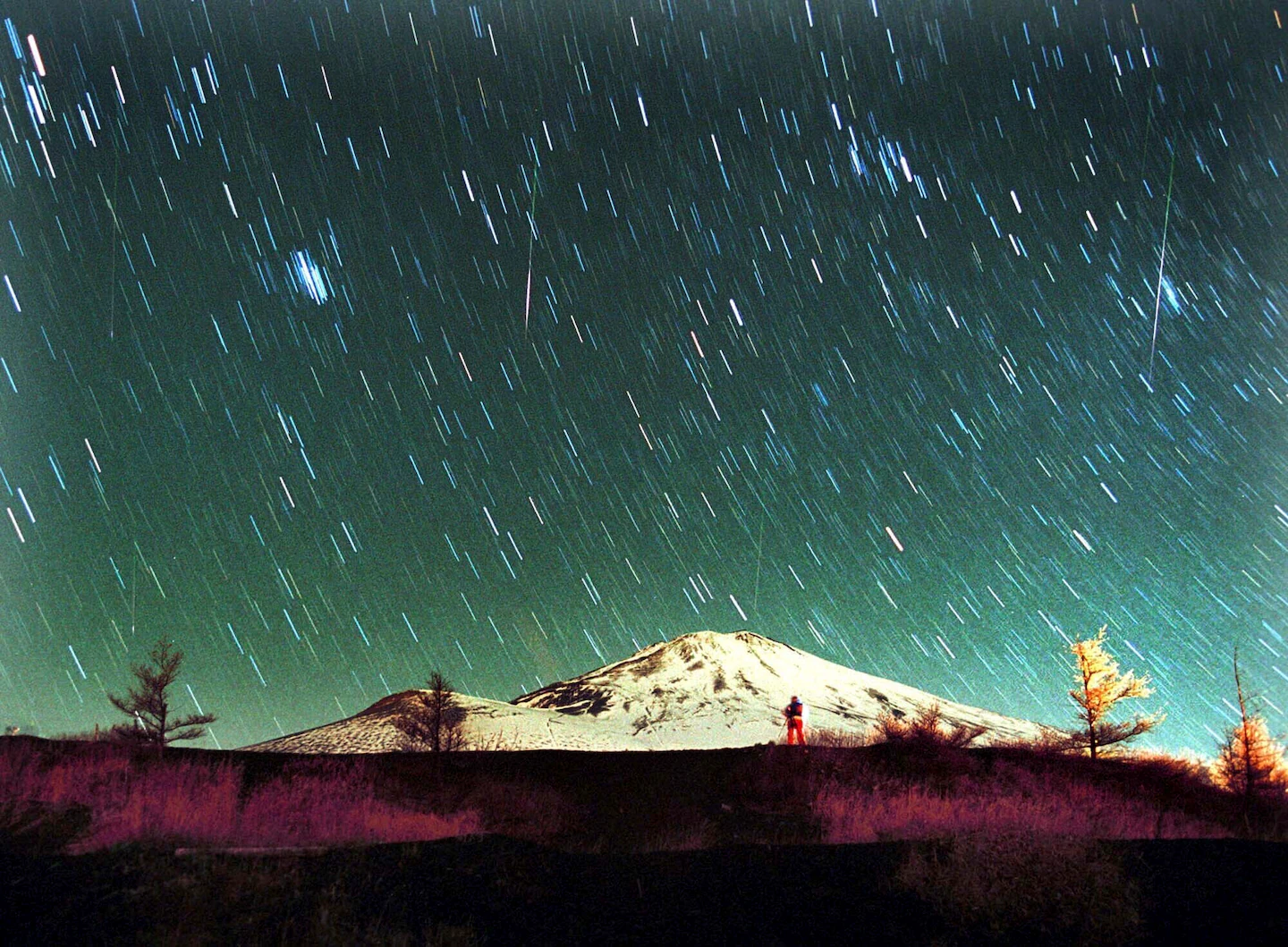
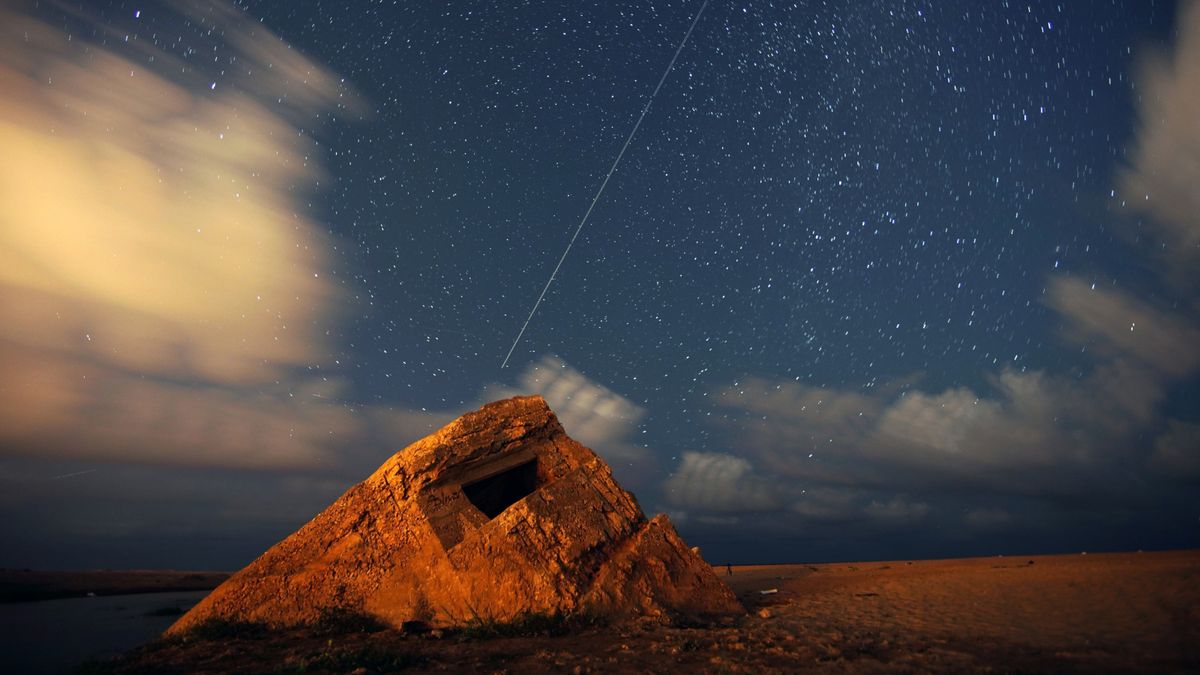
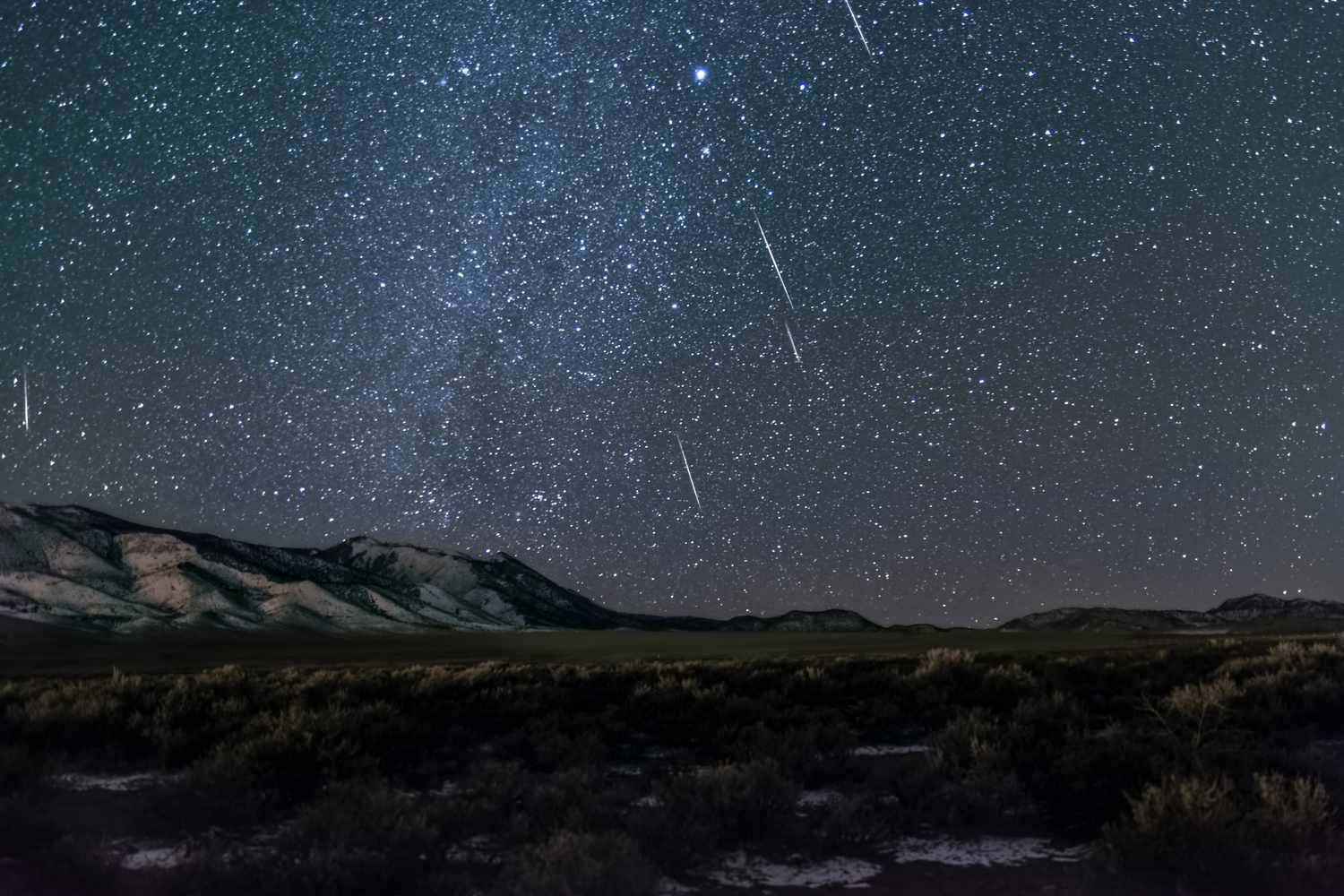
The Geminid meteor shower, one of the year's most spectacular, peaks tonight, offering up to 150 meteors per hour despite the full moon's light. Originating from asteroid 3200 Phaethon, the Geminids are best viewed from the northern hemisphere. To maximize viewing, find a dark location, allow your eyes to adjust, and look towards the constellation Gemini. The next meteor shower, the Ursids, will peak on December 22-23, but with fewer meteors.
photography1 year ago

Catch a Glimpse of Comet A3 Tsuchinshan-ATLAS Before It Disappears

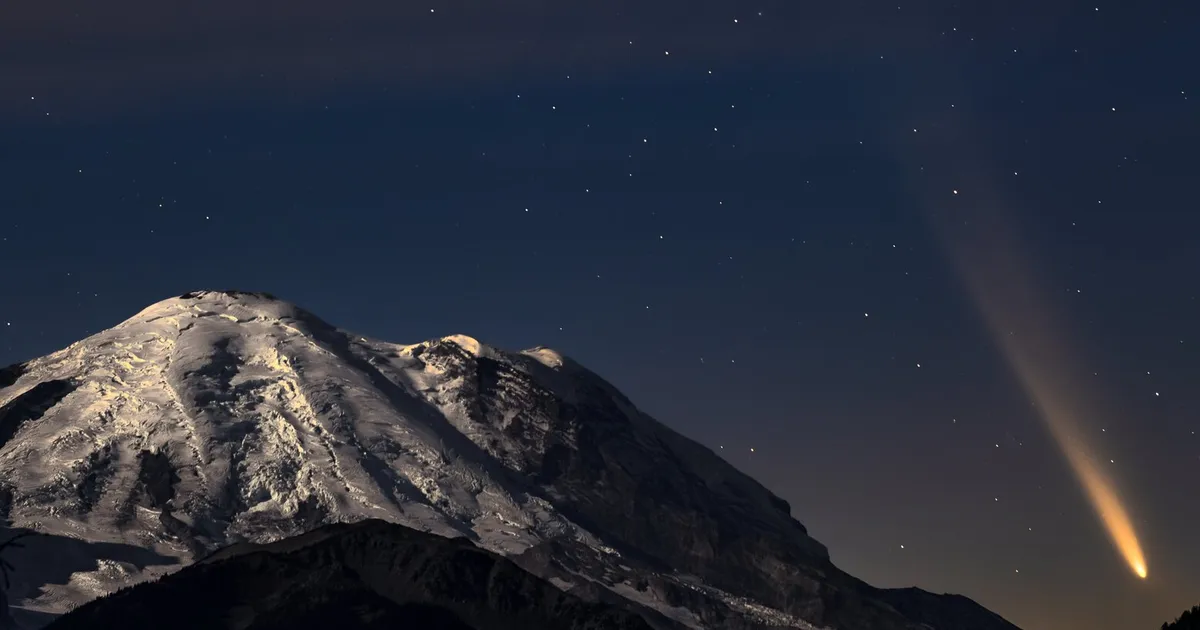
A stunning photograph captured by Patrick Vallely showcases Comet C/2023 A3 (Tsuchinshan–ATLAS) setting behind Mount Rainier, taken from a roadside pullout in Mount Rainier National Park. The image, praised for its long exposure technique and vivid detail, highlights the comet's colorful tail against the mountain and horizon. This photo is part of The Seattle Times' Reader's Lens feature, inviting submissions from around the Northwest.

science1 year ago

Catch the Spectacular Geminid Meteor Shower Now

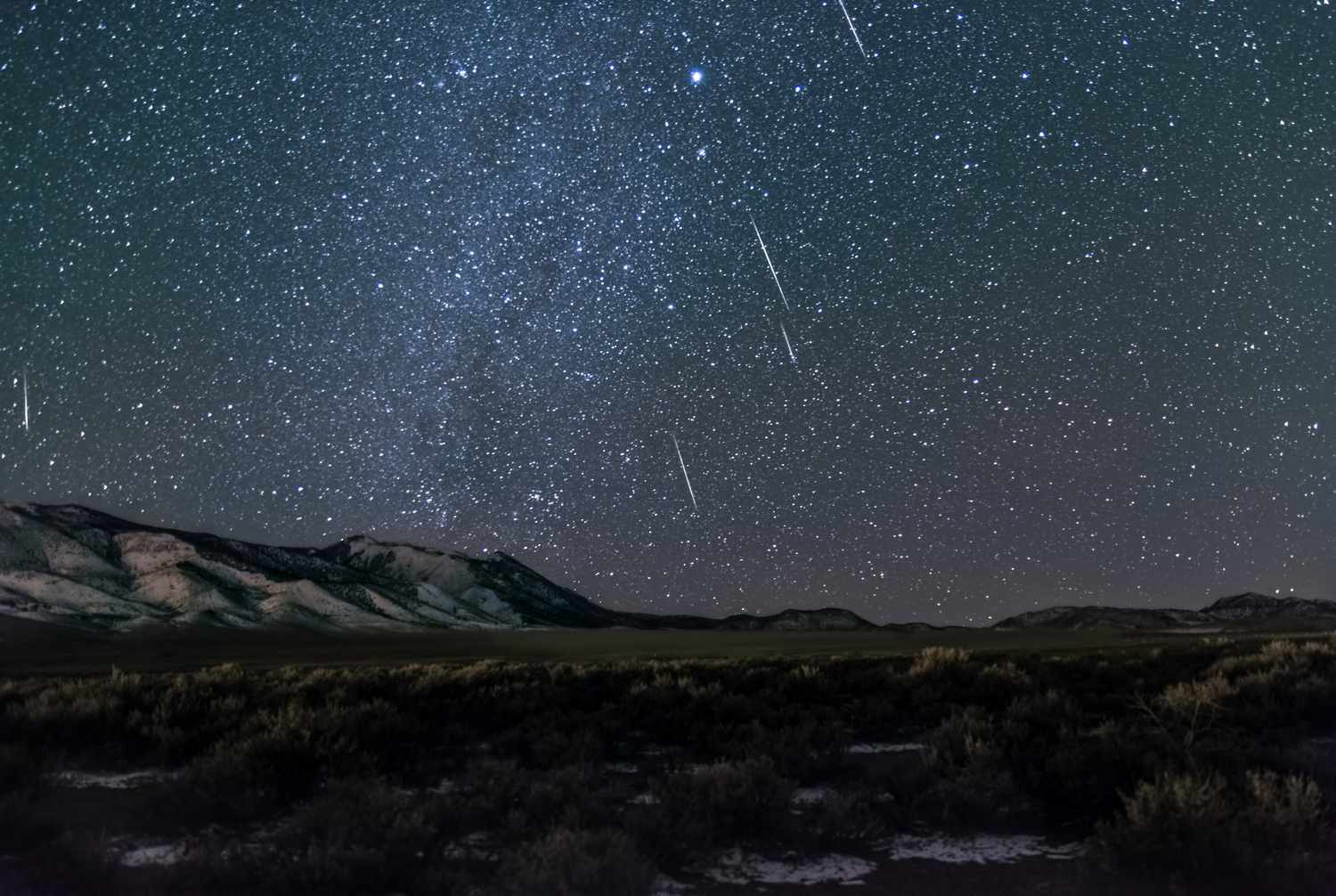
The Geminid meteor shower, one of the year's most spectacular, is active from November 19 to December 24, peaking on December 13-14. Despite a 90% illuminated moon, the bright meteors, originating from asteroid 3200 Phaetheon, may still be visible, especially around 2 a.m. local time. Best viewing is under dark skies, primarily in the northern hemisphere, though they can also be seen in the southern hemisphere.

science1 year ago

Leonid Meteor Shower and Supermoon Light Up the Sky This Weekend

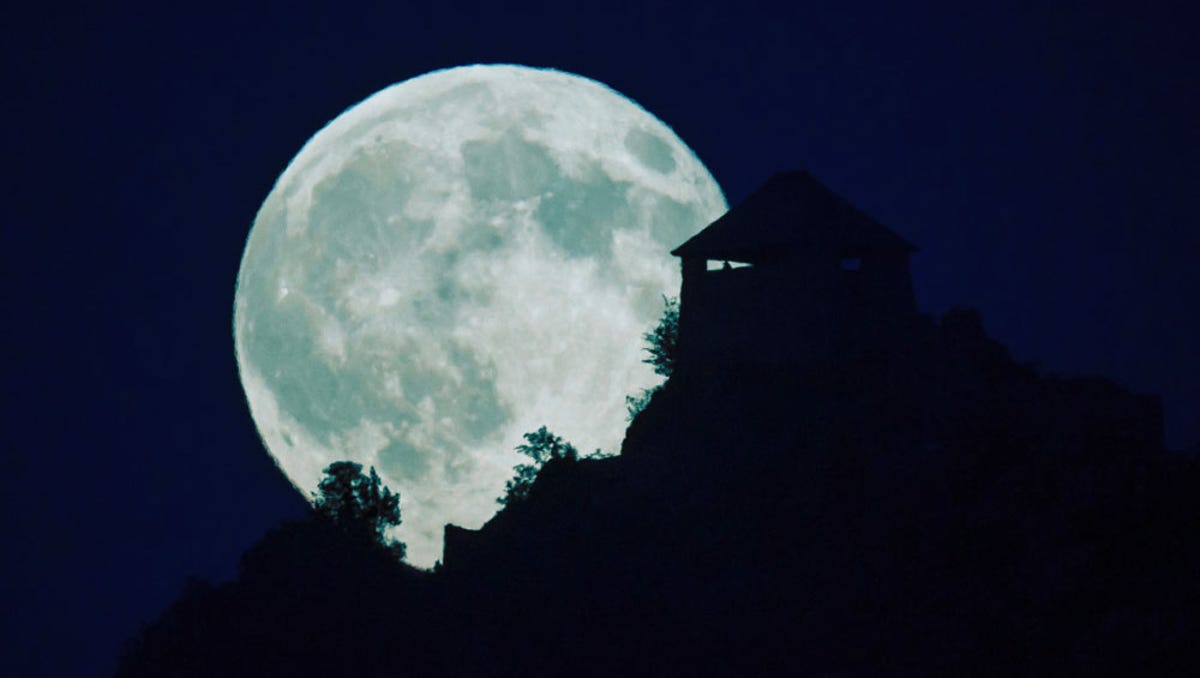
The Leonid meteor shower will reach its peak this weekend, coinciding with a supermoon. Although the Leonid meteor rate is typically lower than other showers, it is known for its fast-moving meteors that create bright, colorful trails. Observers can expect to see about 15 meteors per hour during the peak from Sunday night into early Monday.

science1 year ago

Spot the 2024 Leonid Meteor Shower's Spectacular Fireballs This Week

The Leonid meteor shower will peak on November 17-18, 2024, potentially displaying up to 15 meteors per hour, though a bright waning gibbous moon may hinder visibility. The shower, caused by debris from Comet 55P/Tempel-Tuttle, occasionally results in meteor storms, but such an event is not expected this year. The best viewing is in dark skies, though the moon's light will be a challenge.

science-and-technology2 years ago

"Beginner's Guide to Stargazing: Tips from a Professional Astronomer"

A professional astronomer shares tips for beginners interested in stargazing, suggesting starting with learning the constellations using a planisphere or apps like Stellarium. Star hopping from familiar constellations like Orion can help identify neighboring star patterns. Virtual observing with software can enhance the experience, but joining local astronomy clubs for shared viewing and guidance is highly recommended. The article encourages reaching out to local astronomy societies to further explore the hobby and connect with the community.

astronomy2 years ago

Don't Miss the Ghostly 'Da Vinci Glow' Illuminating the Moon This Week.

The "Da Vinci Glow," a phenomenon discovered by Leonardo da Vinci in the 16th century, will be visible in the night sky this week. Earthshine, which illuminates the night 50 times brighter than a full moon, creates a ghostly image of a full moon between the horns of a crescent moon. The glow is visible only with the presence of a crescent moon and can be seen during the first and last days of the moon's orbit around Earth. It will be visible prior to the new moon on May 19 and for a few days following.

astronomy2 years ago

"Rare Planetary Alignment: Mercury, Venus, Mars, and Uranus Align on April 11"

Starting Tuesday, four planets - Mercury, Venus, Mars, and Uranus - will align in the night sky, with the first three visible to the naked eye and Uranus requiring binoculars or a telescope. The alignment should be visible through April 18, depending on the clarity of the skies. There are four types of planetary alignments, and upcoming planetary events include small and large alignments of various planets in the sky sector.