Tag

Geminidmeteorshower

All articles tagged with #geminidmeteorshower

science1 year ago

Catch the Dazzling Geminid Meteor Shower Tonight

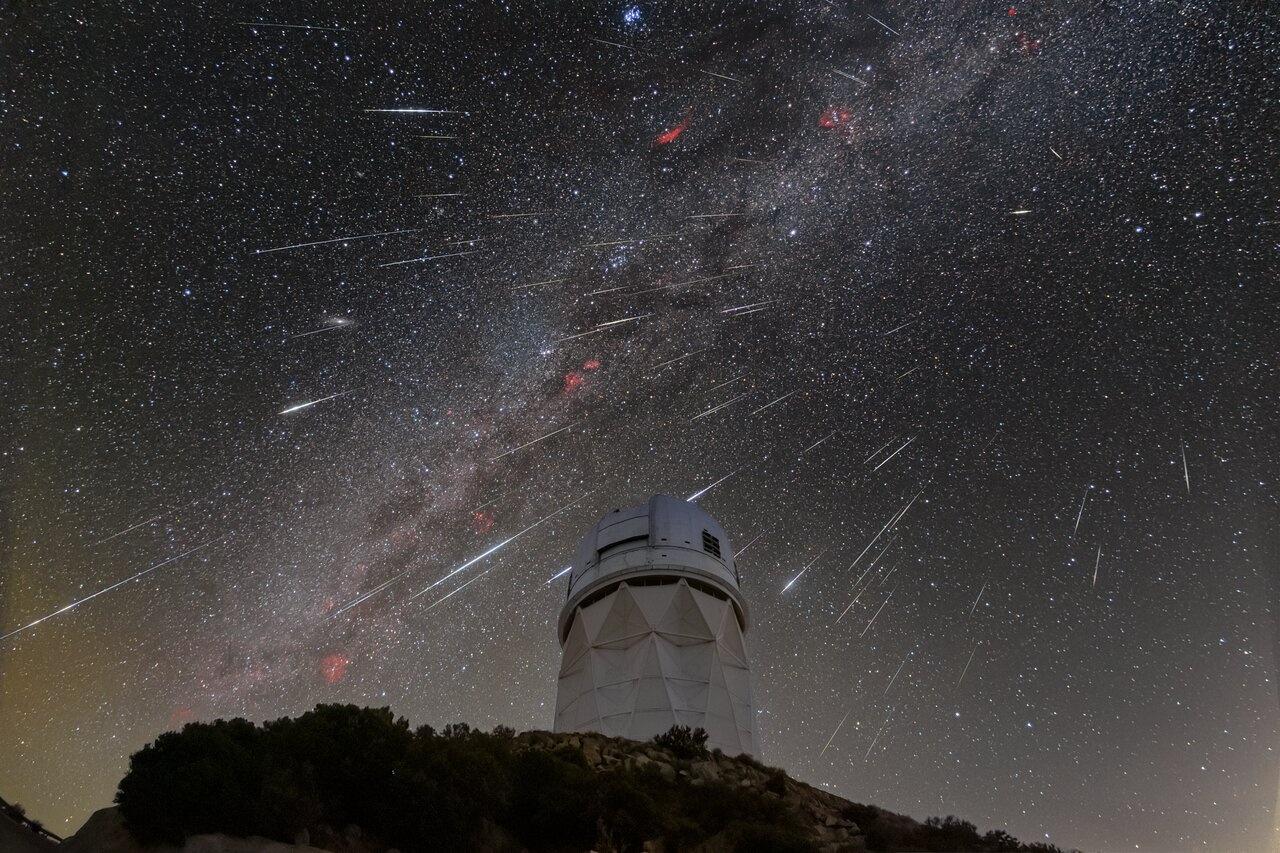
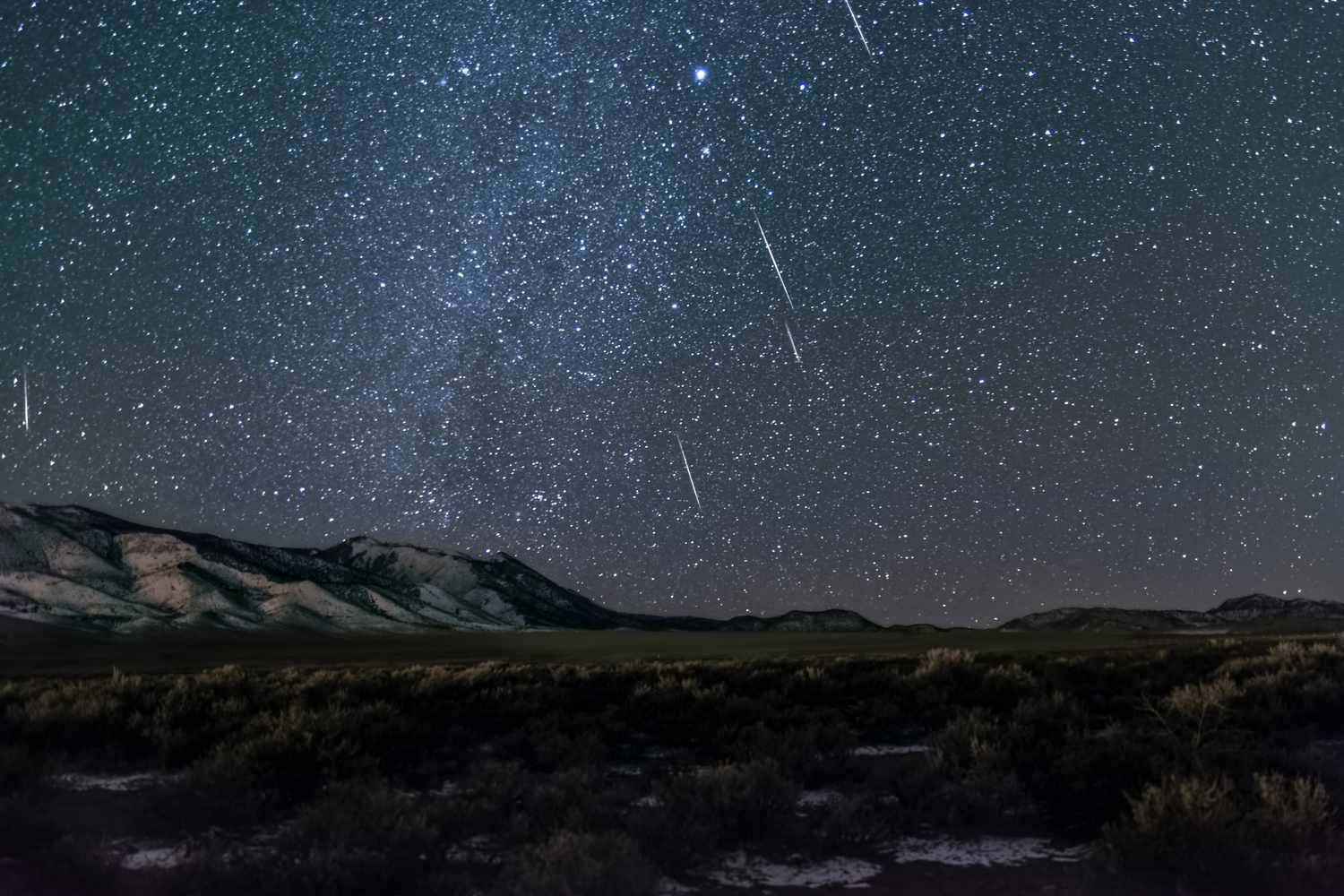
The Geminid meteor shower, one of the year's most spectacular, peaks tonight, offering up to 150 meteors per hour despite the full moon's light. Originating from asteroid 3200 Phaethon, the Geminids are best viewed from the northern hemisphere. To maximize viewing, find a dark location, allow your eyes to adjust, and look towards the constellation Gemini. The next meteor shower, the Ursids, will peak on December 22-23, but with fewer meteors.

science-and-nature1 year ago

Don't Miss December's Spectacular Geminid Meteor Shower

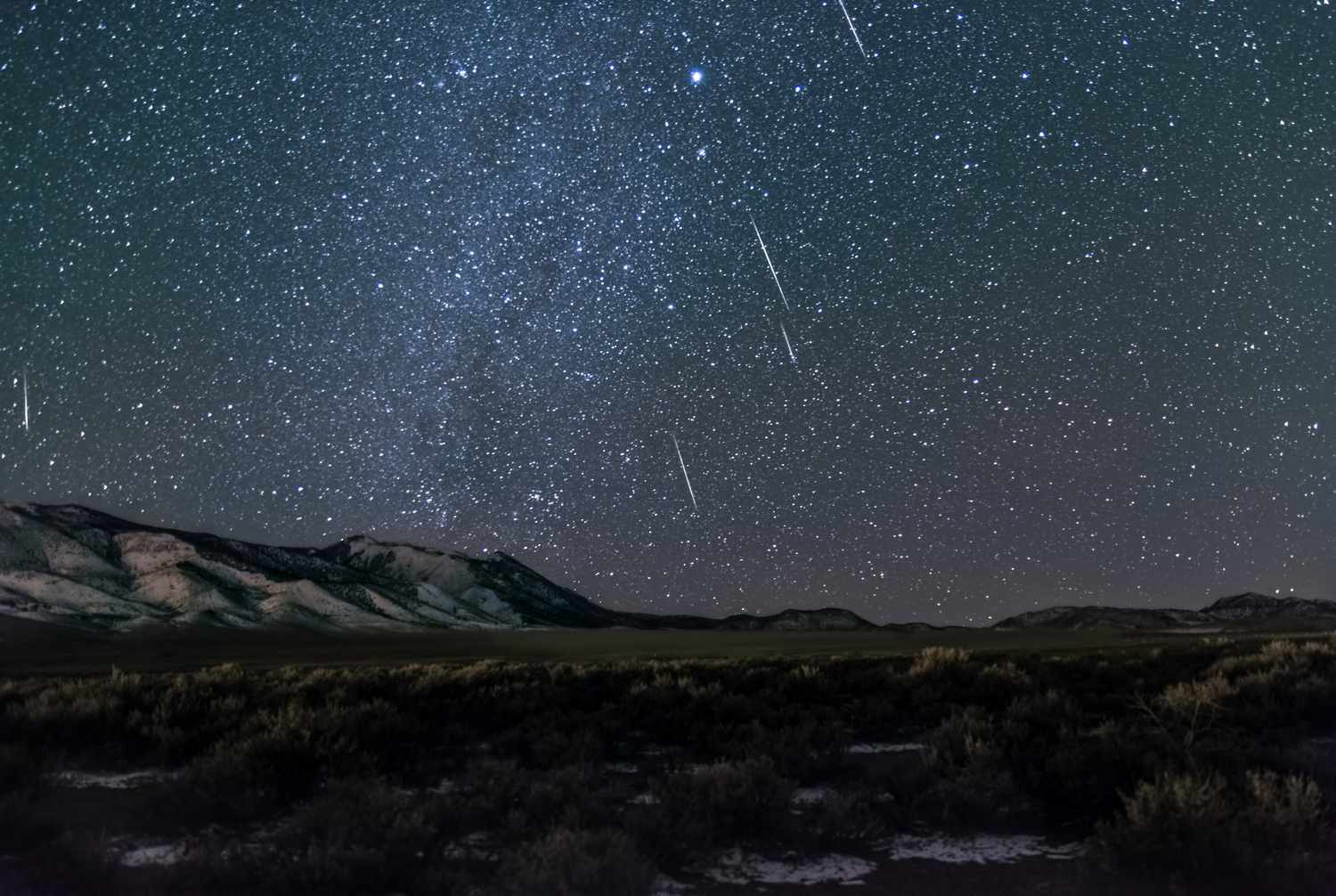
The Geminid meteor shower, the most prolific of the year, will peak on December 13 and 14, 2024, though visibility may be reduced due to a near-full moon. Caused by debris from asteroid 3200 Phaethon, the Geminids can produce up to 120 meteors per hour, best viewed away from artificial lights. The shower is active from December 2 to 21, with meteors often appearing bright and colorful. Following the Geminids, the Ursid meteor shower will peak on December 21 and 22, offering a more modest display.

science1 year ago

Catch the Spectacular Geminid Meteor Shower Now

The Geminid meteor shower, one of the year's most spectacular, is active from November 19 to December 24, peaking on December 13-14. Despite a 90% illuminated moon, the bright meteors, originating from asteroid 3200 Phaetheon, may still be visible, especially around 2 a.m. local time. Best viewing is under dark skies, primarily in the northern hemisphere, though they can also be seen in the southern hemisphere.

science1 year ago

Catch the Peak of the Geminid Meteor Shower

The Geminid meteor shower, the most prolific annual meteor event, is underway and will peak on December 13-14, 2024, with up to 120 meteors visible per hour. Originating from asteroid 3200 Phaethon, the Geminids are unique as they stem from an asteroid rather than a comet. Best viewed from the northern hemisphere, the shower's radiant point is in the constellation Gemini. Observers should seek dark, cloud-free skies and avoid light pollution for optimal viewing.