Flu cases are increasing in the U.S. due to a new strain that may reduce vaccine effectiveness, especially affecting older adults, but experts believe vaccines still provide protection against severe illness.
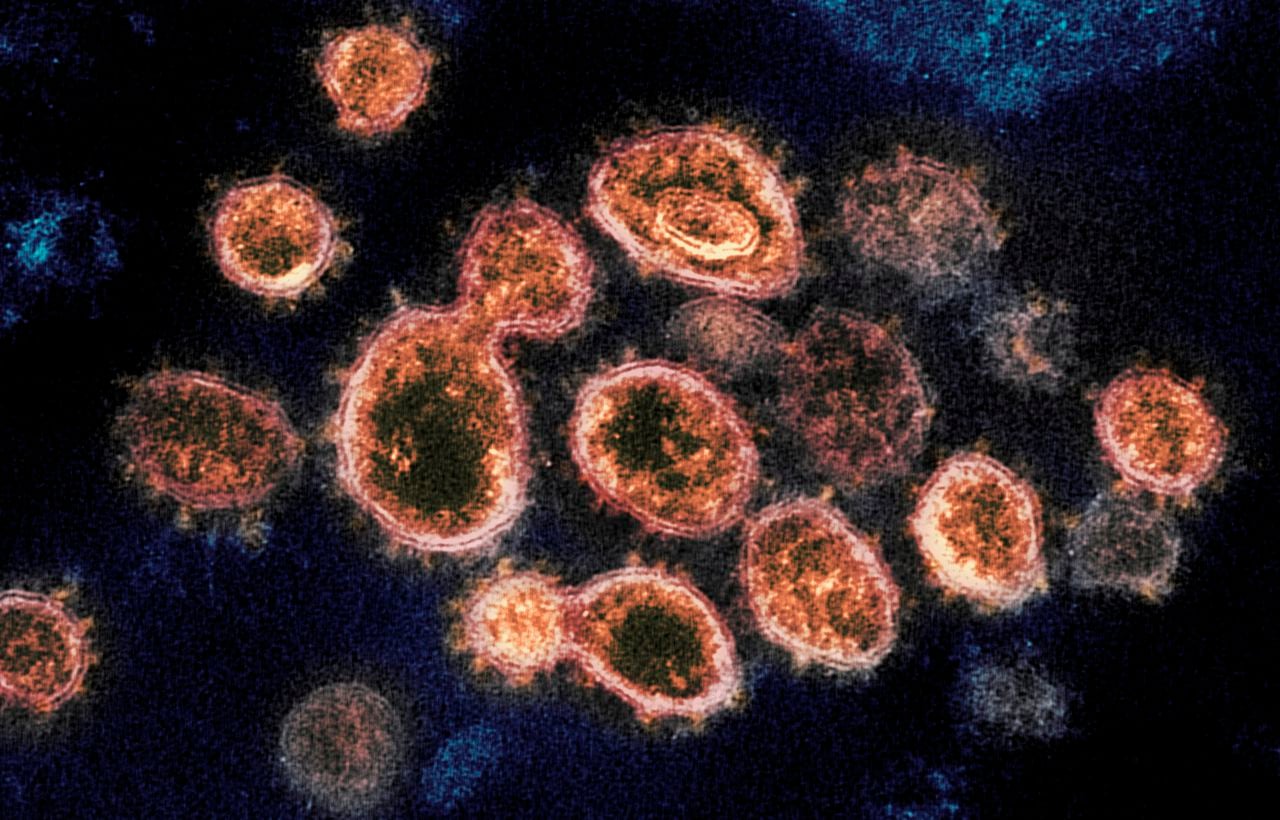
A new Covid variant, NB.1.8.1, has emerged, spreading across several countries including Ireland, the UK, and popular holiday destinations, with symptoms more related to the digestive system such as diarrhea, nausea, and constipation, alongside traditional symptoms like sore throat and fatigue. The variant appears to spread more easily and may partially evade immunity, but is not yet linked to increased severity of illness.
A new COVID-19 strain, NB.1.8.1, has been detected in New York and other parts of the US, but it is currently rare and not considered a major public health threat. The strain appears to be more transmissible but does not cause more severe disease and is recognized by existing antibodies. Meanwhile, COVID-19 continues to circulate, and vaccine access may become more restricted for certain groups due to recent policy changes.
The CDC has issued a warning about a new, more deadly strain of mpox, which is currently causing a severe outbreak in the Democratic Republic of Congo. This strain is spreading in urban areas and is believed to be sexually transmittable, particularly among men who have sex with men and sex workers. While no cases of the new strain have been detected in the US, the CDC advises health workers to screen for mpox in anyone who reports rashes, lesions, or recent travel to the affected region. The CDC emphasizes the importance of vaccination, recommending a double dose for those at risk and calling for mpox vaccination to be offered to specific communities, including gay and bisexual men.
Radio host Howard Stern revealed on his Sirius XM radio show that his fear of the new strain of COVID-19 has caused tension and arguments with his wife. Stern admitted to being paranoid and neurotic about the virus, while his wife is less concerned. He expressed his fear of getting sick and vented about people telling him to lighten up. Stern, who is 69 years old, worries about the new strain and its potential impact on him. Despite going out to restaurants and concerts, he is now concerned about the rising cases and the possibility of going back into lockdown. Stern apologized to his wife after their argument, acknowledging his fear and neurotic tendencies.
The Centers for Disease Control and Prevention (CDC) has reported a 21.6% increase in COVID-19 hospitalizations in the United States, coinciding with the emergence of a new strain called Eris (EG. 5). Austin Public Health (APH) has seen a 33% increase in positive COVID-19 cases in the past week, although this may be an underrepresentation due to self-testing or lack of testing. APH relies on wastewater surveillance to accurately track community spread. Despite the end of emergency declarations, Texas still requires reporting of positive cases. APH advises remaining vigilant with vaccinations and boosters, as well as getting flu shots. The FDA is expected to approve an updated COVID-19 vaccine booster next month. Symptoms of the Eris strain are similar to other variants, often mistaken for allergies.
The U.S. CDC is tracking a new strain of COVID-19 called BA.2.86, which has been detected in the United States, Denmark, and Israel. The World Health Organization has classified it as a "variant under monitoring" due to its numerous mutations. While it remains to be seen if BA.2.86 will out-compete other strains or evade immune responses, early analysis suggests it may have equal or greater ability to escape antibodies compared to the XBB.1.5 variant targeted by booster shots. Experts are concerned about a potential spike in cases but emphasize that boosters will still provide protection against COVID-19.
Lane County public health officials have identified a new strain of COVID-19, called EG-5, which is a descendant of previous omicron subvariants. Those who have not been vaccinated and those who are immunocompromised are most vulnerable to this strain. However, individuals who have been vaccinated or previously had COVID-19 will have immunity. Health officials anticipate an increase in COVID-19 cases during the upcoming winter months and recommend getting vaccinated with the updated booster vaccine. It is crucial for immunocompromised individuals to get vaccinated as they may struggle to develop antibodies. Even vaccinated individuals in high-risk groups, such as the elderly or those with heart and respiratory issues, can still be at risk.
A new, unique strain of COVID-19 has been found in large amounts in Ohio's wastewater, coming from one unidentified person who is likely unaware they are infected. The strain is not believed to be contagious and is more likely a form of long COVID. University of Missouri professor Marc Johnson is publicizing the information in hopes that the infected person or someone close to them will seek medical treatment, as there is currently no test available in the U.S. to test stool for COVID.
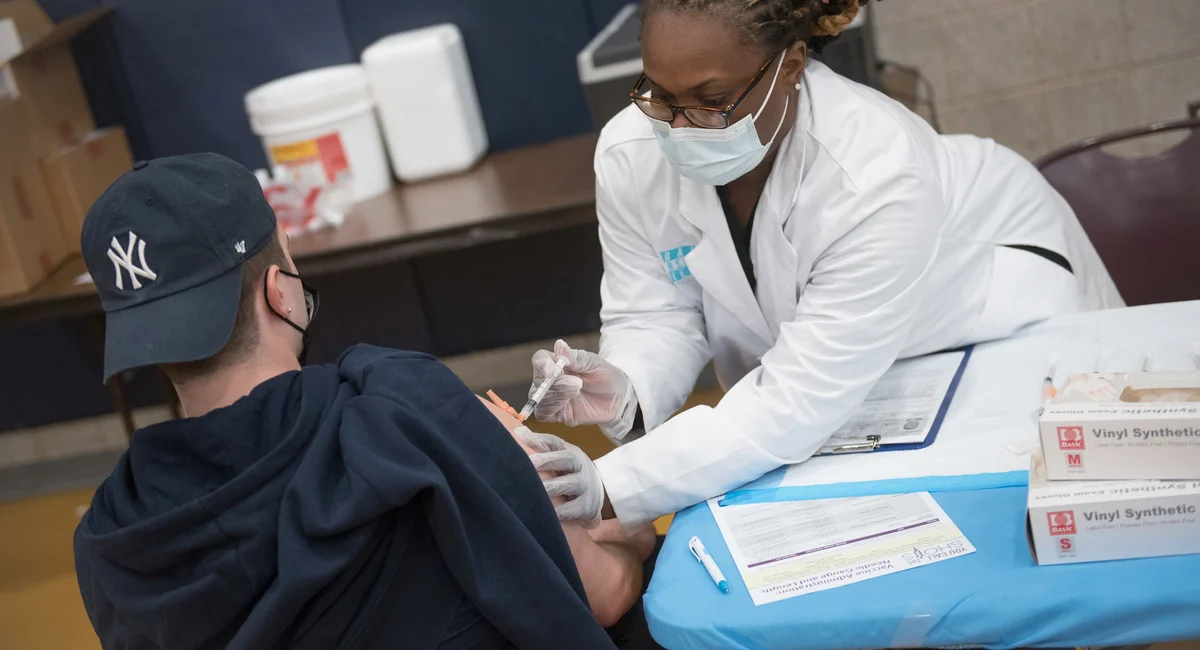
The next round of Covid-19 vaccine boosters will be specifically designed to target a new strain of the virus, according to sources. Public health officials are urging people to get vaccinated as soon as possible to help prevent the spread of the virus and its variants.