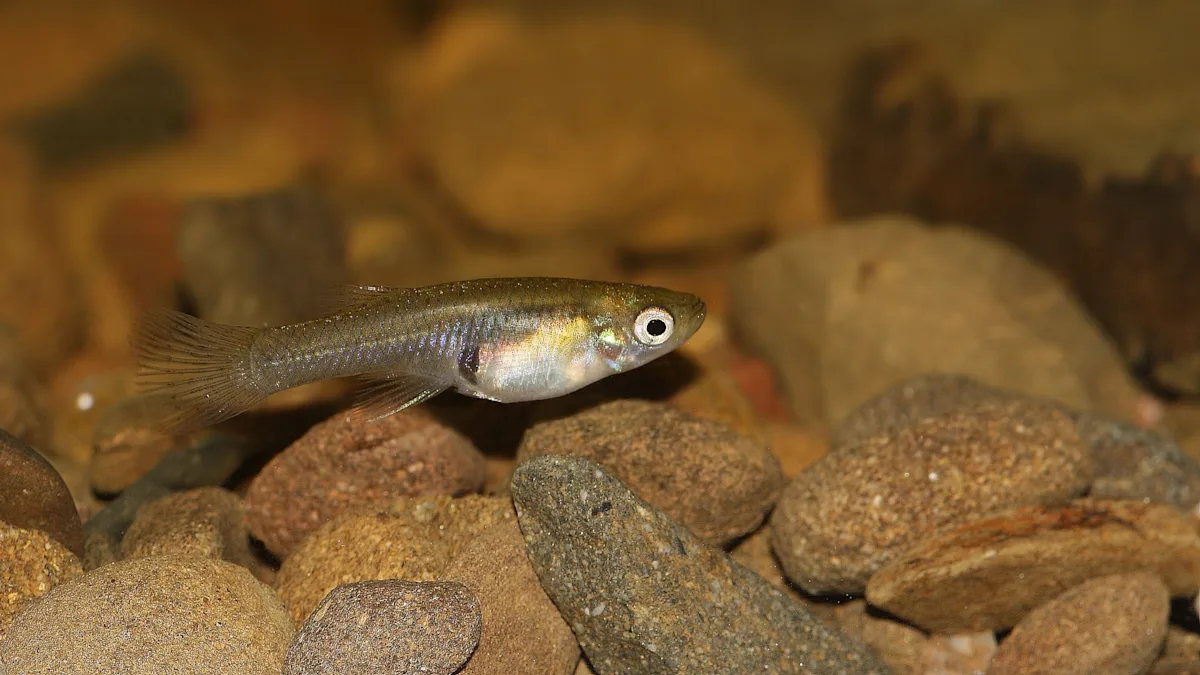
Brevard County, Florida, is using mosquitofish as a natural and chemical-free method to control mosquito larvae, aiming to reduce the need for spraying and other treatments, especially amid rising mosquito-borne illness cases like dengue fever.
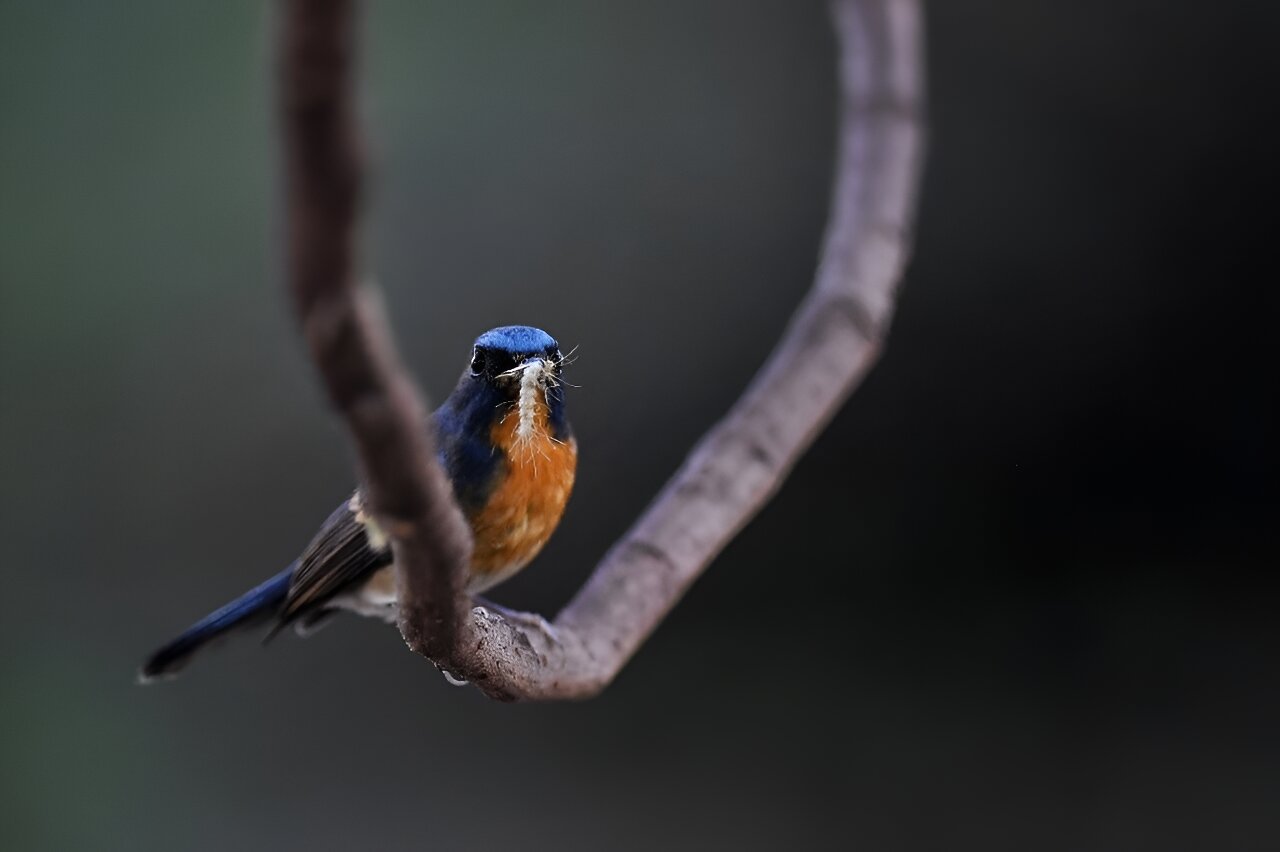
Researchers suggest that natural predators such as birds, beetles, and bugs could serve as an effective alternative to chemical pesticides in controlling crop-devouring pests, reducing pest populations by over 70% and increasing crop yields by 25%. The study emphasizes the importance of maintaining these natural predators to ensure pest control in the face of imminent climate change, highlighting the potential damage caused by pesticides to ecosystems and human health. The findings also indicate that a single species of natural predator can be as effective as multiple species, with climate change expected to impact pest dynamics and crop yield.
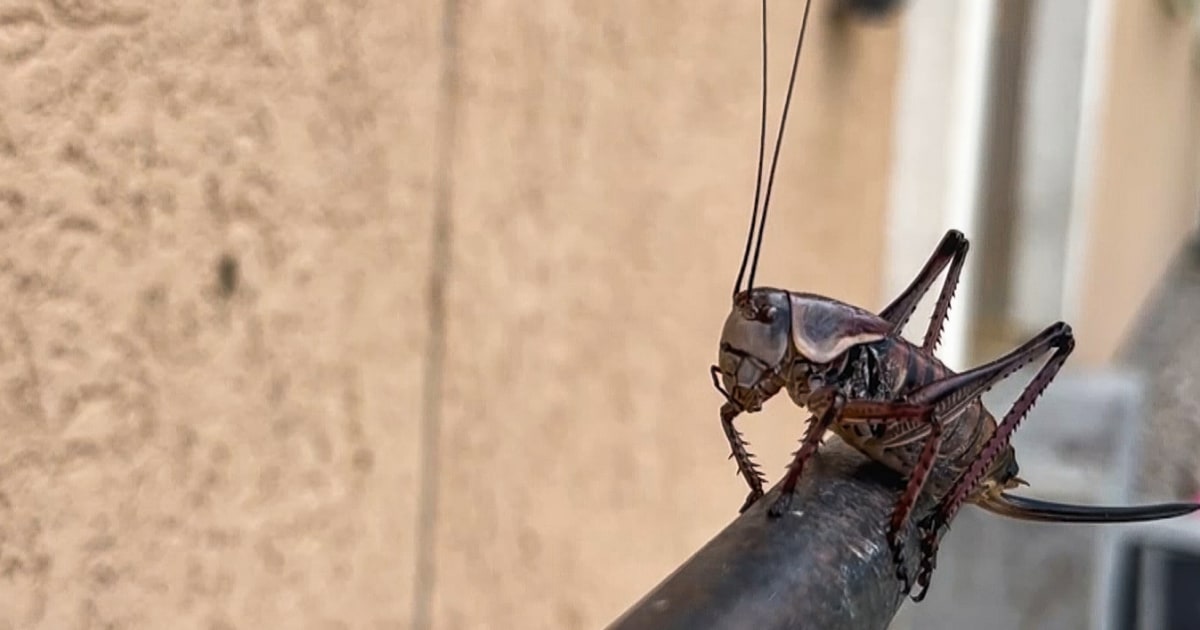
Videos of Mormon crickets swarming Nevada homes have gone viral on TikTok. The cannibalistic bugs have blanketed roads and towns across the state, causing safety hazards and property damage. Outbreaks of the hard-shelled insects typically last four to six years and will eventually drop off as a result of natural predators. Though the bugs don’t intentionally go after humans, their slippery remains have caused a number of car accidents and instill fear in many people.
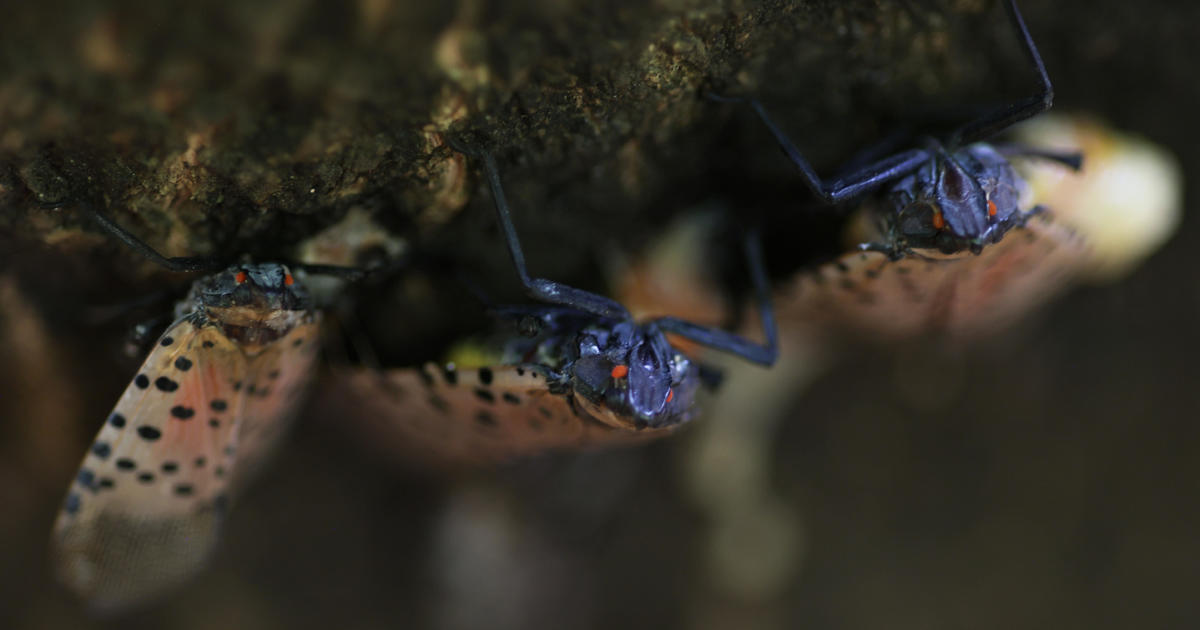
Scientists in Delaware have found two tiny parasitic wasps in China that specifically seek out and attack adolescent lanternflies, an invasive species from Asia that feeds on the sap of more than 70 plant species, leaving them susceptible to disease and destruction from other pests. The goal is to find a natural predator capable of controlling the invasive species before the spotted lanternflies do more damage to American agriculture, especially grape growers. However, it takes years of testing to prove they prefer lanternflies to other insects, and they are still a couple of years away from getting government permission to release these wasps in the wild.