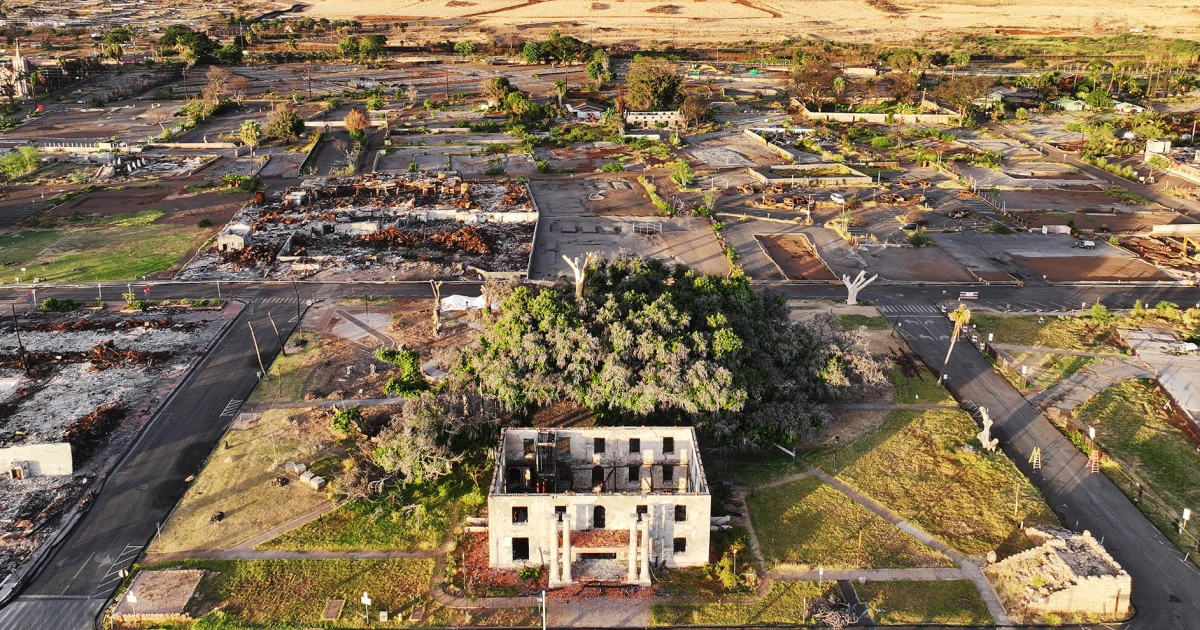
Over a year after the devastating Maui wildfires, Native Hawaiian homeowners in Lahaina face a housing crisis as financial assistance dwindles and rebuilding costs soar. Many, like Mikey Burke, struggle with expired insurance benefits and rising rents, forcing them to consider leaving their ancestral homes. Community efforts, such as the Lahaina Community Land Trust, aim to help residents stay by bridging insurance gaps and offering affordable housing solutions. However, the challenges of navigating federal aid and the high cost of rebuilding continue to strain the community.
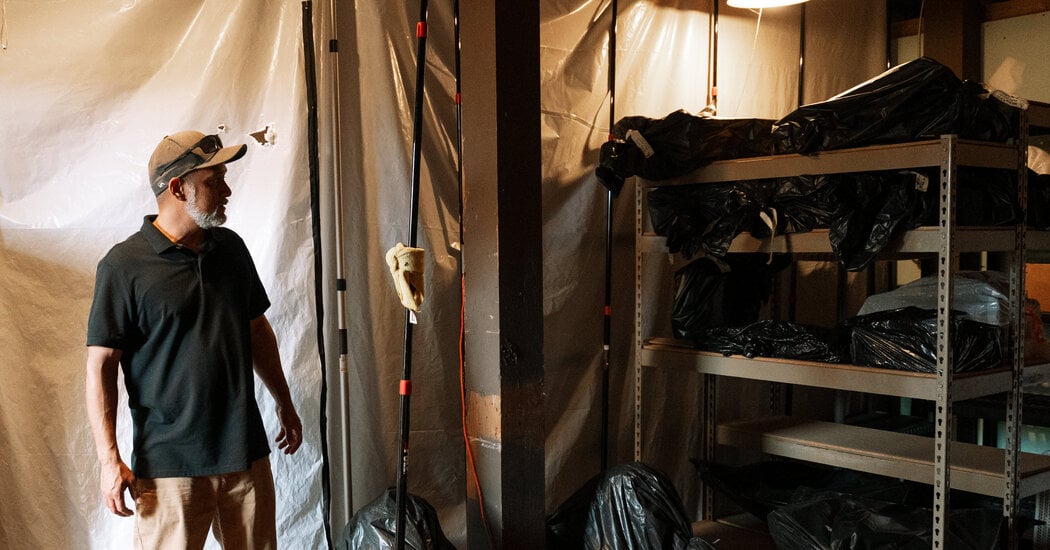
After a devastating wildfire in Lahaina, Maui, Native Hawaiians are pushing for the honoring of their history and culture in the town's rebuilding efforts. The fire not only claimed lives but also destroyed significant historical artifacts, including family genealogies, old land records, and entire museums. Native Hawaiians fear that Lahaina will be transformed into a tourist hub like Waikiki and are demanding that their place in the town's history be prioritized. Archaeologists are eager to recover salvaged artifacts, but authorities have not yet allowed access to the town. The Smithsonian Institution is providing support for artifact recovery and preservation. The fire has sparked a renewed push to restore Moku'ula, a royal headquarters buried beneath a baseball field, and calls for the return of a statue taken from the site by a German researcher. Native Hawaiians hope that the fire can serve as a catalyst to elevate their history and culture in Lahaina's rebuilding process.
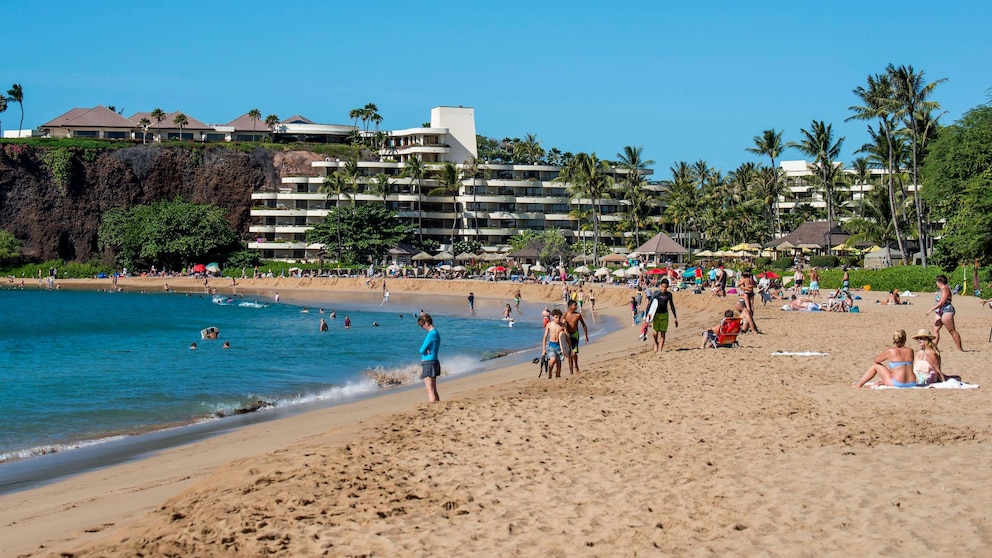
The reopening of West Maui for tourism just two months after devastating wildfires has sparked outrage among residents who are still struggling to recover. The debate over Hawaii's reliance on tourism has been reignited, with some residents linking tourism to issues such as lack of access to clean water, the housing crisis, and pollution. Hawaii's historical shift to a tourism-based economy can be traced back to the decline of the Native Hawaiian population, the rise of sugar production, and the impact of World War II. The COVID-19 pandemic highlighted the effects of "overtourism" on the environment and quality of life in Hawaii. The state is also facing challenges such as a housing crisis and water scarcity. Some residents are calling for diversification of the economy and the return of land to the Native Hawaiian population.
Native Hawaiians in Lahaina, Hawaii, are relying on the traditional spirit of aloha to recover from the recent wildfires that devastated their community. The aloha spirit, characterized by helping one another all the time, not just during disasters, has brought neighbors, friends, and families together in the aftermath of the tragedy. The deeper intent of aloha, which emphasizes comfort, connection, and peace, has illuminated the community-led response to disaster recovery. Native Hawaiians are opening their homes, providing shelter, and offering support to those who lost everything in the fires. The meaning of aloha goes beyond love and light; it also encompasses honoring loss and pain. Through their history of facing devastations and tragedies, the Hawaiian community has consistently demonstrated the resilience and power of aloha.
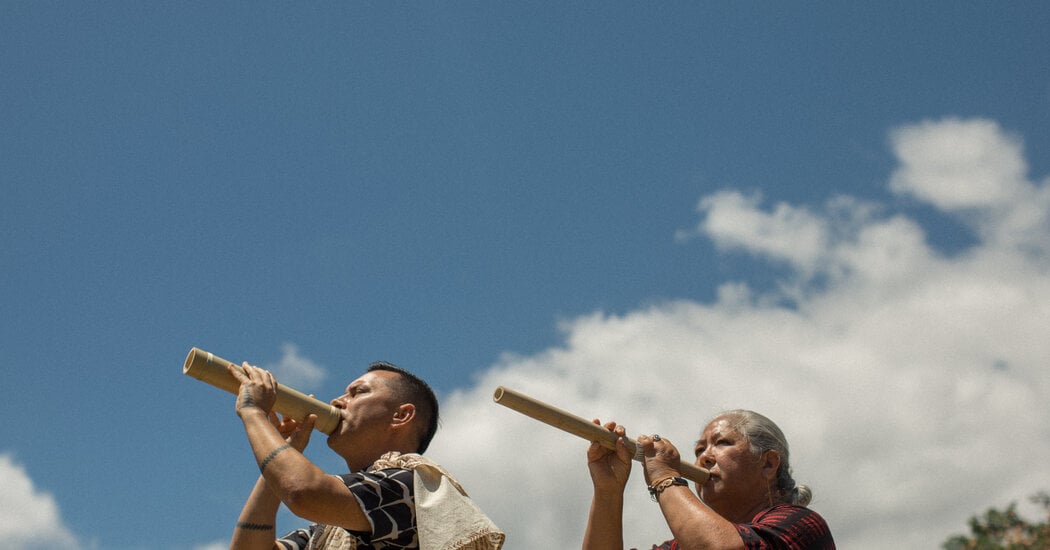
Native Hawaiians are turning to traditional spirituality and cultural practices for spiritual healing and revival in the aftermath of devastating wildfires on Maui. Traditional Hawaiian ceremonies, led by kumu hula (hula teachers), are addressing the need for spiritual recovery, with prayers and chants aimed at healing the land and people. Despite the dominance of Christianity and Buddhism on the islands, traditional Hawaiian spiritual practices have been revived and advanced in recent decades. The revival of native spirituality is seen as a response to the denigration of Hawaiian religion and culture over centuries. The ceremonies also serve as a way to pass on cultural knowledge and traditions to the younger generation.
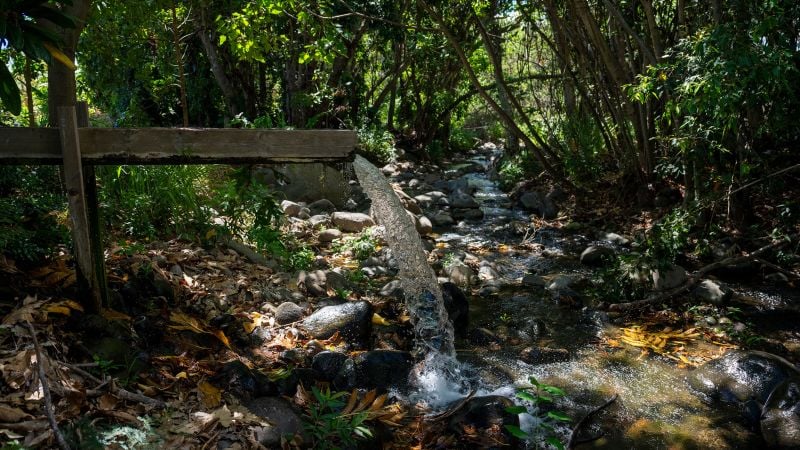
Residents of Maui are rallying behind Kaleo Manuel, a top water official who was reassigned after wildfires devastated the area, claiming he is being scapegoated. A land developer accused the water commission, of which Manuel was a member, of delaying additional water resources during the fires. However, Manuel's advocates question the accuracy of the claim and the motives behind it. Native Hawaiians, including taro farmers, are demanding Manuel's reinstatement, arguing that the developer is using the fires as an excuse to tap into their streams. The cascade of decisions and statements from government officials has alarmed and angered farmers and activists, who contest the argument that water diversion could have helped fight the fires. Two Maui residents have sued the Commission on Water Resource Management, seeking to reverse Manuel's reassignment.
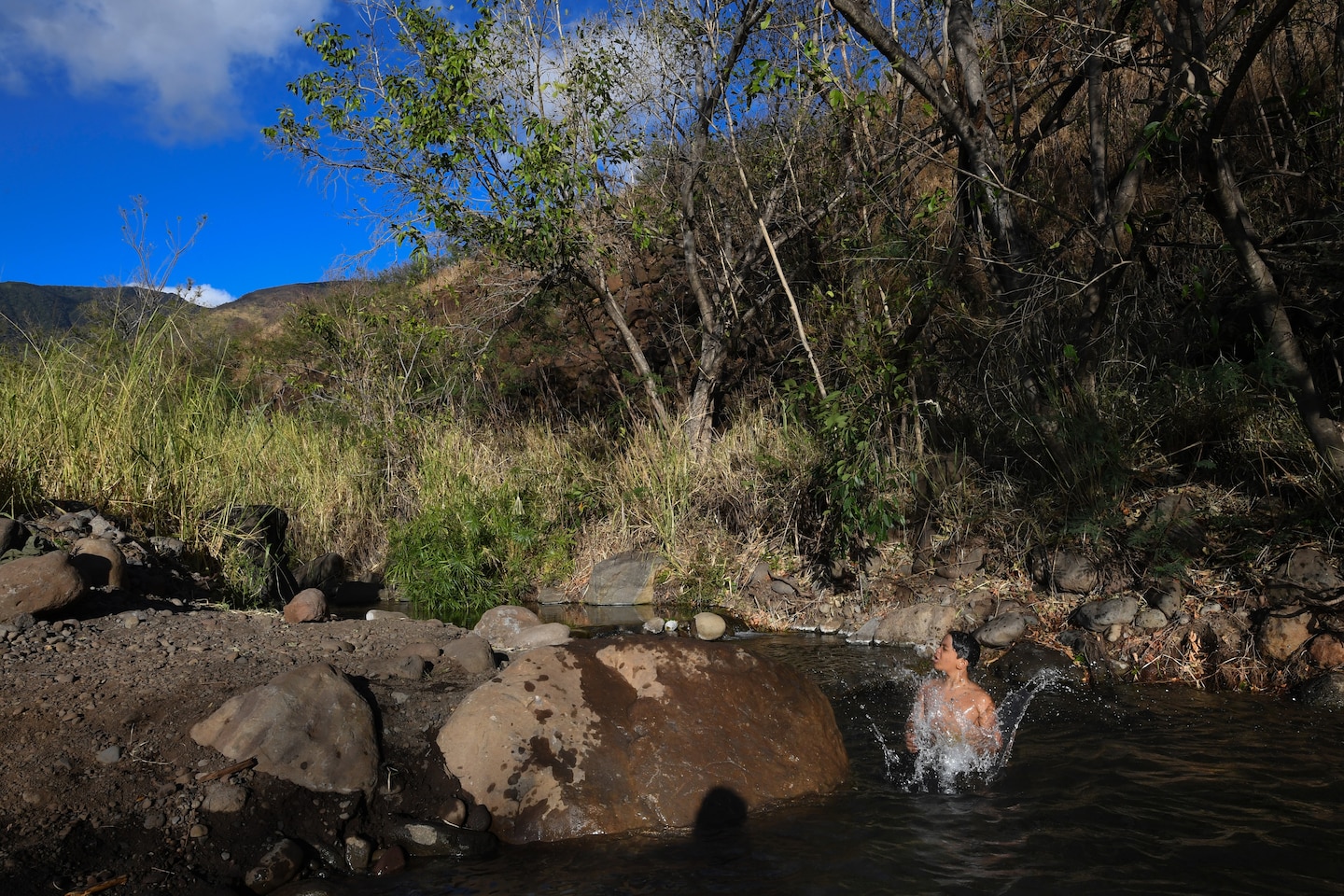
Native Hawaiians in Maui are engaged in a long-standing battle over water rights, with recent wildfires intensifying the conflict. Developers and government officials argue that water needs to flow more freely for fire protection, while Native Hawaiians emphasize the importance of water for cultural and agricultural purposes. The aftermath of the deadly Lahaina fire has led to accusations of scapegoating, with the government seeking to relax stream flow limits and developers requesting water to fill reservoirs. The dispute highlights the struggle to restore a less-flammable landscape that was destroyed by plantation farming, and the increasing vulnerability to wildfires due to climate change. The ongoing demand for housing and development in fire-prone areas further complicates the issue.
The wildfires in Maui have reignited an ongoing battle over fresh water rights, with advocates for nature and cultural conservation expressing outrage over the suspension and amendment of Lahaina's hard-fought water rights. The request, made by the West Maui Land Company, was granted by Hawaii Governor Josh Green, who stated that the balance had tipped too far towards water rights for nature and natives. This decision has been criticized as "disaster capitalism" by Hokuao Pellegrino, a Native Hawaiian farmer and president of the water nonprofit Hui O Na Wai Eha. The fight for water rights in Maui has been ongoing for years, with efforts to restore water flow to streams and revive ancestral landscapes. The recent fire and water conflict have raised concerns about the future of water access and decision-making in the region.
Native Hawaiians in the community of Kahana, Maui, have taken it upon themselves to organize and distribute essential supplies to those affected by the devastating wildfires. With a well-coordinated network of resident-led distribution centers, they are providing necessities such as food, water, and diapers to displaced residents. The community's response reflects their long-standing understanding of self-reliance and responsibility for their own safety and survival. As they face the loss of homes and cherished places, Native Hawaiians are also questioning the future of their land and economy, wondering if the recovery can be an opportunity to reclaim their land from tourism and developers. The recovery efforts are being supported by donations and local charities, but the long-term rebuilding and maintaining community resilience remain key challenges.