The top country song in the US this week, 'Walk My Walk' by Breaking Rust, is AI-generated, highlighting the growing influence of artificial intelligence in music production. Despite mixed opinions from experts, the song has gained significant popularity, raising questions about the future of human versus machine-created music and emphasizing the importance of human originality in art.
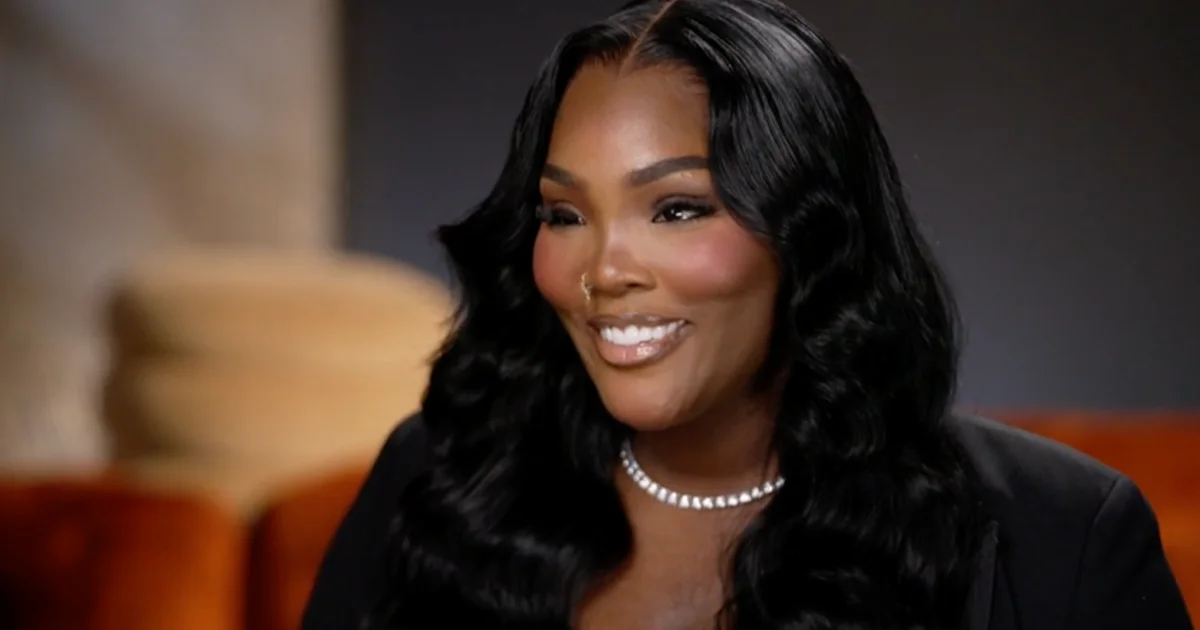
Telisha 'Nikki' Jones created the AI avatar Xania Monet, a chart-topping artist, as a reflection of herself and her experiences, blending her poetry with AI music generation. Her success has led to a multi-million dollar record deal, sparking both admiration and controversy over AI's role in creative arts. Jones emphasizes AI as a tool and a new era in music, representing innovation and breaking traditional barriers.
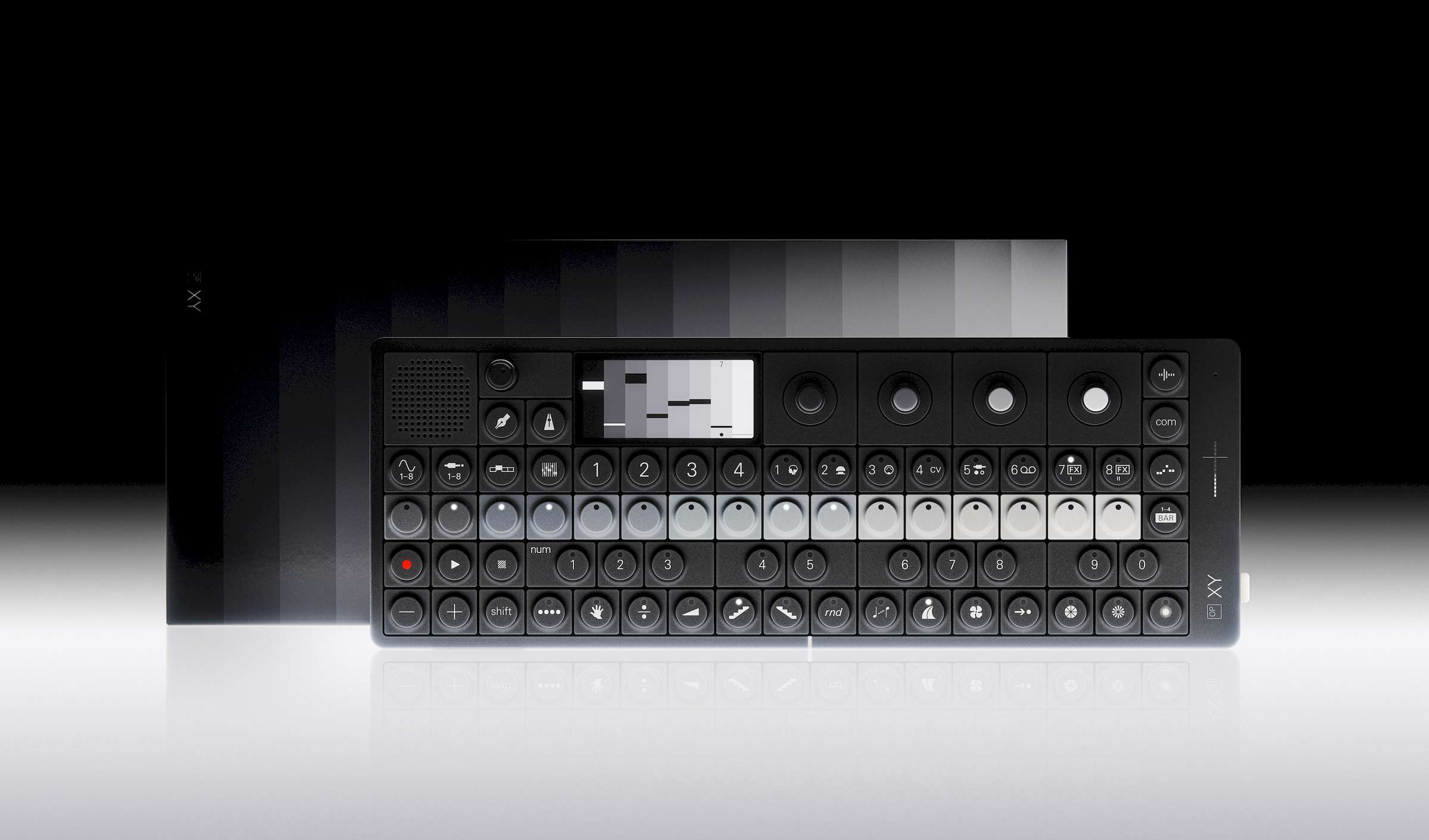
Teenage Engineering has unveiled the OP-XY, a sophisticated successor to the OP-Z, featuring enhanced sequencing capabilities, a high-res display, and built-in CV for modular integration. Priced at EUR 2299, this luxury instrument boasts a dual-CPU platform, new synth engines, and advanced features like live automation and microtonal tuning. Despite its high cost, the OP-XY is a no-compromise device aimed at serious musicians, offering a rich array of creative tools and connectivity options.
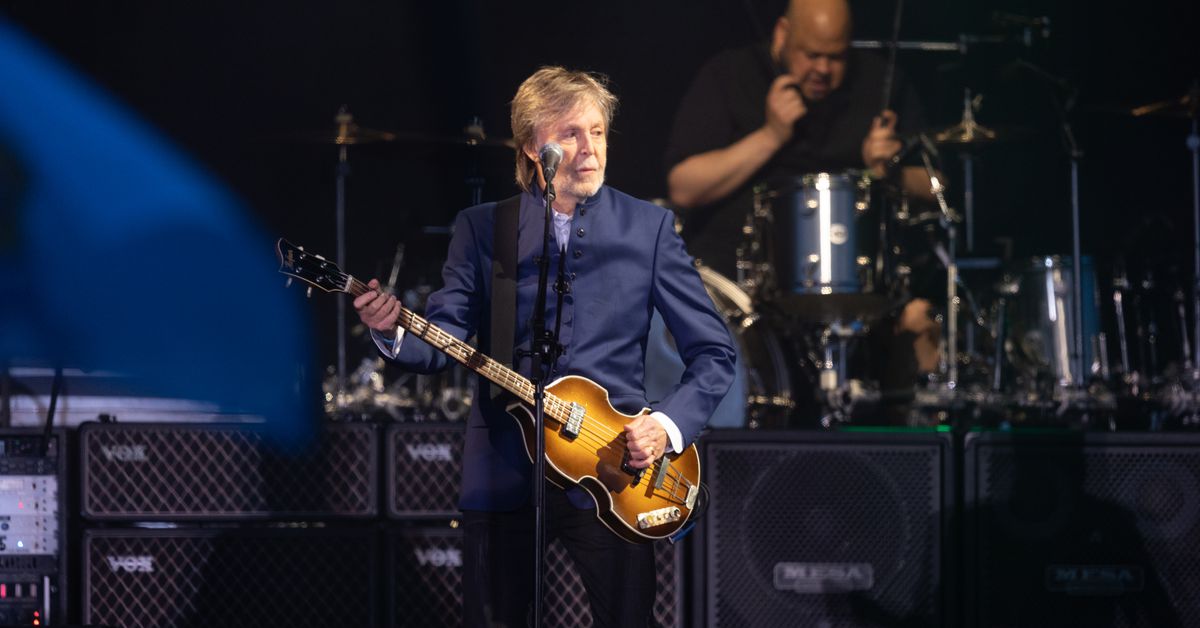
The Beatles have been nominated for two Grammy Awards for their final song "Now and Then," which was restored using AI technology. Originally a demo by John Lennon from the late 1970s, the song was completed by Paul McCartney and Ringo Starr after filmmaker Peter Jackson's team used machine learning to separate the vocals and instrumentals. The song is up for Record of the Year and Best Rock Performance at the 2025 Grammy Awards, despite the Grammy's rules on AI, as it contains only elements of AI material.
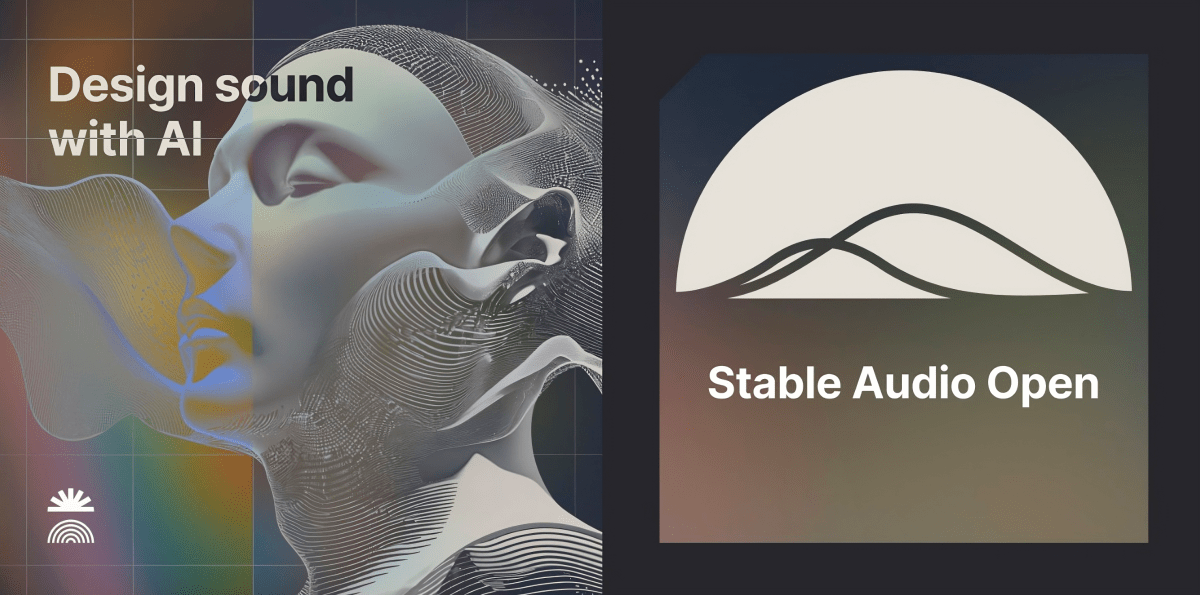
Stability AI has launched Stable Audio Open, an AI model for generating short sound clips and songs from text descriptions, trained on royalty-free recordings. While it can create drum beats and ambient noises, it has limitations in producing full songs and vocals and is not optimized for commercial use. The release comes amid ongoing debates about the use of copyrighted material in training AI models.
Spotify's long-awaited lossless music option may finally arrive as a paid "Music Pro" add-on, which will also include new DJ remix features. This comes after Apple Music and Amazon integrated lossless listening into their standard subscriptions, disrupting Spotify's original plan to market an exclusive lossless HiFi tier. The price of the add-on has not been revealed, but with major rivals including lossless in their standard plans, expecting subscribers to pay more than a nominal fee may be challenging.
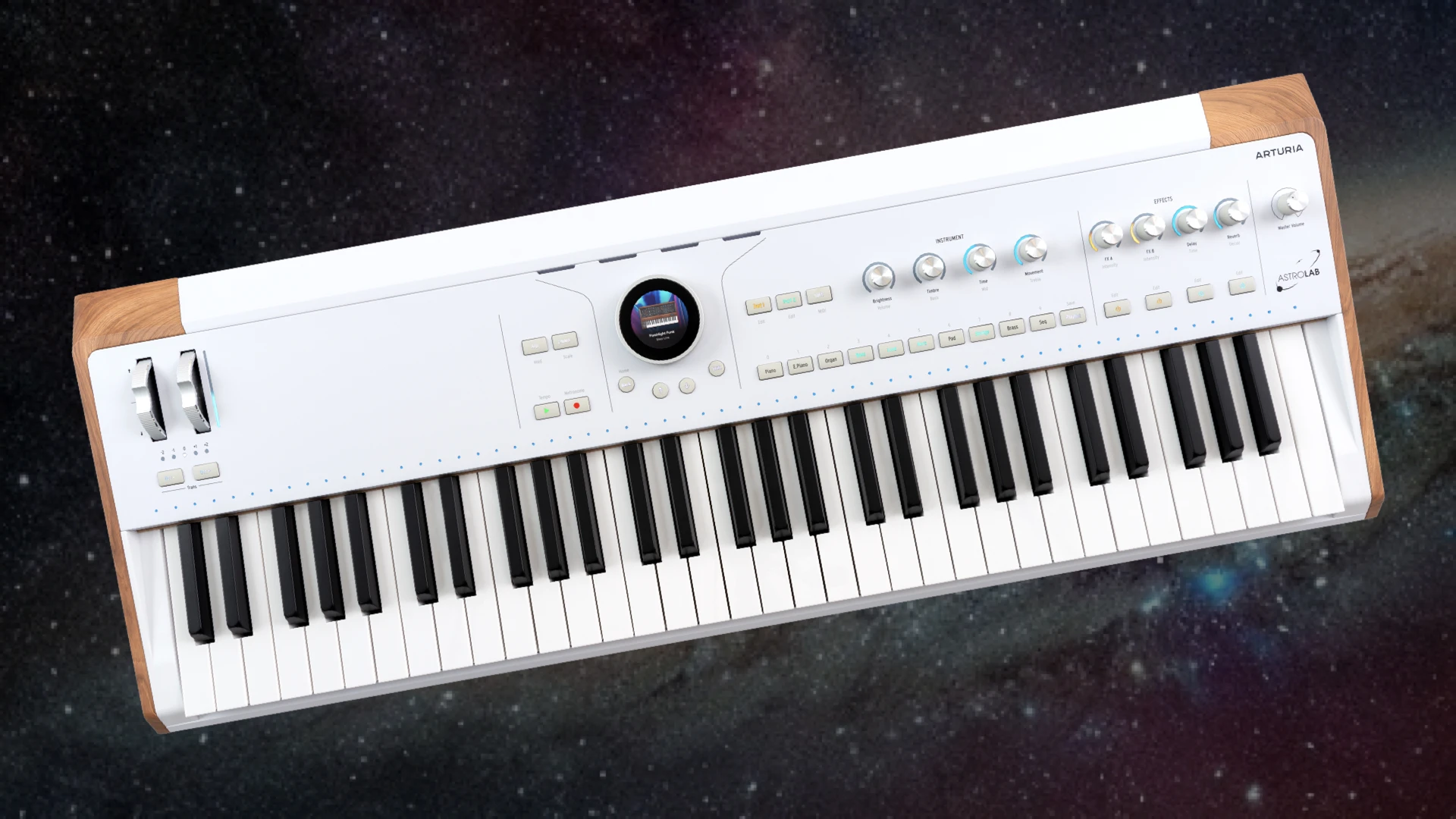
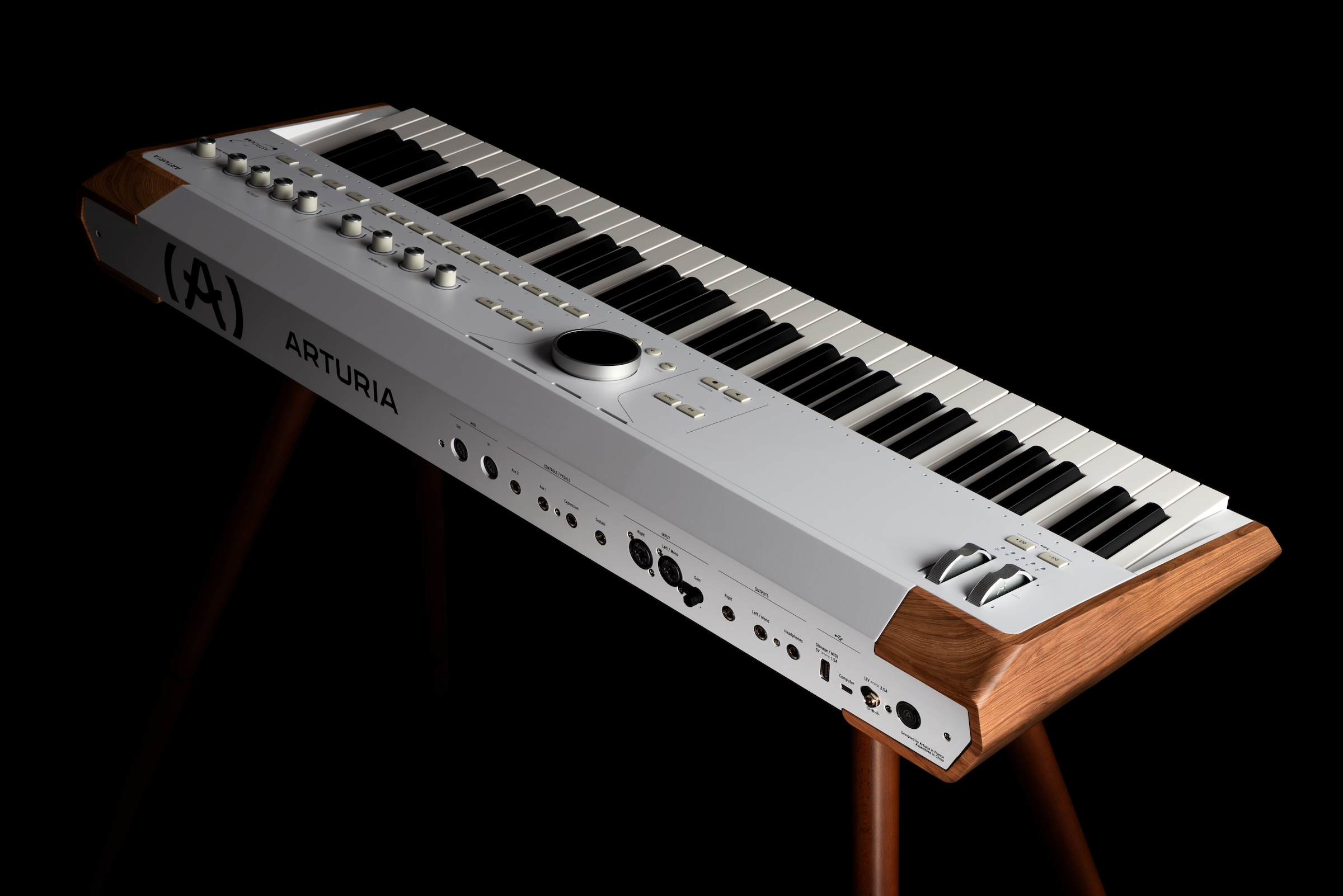
Arturia AstroLab is a new stage keyboard synthesizer that integrates hardware and software, turning the Analog Lab software into a standalone instrument. With 61 semi-weighted keys, it offers bi-timbral capabilities and over 10,000 sounds from V Collection and Pigments. The hardware features a modern user interface with a multi-tool display, color-coded knobs, and versatile connectivity options, including USB-C, WiFi, and an Android/iOS app. Priced at $1599/1599€, it targets live musicians seeking ready-to-use sounds and offers potential for future growth.
Arturia has introduced AstroLab, a standalone stage piano that integrates their V Collection, Pigments, and Analog Instruments into a sleek and accessible keyboard. Priced competitively at 1600 EUR/USD, it offers 27 instruments, 1300+ onboard presets, and the ability to load 10,000+ additional presets. With audio input capability, split and scale modes, and expressive options, it aims to be a versatile instrument for sound design, jamming, performance, and recording. The keyboard also features wireless operation, Bluetooth audio streaming, and a range of insert effects. While it may not replicate all computer functionalities, it promises to bridge the gap between dedicated keyboards and the depth of software.
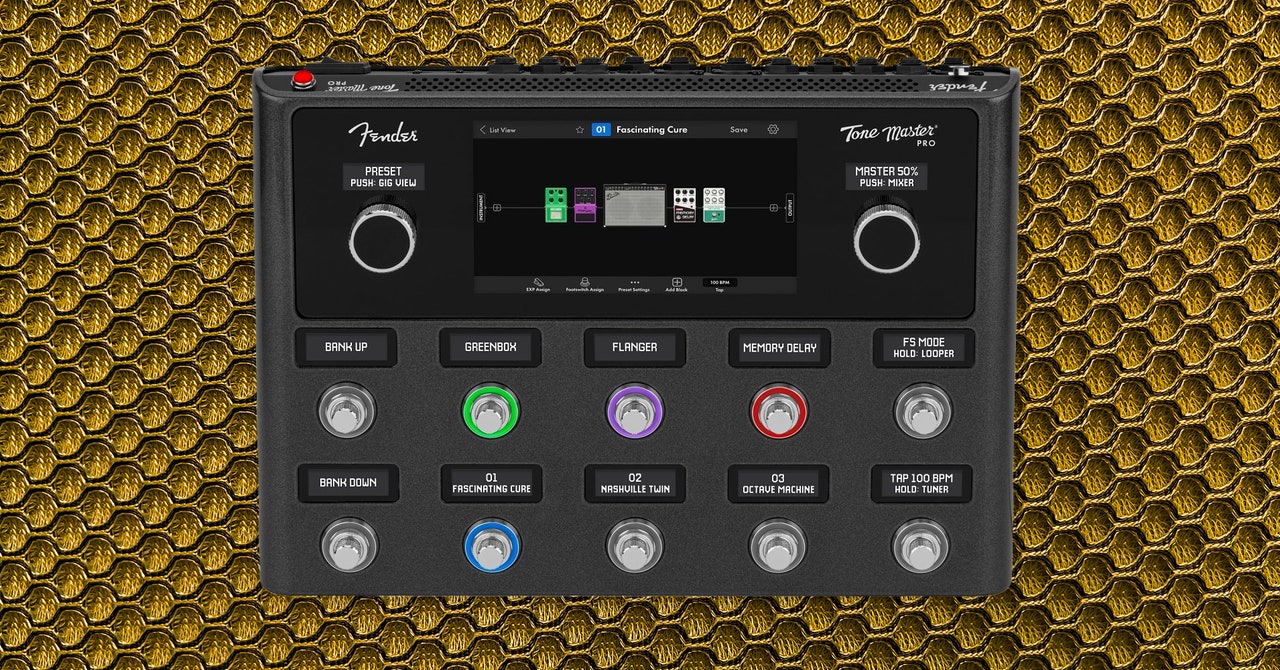
Fender's new Tone Master Pro is a $1,700 digital modeling amp that offers classic models of iconic amps and effects, a touchscreen, excellent onboard controls, and a plethora of digital processing power, making it a portable guitar studio. With a four-channel audio interface, microphone modeling, and cabinet modeling options, it competes with the real deal, even in the studio. The sleek design includes a 7-inch touchscreen, 10 pedal switches, and a variety of inputs and outputs, making it suitable for both stage and studio use.
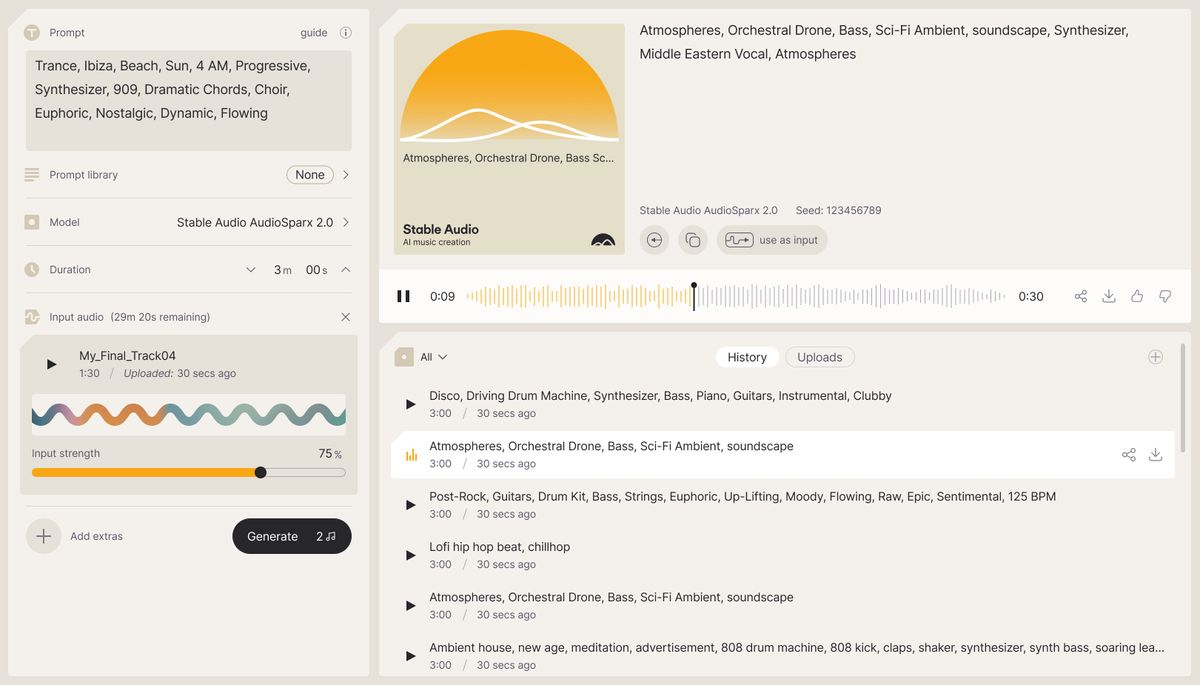
Stability AI has launched Stable Audio 2.0, an update to its AI music generator that can now produce fully structured tracks up to three minutes in length, process and transform audio uploaded by the user, and generate sound and audio effects. The company aims to enhance current production workflows and expand the creative toolkit for artists, but faces criticism over copyright concerns and the potential impact on working musicians.
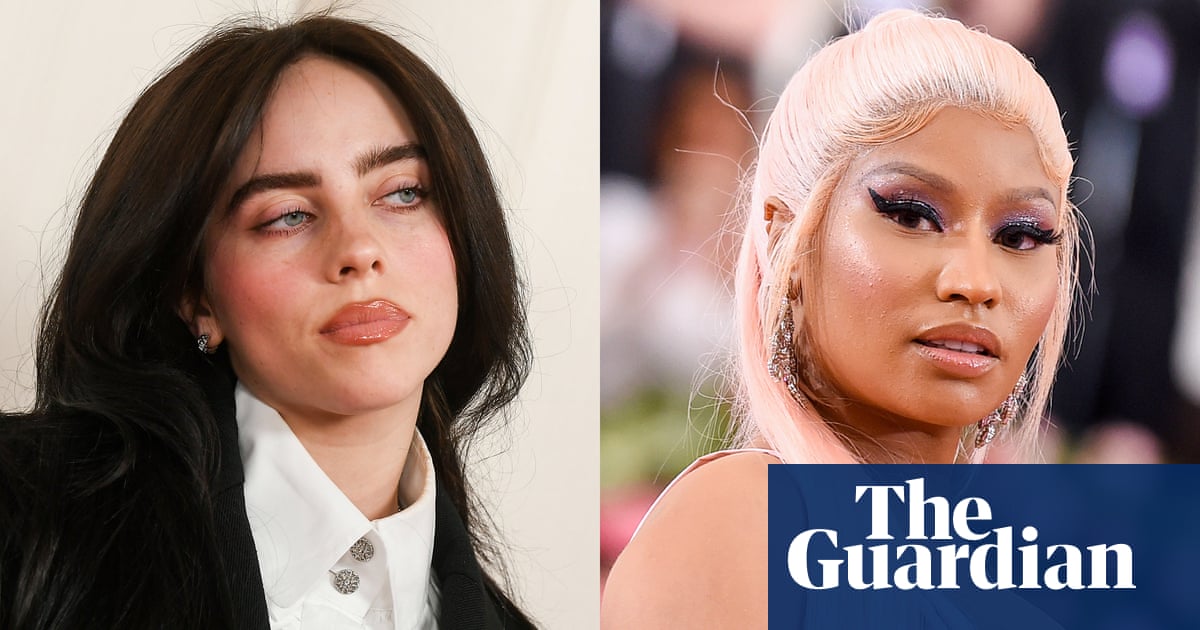
Over 200 artists, including Jon Bon Jovi and Billie Eilish, have signed an open letter protesting the "predatory use of AI" that could harm artists by stealing their voices and likenesses. The letter, organized by the Artist Rights Alliance, calls on AI developers and technology companies to cease using AI to infringe upon and devalue the rights of human artists. This comes as Tennessee enacts the "ELVIS Act" to protect musicians and artists from AI, with Gov. Bill Lee emphasizing the uniqueness and intellectual property of artists.
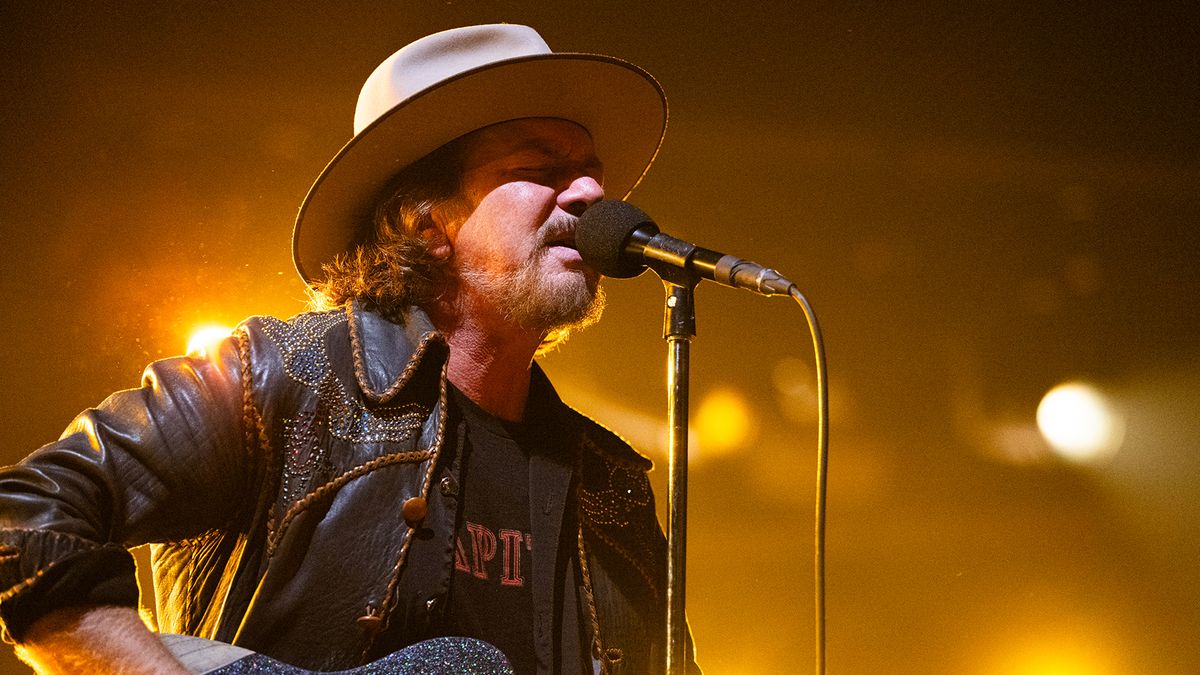
Over 200 artists, including Pearl Jam, Billie Eilish, and Stevie Wonder, have signed an open letter urging tech companies to stop devaluing music and using AI to infringe on artists' rights. The letter demands that AI developers and digital music services pledge not to undermine human artistry and deny fair compensation to artists. Concerns have grown over AI-generated music potentially replacing human artists and diverting royalty payments to tech companies, prompting calls for responsible AI use in music creation.
Over 200 musicians, including Billie Eilish, Nicki Minaj, and Stevie Wonder, have signed an open letter demanding protections against the predatory use of artificial intelligence (AI) that mimics human artists. The letter, issued by the Artist Rights Alliance, calls for technology companies to pledge not to develop AI tools that undermine or replace human songwriters and artists. This comes amid industry-wide pushback against the use of generative AI in music, with concerns over ethical and legal issues surrounding copyright infringement and labor rights. Legislation has been introduced to protect musicians from having their vocal likeness generated by AI for commercial purposes, but the debate over the permissible use of AI in music continues.
The feud between Universal Music Group and TikTok over song royalties has intensified, leading to the removal of popular music from the platform. The dispute revolves around licensing agreements and concerns about fair compensation for songwriters. TikTok has begun removing music from artists connected to Universal's publishing catalog, affecting even those not signed under the UMG recording umbrella. The conflict has raised industry-wide concerns about the impact on artists and the use of AI in determining fair compensation.
Universal Music Group and TikTok are in a standoff over royalties, resulting in UMG's songs being removed from the platform, including those published by the company. The battle, which began earlier this month, affects a vast number of recordings and artists, with videos featuring UMPG songs either being removed or muted. The situation has led to a war of words between the two parties, with UMG claiming TikTok proposed paying artists and songwriters a fraction of the rate that other major social platforms pay, while TikTok accuses UMG of putting their own greed above the interests of artists and songwriters. The impact on artists and songwriters has been significant, and a quick resolution to the standoff is not expected.