Over 200 artists, including Jon Bon Jovi and Billie Eilish, have signed an open letter protesting the "predatory use of AI" that could harm artists by stealing their voices and likenesses. The letter, organized by the Artist Rights Alliance, calls on AI developers and technology companies to cease using AI to infringe upon and devalue the rights of human artists. This comes as Tennessee enacts the "ELVIS Act" to protect musicians and artists from AI, with Gov. Bill Lee emphasizing the uniqueness and intellectual property of artists.
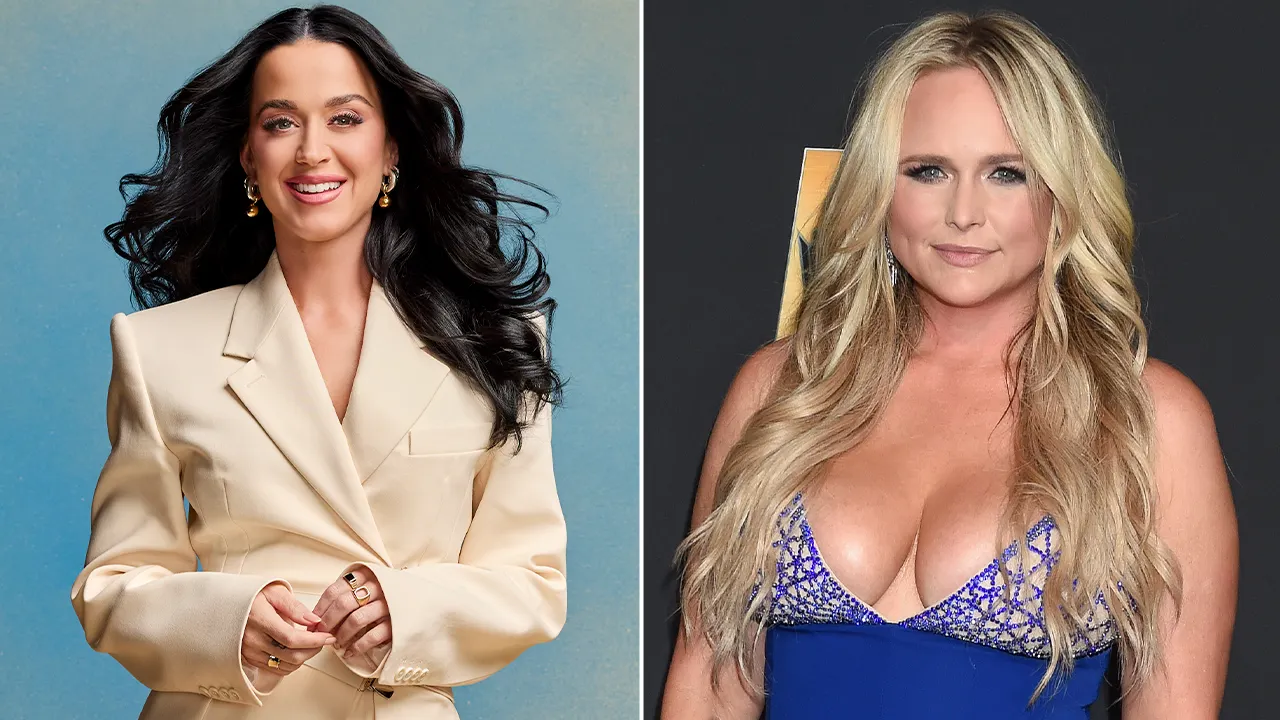
Over 200 artists, including Katy Perry and Miranda Lambert, have signed an open letter urging AI developers to respect artists' rights and cease using artificial intelligence to infringe upon and devalue the rights of human artists. The letter, submitted by the Artist Rights Alliance, calls on AI developers, tech companies, and digital music services to pledge not to develop or deploy AI music-generation technology that undermines or replaces human artistry or denies fair compensation to artists. The letter also highlights the potential threats AI poses to privacy, identities, and livelihoods of musicians, and a bipartisan bill in Tennessee, known as the ELVIS Act, has been passed to protect artists' voices and likenesses from AI exploitation.
Nightshade, a new tool developed by a team at the University of Chicago, allows creators to add invisible alterations to their artwork that disrupt the functionality of AI models used for image generation. By "poisoning" the training data, Nightshade causes erratic outcomes, such as dogs becoming cats and mice appearing as men. This tool aims to protect artists' rights and address the issue of AI models using images without permission. Nightshade is open source, allowing users to customize and strengthen the tool. However, there are concerns about potential malicious use and the need for defenses against data poisoning techniques.
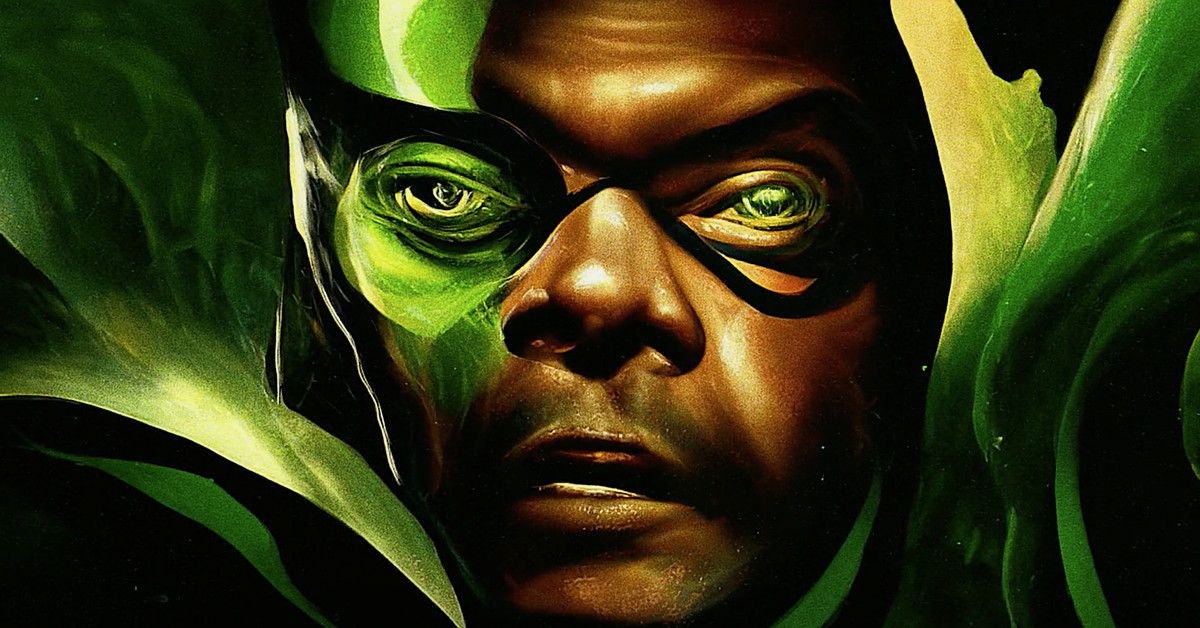
Marvel's use of AI-generated art in the title credits of its latest series, Secret Invasion, has sparked controversy and raised concerns about the future of artists and their livelihoods. While some argue that AI tools can be helpful for streamlining creative processes, others worry about the potential displacement of human artists. The backlash highlights the ongoing conversation about the impact of AI on the entertainment industry and the need to address artists' rights in the face of technological advancements.