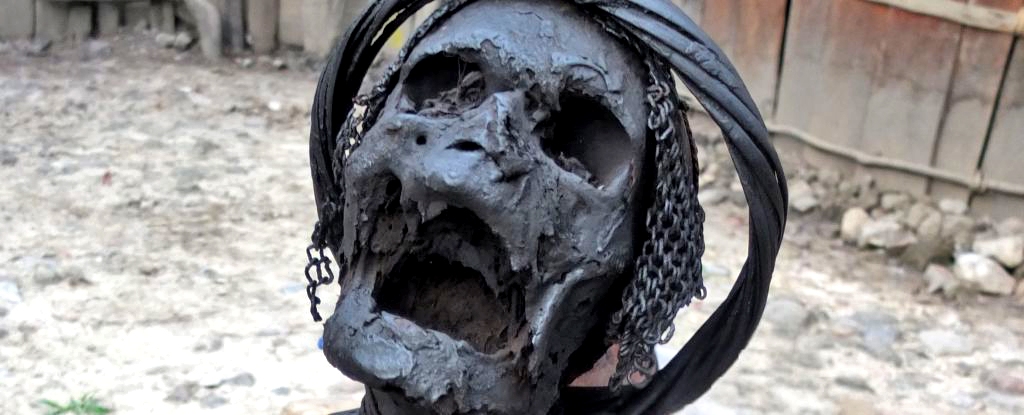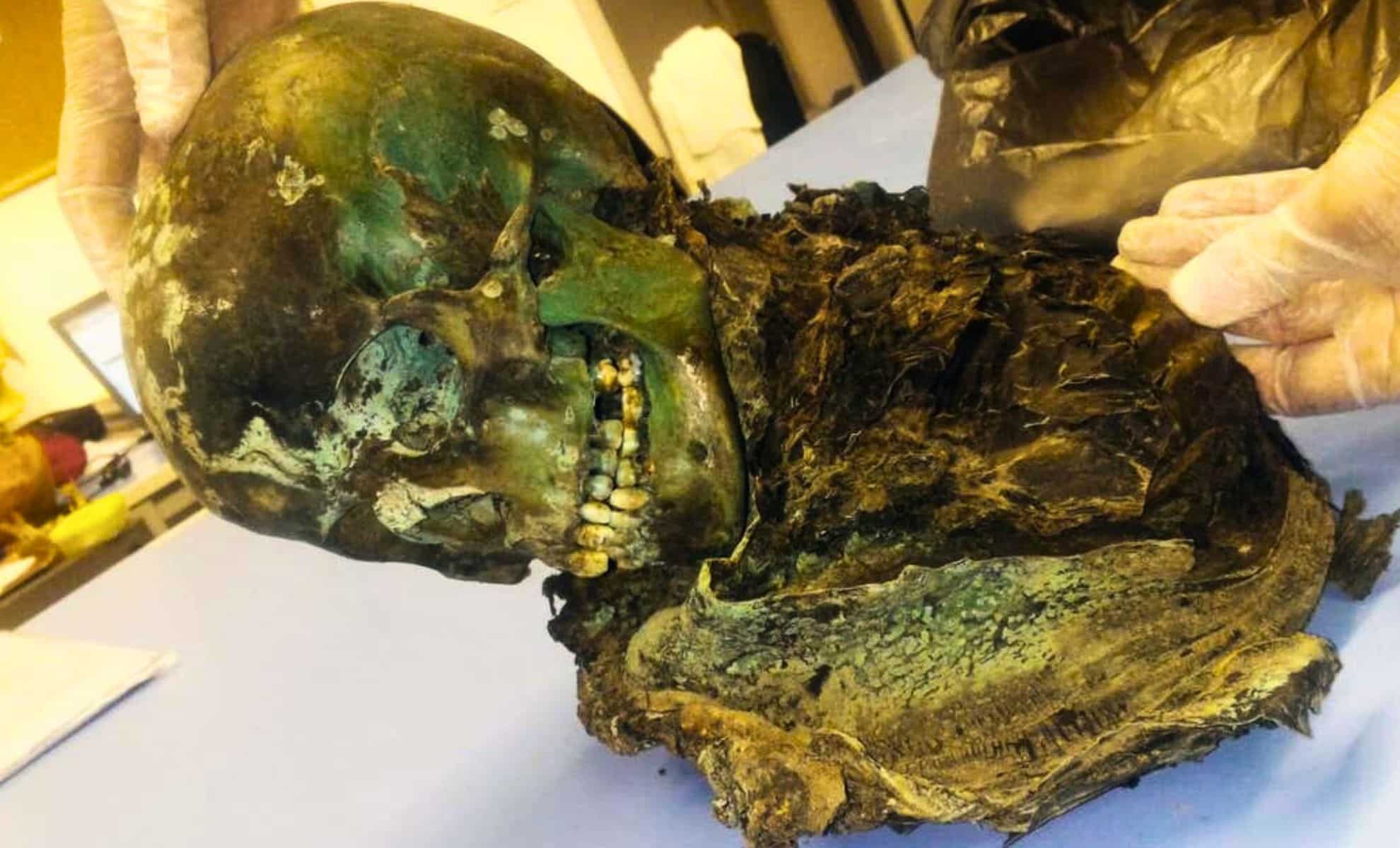
Scientists in Italy discovered the nearly complete mummified remains of a teenage boy from the 17th-19th century, preserved by copper corrosion which created a chemical barrier to decay, revealing a new form of natural, metal-induced mummification that challenges traditional assumptions about preservation methods.
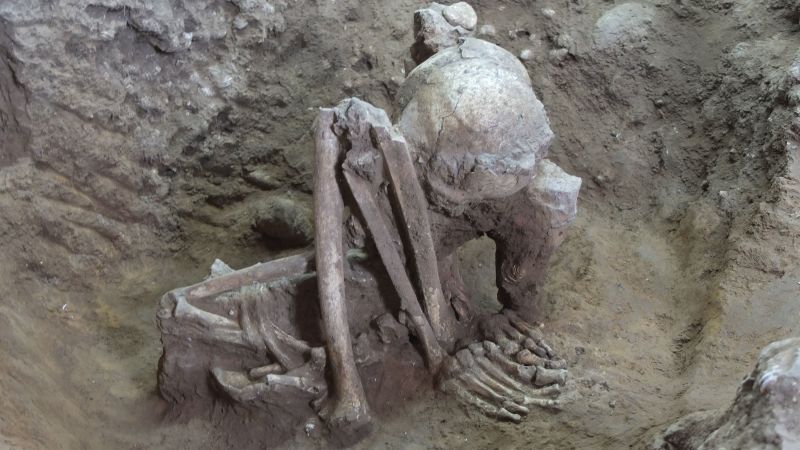
Scientists have discovered the oldest evidence of human mummification in Asia, dating back up to 14,000 years, involving smoke-drying techniques used by hunter-gatherers, which challenges previous timelines and suggests complex cultural practices related to death and preservation.
New archaeological findings reveal that deliberate mummification practices, particularly smoke-mummification, date back up to 12,000 years in Southeast Asia and southern China, predating and expanding our understanding of ancient mortuary rituals beyond Egypt and Chile, and indicating a long-standing cultural tradition among hunter-gatherer societies.
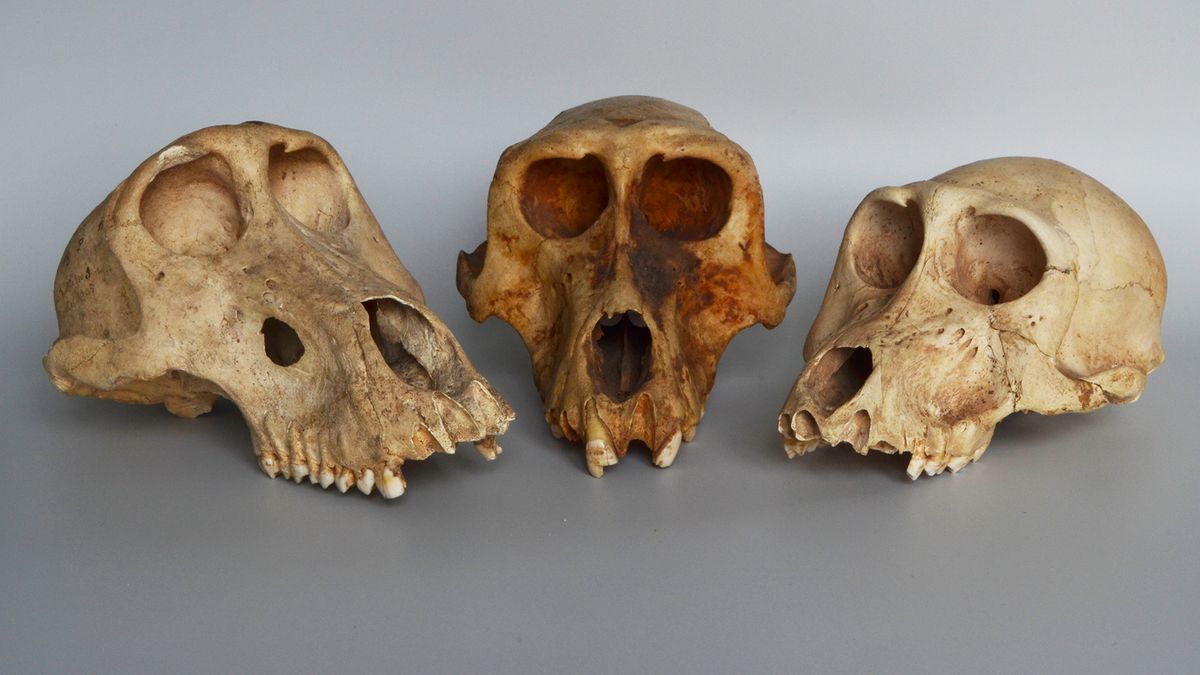
A new study analyzing the skeletons of mummified baboons from ancient Egypt suggests that these sacred animals had poor living conditions. The analysis revealed that many baboons suffered from poor diets and bone disorders, likely caused by a lack of sunlight. Only four out of the 36 examined baboons appeared to be in good health. The study also found that baboons were imported from Sudan and the Horn of Africa to ensure a steady supply. Despite the tough conditions, researchers believe that the people who kept the baboons had good intentions. Further research using teeth and DNA analysis could provide more insights into the treatment of these sacred animals.
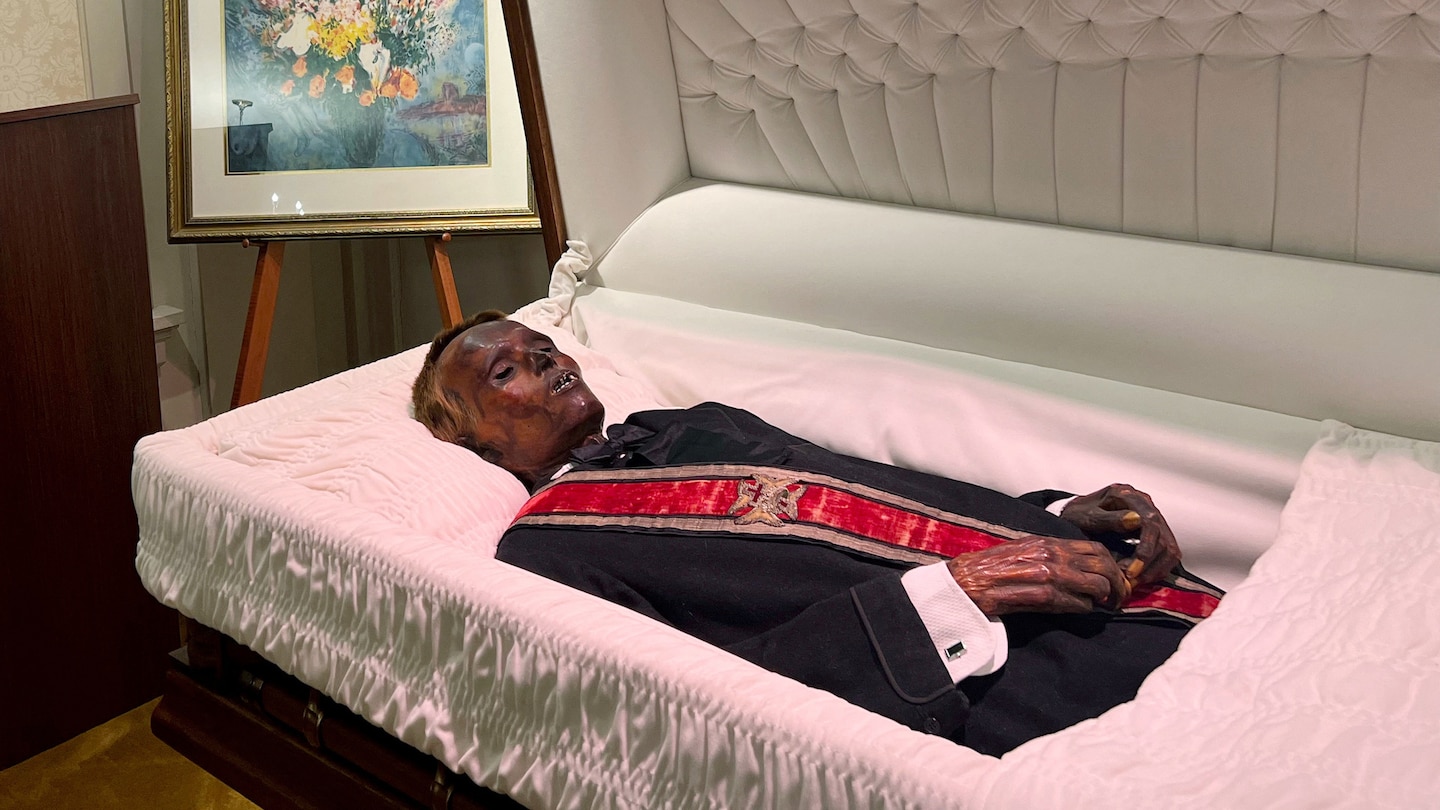
The body of an alleged thief, known as "Stoneman Willie," who was accidentally mummified by an experimental undertaker 128 years ago, will finally be buried. The body has been kept in a funeral home in Reading, Pennsylvania since 1895. The funeral home owners have arranged for a proper burial, with the body dressed in a tuxedo. The mummification technique used by the undertaker was effective, preserving the body remarkably well. The true identity of Stoneman Willie has remained a mystery, as he refused to reveal his real name before his death. After 128 years, the body will finally be laid to rest.
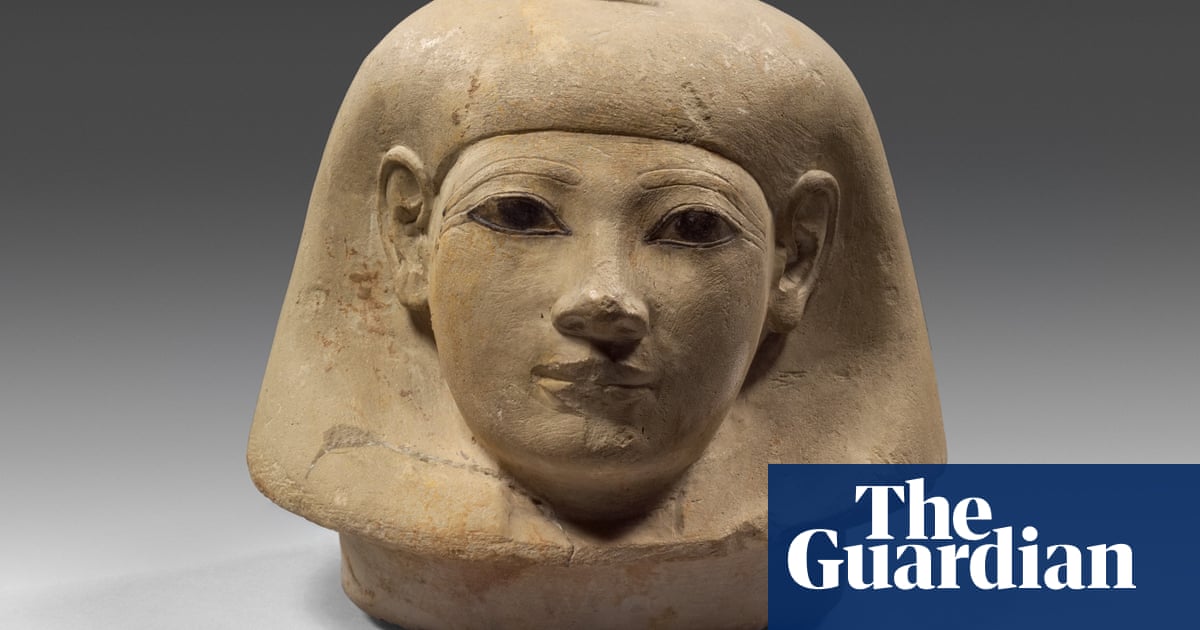
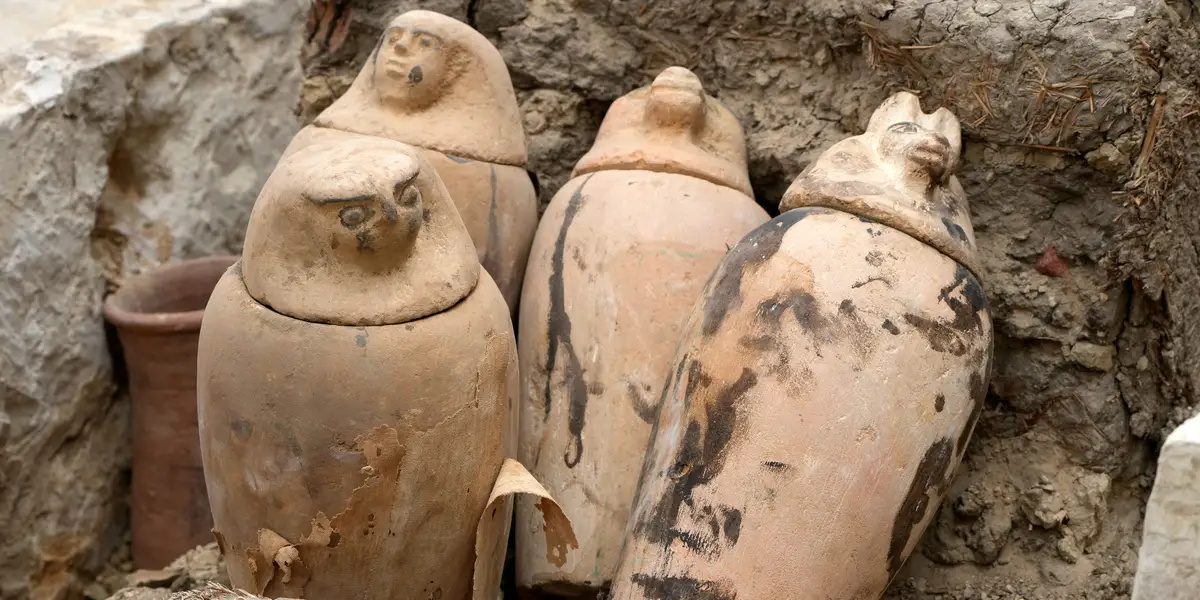
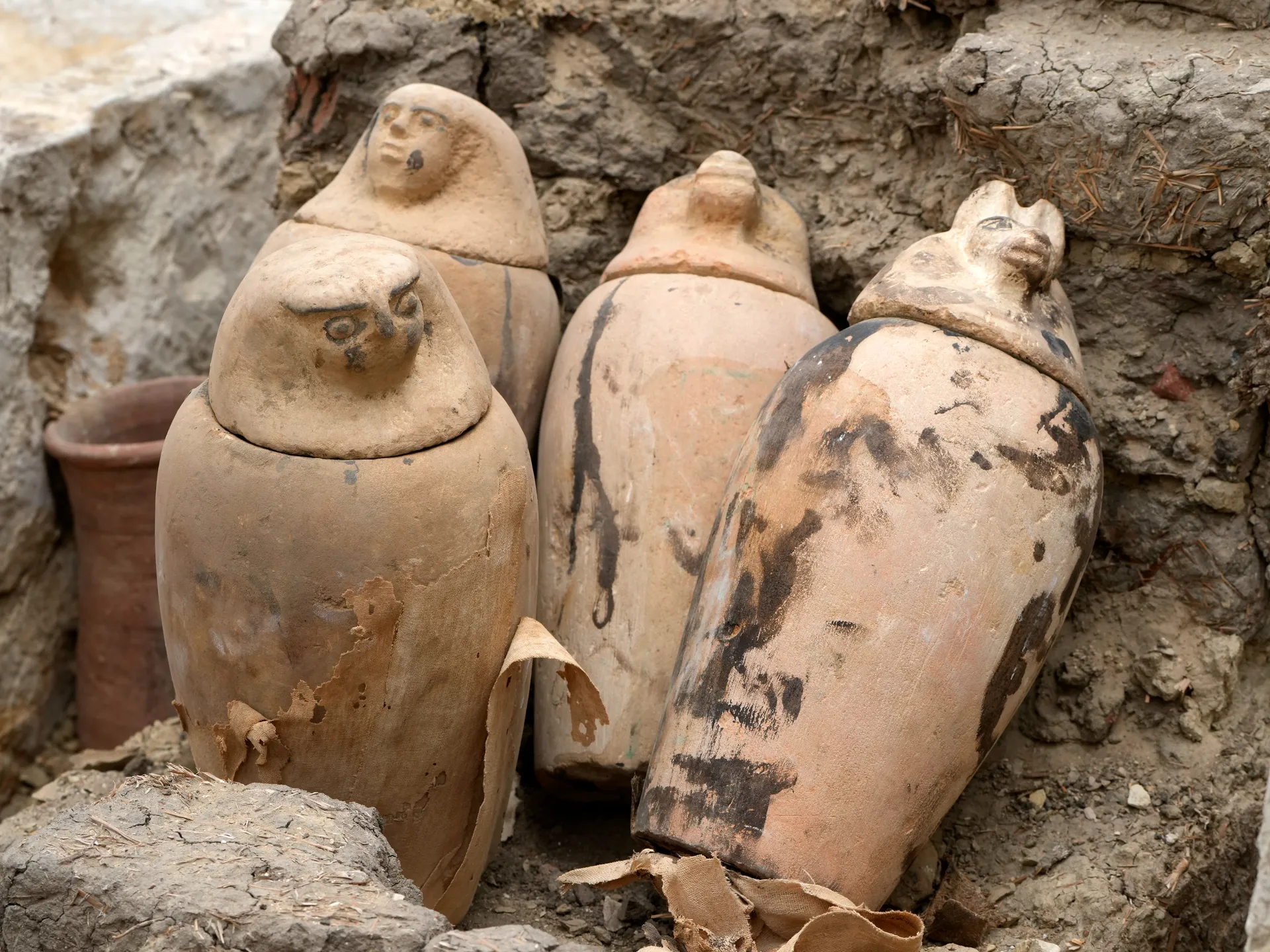
Scientists have identified and recreated the scent of balms used in the mummification of an ancient Egyptian noblewoman named Senetnay. The balms, found in canopic jars in Senetnay's tomb, contained a complex mix of ingredients including fats, oils, beeswax, resins, and benzoic acid. Many of these ingredients would have been imported to Egypt, highlighting the extensive trade networks of the time. The elaborate treatment Senetnay received suggests her high social standing, and the recreated scent will be used in an exhibition at the Moesgaard Museum in Denmark.
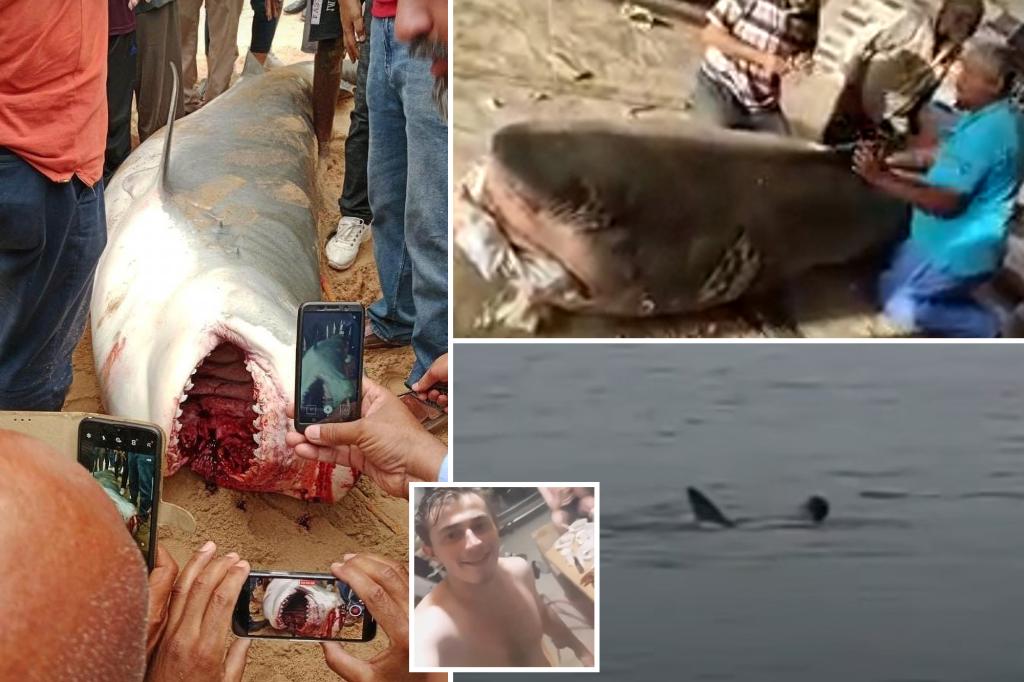
Museum specialists in Egypt are mummifying the shark that attacked and killed a Russian man swimming at a popular beach resort in Hurghada. The mummified shark will be displayed in the Institute of Marine Sciences and the Red Sea Reserves museum. The shark was caught and dissected by specialists to analyze and prevent future attacks. The attack left beachgoers stunned, and the shark was beaten to death by tourists. Last year, two women were killed by sharks in the same tourist location.
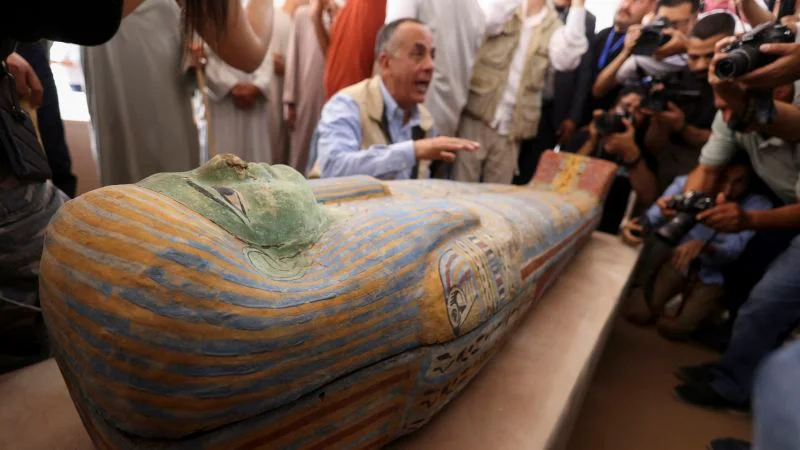
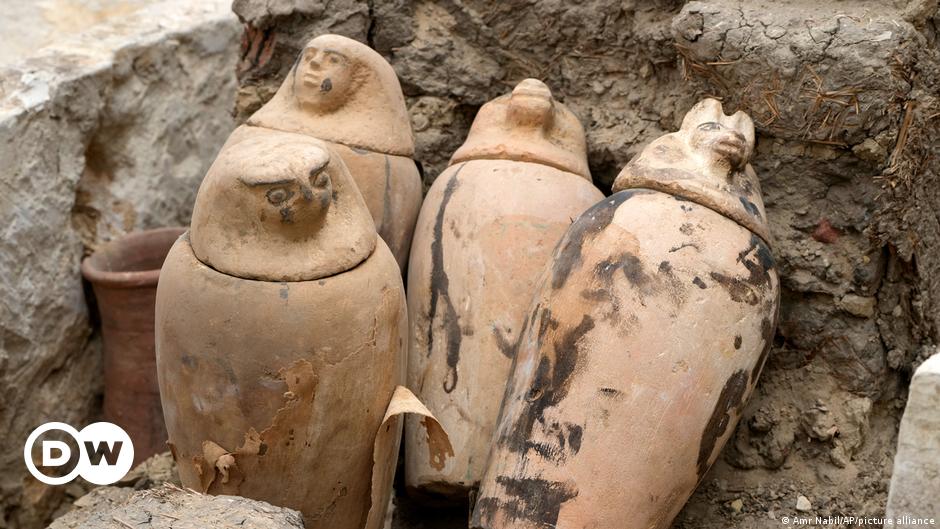
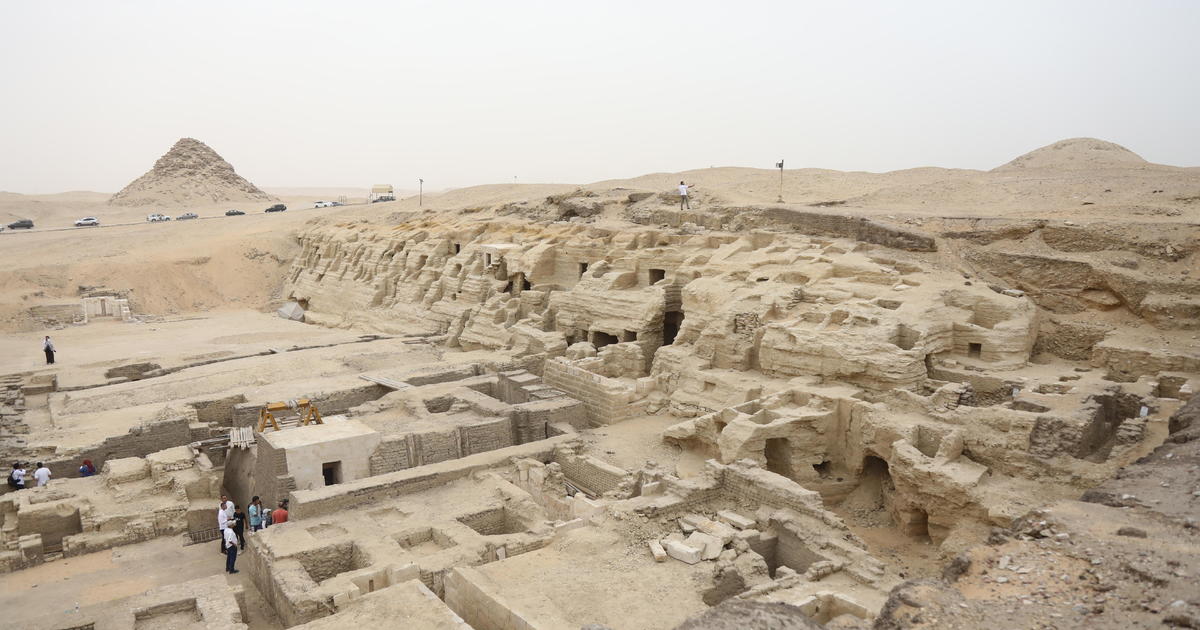
Two of the largest workshops ever used to mummify human and animal corpses in ancient times, along with two tombs, were discovered in Saqqara, Egypt. The embalming workshops date back to the 30th Dynasty and the Ptolemaic period, and contain stone beds used to mummify the deceased. Archaeologists also found tools used by ancient Egyptians to dissect bodies, canopic jars, clay pots, and animal burials. The discovery is part of the Egyptian government's plan to develop Saqqara as a tourism hub and increase tourism to Egypt by 25% to 30% in 2023.
Archaeologists in Egypt have discovered ancient mummification workshops and tombs in the Saqqara necropolis, including stony beds and clay pots used for mummification. The tombs of two priests from the 24th and 14th centuries BC were also found, adorned with depictions of daily activities and scenes of the deceased in different positions. The discovery was made near the sanctuary of the goddess Bastet and was unveiled by Egypt's Ministry of Tourism and Antiquities in a press conference.
Archaeologists in Egypt have discovered two human and animal embalming workshops, as well as two tombs, in the Saqqara Necropolis south of Cairo. The embalming workshops date back to the 30th dynasty, which reigned about 2,400 years ago. The discovery also includes the tombs of two priests dating back to the 24th and 14th centuries BC, respectively. The finds have been a key component of Egypt’s attempts to revive its vital tourism industry amid a severe economic crisis, with the government aiming to draw in 30 million tourists a year by 2028.
Researchers in Egypt have discovered new 4,000-year-old tombs and workshops used for mummification in the Saqqara Necropolis. The find includes pots and other items used in the embalming process, shedding new light on ancient Egyptian rituals. The workshops were used to embalm both humans and animals, and some of the newly discovered tombs still had intact statues of the inhabitants.
Archaeologists in Egypt have discovered two ancient tombs and human and animal mummification workshops dating back to the 30th dynasty, around 2,400 years ago. The workshops contained stony beds, gutters, clay pots, and other instruments and ritual vessels. The tombs belonged to two priests, one dating back to the 24th century BC and the other to the 14th century BC. The discovery is part of Egypt's push to attract more tourists to the country, with tourism revenues climbing to $7.3 billion in the second half of 2022.
Egyptian authorities have unveiled ancient workshops and tombs discovered recently in the Saqqara necropolis, just outside Cairo. The workshops were used to mummify humans and sacred animals and date back to the 30th Pharaonic Dynasty and Ptolemaic period. The tombs were for a top official from the Old Kingdom and a priest from the New Kingdom. The discovery is part of Egypt's efforts to promote new archaeological finds to attract more tourists to the country.
Egypt has discovered two large "embalming workshops" for humans and animals, as well as two tombs, in the ancient burial ground of Saqqara. The workshops date back to the 30th dynasty and the Ptolemaic era, and contained all the tools used in mummification in ancient times. The discovery was made near the sanctuary of the goddess Bastet, where hundreds of mummified animals and statues were uncovered in 2019. The country hopes these discoveries will help revive its vital tourism industry, which has been battered by the aftermath of the COVID-19 pandemic and the conflict in Ukraine.