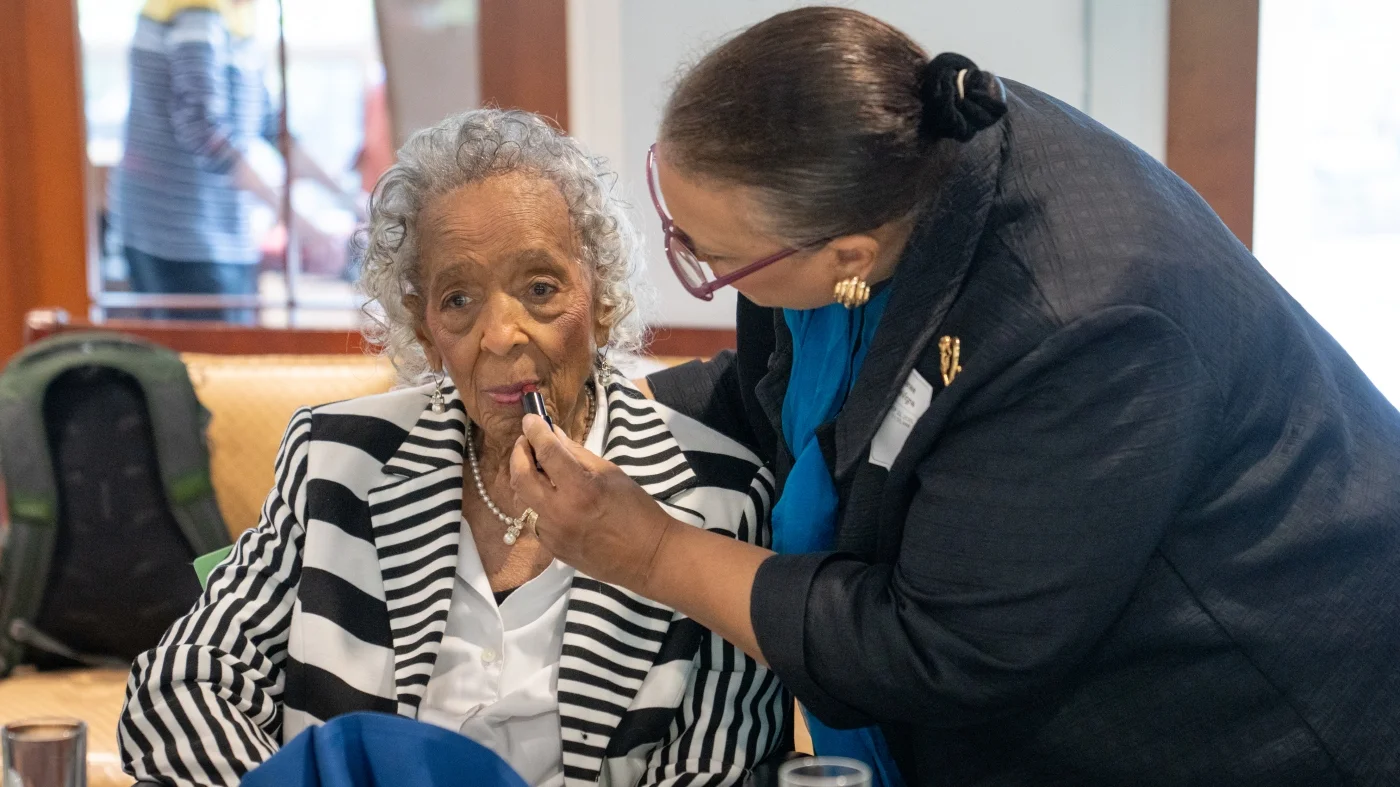
The article discusses how declining birth rates and an aging population in the U.S. are making elder care more challenging, highlighting the importance of family caregiving, especially in Black and Hispanic communities, and emphasizing the need for systemic reforms to address workforce shortages and rising care costs.
Generation Z is more educated and earning higher wages than their parents were at the same age, but they are facing challenges in achieving financial independence due to soaring student loan debt and housing costs. Many are delaying key life milestones such as homeownership, marriage, and having children. A significant portion of Gen Z adults are living with their parents due to financial constraints, and while this arrangement has economic and emotional benefits, it reflects the difficulties young adults face in achieving autonomy in today's economy.
Many American parents with working-age children are sacrificing their emergency savings and debt repayments to aid their adult children, according to a Bankrate/YouGov survey. The survey found that 43% of respondents said such financial assistance had dented their own retirement savings. The findings hint at the toll taken by months of price increases, even on working-age Americans who’ve benefited from a historically hot job market. As interest rates rise, some expenses like auto loans are also increasing.