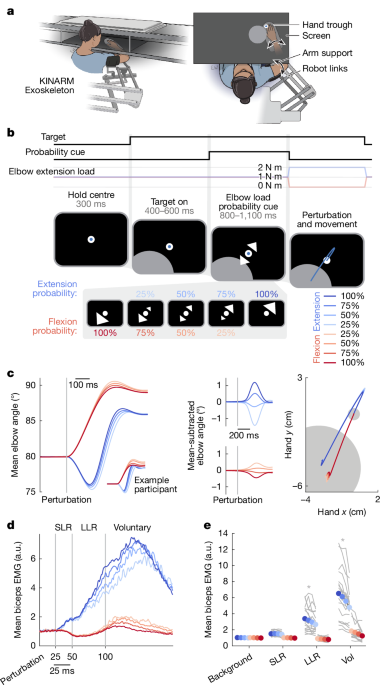
Sensory Expectations Influence Motor Circuit Dynamics
The article explores how sensory expectations influence neural population activity in motor circuits, shedding light on the neural mechanisms underlying movement preparation and control.

All articles tagged with #motor cortex
The article explores how sensory expectations influence neural population activity in motor circuits, shedding light on the neural mechanisms underlying movement preparation and control.

Previously overlooked areas of the brain's motor cortex appear to link control of specific muscles with information about the entire body and brain, challenging the conventional wisdom that the motor cortex solely controls movement. The interconnected system is involved in planning, goals, and emotion, and can directly influence blood pressure and heart rate. The new view of the primary motor cortex may help explain how the brain solves difficult problems and weaves together movement and mental states, which could explain why our posture changes with our mood or why exercise tends to make us feel better.
Researchers have discovered a previously unknown system within the motor cortex of the brain that connects body movement with thinking, planning, mental arousal, pain, and control of internal organs. This system is manifested in multiple nodes located between areas of the brain responsible for the movement of specific body parts and is engaged when many different body movements are performed together.
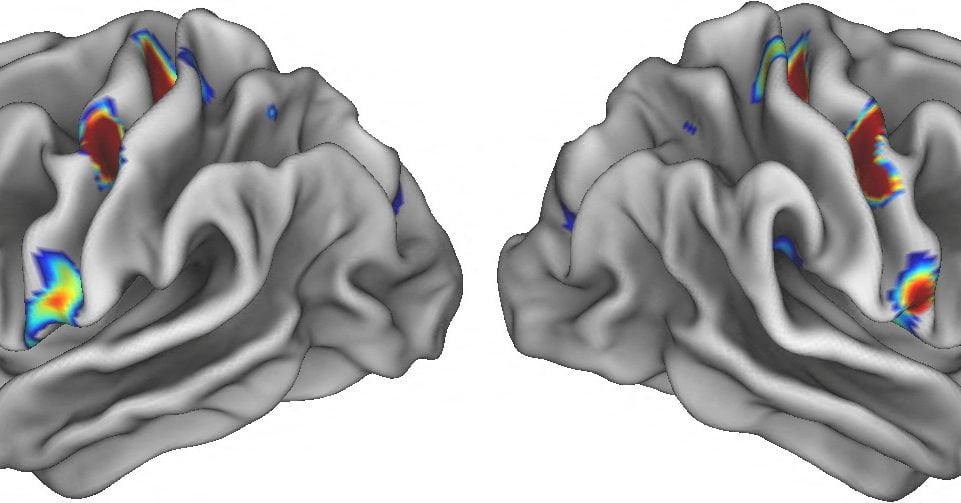
Researchers have discovered a previously unknown system within the motor cortex called the somato-cognitive action network (SCAN), which is connected to brain regions involved in thinking, planning, mental arousal, pain, and control of internal organs. The SCAN is more important for integrated, whole-body movements and is more connected to high-level planning regions of the brain. The findings underscore how there is more to learn about the human brain and its mind-body connection.