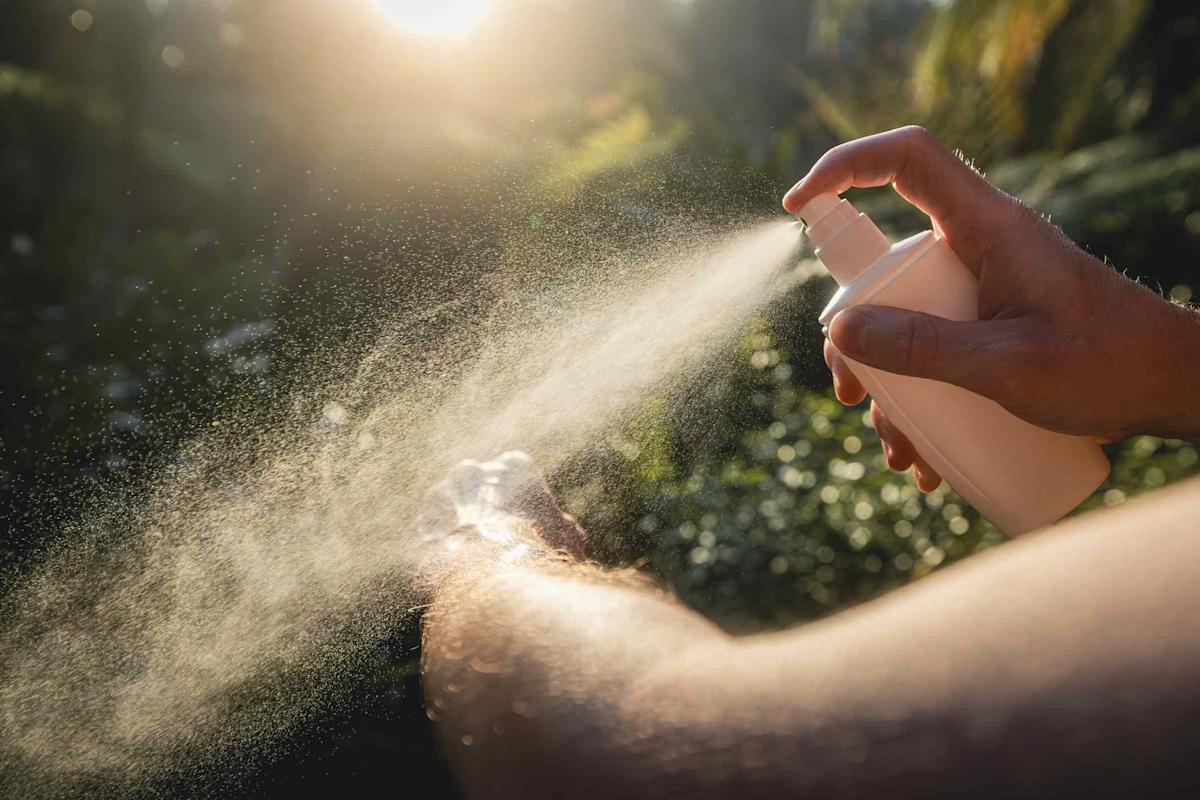
To prevent mosquito bites, experts recommend using citronella candles or plants, spraying your yard with insecticide if necessary, reducing standing water around your home, avoiding outdoor activities during peak mosquito hours at dawn and dusk, and using fans to deter mosquitoes. Installing bat boxes can also naturally reduce mosquito populations by attracting bats that feed on them.
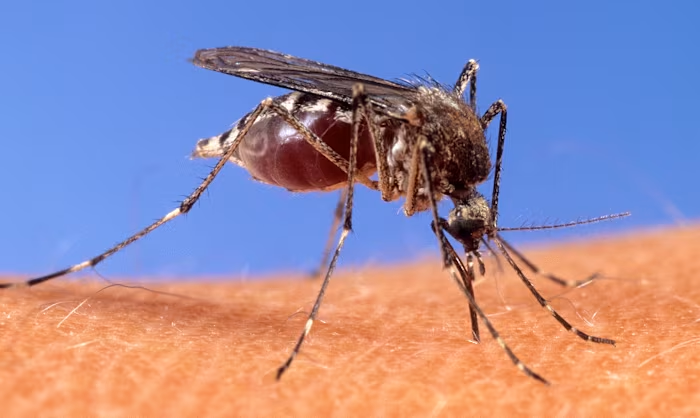
West Nile Virus has been detected in mosquitoes in Macomb County for the first time this summer, prompting health officials to remind residents to take precautions against mosquito bites, although no human cases have been reported yet.
To keep mosquitoes out of your yard, eliminate all standing water, maintain gutters and pools, plant mosquito-repellent foliage, and encourage natural predators like birds and bats. When mosquitoes are already present, use fans, DEET or lemon eucalyptus oil, and set up traps, while avoiding ineffective methods like citronella candles. Community efforts and environmental management are also crucial for effective control.
This article offers various health tips including practicing Japanese walking for cardiovascular benefits, eating dark chocolate for fiber, doing Sunday chores to reduce stress, preventing mosquito bites, dancing for mental health, and other wellness advice like avoiding Q-tips and microwaving plastics, to help start a healthy week.
East Tennessee is experiencing an increase in cases of La Crosse encephalitis, a rare viral illness transmitted by infected mosquitoes, particularly affecting children. The disease often goes undiagnosed until severe symptoms occur, and there is currently no cure. Climate change is contributing to the spread of mosquito-borne diseases, as warming temperatures and increased humidity lengthen the mosquito season. Mosquito surveillance and management efforts are limited, but prevention measures such as draining standing water and using insect repellents are crucial in reducing the risk of infection.
Multnomah County officials warn that Portland's unseasonably warm spring has caused "floodwater" mosquitoes to develop at a rapid pace, making this one of the worst mosquito seasons to date. While these mosquitoes are primarily "nuisance mosquitoes" that don't spread viruses, residents are advised to exercise caution at sunrise or sunset when they are most active and to wear long sleeves, long pants, and personal repellents. The county is also using larvicides to treat mosquitoes in uninhabited areas and encourages individuals to regularly dump out man-made water containers in their backyards to disrupt the "container-breeding mosquito" life cycle.
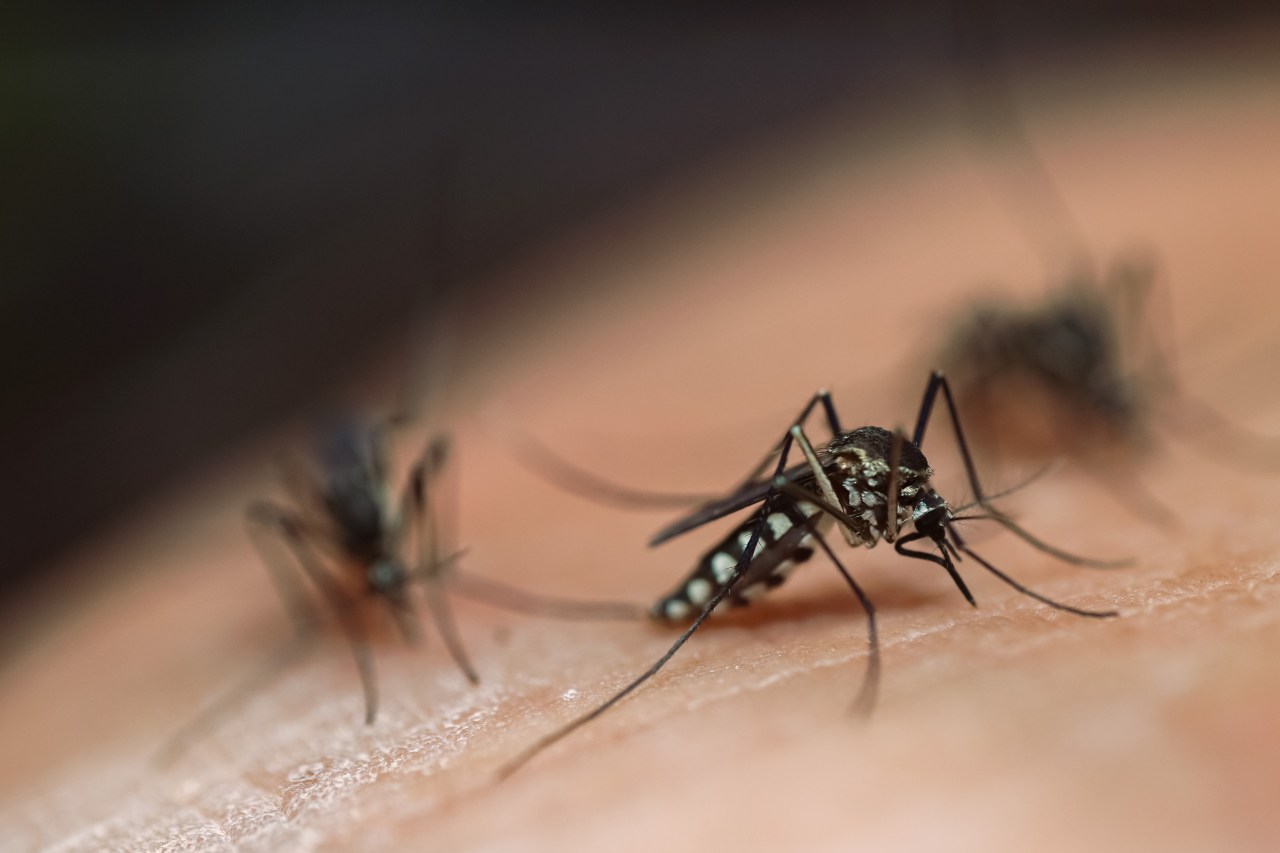
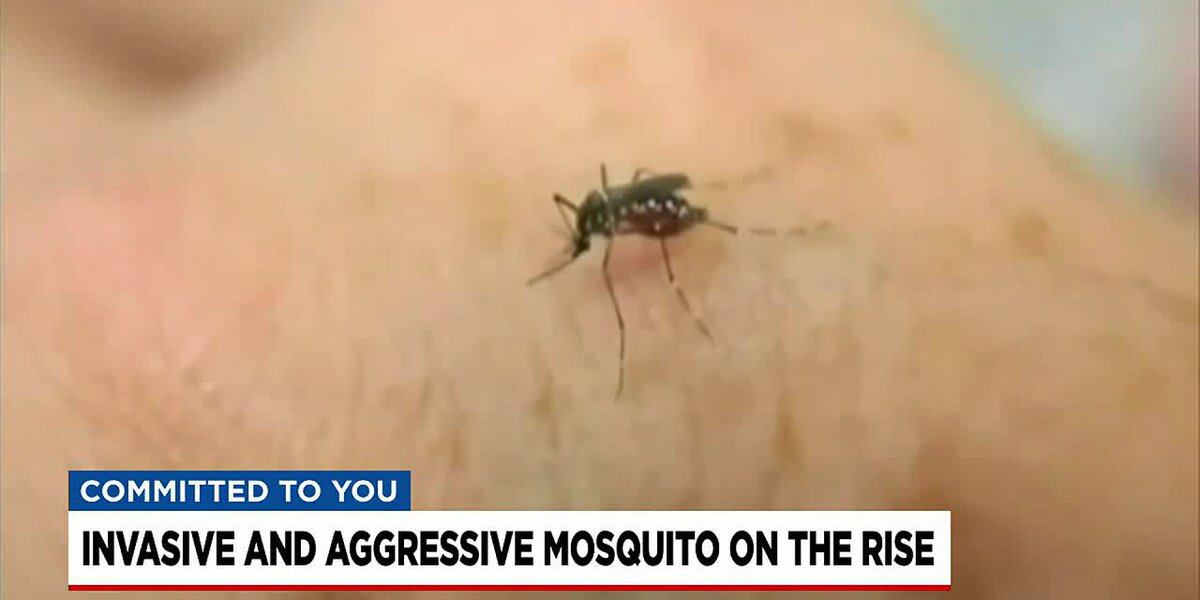
Experts are warning about the alarming spread of Asian tiger mosquitoes, an invasive and aggressive species found in South Carolina that can transmit severe diseases such as dengue fever, chikungunya, and Zika virus. Pest control companies are seeing a surge in calls about these mosquitoes, and their highly adaptable range is expanding, raising concerns about future disease outbreaks. The SC Department of Health and Environmental Control urges residents to reduce mosquitoes around their homes by eliminating standing water.