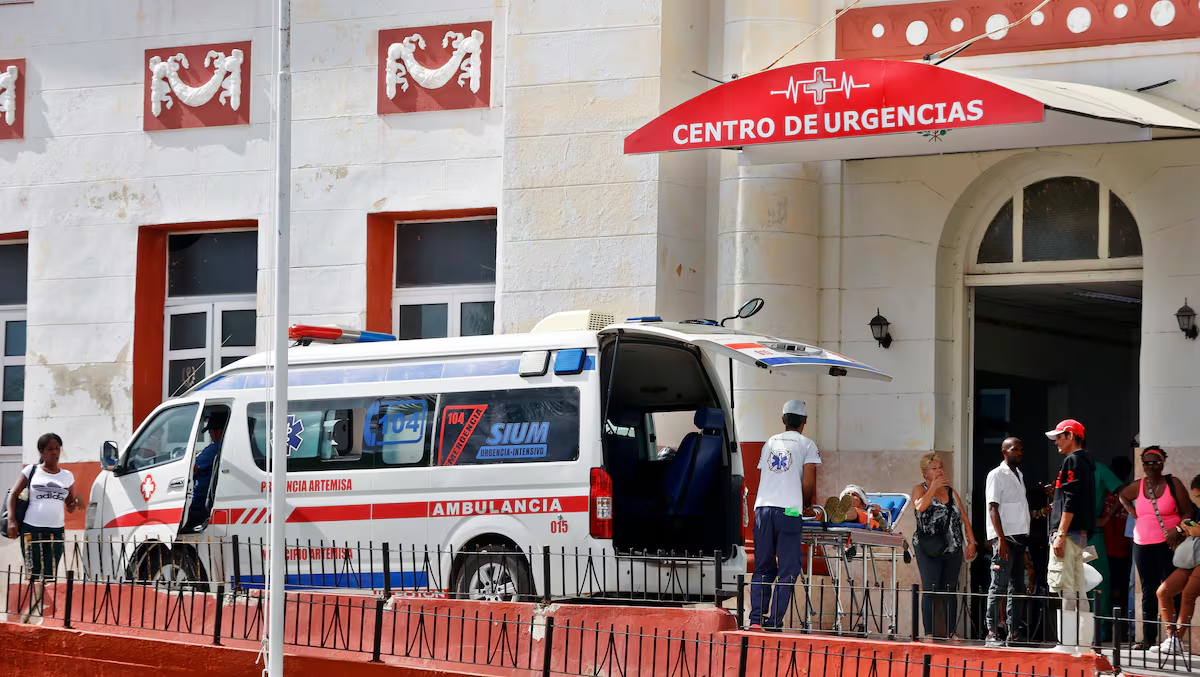
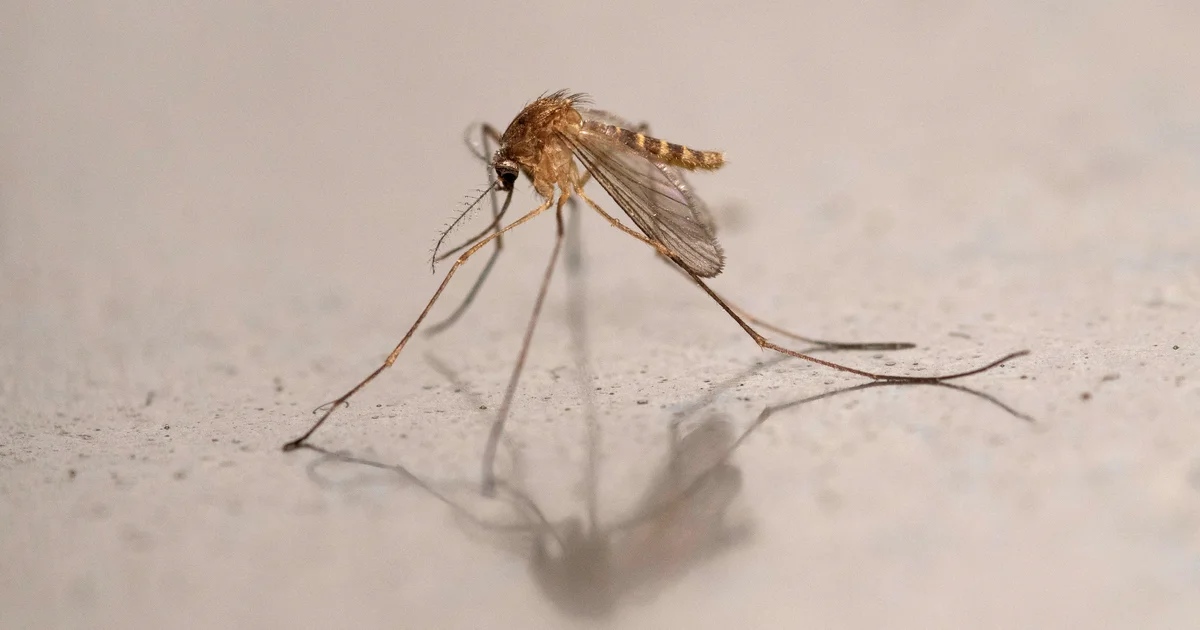
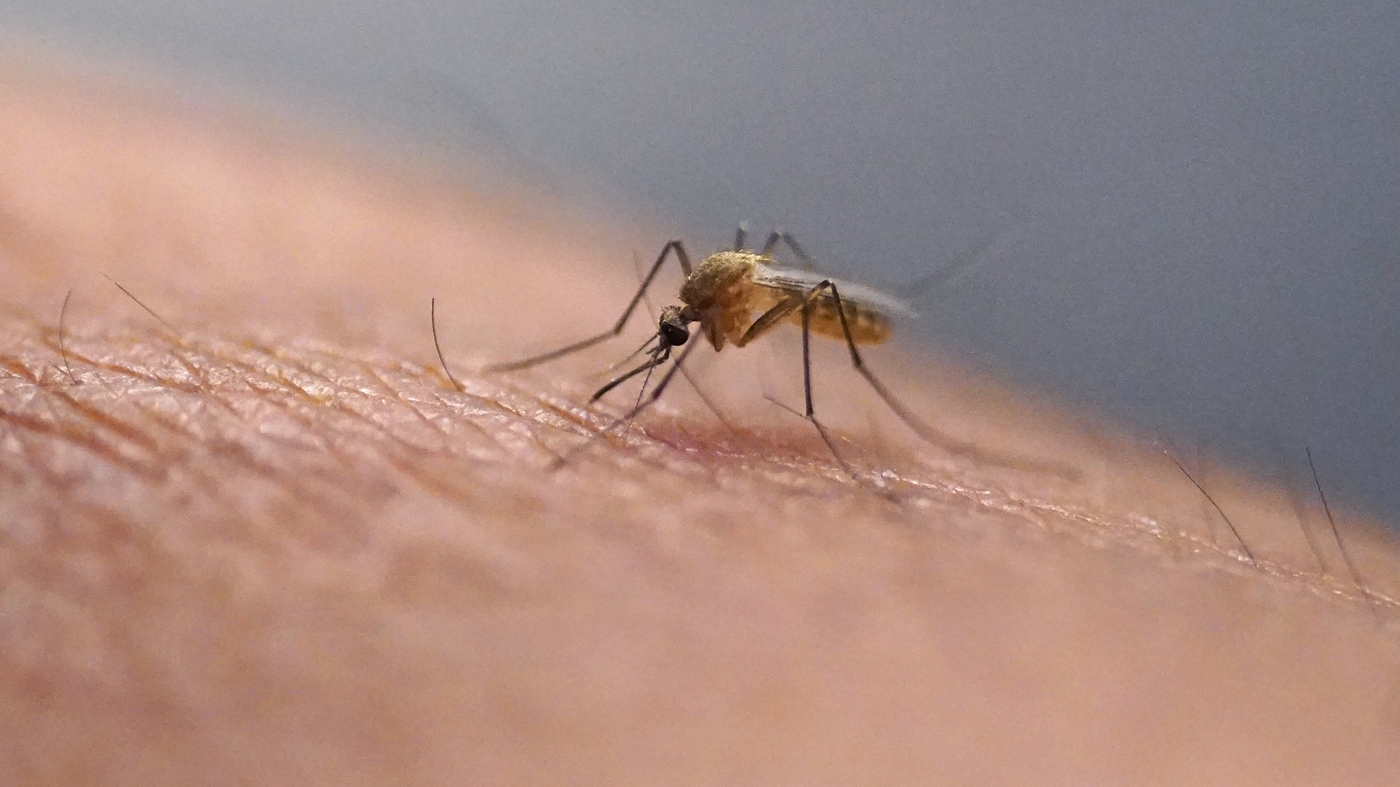
Cuba is facing a severe health crisis characterized by widespread mosquito-borne viruses like dengue and chikungunya, compounded by medicine shortages, inadequate diagnostics, and a collapsing healthcare system, leading to high mortality and suffering among its population.
In Cuba, 33 people, including 21 children, have died from mosquito-borne chikungunya and dengue viruses since July, with the outbreak exacerbated by economic hardships and poor sanitation. The government reports most deaths from chikungunya, which causes severe joint pain and fever, while dengue has also claimed 12 lives. The outbreak has spread across all provinces, and health authorities have issued travel advisories for at-risk regions, including Cuba, urging precautions and vaccination.
Global public health experts warn that the United States is unprepared for the growing threat of mosquito- and tick-borne viruses, which are spreading more widely due to globalization and climate change. The country has lost much of its capacity to track insects, and there is a lack of preparation for tropical diseases that were once considered far away. Singapore's approach to mosquito control, including cleaning up the environment and implementing surveillance programs, is seen as a successful model, but it may face challenges in countries like the U.S. where there is pushback against intervention. Other strategies such as vaccines and designing mosquito-proof cities could also be effective.