Russia claimed to have shot down over 132 Ukrainian drones over Moscow and surrounding regions, prompting airport disruptions, while Ukraine reported downing 25 Russian drones. Both sides continue long-range drone strikes amid stalled ceasefire negotiations, with Ukraine proposing new talks and prisoner exchanges to achieve peace.
Ukrainian drones reportedly attacked Moscow for the second night in a row, with explosions and drone interceptions reported across Moscow and other Russian regions, leading to temporary airport closures and ongoing tensions in the Russia-Ukraine conflict.
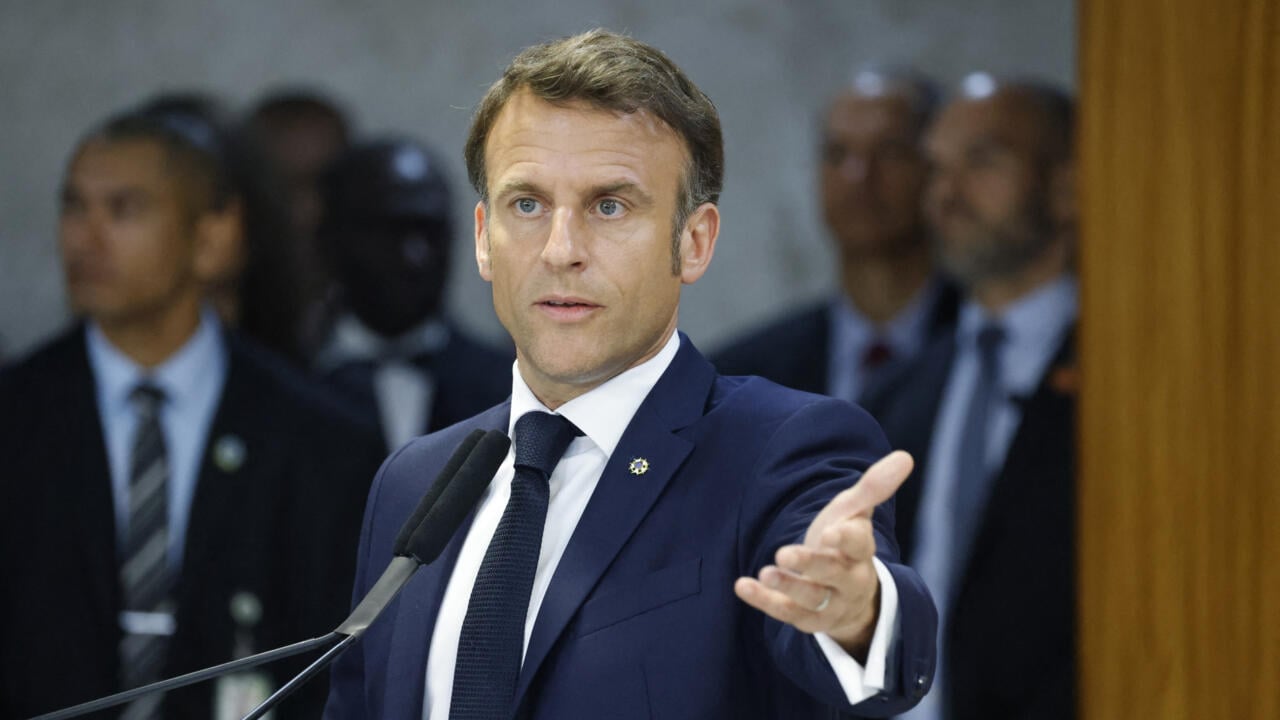
French President Macron dismisses as "ridiculous" Russia's suggestion that Ukraine and France had a role in the deadly Moscow concert hall attack, calling it a manipulation of information and part of Russia's warfare arsenal. Macron's comments came after a rare phone call between the French and Russian defense ministers, with diverging media statements afterward. Despite Russia's attempts to link Ukraine and the West to the attack, France firmly condemned the assault and reiterated support for Kyiv.
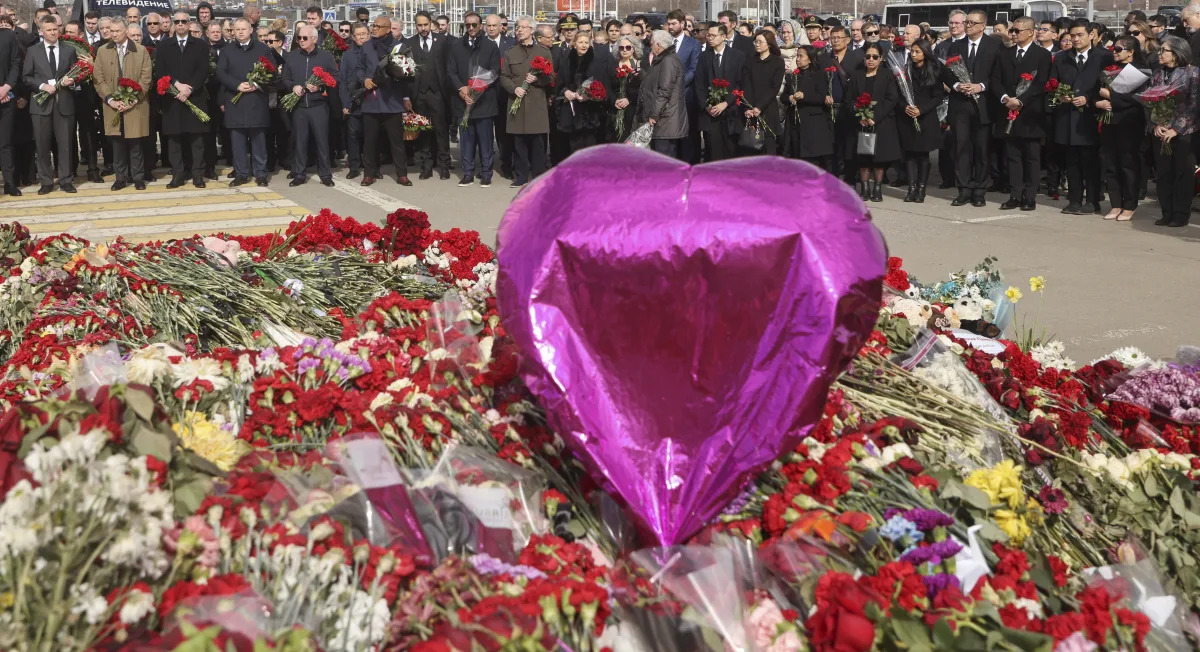
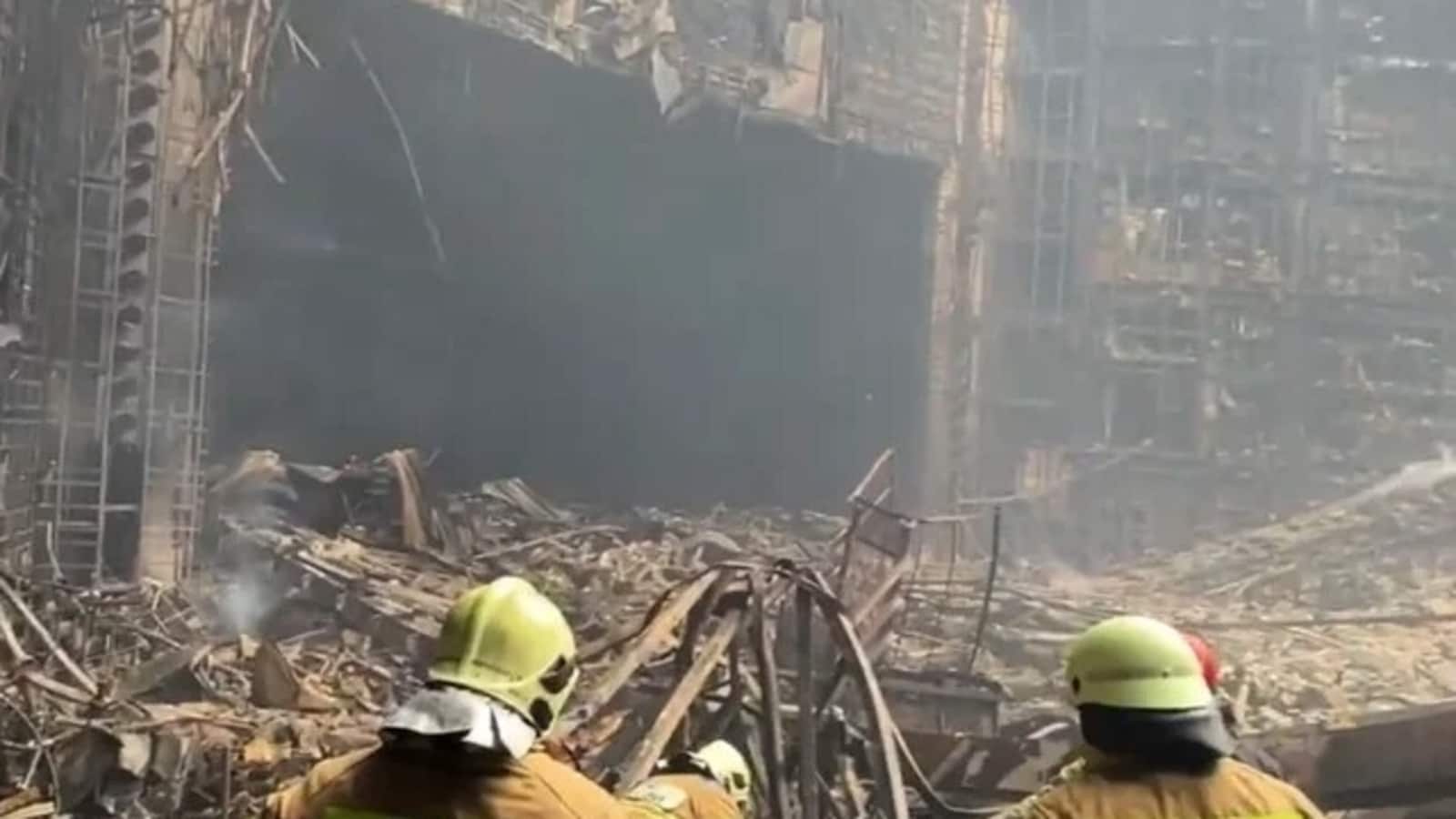
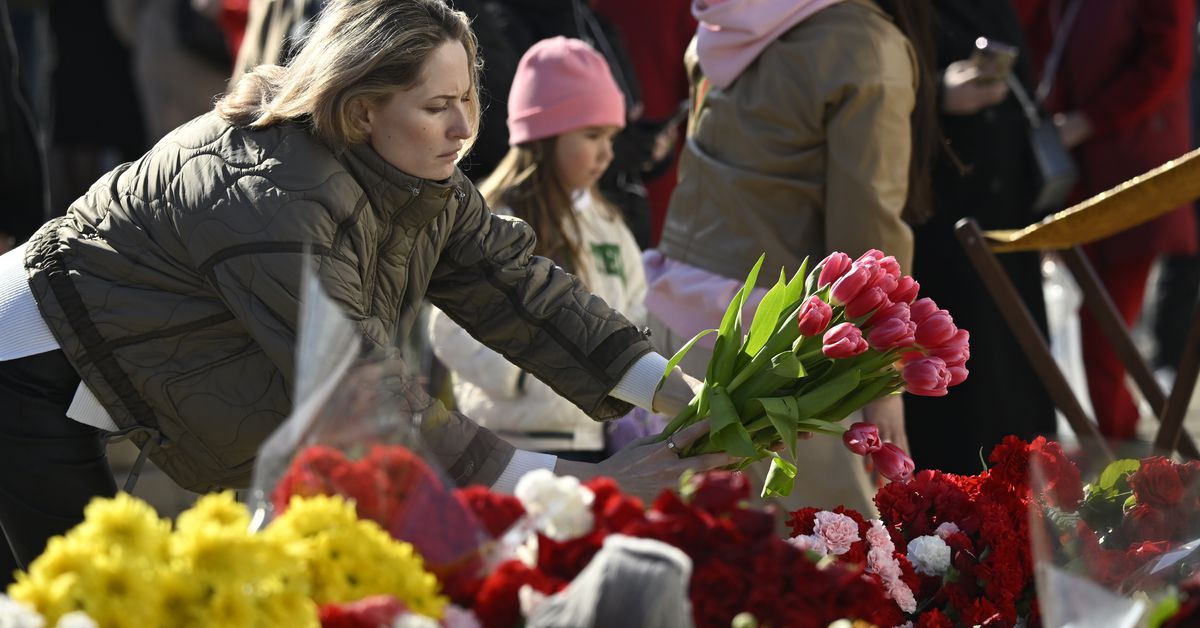
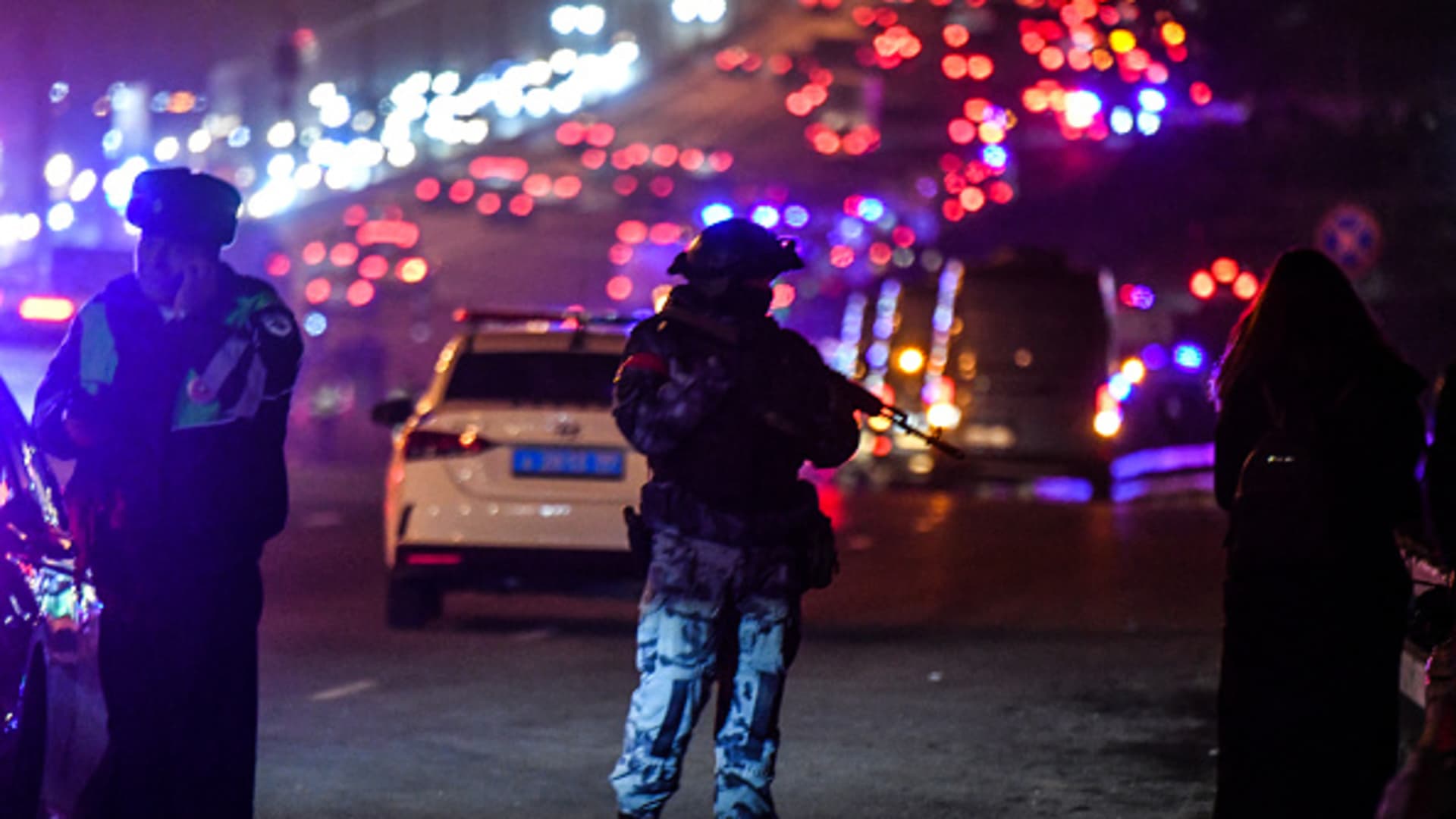
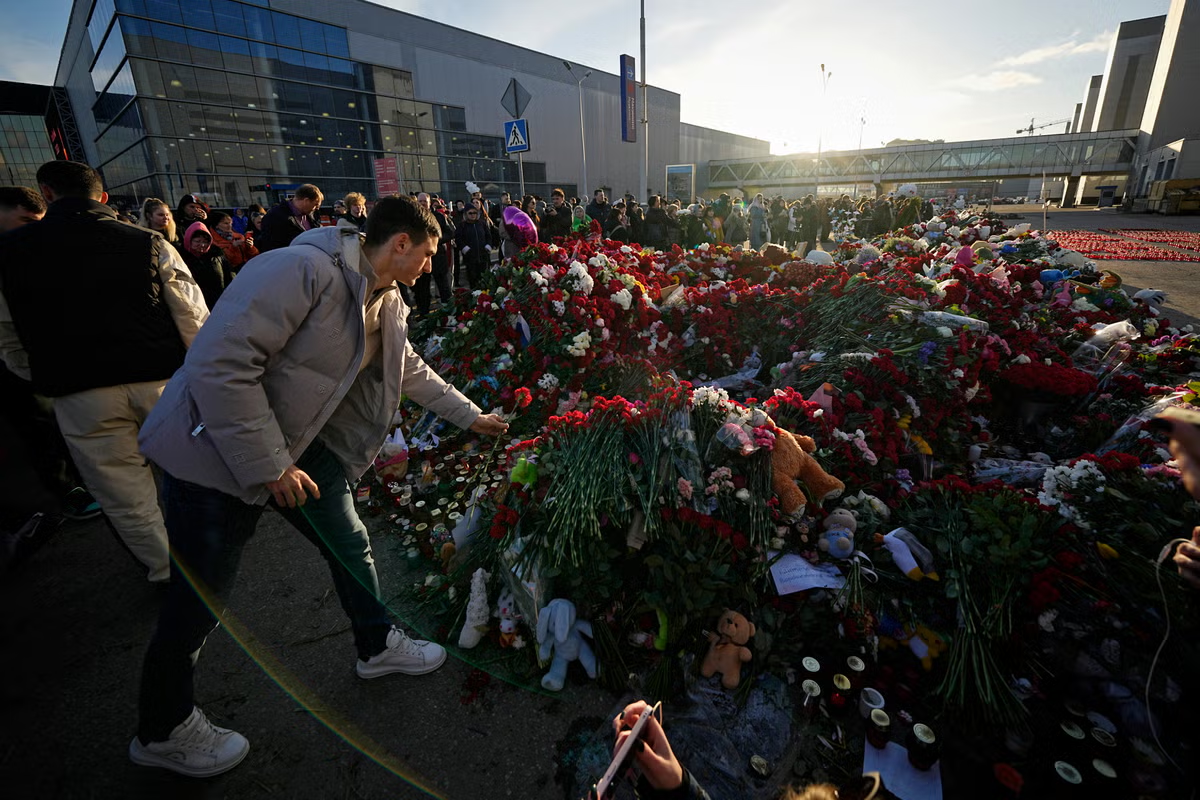
Russia's FSB has detained four suspects in Dagestan, alleging their involvement in providing weapons and funds to the gunmen who attacked a Moscow concert hall in March, killing 144 people. The suspects are said to be foreign nationals, and their arrest follows that of the four suspected gunmen and seven others accused of involvement in the attack. An affiliate of the Islamic State group claimed responsibility for the attack, while President Putin alleged, without evidence, involvement of Ukraine and the West. Additionally, a Moscow court ordered a suspected accomplice of the attackers to two months in pretrial detention.
A US counter-terrorism official has warned that ISIS-K could carry out an attack on American soil, citing the recent Moscow concert hall attack as a potential blueprint. Concerns have been raised about the group's boldness and potential exploitation of the US-Mexico border situation. The official stressed the seriousness of the threat, highlighting the group's animosity towards the US and their constant search for targets. The recent attack in Moscow, which claimed 143 lives, has heightened fears of ISIS-K's capabilities. US officials have also issued warnings to Russia about a planned attack by the group.
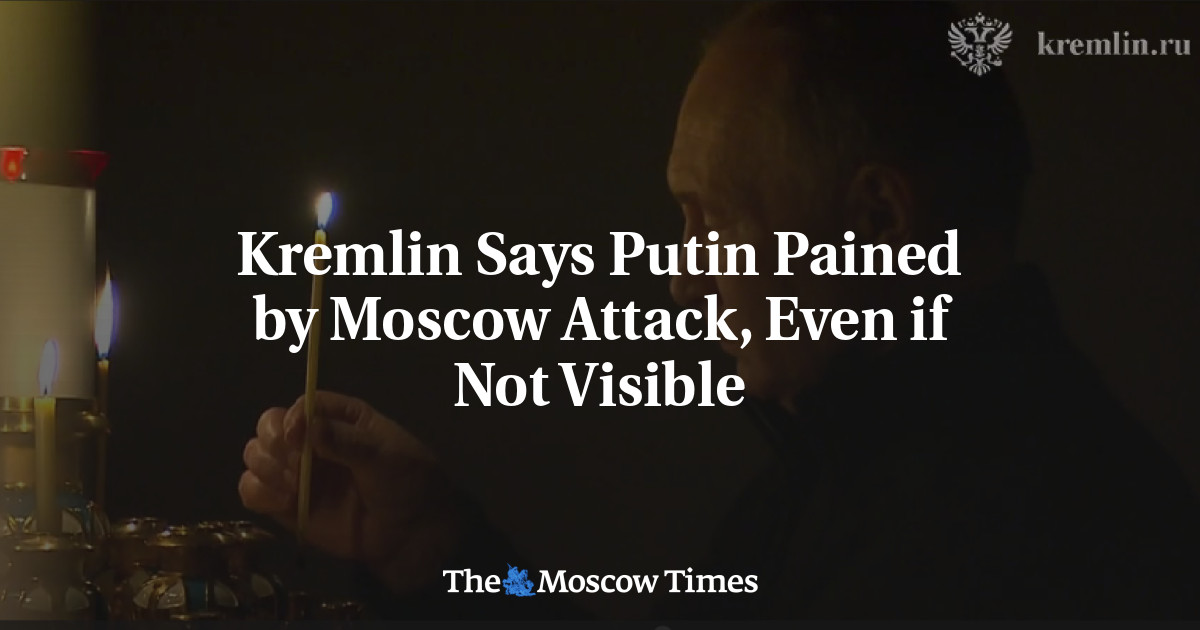
The Kremlin stated that President Vladimir Putin is deeply affected by the recent Moscow concert hall massacre, despite not showing it outwardly, and has not publicly met with survivors or visited the scene. Instead, the focus has shifted to identifying those responsible, with a dozen suspects detained, including the alleged assailants from Tajikistan. While Putin has acknowledged the involvement of "radical Islamists," he has also suggested Ukrainian involvement without evidence.
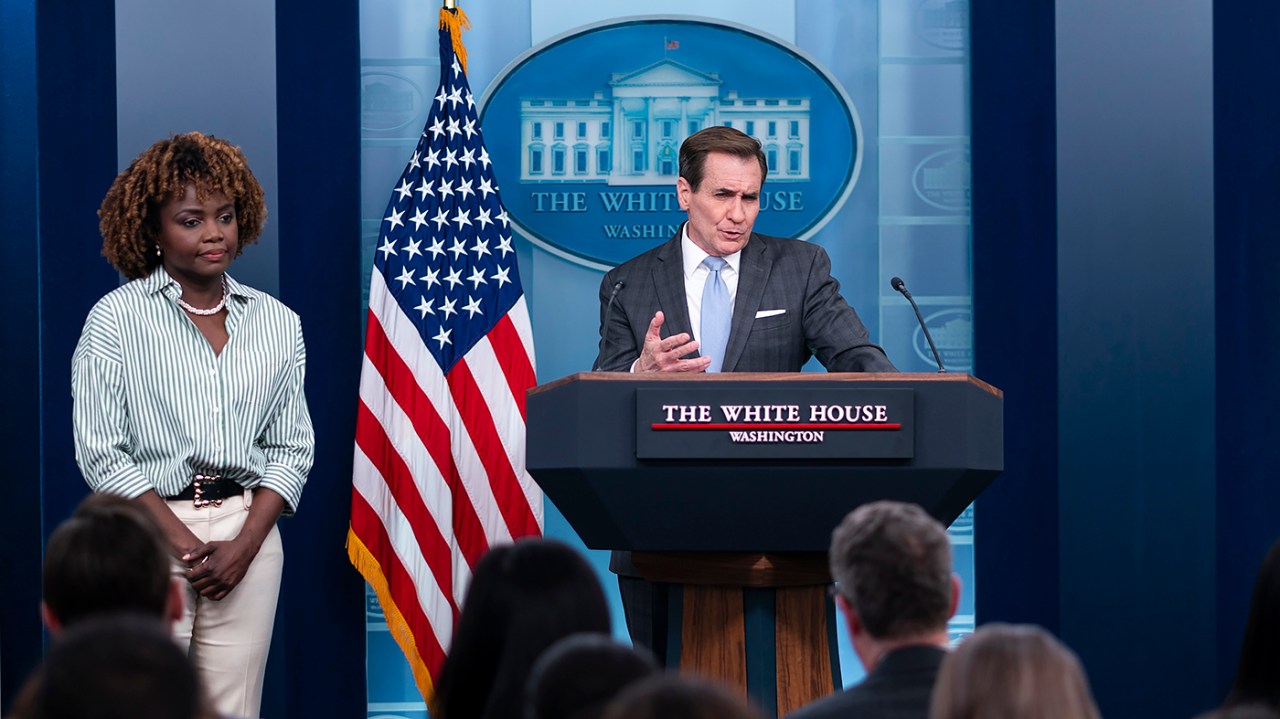
The White House dismissed Russian President Putin's claims linking the recent Moscow attack to Ukraine as "nonsense" and "propaganda," asserting that ISIS-K was solely responsible for the terrorist attack. United States intelligence supported this conclusion, and the U.S. had provided warnings to Russian authorities prior to the attack. The White House emphasized Russia's failure to prevent the attack and highlighted the importance of sharing information to prevent innocent lives from being lost in terrorist attacks.
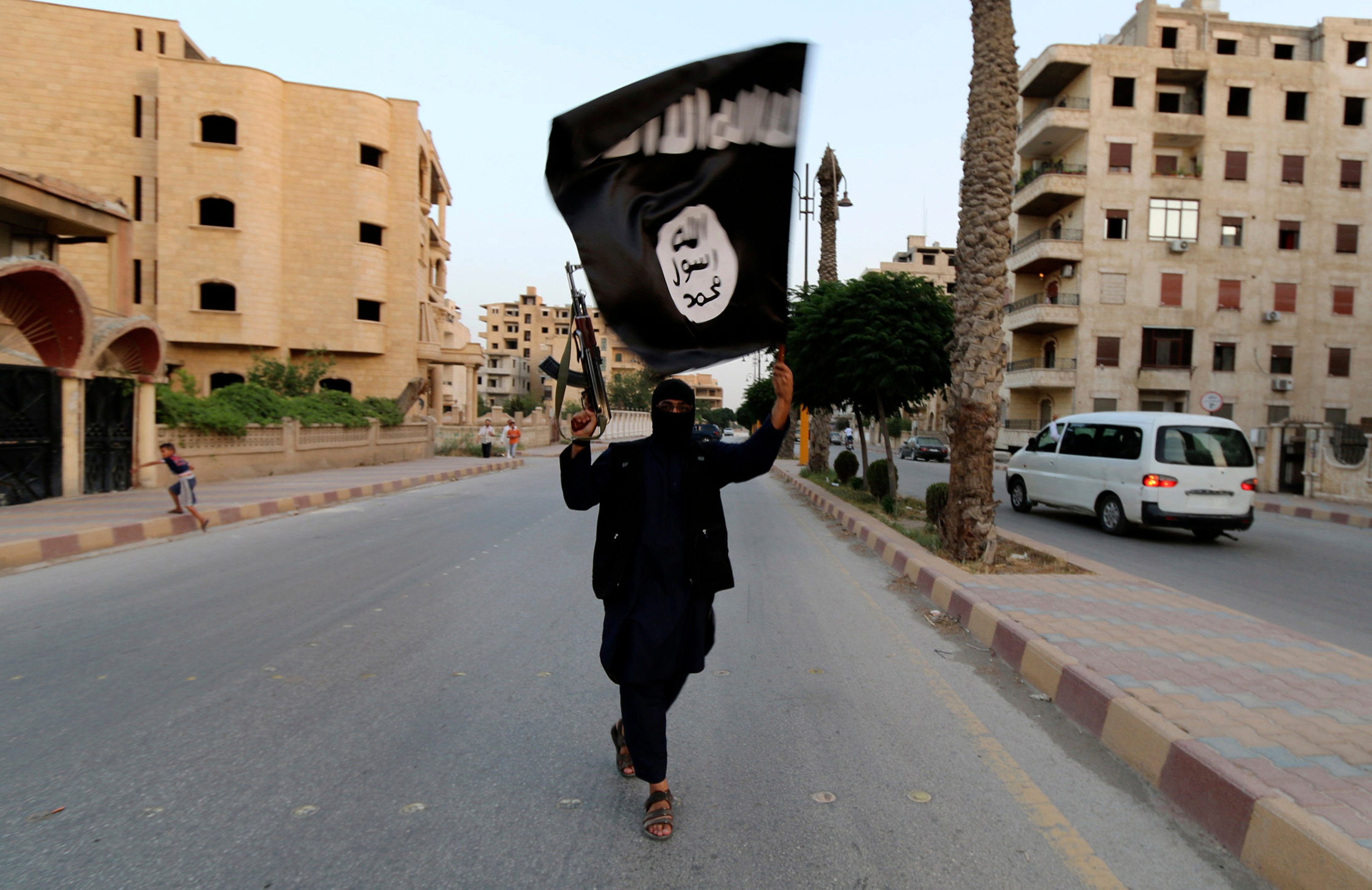
ISIS has claimed responsibility for the terror attack at a Moscow concert venue, despite Russia's attempts to link the incident to Ukraine. The group's outpost in the Khorasan region, spanning parts of Afghanistan, Iran, Pakistan, Turkmenistan, Tajikistan, and Uzbekistan, has been linked to the attack by US intelligence officials. ISIS-K, an offshoot of ISIS, has solidified its distinct political grievances, particularly its battle for power with the Taliban in Afghanistan. The group's attack in Moscow indicates its continued capability to cause harm, and there are concerns about potential future attacks in Europe. While the overall terror threat has diminished compared to the height of ISIS's power, the group and its affiliates remain a significant concern for global security.
Russia sentences Pussy Riot activist to six years in absentia for anti-war social media posts, while the death toll from the Moscow terror attack rises to 140. Russia claims it's "hard to believe" that the Islamic State group was behind the attack, alleging Western and Ukrainian involvement. Russian officials and pro-Kremlin media have accused Ukraine, the U.K., and U.S. of coordinating the attack, despite Islamic State claiming responsibility. Meanwhile, Ukraine's national soccer team's qualification for Euro 2024 provides a morale boost, and Kyrgyzstan urges citizens to limit travel to Russia following the attack.
The recent ISIS-K attack on Moscow's Crocus City concert hall, which left 137 dead and over 180 wounded, underscores the ongoing threat of international terrorism emanating from Afghanistan. The ISIS affiliate has exploited the American withdrawal and recruited from Afghanistan and Central Asia, posing a significant danger to stability in the region. While the Taliban claims to have restored stability, resistance groups like the Afghan National Resistance Front continue to challenge their rule and combat ISIS-K, seeking international recognition and support in their efforts to govern Afghanistan without the Taliban.
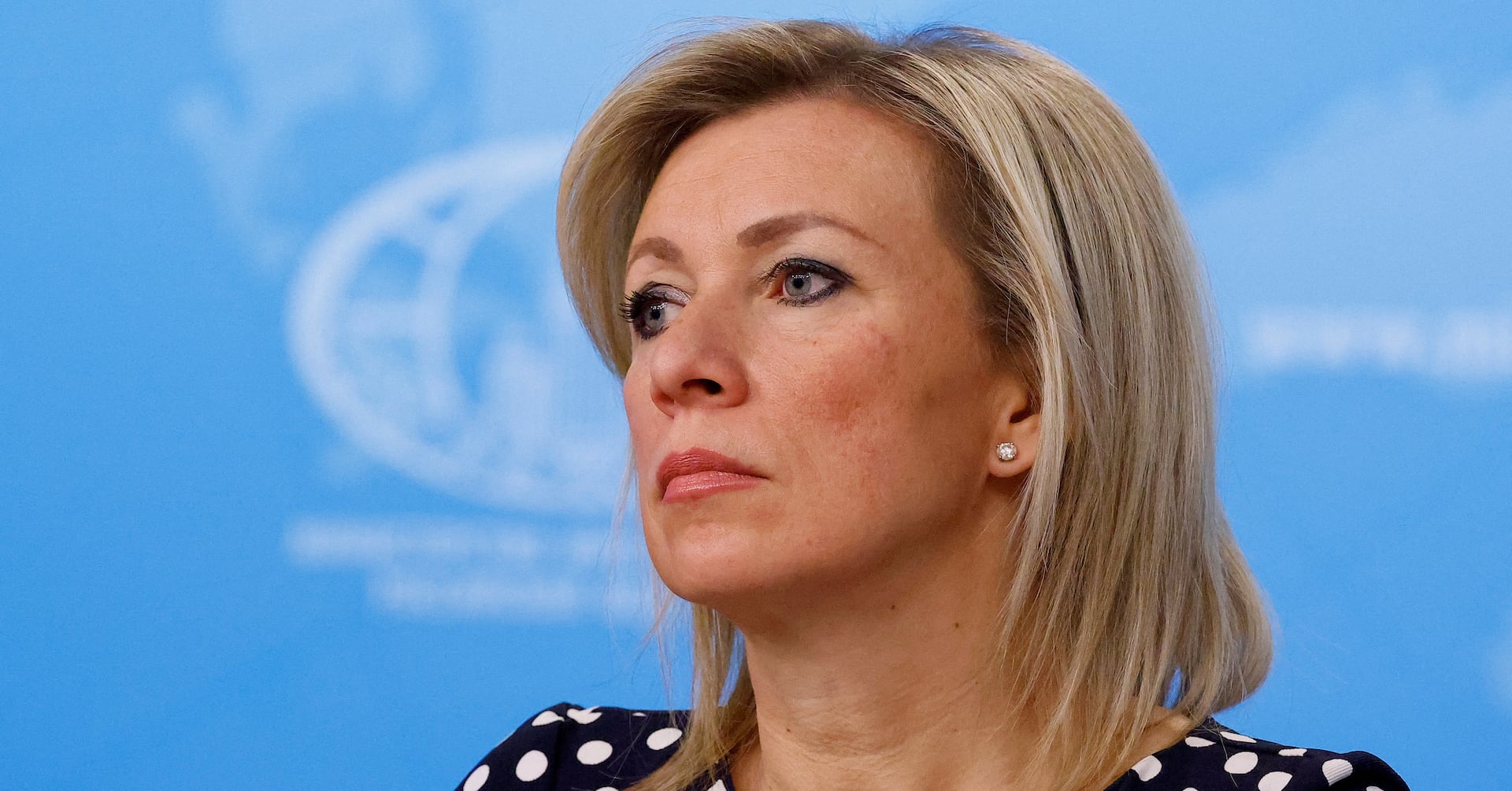
Russian Foreign Ministry spokeswoman Maria Zakharova expressed doubt that Islamic State could have carried out the recent attack on a Moscow concert hall, instead reiterating Russia's unsubstantiated claims that Ukraine was behind the deadly incident. Despite Islamic State claiming responsibility and U.S. officials citing intelligence linking the attack to the group's Afghan branch, Russia has accused the West of hastily blaming Islamic State to deflect from Ukraine and its supporters. President Vladimir Putin has suggested that the attack may have been to Ukraine's benefit and implicated Ukrainian involvement, while the director of Russia's FSB security agency has alleged the involvement of Ukraine, the United States, and Britain in the attack.
The Kremlin is treading carefully in the aftermath of the deadly terrorist attack near Moscow, expressing concerns over potential ethnic strife within Russia. Amid accusations against Ukraine and the detention of suspects from Tajikistan, anti-migrant rhetoric has surfaced online, prompting warnings from top officials to prevent interethnic conflicts. President Putin faces the challenge of managing the war in Ukraine while addressing the xenophobia that has emerged following the attack, as many of his supporters express nationalist sentiments.
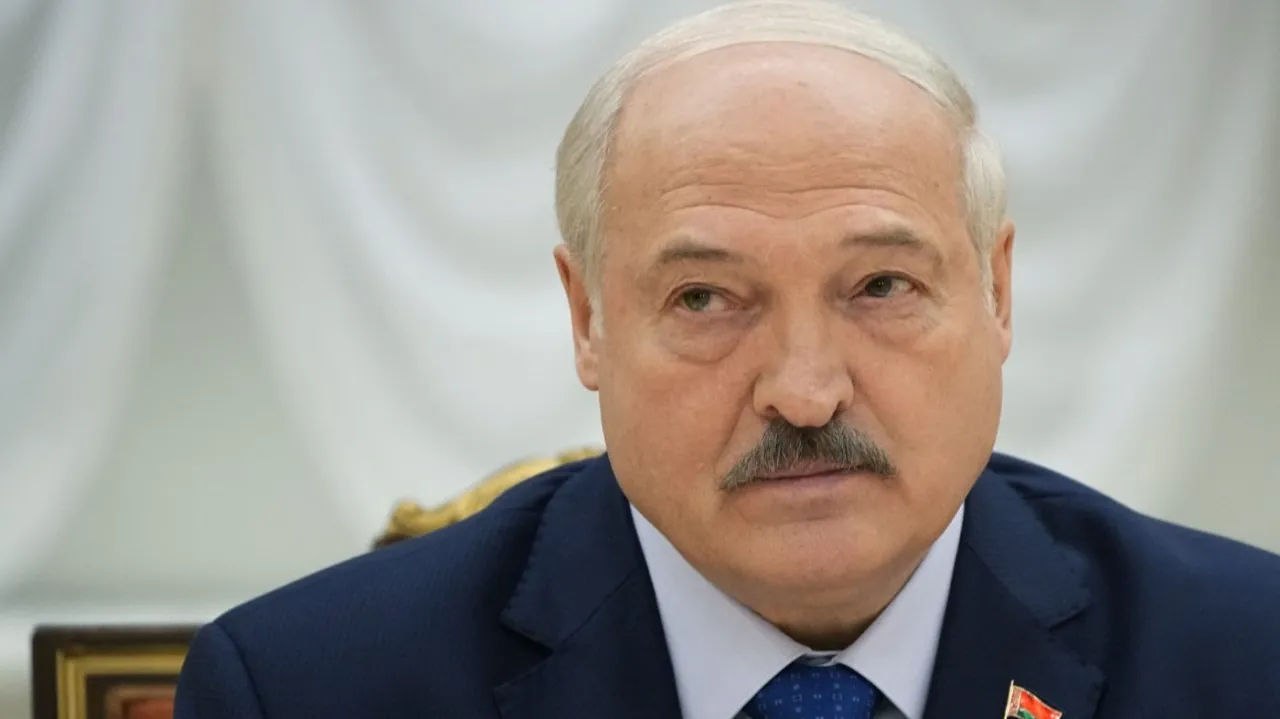
Belarusian President Lukashenko contradicts Russian President Putin's claims about the Moscow concert hall attackers fleeing to Ukraine, stating that they were initially fleeing toward Belarus. The Islamic State has claimed responsibility for the attack, which has been confirmed by the United States, while Ukrainian officials have denied any involvement. Putin and Kremlin officials have aggressively pushed the narrative that Ukraine was involved in the attack, despite lack of evidence, and the attack came just days after Putin secured another term in office.
The director of Russia's FSB has made a bizarre claim that the US, UK, and Ukraine were involved in the recent Moscow concert hall attack, despite ISIS claiming responsibility and the US warning Russia of an imminent attack. The Kremlin's attempt to deflect questions about Russian security services' failure and justify Putin's invasion of Ukraine has led to accusations against Kyiv, which Ukrainian officials have refuted. Russian officials have also accused Ukraine and its allies of involvement, while Belarus president Lukashenko contradicted Putin's claim that Ukraine facilitated the attackers' escape. The four suspects, citizens of Tajikistan, appeared in a Moscow court on terrorism charges, and Putin has acknowledged radical Islamists as the perpetrators.
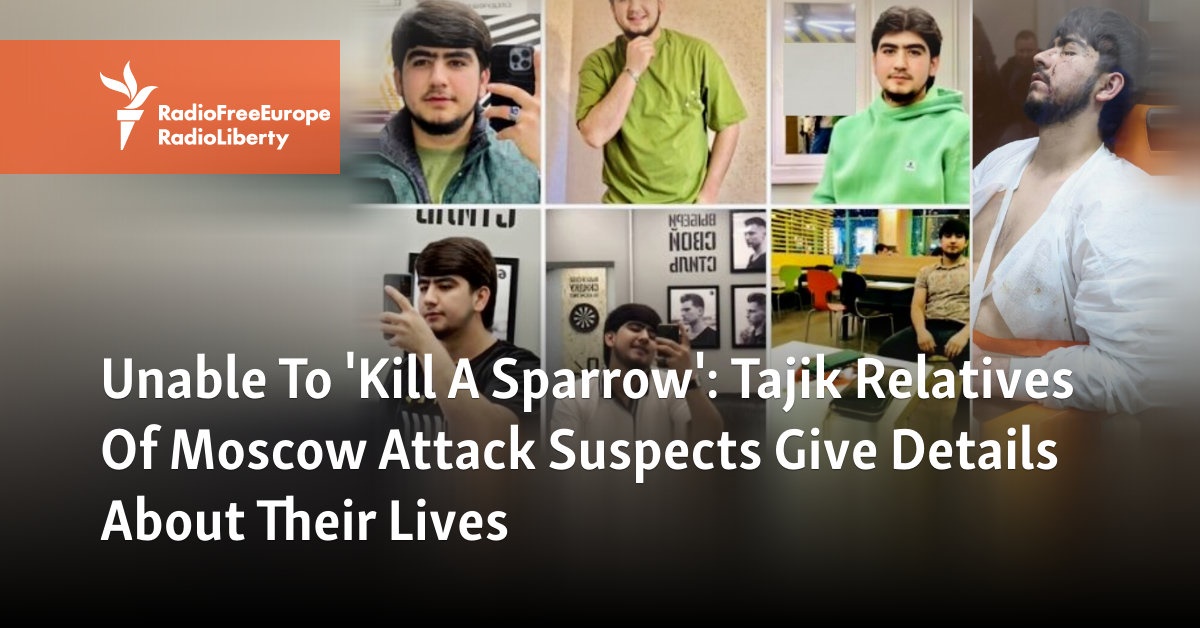
Relatives of the Tajik suspects involved in the deadly terrorist attack near Moscow express shock and disbelief, describing them as nonreligious and expressing concerns about their potential brainwashing. The suspects, including Faridun Shamsiddin, have been charged with carrying out the massacre at the Crocus concert venue, with Shamsiddin claiming he was paid to carry out the attack. Family members have been taken for questioning, and some suspects have shown signs of physical abuse.