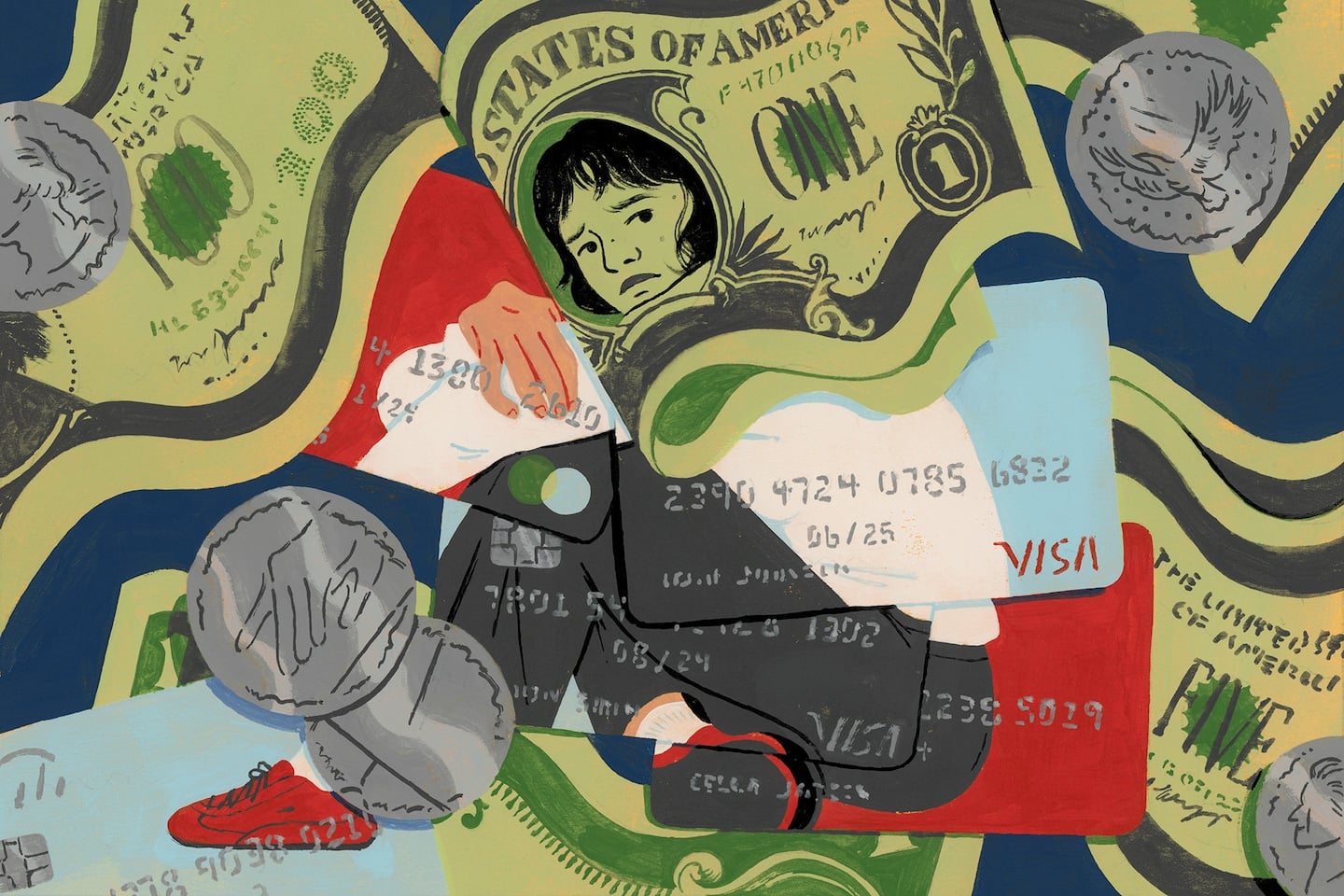
The article emphasizes the importance of couples staying actively involved in their finances in 2026, highlighting that shared financial responsibility strengthens relationships and provides security, especially during unforeseen circumstances. It offers practical advice on reviewing finances, establishing regular money discussions, and seeking outside help if needed to foster teamwork and trust around money matters.

A financial therapist advises setting clear boundaries when family or friends ask to borrow money, as lending can strain relationships. It's important to assess if you can afford to help without jeopardizing your own finances. Offering a smaller, affordable amount can be a compromise, and communicating your financial obligations can help. Feeling guilty is normal, but writing down your financial goals and boundaries can reinforce your decisions. Maintaining these boundaries is challenging but crucial for achieving long-term financial stability.
June's astrology offers opportunities for financial growth and career advancement, with key dates for budgeting, manifesting abundance, and making strategic moves. Mercury in Gemini boosts mental clarity, while Mars in Taurus advises against impulsive spending. The new moon on June 6 and the full moon on June 21 are pivotal for setting and achieving financial goals. Each zodiac sign has specific advice for maximizing their financial potential this month.
Nobel laureate Daniel Kahneman, known for his work in behavioral economics, emphasized that money decisions are not solely about math. He challenged the notion that economic decisions are governed by logic and highlighted the impact of human biases on financial choices. To make better financial decisions, it's important to define the decision, understand the underlying need or want, identify non-negotiables, assess alternatives, consider costs and affordability, and act with confidence after careful consideration.
Alexa von Tobel, a Harvard-trained investor and author, emphasizes the importance of teaching kids about money early on to ensure their future financial well-being. She offers three key pieces of advice for parents: talk about money in a matter-of-fact way, make it practical by discussing everyday costs, and make it fun and empowering by incorporating games and exercises. Her book, "Growing Up Powerful: Money Matters," aims to provide personal finance lessons for kids and advice for parents on how to talk to their children about money, with the goal of empowering the next generation to understand and control money.
"Loud budgeting" is a new trend on TikTok where individuals proudly assert their frugality and money-saving habits as a lifestyle choice, in contrast to traditional budgeting. This movement encourages open conversations about personal finance and aims to destigmatize the topic, promoting transparency and accountability among peers. While the trend may eventually fade, the positive impact of normalizing discussions about money management is likely to endure. However, there is a caution against misinformation and predatory financial advice that may arise from this trend.
"Loud budgeting" is a new financial trend on TikTok that encourages consumers to be vocal about making money-conscious decisions, rather than succumbing to pressure to spend. Financial experts support this approach, as it empowers individuals to take control of their finances and reduce anxiety by openly discussing financial constraints. The trend aims to combat impulse purchases driven by social media influence and encourages individuals to prioritize spending on what truly matters to them. Tips for embracing loud budgeting include unsubscribing from retail emails, deleting payment details stored online, and implementing a 48-hour rule before making purchases.
The rise of "loud budgeting" on TikTok involves being transparent and explicit about financial priorities, which experts say is both financially and mentally healthy. This approach demonstrates emotional literacy and open communication about money, and can help individuals prioritize spending based on personal goals. While etiquette experts caution against oversharing specific financial details, they agree that being clear about financial priorities doesn't make one rude, and suggest maintaining a positive tone when declining social invitations based on budget constraints.
The Washington Post is hosting a live chat with personal finance columnist Michelle Singletary and clinical psychologist Traci S. Williams to discuss the connection between mental health and financial well-being, offering an opportunity for individuals to gain insight into how their personal backstory may influence their spending and saving habits. Williams, a certified financial therapist, aims to help families improve their emotional, mental, and financial health through understanding this connection.
Financial stress can have a significant impact on mental and emotional well-being, leading to unhealthy coping behaviors and strained relationships. To cope with financial stress, it's important to recognize triggers and spending patterns, open up to a trusted loved one, manage emotions, create a plan and track progress, and consider working with a professional such as a financial therapist or counselor. By addressing the emotional and mental aspects of money management, individuals can reduce stress and regain control of their lives.
Ramit Sethi, a money personality and financial coach, argues that many Americans are pursuing a financial goal that lacks meaning. Instead of aiming for generic financial freedom, Sethi encourages individuals to identify their specific desires and create a financial plan to achieve them. He emphasizes the importance of being specific in goal-setting and suggests a conscious spending plan that divides income into fixed costs, savings, investments, and guilt-free spending. Sethi advises being cutthroat with discretionary spending, exploring money hacks like side hustles or renting out assets, and considering travel credit cards to save on expenses. Ultimately, he urges people to have a clear target in mind when pursuing their financial goals.
A reader seeks advice on whether to switch to a new company for a significant pay increase but with potential sacrifices in work-life balance and family time. The columnist suggests exploring other options within the current company or searching for similar positions with higher pay in other companies. In another question, a parent asks if it's acceptable for their daughter to request honeymoon funds instead of traditional wedding gifts, to which the columnist explains that it's becoming more common and suggests providing a small gift option as well. Lastly, a reader asks how much of an unexpected cash windfall they should spend on themselves, and the columnist advises setting aside money for emergencies and investments while also allowing for some indulgence.
A couple with $30,000 in credit card debt, who recently purchased a $10,000 timeshare, discussed their financial situation with self-made millionaire Ramit Sethi on his podcast. The couple's lack of financial literacy and avoidance of money conversations have hindered their ability to tackle their debt and achieve financial freedom. Sethi emphasized the importance of understanding the implications of debt and distinguishing between being frugal and being cheap. He also highlighted the need for the couple to learn together about good financial habits and avoid falling for money traps, such as timeshares. While the couple may face challenges in getting out of their timeshare contract, Sethi sees it as a learning opportunity and advises taking a loss now rather than struggling for years to come.
This article highlights various apps and tools for managing money online. The author shares recommendations from readers, including popular choices like YNAB and Copilot, as well as other options such as Qapital, Buddy, and HomeBank. Some readers prefer using spreadsheets or their bank's budgeting tools. The article also features a deputy editor's homescreen setup with five different writing apps and includes recommendations for ambient music, a novel, and a courtroom thriller. The author also mentions the uncertain future of Tumblr and expresses support for Mastodon.
Mint, the popular budgeting app, is being shut down by its parent company Intuit, leaving millions of users in search of alternatives. Several competitors have stepped up to offer their own money management tools, including Copilot Money, Monarch Money, PocketGuard, Quicken Simplifi, Rocket Money, Tiller, and YNAB. These apps offer various features such as AI-powered transaction categorization, bill tracking, personalized spending plans, and subscription management. Users are encouraged to test out different options and see what works best for their personal financial management needs.