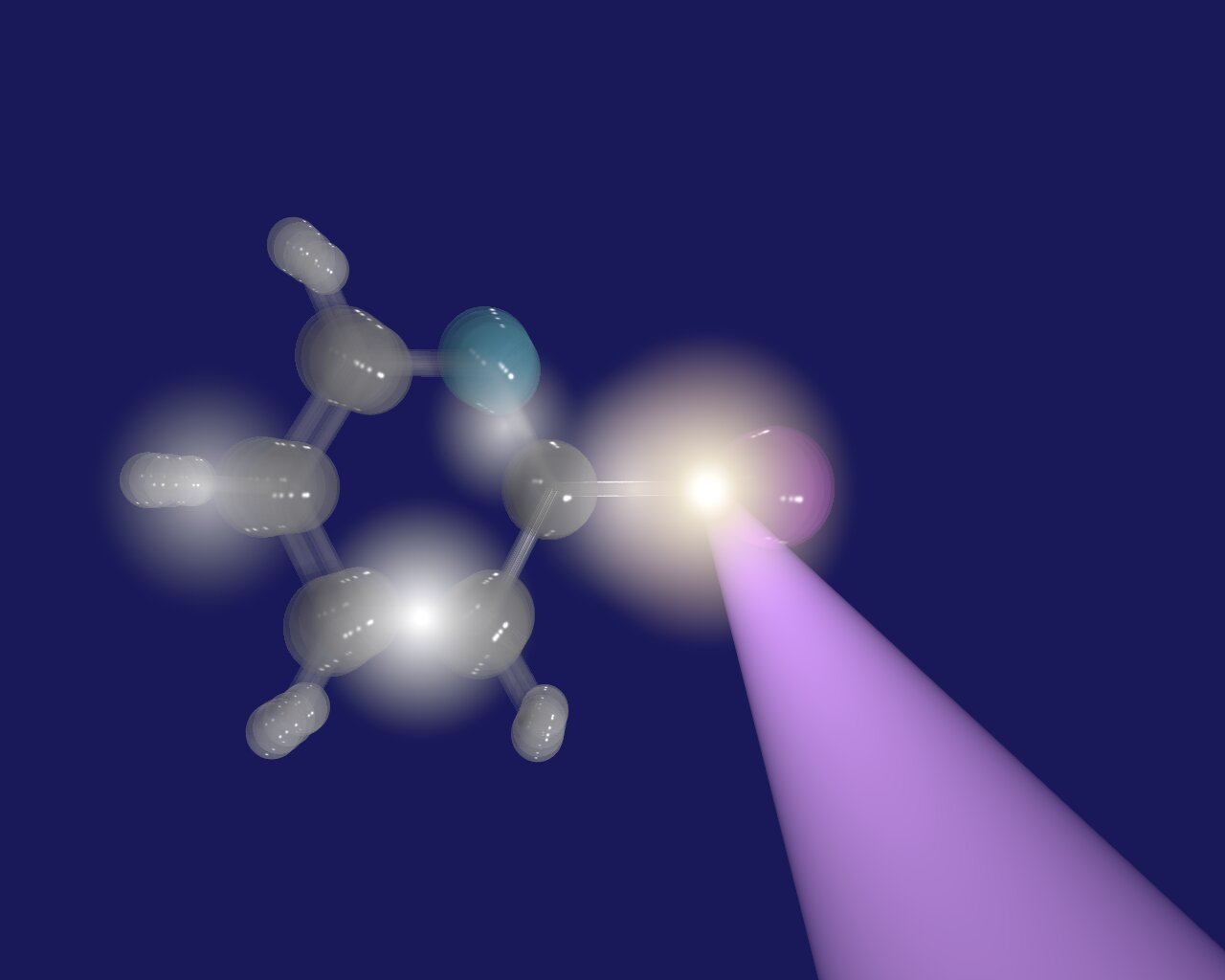
Scientists at Goethe University have directly measured the zero-point motion of atoms in molecules at their lowest energy state using advanced X-ray laser techniques, revealing coordinated atomic vibrations that classical physics cannot explain, thus providing new insights into quantum behavior.
Scientists have directly visualized the quantum zero-point motion in complex molecules using ultrashort X-ray laser pulses and Coulomb Explosion Imaging, revealing the intricate, coupled vibrational patterns of atoms even at absolute zero, providing new insights into quantum phenomena.
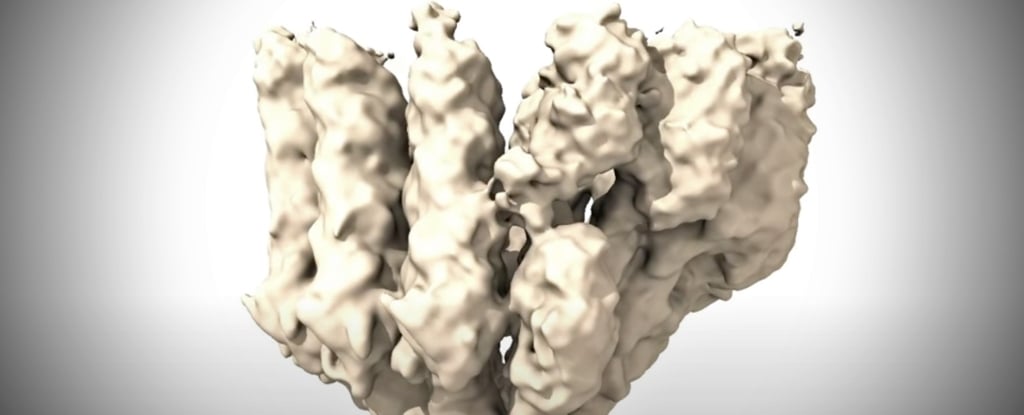
Scientists in Spain have captured the first detailed images of a human cell's microtubule formation process, shedding light on how these structures are built during cell division. The discovery could lead to targeted treatments for cancer and other conditions, as microtubules play a crucial role in cell biology. The high-resolution visuals and atomic-scale film reveal the intricate process of microtubule nucleation and the role of the gamma-tubulin ring complex (γ-TuRC) in guiding their formation. Understanding this process may offer new therapeutic approaches and insights into preventing cancer cells from dividing.
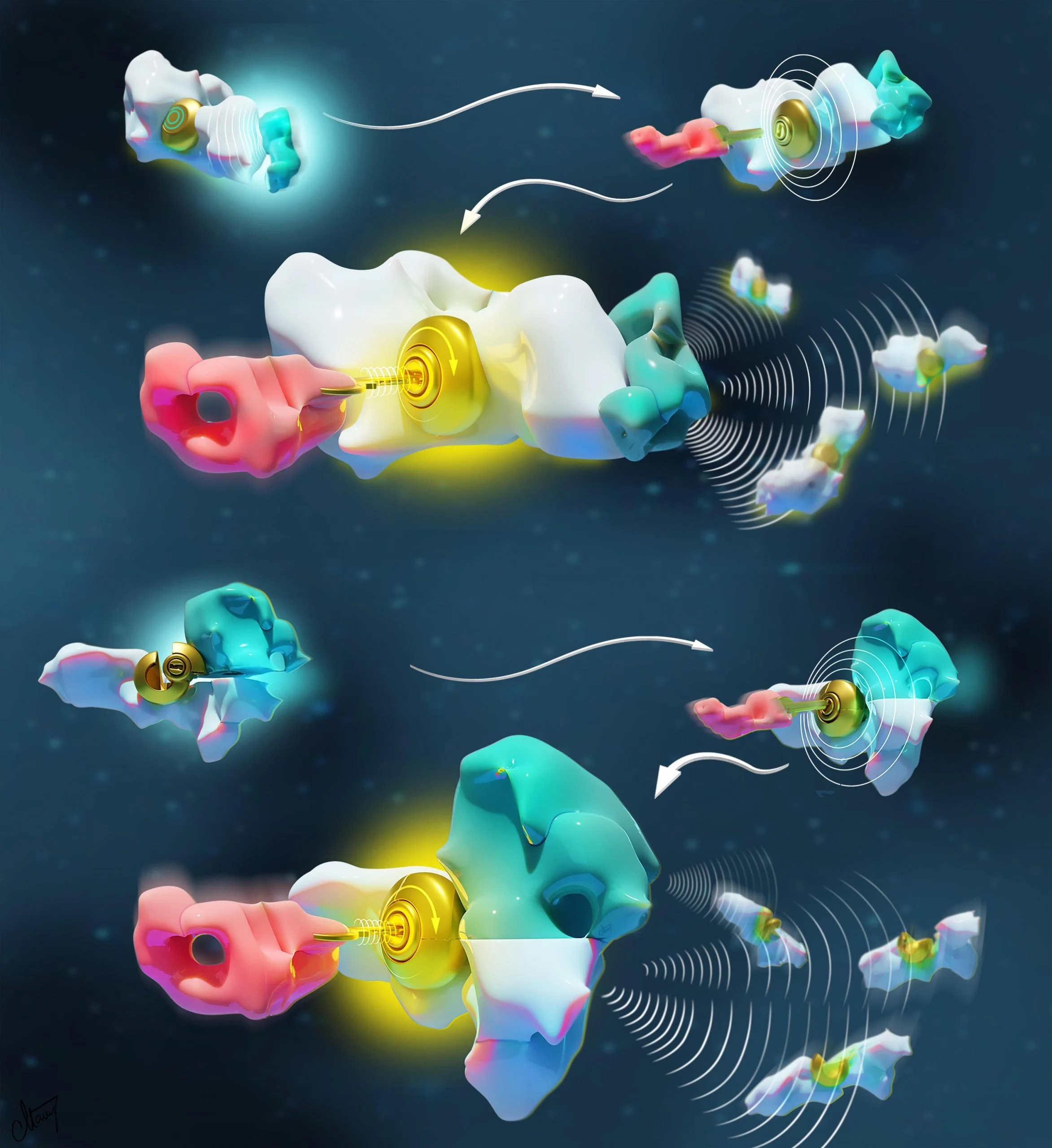
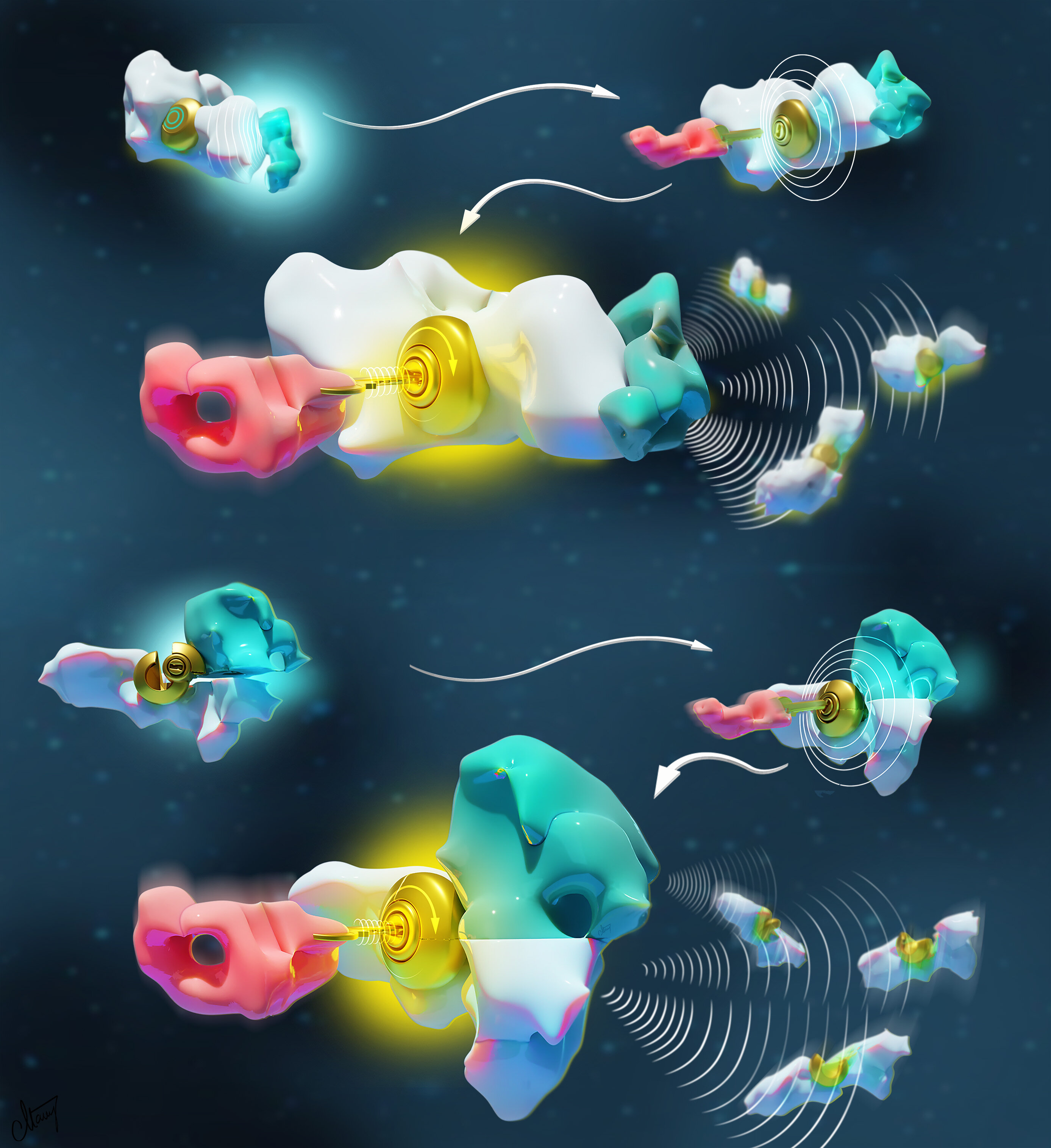
Canadian researchers at the University of Montreal have successfully recreated and mathematically validated two molecular languages, allostery and multivalency, which are fundamental to the communication between molecules in living organisms. This breakthrough has significant implications for nanotechnologies, including biosensing, drug delivery, and molecular imaging. The researchers used simple mathematical equations to describe the rules and design principles of these languages, enabling the programming of communication within nanosystems. They also designed a programmable antibody sensor using the language of multivalency, which could be used to detect antibodies at different concentrations and aid in monitoring individual and collective immunity.
Canadian scientists have successfully recreated and mathematically validated two molecular languages that are essential for the development of nanotechnologies. These languages, known as allostery and multivalency, play a crucial role in the communication between molecules within living organisms. Understanding and harnessing these languages can lead to advancements in biosensing, drug delivery, and molecular imaging. The researchers used the language of multivalency to design a programmable antibody sensor for detecting antibodies at different concentrations, which can be valuable for monitoring individual and collective immunity.