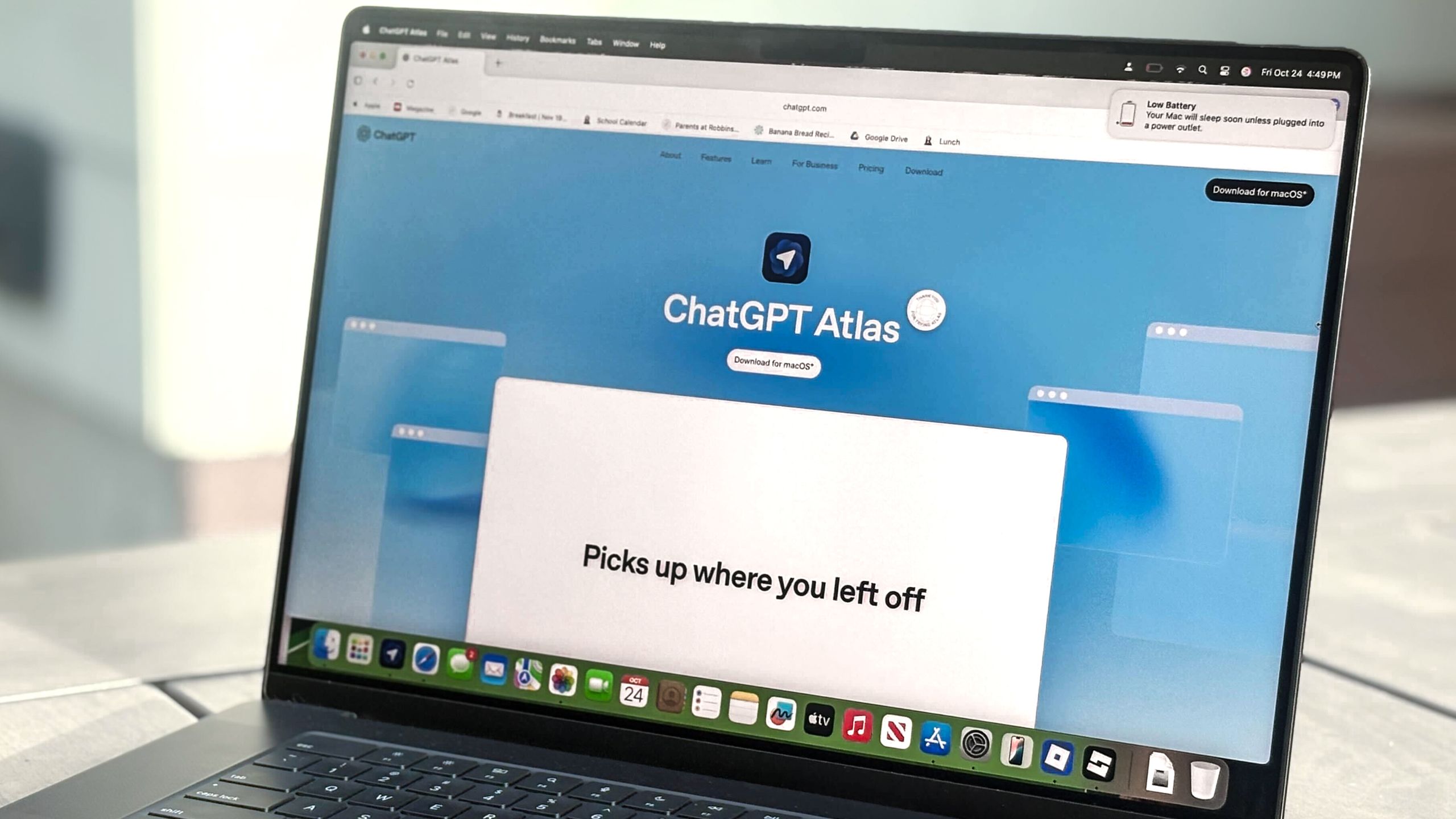
The author tried OpenAI's ChatGPT Atlas browser, which integrates AI features directly into web browsing, but found it unnecessary for their casual, mobile-first browsing habits, preferring the simplicity and familiarity of Chrome until Atlas becomes available on mobile devices.
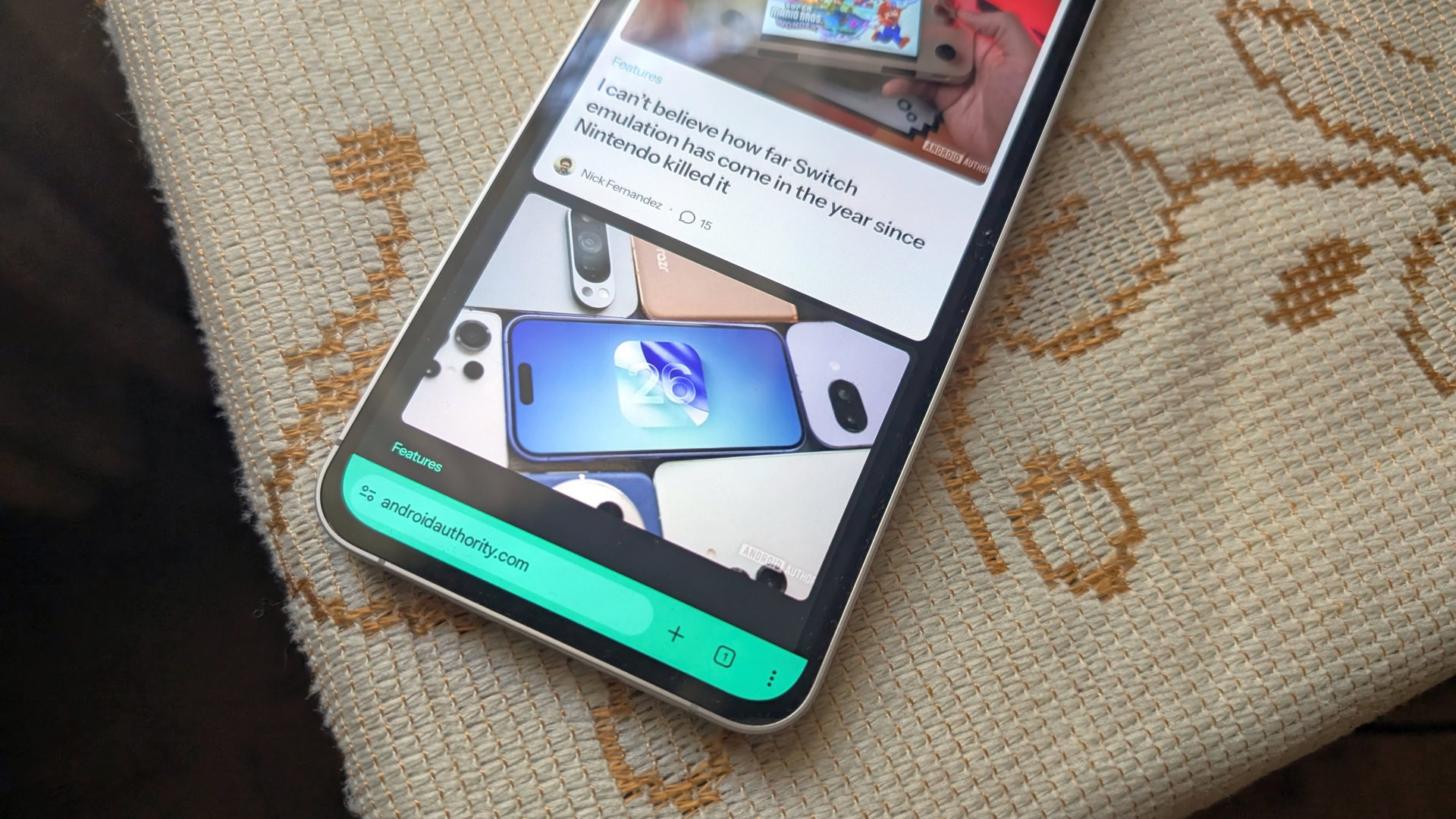
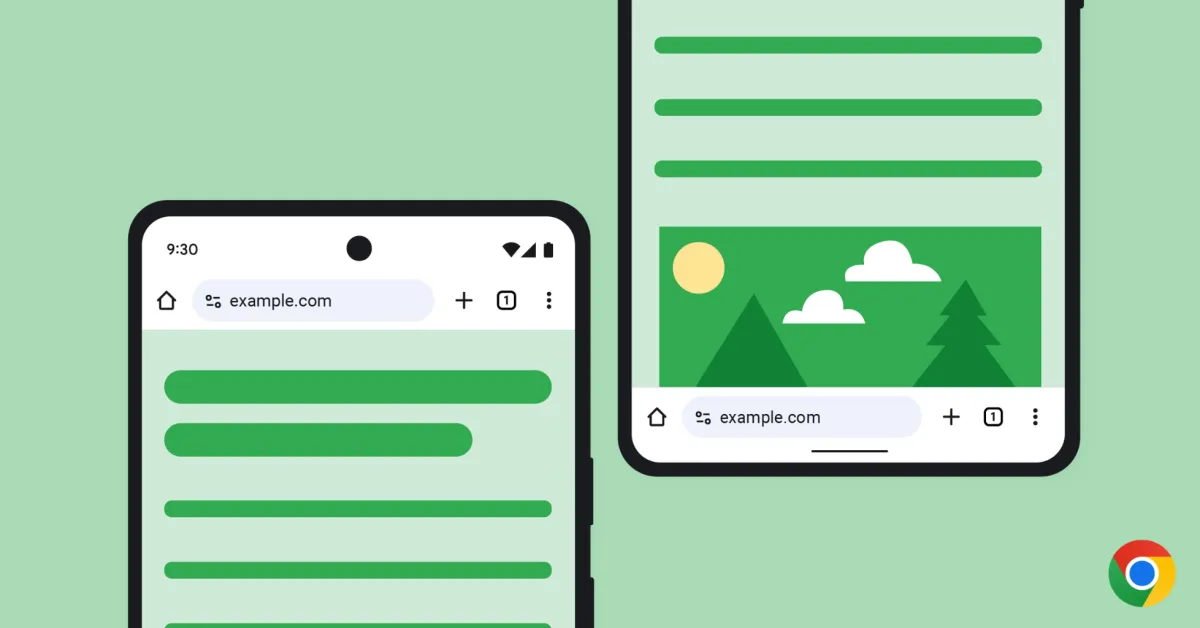
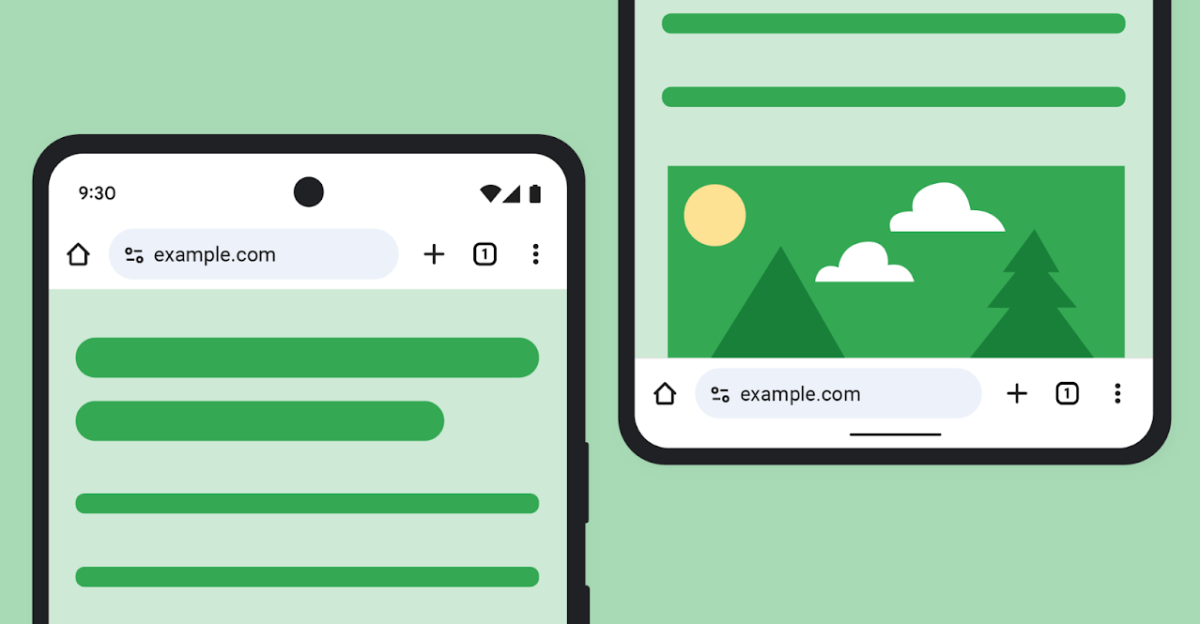
Google Chrome for Android has started rolling out a new feature allowing users to move the address bar to the bottom of the screen for easier navigation, with options to switch between top and bottom placement through notifications or settings, enhancing customization for mobile browsing.
Google is rolling out a new feature for Chrome on Android that allows users to move the address bar to the bottom of the screen for easier one-handed browsing, providing a customizable option to enhance user comfort and accessibility.
Google is rolling out a feature for Chrome on Android that allows users to move the address bar to the bottom of the screen, enhancing accessibility and user comfort, a feature previously available on iOS since 2023.
The Chrome M124 update introduces picture-in-picture mode for in-app webpages on Android, allowing users to switch between the webpage and the app without closing the browsing session. This feature is available in apps using Chrome Custom Tabs, enhancing multitasking by minimizing the webpage into a floating window.
Brave Software has launched a privacy-focused AI assistant called "Leo" on its Android browser, offering features such as summarizing webpages, answering questions, translating pages, and more. The assistant is available in free and premium tiers, with the premium tier offering higher rate limits and multi-device support. Leveraging advanced large-language models, Leo aims to provide high-quality, relevant answers while prioritizing user privacy through measures such as no user profiling, chat recording, or storage of user identifiers. The phased roll-out of Leo on Android will be followed by its introduction to Brave browser users on iOS in the coming weeks.
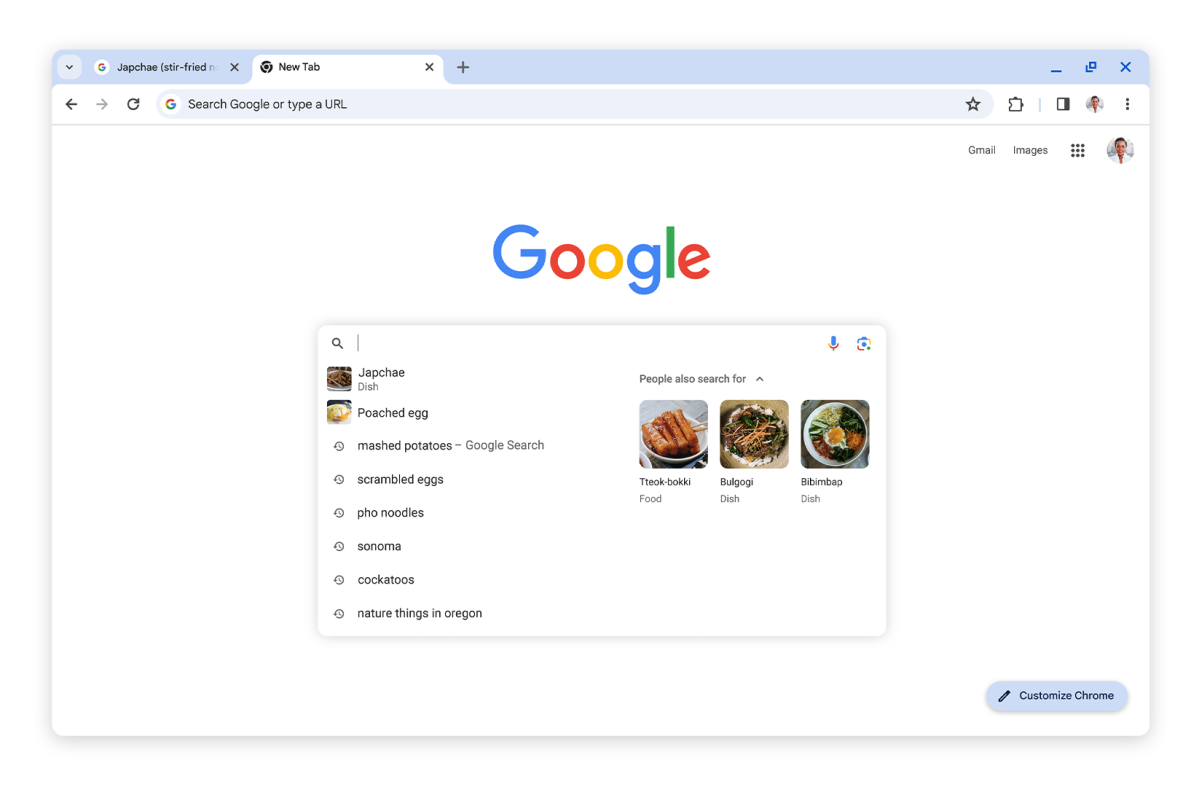
Google is enhancing search suggestions in Chrome to provide more helpful and inspirational results, including displaying images for broader shopping categories and products based on simpler searches, expanding availability of search suggestions, and offering suggestions even with poor network connections. These updates will roll out on Android and iOS, and will also include personalized suggestions based on users' previous searches.
Google Chrome is introducing updates to search suggestions, including displaying more images for broader shopping categories and products on Android and iOS, improving on-device capabilities for search suggestions on mobile, and adding "People also search for" suggestions based on previous queries. These updates are rolling out with the latest stable release of Chrome 122, with additional features such as a "Bookmarks" shortcut and text-to-speech not yet live on Android.
Mozilla has announced that its Firefox Android app will soon support an "open ecosystem of extensions," allowing users to customize the browser with third-party addons. While an exact release date has not been announced, the feature is expected to be available before the end of the year. Firefox will become the only major Android browser to support an open extension ecosystem, as extensions are currently not supported on Chrome for Android. Mozilla aims to provide developers with the best support to build modern mobile WebExtensions and unlock creative potential within the mobile browser space. However, Firefox's market share on Android remains significantly lower compared to Chrome.