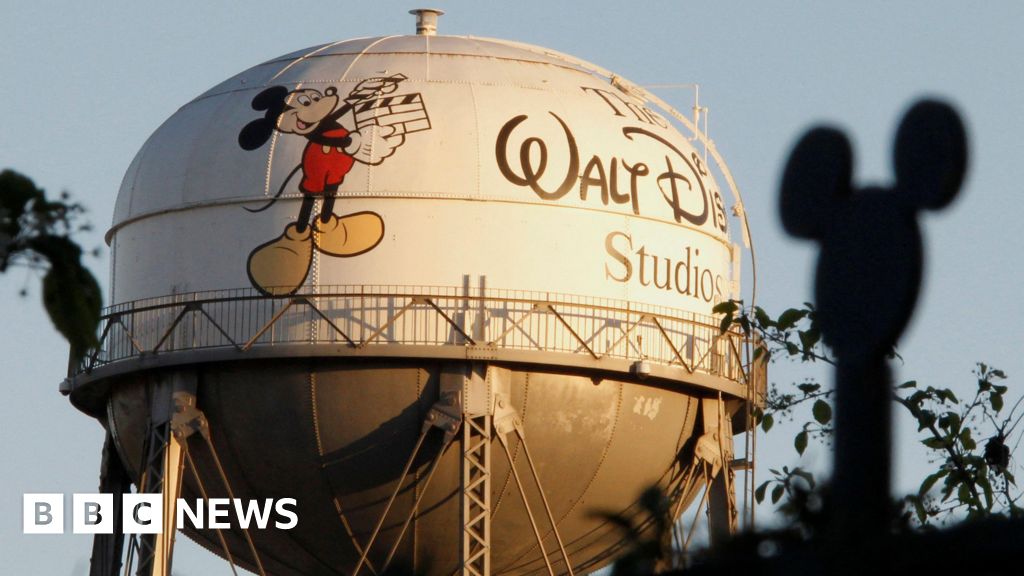
Disney will pay $10 million to settle allegations of violating children's privacy laws by failing to properly label YouTube videos as made for children, leading to targeted advertising and data collection without parental consent. The settlement follows an FTC inquiry and requires Disney to improve compliance with children's data protection laws, specifically under COPPA.
Instacart is ending a program that showed customers different prices for the same item at the same store, after concerns about transparency and trust. The company clarified that the price variations were random and not based on demand or personal data, and will cease these testing services to restore customer confidence. This move follows a recent $60 million settlement with the FTC over deceptive practices.
Amazon has settled with the FTC for $2.5 billion over deceptive Prime enrollment practices, with $1.5 billion allocated for refunds to affected customers who signed up through certain enrollment flows between 2019 and 2025. Eligible customers may receive automatic refunds up to $51 or submit claims for additional refunds, with further phases possible if funds remain.
Amazon has agreed to pay a $2.5 billion settlement after the FTC accused it of deceptive practices in Prime subscriptions, including tricking customers into signing up for more expensive plans and making cancellations difficult. Customers affected since 2019 can receive up to $51 in refunds, and Amazon is required to improve transparency and ease of cancellation. The FTC's largest civil penalty involves Amazon's violations of consumer protection rules.
Amazon agreed to pay $2.5 billion in a settlement with the FTC over allegations of enrolling users in Prime without consent and making cancellations difficult, including refunds of up to $51 for eligible members, while denying wrongdoing.
Amazon will refund $1.5 billion to Prime subscribers as part of a $2.5 billion FTC settlement to settle claims of deceptive practices related to Prime sign-ups and cancellations, avoiding a trial.
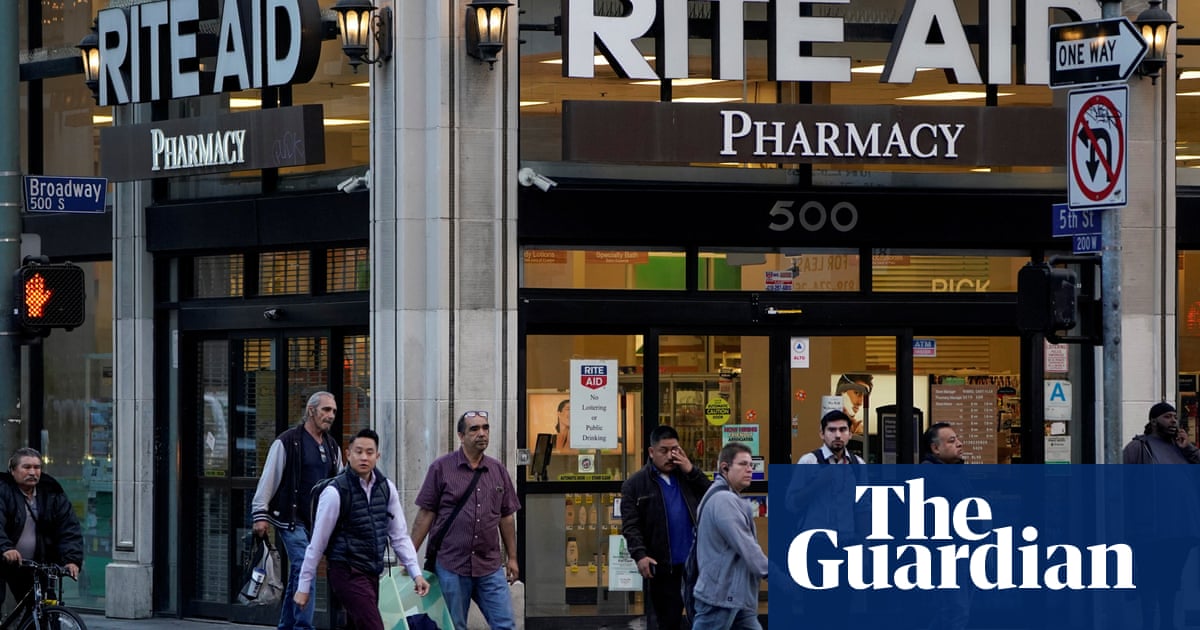
Rite Aid has settled with the Federal Trade Commission (FTC) over allegations that its facial recognition systems misidentified individuals, particularly women and people of Black, Latino, or Asian descent, as potential shoplifters without their consent. The settlement prohibits Rite Aid from using facial recognition technology in its stores for five years. The FTC complaint stated that Rite Aid used the technology in hundreds of stores, leading to increased surveillance, bans on purchases, and public accusations of criminal behavior. The company created a database of "persons of interest" with low-quality images captured through CCTV cameras, facial recognition cameras, or employee mobile phones. Rite Aid disagreed with the allegations but reached an agreement to resolve the issue. Studies have shown that facial recognition systems often misidentify Black and brown people, leading to false arrests.
Fortnite players can now apply for a portion of the $245 million settlement that Epic Games agreed to pay as part of a settlement with the US Federal Trade Commission (FTC). The settlement resolves allegations that the game used deceptive tactics to drive users into making unwanted purchases. The claims process is now open for over 37 million potentially affected users who may qualify for compensation. Users have until January 17, 2024, to submit a claim, and the individual settlement payments are yet to be determined. The settlement also prohibits Epic Games from using dark patterns or charging consumers without consent and from locking players out of their accounts in response to chargeback requests.
Players can now apply for a refund from Epic Games' Fortnite FTC settlement, potentially receiving cash that can be used for in-game purchases like V-Bucks.