A drone strike hit the RAF Akrotiri base in Cyprus, with UK foreign secretary Yvette Cooper confirming the attack and saying Britain is weighing all options to support about 300,000 British citizens in the Gulf amid rising regional tensions.
Three of the five Household Cavalry horses injured after bolting through central London are expected to participate in the King's Birthday Parade on June 15, following remarkable recoveries. The remaining two horses are recuperating with the Horse Trust and are expected to return to duty in due course. The Ministry of Defence and the Army have praised the care provided by the Horse Trust and veterinary surgeons for the horses' swift recovery.
Military officers and senior soldiers are threatening to quit the Army in large numbers over new accommodation rules proposed by the Ministry of Defence (MoD), which would change housing entitlements based on family needs rather than rank. The plan has sparked widespread protest, with concerns that it could exacerbate the existing crisis in army recruitment and retention. Many officers and their partners fear the policy will add stress and uncertainty to their already unpredictable service life, and some are already considering leaving the military as a result. The MoD argues that the New Accommodation Offer (NAO) will make provision fairer, but dissatisfaction with the state of military housing persists, with reports of damp, poorly maintained quarters and inadequate supply of homes.
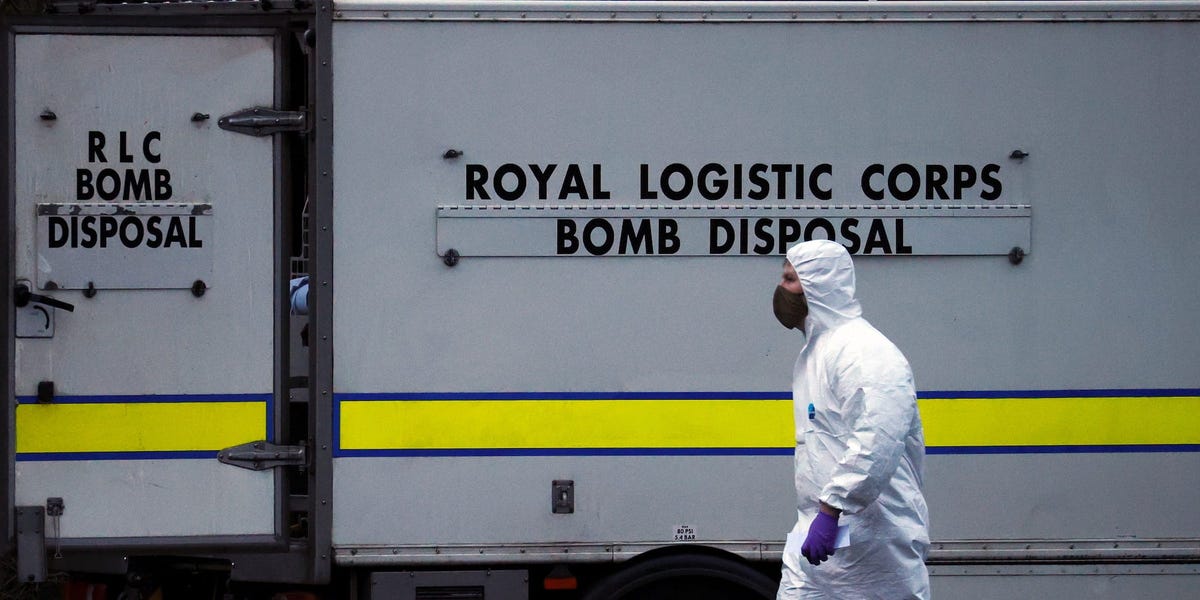
Thousands of people in Plymouth have returned home after a World War Two bomb, weighing 500kg, was detonated following a large-scale evacuation. The unexploded bomb was discovered in a garden, prompting one of the largest UK peacetime evacuation operations. Residents expressed relief at the conclusion of the situation, with some highlighting the challenges and inconveniences faced during the evacuation. The bomb disposal operation involved transporting the device through a densely populated residential area to the sea for detonation, affecting over 10,000 people and 1,219 properties. Defense Secretary Grant Shapps commended the personnel involved in the operation and thanked the public for their patience and cooperation.
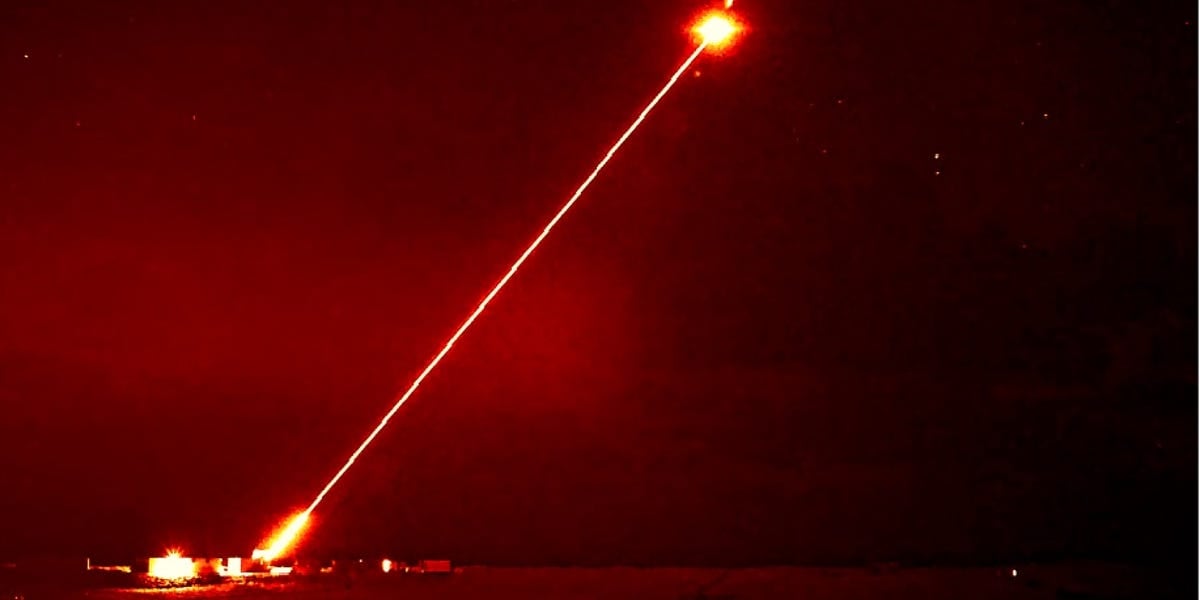
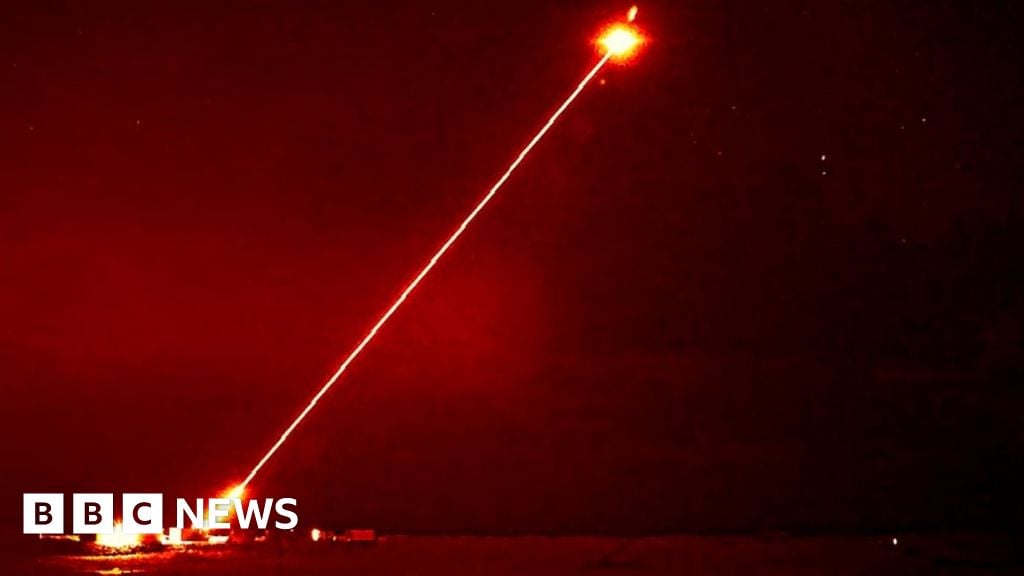
The UK's Ministry of Defence has successfully tested a new laser weapon, the DragonFire, designed to counter drone threats. The weapon, which uses a high-power beam traveling at the speed of light, demonstrated its capability to engage aerial targets several miles away. With a cost of about £100 million to develop, the laser system is projected to be deployed for naval vessel protection within five years, offering a cost-effective alternative to traditional air-defense systems.
The UK Ministry of Defence has successfully tested the DragonFire laser weapon, which can hit targets with precision and is being considered as a low-cost alternative to missiles for shooting down aerial threats like drones. The laser system, developed through a £100m joint investment, is seen as a potential game-changer in air defense capabilities for the Army and Royal Navy, offering reduced reliance on expensive ammunition and lower risk of collateral damage. The technology, already in use by the US Navy, could provide a cost-effective solution in countering the increasing use of drones in modern warfare.
A couple in the UK were shocked to discover that the garden ornament they had displayed for decades was actually a live 64-pound naval shell from the late 19th century. Believing it to be a harmless dummy bomb, they used it as a decoration and even tapped it with a trowel. However, a police officer alerted them to its true nature, leading to the bomb disposal team safely removing and detonating it. The couple, who had a personal connection to the shell's history, bid farewell to their "old friend."
The Ministry of Defence of Ukraine has announced a reduction in the timeframe for supplying Ukrainian-made equipment and weapons to the Armed Forces. The changes include simplifying the testing process and allowing manufacturers to determine the technical parameters of the products. The ministry has canceled unnecessary weapons tests and reduced the number of checks during production, enabling troops to receive new weapons and military equipment faster. The focus will now be on confirming the effectiveness, safety, and reliability of the equipment.
Two machine guns, two pistols, and nearly 2,000 rounds of ammunition have been lost by UK armed forces over the past two years, according to figures released after a Freedom of Information request. The Ministry of Defence (MoD) said it had "robust procedures to deter and prevent losses and thefts". The figures also revealed that 258 laptops had been lost or stolen from the MoD. The MoD said the lost AK47 Rifle and stolen SA80 Cadet PP Rifles were deactivated and could not be reconverted into lethal weapons.
A helicopter allegedly crashed in Bryansk Oblast, Russia, with reports initially suggesting it was shot down, but later confirmed to be due to an engine fire. The helicopter's affiliation has not yet been recognised, but it is believed to belong to the Ministry of Defence of the Russian Federation based on its camouflage and rescue parachute. Two helicopters may have crashed, one in Klintsy and the other near the village of Suretsky Muravei.
The UK Ministry of Defence has awarded a £656m ($822m) deal to BAE Systems-led Team Tempest to mature dozens of new technologies for the development of a next-generation combat jet. The investment will help assess the maturity of advanced technologies ahead of decisions over what to include on a demonstrator aircraft targeted to fly before 2027. The technologies being worked on include advanced supersonic propulsion, electrical power generation, integrated sensing, laser direct energy weapons, integrated communications systems, and stealth materials. The fighter jet is due to enter service with the Royal Air Force by 2035.